fallenfeathers

Let’s face it—when a game spends nearly a decade in the oven, and it started as a solo gig, opinions usually swing between “future classic” and “smoke and mirrors.” Lost Soul Aside, the creation of Yang Bing, definitely belongs in that zone. What kicked off as a one-guy love letter to Final Fantasy Versus XIII has finally dropped on our consoles. It hit bumps for sure, but the final package is a surprisingly polished, sometimes thrilling, and occasionally exasperating hack-and-slash ARPG that refuses to wear the “knock-off” tag it keeps getting slapped with. It deserves better, and the whole story is a wild ride in its own right—making it a strong pick for anyone looking to buy cheap games and experience its highs, lows, and chaotic fun.

Before jumping into combat, let’s rewind and replay the journey. Yang Bing’s first Lost Soul Aside footage blew people’s minds back in 2016. It looked like Square Enix had a hidden project—only spoiler alert: it didn’t. That teaser was a one-guy show, a dream set in motion with Unreal Engine 4. That viral moment caught eyes, and Sony eventually brought the project under the China Hero Project, which helped Bing rally a team and finally formed UltiZero Games. They strapped seatbelts on a dream and let it hit the road.

I won’t lie and say everything about the final product shines, because it doesn’t. But the fact that this game is alive, that it runs, looks good, and sometimes knocks it out of the park, proves passion and hustle can outmuscle damage numbers and splashy trailers. It’s less a typical fairy tale and more the indie thunder that reminds us big-budget uniformity isn’t the only game in town.
Lost Soul Aside

The Review Code Mess: A Lesson in Hype Handling

Alright, time to face the big, smelly elephant: the review key scandal. Lost Soul Aside skipped the early code drop for most press, and the gaming Twitter-machine went red-hot. Cue the endless Reddit threads, the “it’s gotta be bad” memes, and the classic “the truth is buried in the code” theorizing—yet it remains a title worth checking out for anyone looking to buy cheap PS4 games and see the game for themselves.

I get it—when a brand-new game stays quiet for months and feels like it will never come out, panic clicks in the back of our heads. In this case, the quiet hurt way more than the quiet was worth. The game itself ended up being fine, but the hushed marketing buzz started sounding like there was a skeleton being dusted off behind the scenes, and that was the only tune the internet knew the whole time. The takeaway couldn’t be clearer for studios: if you have something you’re genuinely hyped about, let a bit of the early dev rot, the kind no one else can blame inside your codex, out into the open. Otherwise, the rumor mill drafts its final cut before the reel is even in the projector.
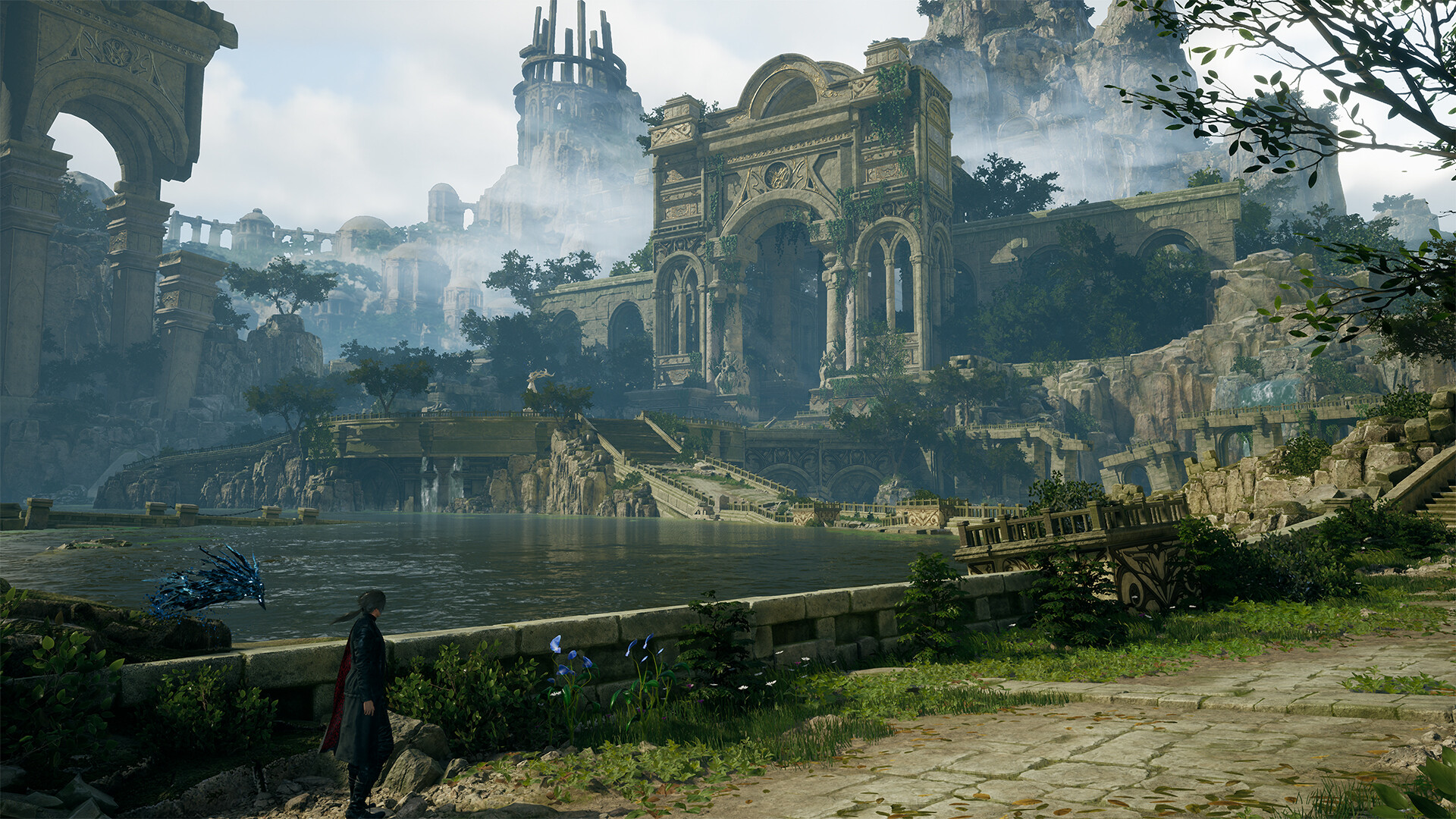
Lost Soul Aside

Way More than DMC in a New Show

I want to snuff the whole “Lost Soul Aside is just DMC with a new skin” flame before it even heats up. Sure, the game lifts more than a couple moves and frames from Devil May Cry, spices in some Final Fantasy XV open-world saunter, and throws in a sprinkle of Ninja Gaiden blade-spin flourishes. But it’d be a mistake to slap “copycat” on it and walk away. This is closer to a remix, one where the faith in the live group behind it keeps patching the off-beat samples. The tempo misses sometimes, but there are moments when that new-angled riff sneaks up and smacks you. It is discovering what its own signature will be—give it a few more bars instead of skipping to the final cut.

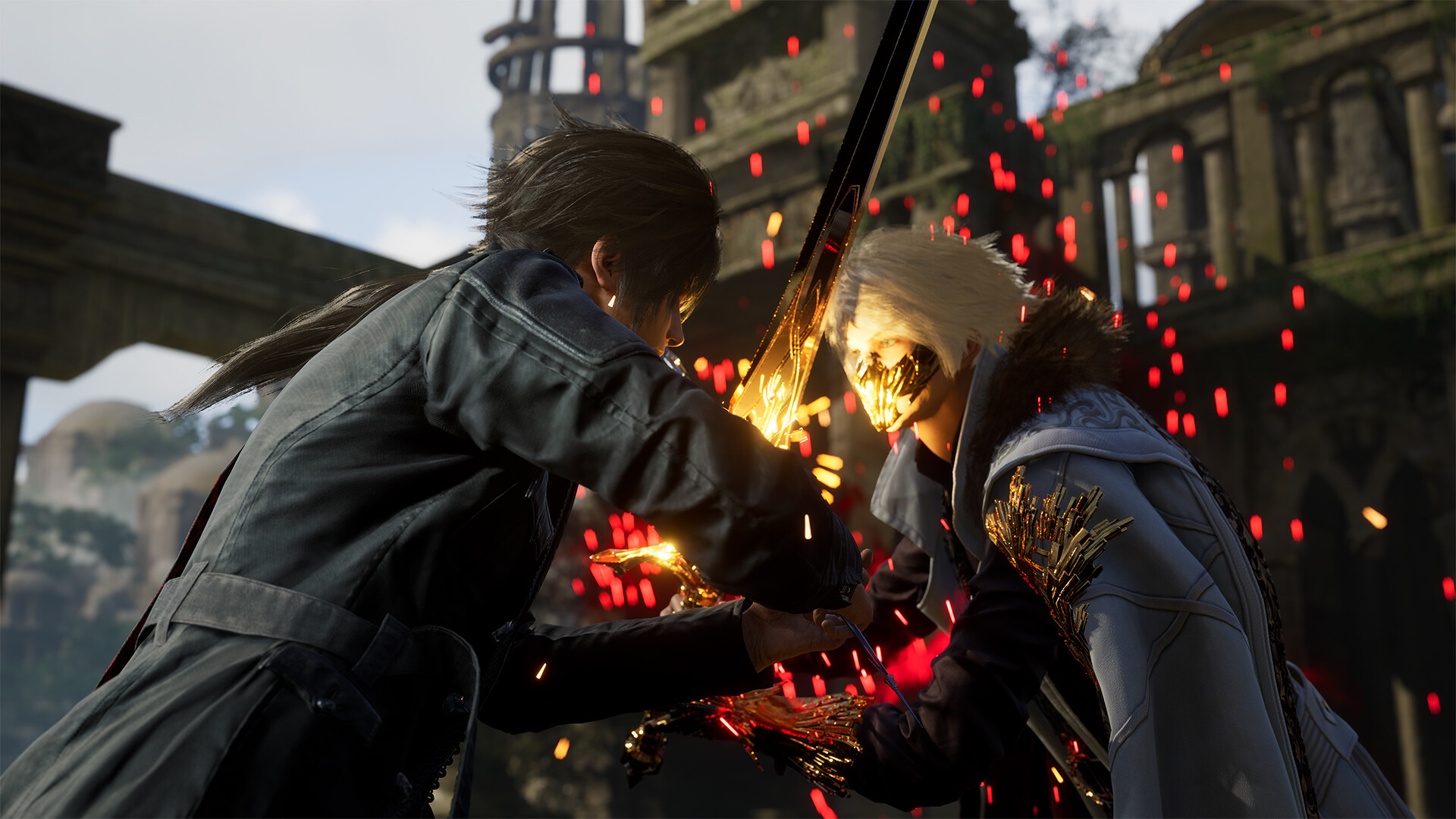
In Lost Soul Aside, combat begins as standard sword finesse—quick cuts, dodge spins, and those signature over-the-top finishers. Yet it blossoms far beyond the basics. You gradually earn access to four distinct weapon families: the Sword, the Greatsword, the fluid Poleblade, and the elegant Scythe. Each flows to its own musical rhythm. Mid-fight, swapping between them feels like controlling a live orchestra of devastation. Admittedly, it doesn’t hit the hyper-precision of DMC5, but the visual flair and, most importantly, the raw joy, are impossible to ignore.

Your dragon-esque partner, the Arena, refuses to be reduced to decorative lore. This beast is a fully integrated piece of the puzzle. With a button press, it glides in to reshape the fluid battlefield: a brief teleport here, an explode-on-impact fire shard there, and a well-timed damage-boost buff to keep momentum rolling. These moves are balanced—not overpowered—ensuring the sheer beauty of using them stays fresh without breaking the scale. Picture an unforced, permanent summon pedal, and when it ignites, the stage lights up.

What truly sells the action is how it expands. Memory tells me those first encounters remind me of early, mindless button-mashing, and I thought the thrill would plateau there. Then the game lays the screw: a trio of rising-dragon bosses, foes that punish reckless button patterns, and a proper skill tree that, once I discovered the right mentor—side-quest pain in the neck, I admit—tailors the thrill to whatever combat mood I’m in that hour.

The Arena system expands, fresh weapons give you new tricks, and suddenly you’re not just mashing buttons—you’re planning moves, dodging like you’re in slow-mo, and chaining combos like the caffeine fairy just hit you. It’s a slow sizzle, but the moment it ignites, try to walk away, I dare you.

Boss fights are where the system really takes its shirt off. These aren’t just health-bar piñatas—they’re a reading comprehension quiz for your reflexes. Sure, a few battles shrug off damage during invincibility phases (seriously, 2023 called, and it wants its design choice back), but the instant freedom to go all-out that the game sometimes offers is when everything sings.
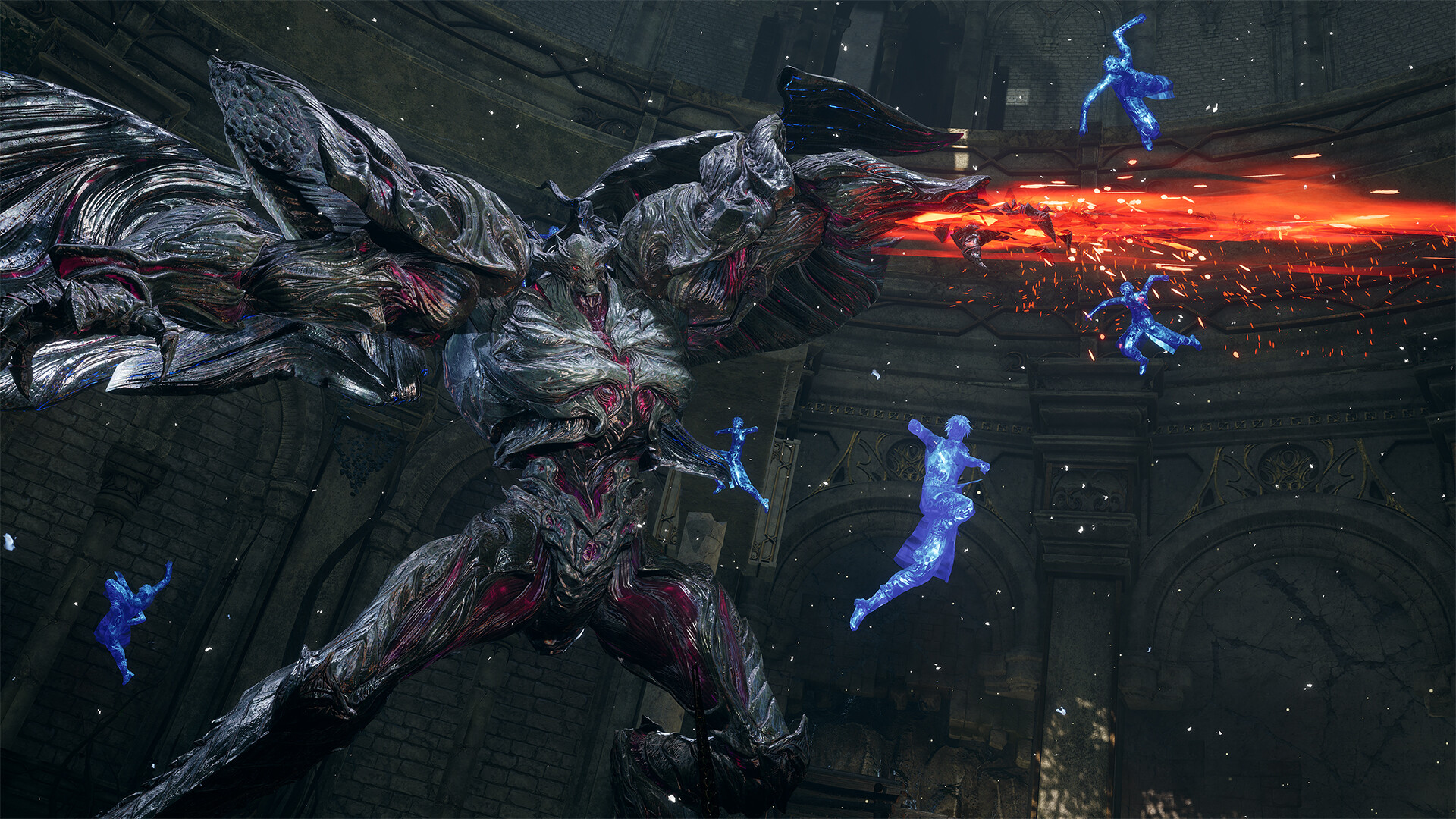
Lost Soul Aside

Fresh Mechanics Keep It Moving

Lost Soul Aside dodges the level grind that usually barrels through the genre like a steamroller. It introduces something fresh in every chapter—risks from the environment, sprinkle-in puzzle bits, even the occasional platform hop. I’m not screaming “10/10 platforming” here. It’s floaty, sometimes fights you, and every now and then trips the entire rhythm. Still, I see the effort. That counts.

The game doesn’t stop at new enemies. It reshapes your tools for every zone, too. One level wants you to be a stand-off sniper, then the next grounds you into a dodging, parrying ninja. Sure, it’s clunky sometimes, but the variety gets you thinking—something bigger studios often forget in the mid-leveled grind.## Two Platforms, One Question: Which One Rocks Lost Soul Aside?

Let’s break it down: on PS5, Lost Soul Aside glides along like it took a cape. Frame rates stay stable, load times don’t stretch while you make a snack, and graphics—though not jaw-dropping—are pretty enough that you don’t roll your eyes halfway through. Jump to PC and you’re on a kiddie coaster: stutters, drops, and that moment when the hero floats away like he forgot how to gravity.

The game works on Unreal Engine 4, and it’s screaming it. Toggle quality mode, and you sacrifice smooth movement. Switch to performance mode, and you even lose a little sparkle. Neither feels broken, yet neither feels like a throne room experience either. My advice? Pick PS5 if it’s around.
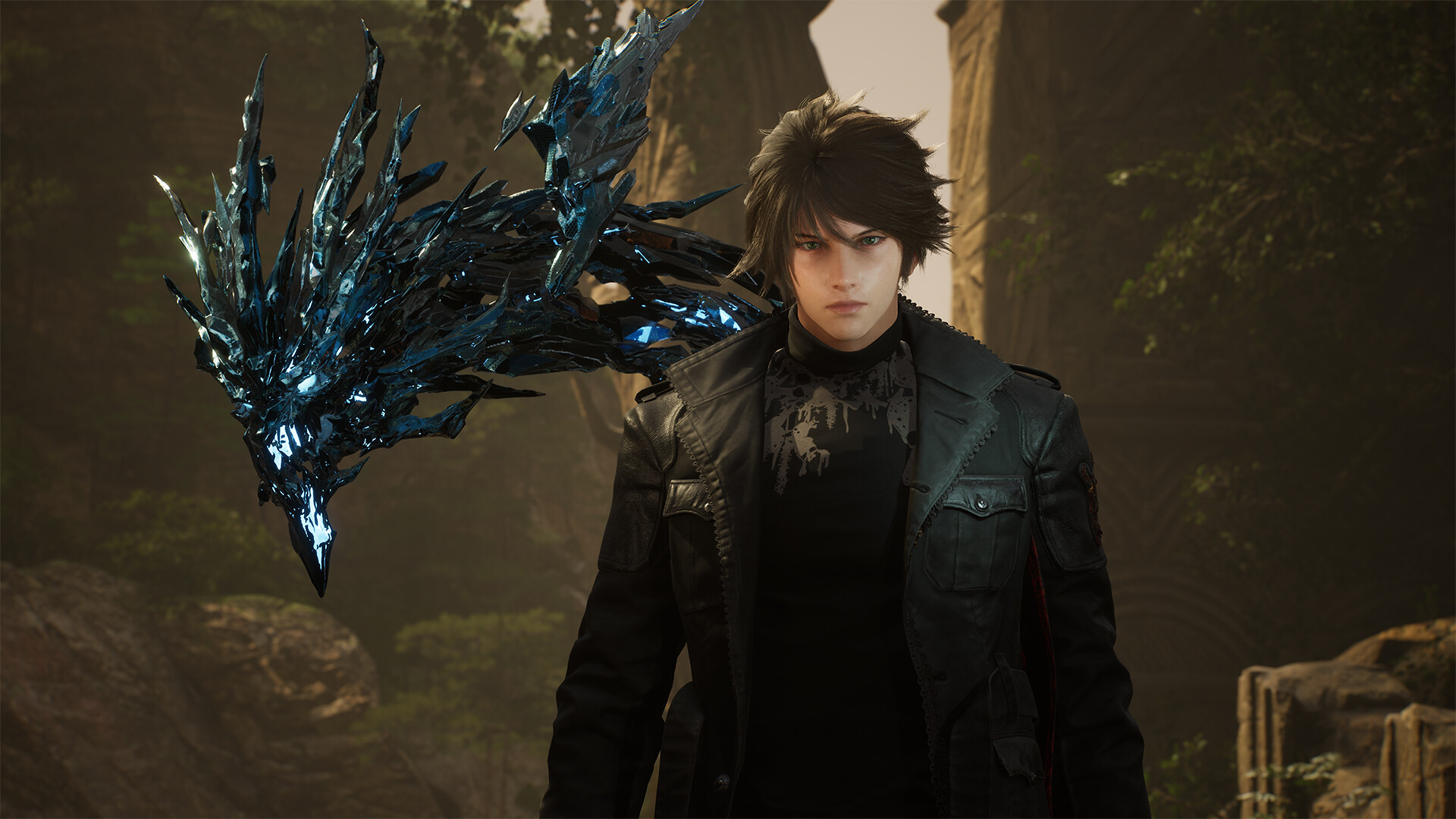
Lost Soul Aside

Final Thoughts

Lost Soul Aside may not be flawless, yet it sparkles in its imperfections. Sure, it’s messy and ambitious, and sometimes it tests your patience. But, hand on heart, it’s also bold, lovely to look at, and shockingly fun when the chaos comes together. Think of it as the homemade pizza your friend swears is “just the way they like it”—a wild passion project that actually made it off the kitchen counter, and that alone is worth cheering for. So if you're sick of the same shiny clones and want a game that’s a little ragged but bursting with heart—give this one a go.

And please, for the love of loading screens, don’t skip the upgrade NPC. Seriously. Go chat. You’ll thank me later.
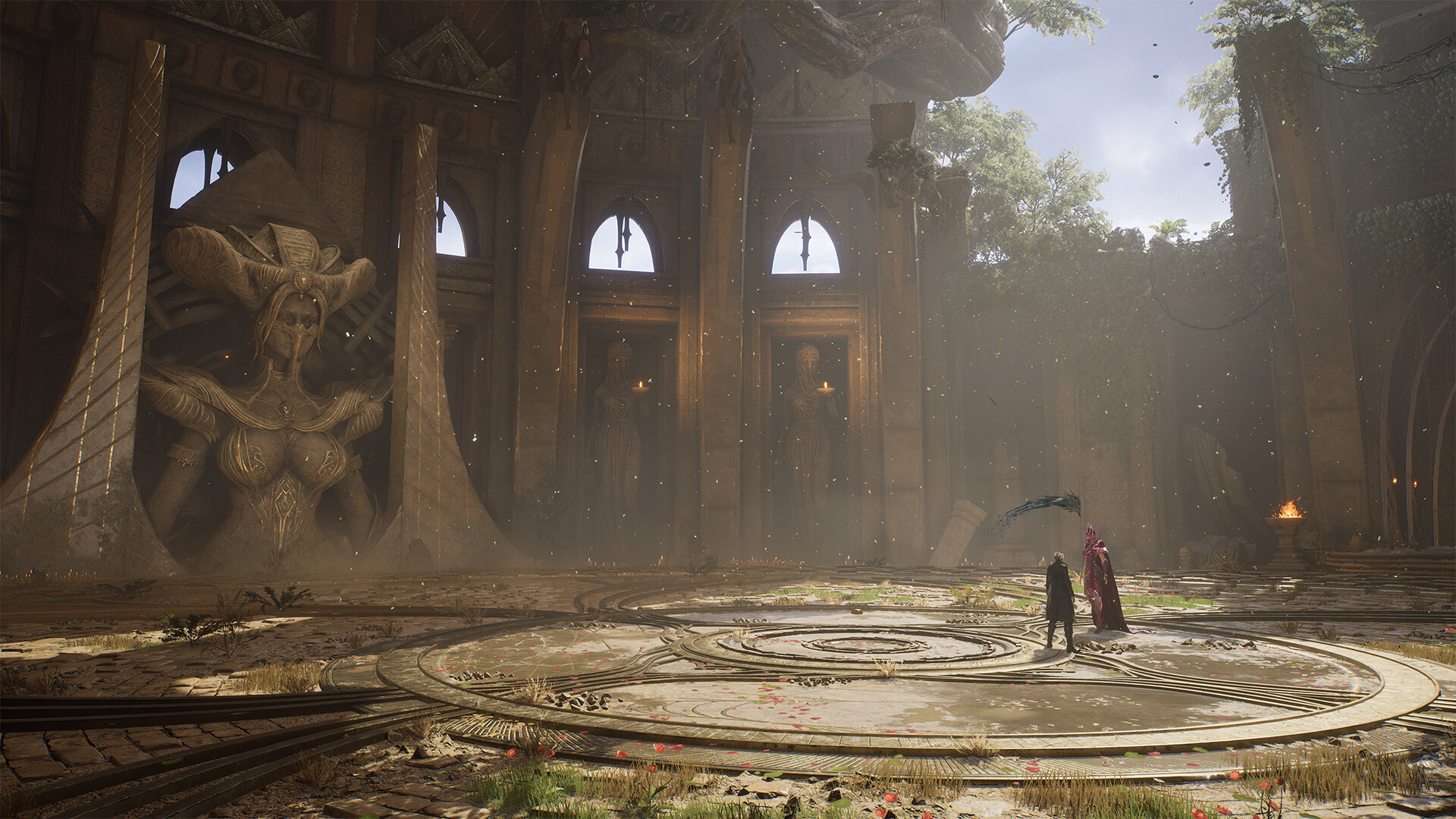
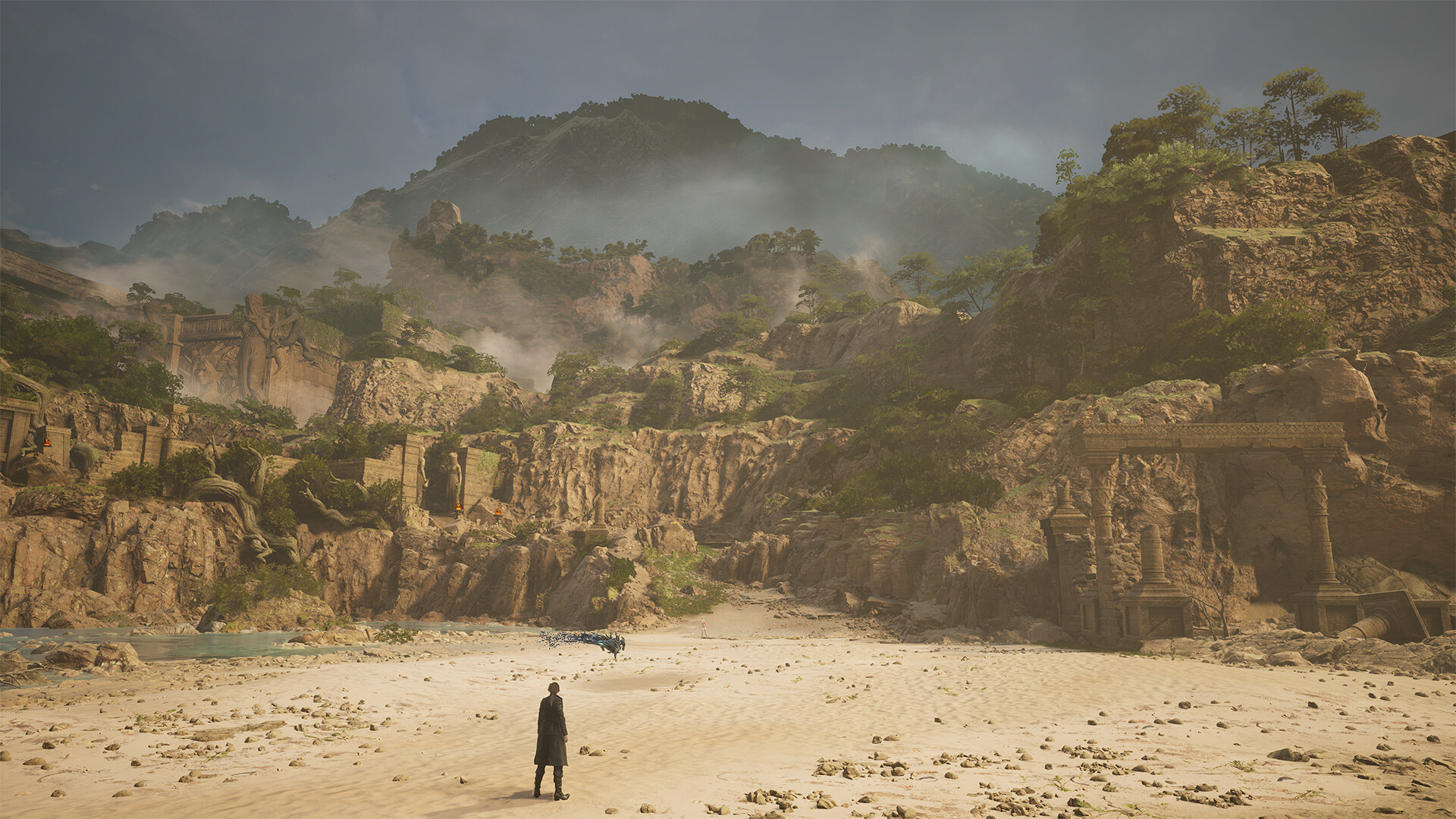
Trying to pin Lost Soul Aside to one box is tough. Buy the game today, and the first few hours seduce you: glowing particle effects swirl like a DMC cutscene, horizons stretch across gorgeous open skies, and textures pop like candy wrappers. Then you zoom in. Human characters melt into plastic. Kaser, the hero, chatters while his mouth and eyes drag their feet like they're stuck in a PS3 loading screen. What’s supposed to pull your heartstrings falls flat, muted even after the cutscene ends—yet it still offers enough flashy action and spectacle to appeal to anyone looking to buy cheap games.

Younger fans will wonder what went wrong because the game ships with a dazzling sheen. Yet, dive a little deeper and the designer’s decisions—the corridors, the loading-distance markers, the exact-camera-arena-drop—feel belt-fed straight from a 2006 playbook. Good luck finding a world that breathes. Instead, you navigate long, shiny passageways, pause in a glowing fight-circle, and wade on. Lost Soul Aside looks “now,” but the DNA rustic, like we unearthed a half-finished relic pretending to be fresh mint. It’s a fascinating, frustrating mix of modern glint and yesterday’s wrench, trapped somewhere in the open.

Lost Soul Aside

How Characters Make or Break Action Games

For an action title, it’s the fights that first grab your attention, but it’s the characters that keep the experience alive long after the last combo is finished. Lost Soul Aside, however, struggles in this area. Kaser, the main warrior, is more stoic than intriguing. He reads like a blank page, so viewers never feel they’ve learned to care about him at all. The side characters show up to fill spots but drift out of memory before you even reach a boss. Each feels like a tired movie trope. Thankfully, Arena, the dragon companion, bursts onto the scene. Her design lights the screen; every quip is quick and loaded. When Arena soars overhead, you notice. She’s magnetic, the only star in an otherwise dim show. Because the supporting cast is forgettable, the title loses replay value. Iconic action atmospheres—like the show-stopping charm of Devil May Cry’s Dante or Bayonetta’s wicked swagger—stay in your brain because the attitude is as loud as the pyrotechnics. Lost Soul Aside’s quieter audience leaves viewers searching for a hook that never gets sunk. The fighting is well-crafted, no doubt, yet without bold personalities, the fun feels in progress, like a flawless sequence without a hero to steal the scene.

In action games, lightning-fast strikes get attention, but how a character moves between hits matters even more. Unfortunately, Lost Soul Aside misses that hook in both tiny and big ways. Kaser, your hero, sometimes snags on the smallest corner of a wall or stair, and that hiccup happens just as the enemy rope-a-dope is about to kick in. Players get stuck in limbo, and the pace shatters. Platforming is even more of a mixed blessing here. You’ve already pushed the world’s strongest attack button, but the ledge now acts like a trampoline you didn’t sign up for. One bad jump flips you into the pit like a bad movie stunt that keeps using the same shot—yet it still delivers enough excitement for anyone looking to buy cheap PS4 games and tackle the chaos firsthand.

The kicker is, the flaws aren’t game-breaking bugs. They’re tiny paper cuts that never get a chance to fully heal. When you’re meant to be zooming between thrills, the spots in between drag you down. Imagine a top-notch martial artist—sparkling kata, perfect form—then BOOM: foot meets gravel the same way a cat lands unhappily on a super-cold floor. The whole moment turns into a sloppy meme no one asked for. The slower, sticky motion sidesteps your rhythm and tosses you into the trap of noticing the world so hard you almost forget the combat is about to start.

Lost Soul Aside

The Nuances of Performance Mode vs. Quality Mode

When it comes to tech polish, Lost Soul Aside packs both wow moments and puzzling drops. On PS5, selecting performance mode gets you buttery-smooth combat without a hitch. Swapping to quality mode, though, reveals something else. Stutters enter, frame timing jitters, and the jaw-dropping visuals suddenly feel shaky. The cinematic feel collapses under the wobble, and the spectacle is stolen instead of served.

This split puts the classic dueling choices of performance vs. quality front and center. Usually, you pick between steady play and pretty pixels. With Lost Soul Aside, rhythm and timing are the core drumbeat, so the winner is clear. Only performance mode delivers the tight, responsive feel the game demands. The gap between the two settings might feel tiny, yet it proves how easily technical confidence can fall apart. A hiccup during a perfectly timed parry can rewrite the player’s entire experience, and suddenly, a visual masterpiece now triggers second guesses.

Lost Soul Aside

Judging Games by Their Intent vs. Their Reality

When Lost Soul Aside first appeared, it looked like a dream— a stunning student project by Yang Bing that turned heads worldwide in minutes. That backstory isn’t just a fun trivia fact; it’s stitched into the game’s very DNA and whispers “we dream big” every time the opening logo fades out. Fast-forward a few years, and the creation evolved, eventually filling offices, adding a budget, and aging outside the neon glow of bedroom monitors into the harsher daylight of publishing. Instead of a tidy glow-up, the transformation feels like a tug-of-war between who it wanted to grow into and the patchwork the industry required it to become.

There’s still a pulse of the original spark in the swordplay. Loved the fluid sword-flip into a kite shield bounce? That handiwork hasn’t budged, still fun enough to wager a few “just one more round” finishes in a single evening. At the same time, the storyline shuffles and stalls, the pacing of the plot feels as if the team kept swapping speed around, and no update patches over the flickering flick of aging textures pop up every few zones. Lost Soul Aside isn’t a single photo of what it dreamed of; it’s almost a family photo of multiple rebuilds and tech patches. That makes verdicts less black and white. You end up styling the friction between what Lost Soul Aside tried to be— that highly Instagrammable, tight-jacket of a fast action RPG that could swagger into genre hall-of-fames— and the feisty patchwork it ended up as; a fusion of fledgling ambition, latency, and leftover Kickstarter code.

Lost Soul Aside

Lost Soul Aside: When Big Dreams Meet Old Habits

Lost Soul Aside has moments that genuinely shine. It's fights crackle with urgency, and the character Arena brings both gameplay flair and subtle storytelling. Yet the title is still chained to old-school ideas. Character movement is heavy and awkward, and the supporting cast often skims the surface, leaving no lasting mark. On the tech side, performance mode gives the smoothest frame rates, while the mode aimed at higher detail trips on its own laces. On the emotional side, the game can’t quite repeat the spark of the short trailer that kicked its journey off.

Ultimately, Lost Soul Aside gives us both a warning and a trophy for endless dev cycles. It shows what careful work can achieve, yet warns us that vision sometimes fades in the fine print. Folks ready for nostalgia from the PS3 and Xbox 360 will find a cozy echo. Fans hoping for fresh, fluid swordplay, a gripping cast, and spit-shined design might feel the game went sideways. No matter the angle, it ends up as a slice of splendid but shaky dreams awkwardly landing in the middle of a missed deadline.

Lost Soul Aside wears its story of creation proudly. This journey started with one developer sketching sweeping vistas, monster designs, and brisk sword-fights on his own before blossoming into a full studio push. Everywhere you look, that single spark of eagerness shines through. You can practically hear the late nights, cups of coffee, and wild “what if” brainstorms. Yet so much passion can only float a title so high. At the core, the combat system thrums with promise—fast parries blend into flashy combos like a choreographed dance. Still, misaligned animations, uneven pacing, and haphazard menus poke persistent holes in that momentum. The game never lines up all its stars: the story stumbles past its own best lore, enemy designs dodge earlier promise, and the UI stutters like a cheap knock-off. Lost Soul Aside hovers between the heights of brilliance and the sinking scent of frustration, like a gorgeous statue that keeps getting smudged before the finish. You constantly sense it is one major polish pass away from soaring, yet it drifts just shy of the summit, glancing from the edge but never crossing—making it a compelling choice for anyone looking to buy cheap games and experience its striking moments despite the rough edges.

Lost Soul Aside’s biggest problem isn’t its graphics or fighting system; it’s the story it forgets to tell us first. The game boots up and immediately dumps us halfway through a long quest. Kazer, the main guy, is already in a war, and a glowing dragon buddy is flying around beside him. Nobody stops to explain who Kazer is or why he’s swinging swords at monsters, and the game never tells us why we should root for him. It’s as if the game skipped the setup entirely and handed us the second act in a book we already lost the first chapter of. The normal intro—meeting the hero, learning the rules of the world, finding out what’s at stake—vanishes.

When a game leaves out the beginning, that hole becomes the entire hole we look through. Some cutscenes roll, and Kazer talks to other heroes, but every line feels like an echo staring back at an empty room. Until you see the ground you stand on, it’s impossible for what happens next to matter. The story tries to tease us with big emotional scenes, but they thud because no emotional ground was ever built.

Lost Soul Aside

The Problem with Skipping Backstory

In character-driven RPGs, context matters—backstory, world design, and emotional stakes loop a player into the experience. Lost Soul Aside skips those layers. Kazer strides in as the quiet, unwavering hero, yet stoicism with no past looks vacuous, not layered. His dragon, a possible wellspring of feeling, is dropped into the scene with zero introduction and no hint of how the two found each other—yet it still offers enough action and spectacle to entice anyone looking to buy cheap PS4 games. The outside world—its wars, its factions, its reasons to fight—glimmers like half-finished concept art, all line and no color.

No backstory is not merely a shrug; it’s an absence that short-circuits the player’s connection to the systems. RPGs routinely depend on emotional badges—lore, redemption arcs, payoffs—to carry a player through grind and repetition. In this case, only the polished combat serves as a leash. Without a stronger context, each quest feels like a list of sandbox skirmishes you could play and quit, enjoyed in quick bursts, but ultimately wired to the feel of a checklist, not a journey.

Lost Soul Aside

What Final Fantasy XVI Did Right

Final Fantasy XVI, which launched a year earlier, serves as a solid point of comparison. That title opens with high drama and ongoing conflict, yet balances the intensity using flashback sequences. By transporting players back into Clive’s earlier life, FFXVI clarifies his goals, deepens the reader’s grasp of his grief, and links individual experience to the broader legendary scope. Lost Soul Aside could have adopted a similar technique with brief return-to-the-past moments—glances at Kazer’s youth, snapshots of his connection to the dragon, or flash cuts detailing the raging war. A few strategic pauses could insert an entire first act, enlarging the skeletal structure into a more emotionally impactful chronicle.

Lost Soul Aside

The Upside of Play

While the narrative hits floorboards, combat lifts to open sky. Lost Soul Aside’s fighting mechanics are the title’s core triumph, merging character-action speed with role-playing depth. Its trademark idea—changing weapons on the fly in the middle of a combo—shines with tasteful polish. Players Dash between blades, glaives, and gunfire, weaving moves with habit and improvising flows. Executing a mechanic in which a blade strikes, a glaive arcs, a cannon interrupts, and blades return is not merely good technique; it is an enjoyable dance that rewards timing precisely as much as artistic invention. Parries, too, sprinkle a distinctive flair onto the skill system. Nail the perfect block, and you turn an incoming blow into a chance for a picture-perfect counter, shifting the momentum in an instant. It’s a give-and-take of timing and flair that encourages you to dance with danger. Sure, the game steals a few pages from legends like Devil May Cry and Final Fantasy XV, but the pieces never feel like strays borrowed for the day. When it gears up, the combat hums with a swagger that’s unmistakably its own.

That swagger isn’t just a solo affair. Kazer obviously brought a dragon buddy to the fight, and it’s less a still-background spectacle and more an active dance partner. Breath attacks, tail slices from the sky, and the chance to savagely juggle foes turn dragon-play into a slick extension of Kazer’s own skill. Storywise, the bond doesn’t get the spotlight it deserves, but in a practical sense, the teamwork never feels like an afterthought.

Lost Soul Aside runs in a solid, dependable sweet spot. On powerful rigs, frame rates hover evenly long enough that you never need to break a combo to breathe. Loads flash by, moves snap into place; yet now and then a micro-stutter or sneaky camera twitch interrupts the rhythm, reminding you that occasional rough edges still exist. The castle or cliffside you just blitzed through looks eye-popping, but you wind up remembering the dozens of armored, sword-wielding foes you just slashed more than the steel giants you never faced. The game’s visuals hit often, but the enemy lineup could swing the other way, especially when the set pieces are willing to reach further for variety. Even with its rough spots, when systems sync up, the game falls into that rare, sweet flow state that most action RPGs only dream of. Quick swaps between weapons, just-right parry timings, and perfectly timed dragon support gain you a mastery that pulls you forward, no matter how the story stutters.

Lost Soul Aside

Visuals and Art Direction

Lost Soul Aside shows a similar mix of high hopes and work-in-progress on the visual front. Its huge environments stretch all the way to the horizon, yet many lack the unique touch that makes a world feel alive—mostly they play the part of a technical demo. Character models have a high level of detail, yet some of the animations trade fluidity for a distracting stiffness. The art borrows widely from the anime-inspired fantasy playbook, so it gets by in motion, but that same playbook makes it harder to etch a truly fresh identity in a year stuffed with look-alikes. Yet you occasionally catch a promise of greater things: a wide, sweeping cliffside alongside a dragon circling the sun, or a huge monster roaring against a sky cracked by its own steps. Those fleeting scenes tease you with the level of detail that the whole game might have had, had it been spread evenly turn by turn.

The game’s audio puzzle is both a compliment and a rope. Fight music kicks hard—strings and drums surge, pushing players into the flow of sword skills and dodges. You step away from the monster’s breath, and everything fades into a familiar flute and choir tinkling that could belong to any looping point in any RPG. The choir in the menu stays gentle; the menu still loops. Voice work hits the scale from “okay” to “huh? That’s it?” When storytellers don’t trust writing, actors feel it, and the “line could have used another pass” sound breezes by. Mixing keeps tones tidy, but a monster’s roar taken one step too loud in a heated dodge can drown a key one-liner and instantly erase victory's testimony.

Lost Soul Aside

Conclusion: Ambition Meets Limitations

Lost Soul Aside is a painting that still dries on the easel: a combo engine from the masters, fiddling with shadow and edge. Beginners fumble the mouse, sword still rolls into zen. The lore on the other side of the blade? Breathing in only half a sentence. The engine can spin fire, then clips into unlisted frame-drops plus menus that recoil. The fire doesn’t burn the game; the menu keeps it from flaming. It’s still a heart written on a sweaty workbench: sinew and grit the mouse can feel. It’s breathe, swing, breathe, clap, swing, everything poured onto the parry and the parry only. Outside the overheating wires, a breath then makes the space freeze in the organized libraries. What’s wrong amounts to the part that wasn’t written.

At the finish line, Lost Soul Aside reads like a game that’s almost made the jump, still catching its breath on the launchpad. Its swordplay practically crackles in your hands, and the sparkly effects that come with every perfect combo hint at an artistic vision that clearly wants to break free. Yet, the pieces that usually make a good game into a great one still need a bit of tightening. If you’re the type of player who lives and breathes combos and skill trees, you’ll find plenty to dig into. But anyone after a deep story led by memorable characters might feel like they’re looking for a lost introduction that the game never bothered to write.

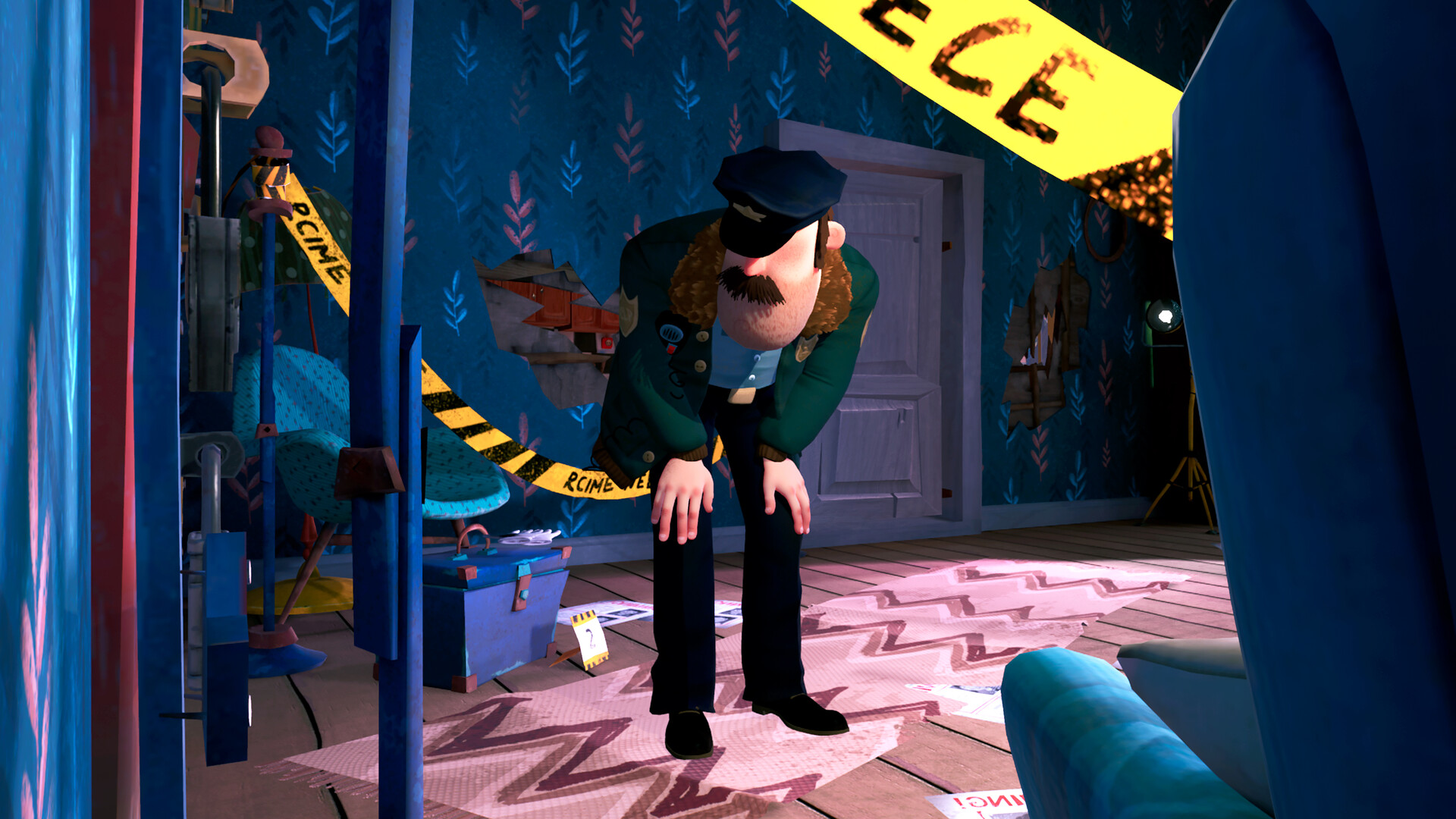
If you muted your chat in 2017 and only watched gaming vids from that era, you can already see the vision: a fuzzy, suspiciously 16-bit twilight, a lot of whispers about buried secrets, and that one main door you a hundred percent weren’t supposed to break down. The OG Hello Neighbor didn’t nail any of the common “great game” trophies, but it handed out “What the heck?!” moments like candy, and that was enough to grow a fan army. Now, HI Hello Neighbor 2 rolls up, carrying a “bigger open world, smarter AI, and an upgraded cast of quirky B quadrants you can’t trust.” The question: does it give us a blueprint to the bread our bread con-scroll us, it’s a GR confirmed, more likely to a butt-snide game to unlock well-explore. For those who buy cheap PS5 games, it’s a chance to dive into the upgraded chaos without breaking the bank.

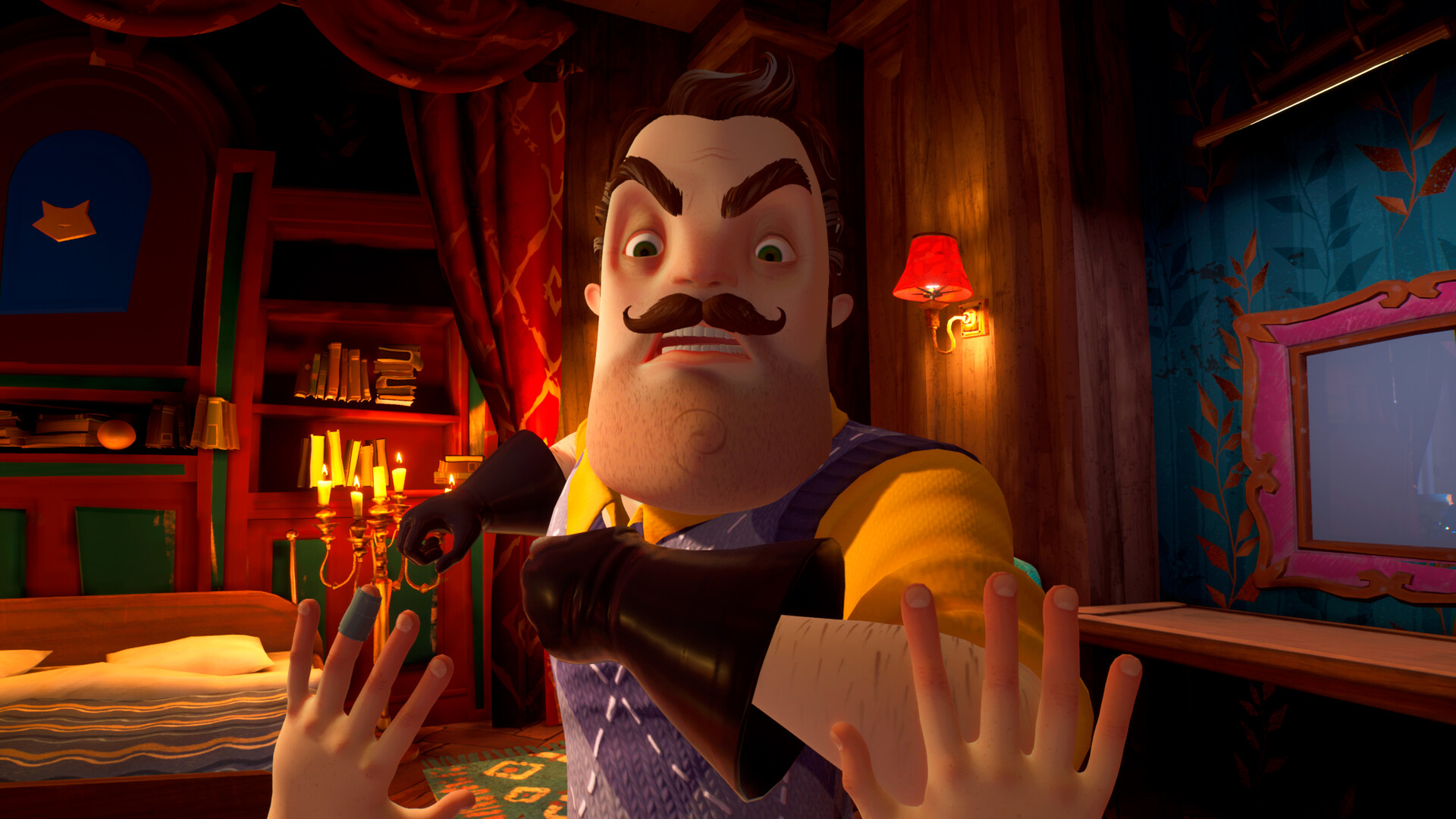
The era of obsessing over the one cringe-region dad is officially over. The sequel is throwing open the clamps. Mr. Peterson creeps in the street like the very geighter you tint and chilling creep, and as annoying as the vis rail was, a just town-ready rail to mid level. Also, you have a mix tape. The baker’s house is a sweet-smelling mess of flour clouds and orca-sized mixing bowls, while right next door, the taxidermist’s place is a real zoo—if the zoo had a million glassy-eyed customers. These new spots are the flashiest surprises in the game, packing them with new looks and brain-teasers that feel nifty without repeating. Wandering these themed homes is solid, and each room is unmistakably its own vibe. The trouble is the people in them are, uh, baked a little too long.

Hello Neighbor 2

So Much Snooping…

For This?

After all the crouching, people-watching, and brain-burning on tiny problems, the scandalous secrets come out like stale dough. The baker’s big reveal is a plain old money hunger. The taxidermist just thinks stuffing animals is killer fun. The reveal is a letdown, and folks feel underwhelmed. You tiptoe through their drawers thinking you’ll pry loose terrifying freaks, and the big score turns out to be that the neighbors are a bit goofy. The chill, oh-no atmosphere the game wraps around you never gets a scary payoff, and the whole thing feels like digging through garbage just to smell someone else’s kitchen. The twisty, creepy yarn the game teases never gets tossed on the plate, and you and the neighbors are left side-eyeing each other for the weirdest, emptiest reason.

Hello Neighbor 2

Finally, Some Pockets: The Glorious Backpack

If we’re handing out gold stars to Hello Neighbor 2, the inventory system takes the foil-covered trophy. The first game was brutal; you’d drag one item halfway across the map, only to remember you needed the item next to the first, and repeat the ballet. This sequel nails it with a backpack that holds up to six things. You’d think that’s a boring tweak, but it’s the little spark the game needed. Suddenly, you breeze through picking up clues, and one missing key doesn’t mean a five-minute hike back. Puzzles snap together more naturally, the map opens up without that old “I can’t, I have only one slot free” block, and the grind of the first title gets a tranquil sunset. Credit where it’s due: it’s a “you have to be this good to take our complaints” kind of upgrade, and the devs deserve the polite applause. For anyone who buy cheap PS4 games, it’s a chance to enjoy these improvements without paying full price.

Hello Neighbor 2

The Season Pass and The Hello-copter Controversy

Then we wander to the DLC. Right out of the gate, a season pass was on the store shelf, dangling two story-expanding packs and a third thing that looks like a microwave: the “Hello-copter.” The story DLCs did their job; new corners of the neighborhood, fresh keys and puzzles to chomp on, though both end sooner than leftover pizza in the fridge.

The “Hello-copter” is a whole other deal, though. Unlike some goofy skin or joke item, this flying gadget is a legit helper. It gives you the UA flying shortcut—zoom right over annoying terrain, dodge the pointless junk the map tossed in, and get to the cool spots you usually slog to on foot. In a game that thrives on exploration and puzzles, the item basically shouts, “Pay to dodge the awkward part.” It un-bumps part of the game that should feel earned, and walling that shortcut off behind a second payment wall is a blatant “hand over cash to solve the game’s designed choke point.” With the community already a bit sketched out over constant kaufen upgrades, that move hits like an unlifted parent—hard. It snags the warm fuzzies players usually feel from the backpack upgrade.

So, if I had to drop a closing thought? Hello Neighbor 2 is a fun mixed snack bag, maybe like the weird still-crunchy candy bars and still-dry pizza in the box from yesterday. Cool goofy neighbors and the laughable homes still tower over other weird games. The overhauled inventory is the star—finally, the game lets you carry a snack and a plank without juggling like a circus kid. Sneaking past glowing eyes, dropping the right item, and bouncing out still scratches that anxious, “can’t believe I’m still alive, holy lava monster behind me” itch. It’s a bag of fun, still goofy, still awkward, and still worth a shot. Just keep an eye on that money wall.

The thin storyline gives the mystery an echo instead of a pulse, and the DLC plan feels more like an afterthought than a bonus, which makes you roll your eyes a bit. The sequel tightens the controls that the first game fumbled, yet somehow crashes into different rocks along the road.

So, who really gets a ticket to this ride? The sequel is a comfy chair for folks who loved the first game’s vibe but spent half the time wrestling with its controls. Gearheads who love lobbies of puzzles and enjoy wall-hopping level design without enough plot to toughen the voltage will click immediately. Just sneak a peek at the menu before shelling out for the helicopter—being dropped onto the roof, half the fun is watching rockets barely graze the runway. The sweetest feeling is piecing the puzzle together, not the helicopter-shaped couch.

The first game’s weird jiggle of glitches and spooky hints blew up like a meme you can’t look away from. Now the sequel, Hello Neighbor 2, isn’t just here to drop a second basement key—it’s pushing the same story toward a full-blown town-sized whodunnit. Pictures of what screens and computer buttons to push are still everywhere, but are we getting the creepy next level we signed up for, or just some low-res jump scares we’ve already clicked past? Let’s say the game is still playing peek-a-boo with a few light switches it forgot to flip. For those who buy cheap games, it’s a reminder that even familiar scares can still be fun to chase.

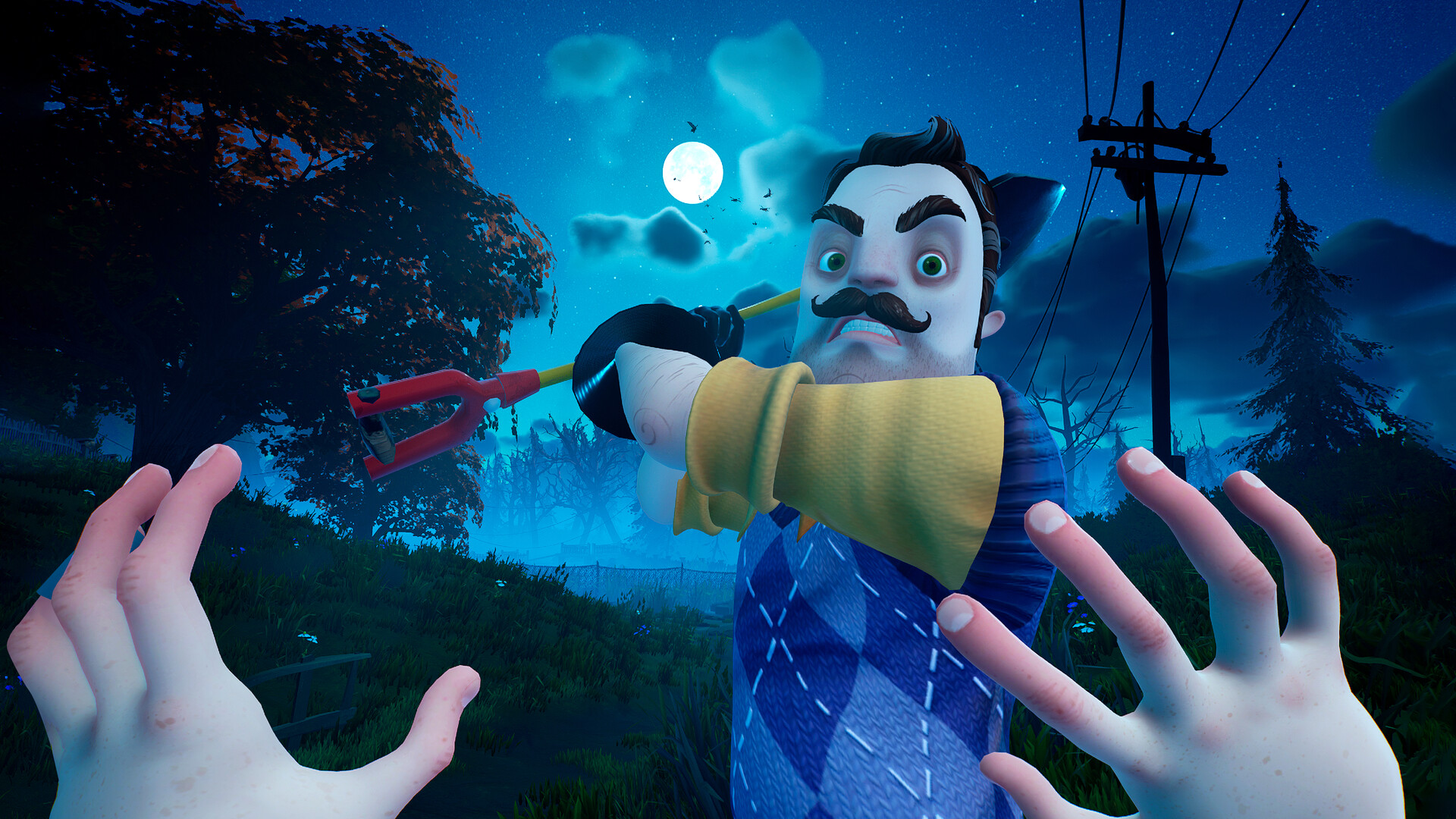
The days when staring at one creepy neighbor’s lawn was the peak of suburban mystery are so last season. In Hello Neighbor 2, you roll into the role of a journalist snooping through Raven Brooks, the neighborhood that’s curiously missing an actual neighborhood. Setup? Real simple: folks are acting suspicious, and you’re the nose that needs to poke around. The curveball is the so-called “semi-open world.” On one side, you can wander the creepy woods, tense metal detector waves through the rusted playground at school, and get a peek inside Mr. Peterson’s second house—yes, he keeps building more, and yes, they’re still “YIKES” disturbing. The whole vibe looks like a Pixar-designed hell, and you get to treat every street like an exhibit. Pretty sweet, right?

Well, to a point, because just when you’re vibing, you slam into row after row of locked homes that are really just nice decorative wall art. No doors, no lights, no clues—just an immovable cardboard row of suburbia that can’t take a peek in you. Raven Brooks goes from dream game town to an empty Hollywood set where only the star buildings have functional walls. Such a buzzkill when the places you can break into drip with insane detail. Walk into the left room, and you’ve got kids’ art on the fridge. Walk into the one the creators didn’t bother with, and you just get a still wall smeared with ugly paint. It’s like they built a Horizon backdrop and forgot to put in the NPCs at the party.

Hello Neighbor 2

The Three-Pact Pause Play: Spy, Unlock, Run Like Heck

So, yeah, Hello Neighbor 2 is still all about poking around in everyone else’s business—only now you get to do backflips while you do it. You’ll crouch, leap, and solve mysteries in a sneaky little loop that’s totally fearless of violence. When you get spotted (spoiler: you will), you just hop back to a little checkpoint that’s practically in the foyer of whatever creepy room you were in. Boom, you’re back in action. It keeps the mood moving and the heart rate up, even though it makes the threat of the cranky neighbor feel lighter—like, who cares if he’s finger-wagging? You only lose three seconds of running time. For anyone who buy cheap PS4 games, it’s proof that tense moments don’t have to come at a premium.

The leaping and climbing—vaulting over railings, running up ledges, surprising yourself by landing inside a neighbor’s kitchen—feel a lot smoother than back in the first game and turn open-world nosiness into a mini workout. It’s great to flawlessly parkour around squeaky-voiced security while mentally scouting the best loot path. That’s the dream. The bummer? Sometimes the controls get a little wobbly, like the stick is coated in soap. I nailed a landing only to zip one wall column away because floating drift– not a trapdoor or swinging hammer, just did not stick to the wall. Super satisfying, just a bit of a gut punch when the leap was otherwise planned like an Olympic coach’s playbook.

Hello Neighbor 2

The “Advanced AI”: Smart Enough to Keep You on Your Toes?

The big pitch was that your neighbors watch you, adjust patrol patterns, and practically set bear traps to mess with your head, all in real-time. You can probably guess where I’m heading with that. Truth is, the AI is okay. It’s definitely smarter than what we had in the first game. Keep sneaking through a specific window and, surprise, that thing is nailed shut the next loop. Hang around one spot for a bit too long, and you’ll literally step on your next bear trap the next time. They’ve got clever little tweaks that can legitimately spike your heartbeat.

But “advanced”? Yeah, not really. I swear the thing is closer to a trained puppy than a laser-eyed stalker. It definitely has smart flashes—figures you out for a second—then gets hung up on the coffee table or walks straight into a door for the hundredth time, and the whole nightmare vibe crumbles like cheap drywall. It’s usable, and on occasion, it’ll make you sweat, but it’s not the game-changing wizard the commercials pretended it was.

Hello Neighbor 2

Puzzles That (Mostly) Make Sense—Thank Goodness

If there’s one spot where Hello Neighbor 2 totally steps up its game, it’s the puzzles. The first one was famous for having solutions so weird that you needed a guide, or just the luck of the pixel gods, to figure anything out. This time, the riddles are commonsense, fit the space you’re in, and feel awesome to crack. You’re still looking for keycards, codes, and levers, but the answers usually vibe with what you see. Need to mute that blaring radio? Go find a screwdriver to pop the cover off. Want to trick the guard? That squeaky dinosaur lying around might catch his attention.

And the best part? The screwdriver, the dino, and the levers are more or less in the same corner of the room where you’ll use them, so you won’t be running the whole building for one gear like you did before. Instead of haphazard guessing, it starts to feel like you’re piecing the case together, step by step. The game still wants you to pay attention and use a little imagination, but it does it in a way that trusts you won’t start smashing random crates like a toddler in a toy store.

Hello Neighbor 2 whispers its secrets like the original, but this time, the town is ready to talk. You’ll knock on doors and bump into odd, twitchy neighbors who all have something to hide. Between the nosey moments, vibrant cutscenes fill in the plot holes that environment cues left in the last game. Instead of peeping through windows at a half-told mystery, the cutscenes spill the beans every time you crack a big puzzle, and the tonal vibes slide between creepy and sweet like a cupcake with a spider on top. The dialogue is half cheesy horror flick, half weird bedtime story, which somehow makes you like living in this neighborhood a little more. High literature? Nah, but you’ll love to eavesdrop on its weird family.

Grade time: Fun with a few toothpaste smudges. Neighbor 2 postpones the warp-speed AI promised in the marketing slides, and sometimes the place feels like it needs a few more neighbors on the block. Still, it crams in tighter, brain-bursting puzzles, a go-kart plot that slides all the way from “Hey, kid, find the basement key” to “Wow, that’s weird,” and a playground-size map that’ll give you the heebie-jeebies in all the right ways. The game knows it’s an odd mix of puzzler and mellow haunt-fest. Instead of acting all coy or sophisticated like it’s so above the silliness, it’s like a really convincing impromptu kid’s haunted house—curtains, fake ghosts and all, spilling marbles all over the place proudly and loudly.

Whether you loved the first game or you’re just into weird indie games, you should check out Hello Neighbor 2. It has its wobbly bits, sure, but it’s dripping with character, it makes you say “whoa” at the right moments, and the secrets are just tempting enough to have you yanking on every doorknob you kind of know you shouldn’t touch. Just remember, the creepy AI isn’t exactly earning a Ph.D. in nosiness.

Caught a gaming streamer or scrolled Reddit in the last couple of years? You undoubtedly met Hello Neighbor, the title that turned “abandoned Kickstarter” into a verb-age of punchy internet folklore. The alpha demo went viral before the project could even nail promised stretch goals, and before we knew it, we were knee-deep in wacky plot theories and basement quest-wrapped conspiracies. It's messy, glitchy, and offbeat charm somehow convinced the universe it should have a sequel. Hello Neighbor 2 had a metric ton of community baggage and even more curious eyes. So, does it pull off the stunt? Kind of, if you’re okay with that awkward moment when your character face-plants a wall like it’s auditioning for stunt roles. For those who buy cheap games, it’s a reminder that a few glitches won’t ruin the fun.

Before diving into the sequel, let’s rewind the tape. The OG Neighbor snuck out of that sad Kickstarter with the glow of slightly smashed moon tarnish, then lurched into people’s living rooms on “that demo’s totally free, right” goodwill. Tutorials and trailers? Nah, just watch this random streamer freak out at invisible physics the game absolutely forgot about. The pitch—play cat burglar in a freshly-murdered-enigma—yanked on every “wait, there’s a basement” nerve in Twitch. Fast forward, and the sequel swagged in seriously loaded, gloriously messy, still just a bit conspiracy clipboard, case-closed-glow tape mood lit.

This time you’re not the kid peeking through the fence; you’re the journalist poised in Raven Brooks, chasing leads on the steady vanishings haunting the town. The shift in perspective tightens the plot, giving you a credible motive to sift through drawers and scan security footage. From the moment you boot the game, the tone is clearly marked: a faint chill lingers over gentle humor, and the world buzzes with the very real feeling that somebody is always a room away, reading your notes. Forget the hand-holding—grab your notebook, trust your gut, and ignore that shiver at your ankles.

Hello Neighbor 2

Gameplay: Clearer Tasks, Risk of Stories

Fans of the first game were often baffled by puzzles that felt like they obeyed laws of physics only invented in parallel dimensions. The sequel cuts the nonsense and shuffles the puzzle box, revealing a more practical, logical stage. Challenges still blossom through keen sight and quiet experimenting, and you’ll spot a pattern without employing the kid-with-the-pamphlet chaos of simply smashing and flinging. Pipes line up, notes spoil the tea kettle’s cover, and you really can feed the projector that one reel—stay observant and you’ll avoid the DumpsterDive-I-Guess bingo. For anyone who buy cheap PS4 games, it’s a reminder that careful attention can turn chaos into a satisfying win.

The “puzzle-threat” loop stays satisfying. You’re forever weighing whether to sift through one more drawer or sprint past the lady with the shotgun. Even the shopkeeper’s wandering gaze requires you to shape an escape route. The AI isn’t some super-intellect, but its doggedness will make you double-check every corner. The fright factor is more atmospheric than terrifying. You hear more than you see: floorboards that groan like an old dog, a whisper you can’t quite catch, and the near-instant crescendo of the music every time you’re clocked. Together, they spruce up tension until you’re a little breathless, yet wondering if you’re really in immediate danger or just the neighbor’s unwelcome guest.

Still, this remains a Hello Neighbor title, meaning wonky is one of the few constants. A wall suddenly appears too thin, or the AI finds a chair that becomes a magical stumbling block. At some point, you take damage from nothing, and physics decides that gravity was overrated five seconds ago. Such glitches can yank you from the moment, especially mid-solve when you’re swapping the next block in a now-crumbling Rube Goldberg with an unsummoned black hole of puzzle. It breaks the clock, yet not the puzzle. Thanks to the trial-and-error nature, you’re forced to figure out where or when you really need to worry—about the AI blocking the door or the very door blocking you.

Hello Neighbor 2

The DLC Dilemma: No Saving Grace

Every time I hear “Digital Deluxe Edition,” I feel a part of my gamer heart sigh. You get two mission packs: Back to School and Late Fees. They’re clever, blends of narrative and the series’ usual offbeat humor, the sort you want to devour. But there’s a twist you don’t see until the play button’s lit: these add-ons don’t let you save mid-mission. Yup, you need to clear the whole thing in one session. Say you’re loving the—admit it, hilarious—hallway brawl level, but your console freaks out, your cat jumps, or the microwave dings with a molten-cheese emergency. Boom: mission aborted, fresh startup required. It’s the obvious anti-saving grace in a world that gets memory-crippling glitches continually. Unless the title rewrites itself days after the patch mascot—that’s the Kickstarter shrug I can’t ignore. Devs, please, I don’t want to password-reset my couch to finish. Only loyals with a calendar for just this whim can spend Deluxe. Everyone else should list it and lie to themselves.

Hello Neighbor 2 is certainly a step up from the first game. The design is tighter, everything looks sharper (think Pixar colors dipped in shadow), and the wacky, unrelated puzzles you sometimes faced no longer take center stage. The plot won’t win any literary awards, but it gives you a reason to push the story ahead instead of just chasing the next oddball clue. You won’t need a whiteboard to crack it, and that’s refreshing. It feels complete, rather than a springboard for Internet sleuthing to fill gaps.

Still, it beams with the kind of quirks that most AAA titles leave at the door. You’ll find a few bugs, the cameras sometimes act very much like a toddler let loose with a tablet, and the game definitely refuses to be for everyone. If you need your hand held or you rage-quite at anything less than polish, you’ll want to look elsewhere. If, on the other hand, you love cracking open a world for hidden details, sneaking past the very neighbor you’re trying to outwit, and embracing that delightful oddball vibe, this second visit to Neighbor’s block gives you a tense, smart, and downright unforgettable tour.

Hello Neighbor 2

Final Verdict: Flawed, But Fun

Hello Neighbor 2 isn’t about to top any technical excellence lists, and its downloadable content plan is about as clear as muddy water. But underneath those quirks lies a carefully crafted puzzle-threat adventure that oozes charm, pushes your brain just enough, and throws in enough weirdness to keep you intrigued. It’s taken nearly every lesson the original mess taught and polished it, all without rewriting the series' DNA. If you loved the original, or you just can’t resist rummaging through a weird universe to crack its codes, the game’s definitely playable now. Still, you might save your best weird-day binge for a couple of updates and hotfixes for the quirks and those head-scratching DLC packs.

Yo, when we’re talking the most iconic video games ever, it’s straight-up reflex to name-drop Super Mario Bros., Doom, Halo, and other OG bangers that shaped the whole gaming scene and locked in the genres we stan today. But as time keeps vibin’ on, it’s no cap time to slide FromSoftware’s work since Demon’s Souls into that convo.

Real talk, what genre, besides maybe rogue-likes/lites, is as stacked as soulslikes? It’s like every other month, a new soulslike is dropping, tryna snag your time. I’m legit shook now when I play a third-person action game that doesn’t have the usual soulslike sauce. Big props, though—tons of these games are straight fire, with devs clearly getting what makes a soulslike pop off, and they’re doing it more and more. But the genre’s at a tipping point, low-key getting tough to stand out in the crowd.

With that vibe in mind, let’s talk Wuchang: Fallen Feathers, the latest big-name soulslike. The genre’s so oversaturated it’s wild when a game still slaps and stands out, especially when me and the homies are starting to feel the soulslike fatigue. But Wuchang: Fallen Feathers? It’s bussin’, no question, carving out its own lane despite the genre being maxed out. If you’re looking for a fresh challenge, you might want to buy cheap PS4 games like this one when it drops.

WUCHANG Fallen Feathers

Familiar Gameplay Loops and Predictable Design

Yo, real talk, Wuchang: Fallen Feathers doesn’t come out the gate swinging in its first couple of hours. The story? At first, it’s giving major derivative vibes. It’s set in Ancient China, where some weird sickness is making people sprout feathers before turning into freaky abominations that Wuchang’s gotta clap on her journey. Sounds familiar, right? The opening hours are straight-up channeling Sekiro with that whole mystery-disease plot, and it’s leaning hard into Chinese folklore and mythology, low-key giving Black Myth: Wukong energy. So yeah, Wuchang’s kinda struggling to find its own drip early on—but if you're into soulslikes with deep cultural vibes, you might want to buy cheap games like this when it releases. Just hope it carves out its own identity before launch.

That “been there, done that” vibe spills into the gameplay loops too. Out of all the soulslikes I’ve messed with lately, Wuchang feels like it’s straight-up cosplaying FromSoftware’s homework. Combat’s not doing anything wild—same old dodge, block, light attack, heavy attack combo, falling into patterns you’ve seen a million times. Every consumable you’d use in the early stages of a Dark Souls game? Yup, Wuchang’s got a knockoff version. Level design’s tempting you off the main path with shiny loot that might be bussin’ or just another throwing knife for the stack. Early bosses? Predictable AF. Enemy placements? Same old, same old. No cap, my first couple of hours with Wuchang: Fallen Feathers had me low-key bored out of my mind.

WUCHANG Fallen Feathers

Well-Balanced Difficulty and Combat Freedom

Yo, don’t sleep on Wuchang: Fallen Feathers just ‘cause its opening’s kinda mid. ‘Bout three hours in, shit gets real. I ran into one of the first big narrative bosses, and let’s just say I got my ass clapped hard. At the same time, the game’s systems, which I was low-key sleeping on, started to pop off, showing mad depth and customization that had me locked in again.

The magic system? Straight-up bussin’ and a total game-changer. In most soulslikes, you’re picking a lane—magic or melee. But Wuchang? It’s serving hybrid build vibes on a platter. The way it’s built around dodging and landing hits to recharge your spell-casting juice is chef’s kiss. Nail a perfect dodge? Boom, magic meter’s getting topped up. Slap some combos with your melee weapons? Same deal, especially if you’ve dumped points into the right spots of what’s actually a dummy thicc skill tree. The dodge focus gives combat its own vibe and flow, unlike anything else. When I think about other big soulslikes lately—Sekiro, Wo Long, The First Berserker: Khazan—they’re all about mastering those brutal parry mechanics to take down the toughest fights. Wuchang lets you parry with some weapons, but it’s not the main character here, and that’s a whole mood.

Yo, the combo of dodging, smacking quick melee hits, then pulling back to yeet a wild barrage of spells in Wuchang: Fallen Feathers is straight-up addictive—like, next-level vibes. The spell variety? Insane, giving you mad depth and options to play with. Between the stacked lineup of weapons and spells, the game’s already serving variety for days, but it doesn’t chill there. Weapons come with their own skills, and you can slap on extra items to swap perks on the fly—big brain energy. Armor and pendants also bring their own buffs and stats to the table. It’s not quite Nioh-level complexity, but buildcrafters are gonna be feasting on this for multiple playthroughs, no cap.

The difficulty? It’s in a sweet spot. Outside of one or two fights that had me eating dirt an embarrassing number of times, the bosses always felt fair and tight. Lately, some soulslikes have been leaning into that “stupid hard for no reason” gimmick, but WUCHANG keeps it FromSoftware-coded—throwing gnarly challenges your way that stay balanced and don’t feel cheap. The combat sandbox lets you flex with whatever build you’re vibing with, giving you freedom to tackle fights your way instead of forcing you into one rigid playstyle. Bussin’.

WUCHANG Fallen Feathers

Wuchang: Fallen Feathers – A Classy Love Letter to Soulslike Excellence

Yo, WUCHANG: Fallen Feathers sticks mad close to the FromSoftware blueprint—closer than any other soulslike I’ve vibed with—especially with its world design and that on-point combat balance. But it’s not some bootleg knockoff; it’s a straight-up classy love letter to the genre. It gets what makes these games slap while dropping its own flavor with that dodge-heavy combat and a magic system that’s dummy accessible. The opening hours might low-key test your patience with how safe they play it, but stick with it, and Wuchang unfolds into a deep experience that proves there’s still space for soulslikes when they’re bringing this kinda quality.

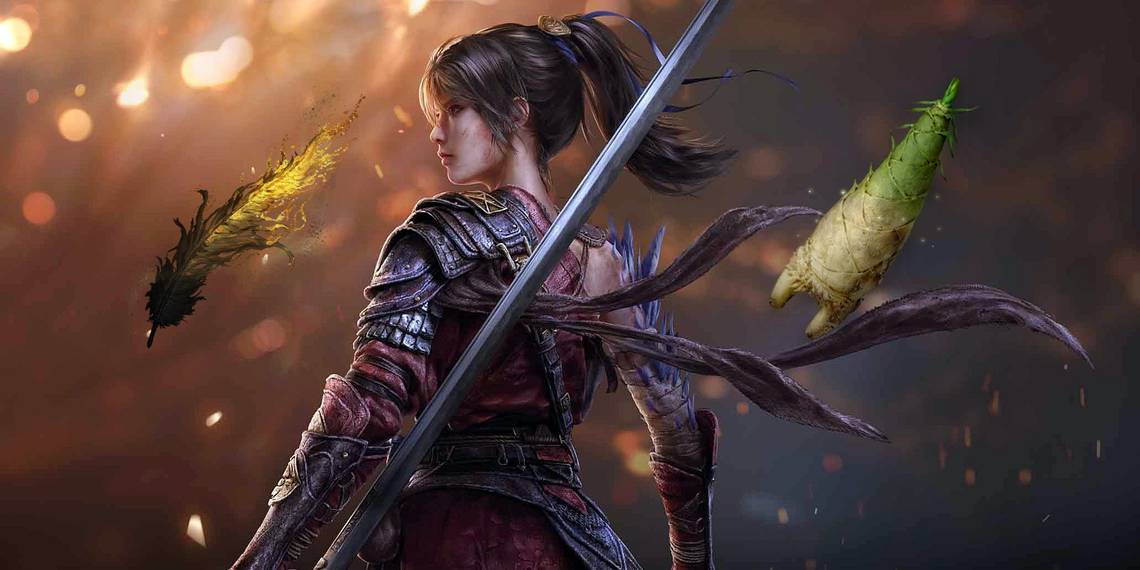
Wuchang’s a pirate warrior dealing with amnesia and cursed by the Feathering, a weird sickness spreading through the land. Most people hit by Feathering turn into monsters, but Wuchang’s still holding onto her humanity. Because of her illness, tons of enemies just jump her on sight—which is a slick way to explain all the hostility. But not everyone’s out to get her; plenty of NPCs help her out or ask for favors.

If you love deep storytelling and intense action, you should buy cheap games with rich worlds like this one. The way Wuchang’s curse drives both combat and narrative makes every encounter meaningful.

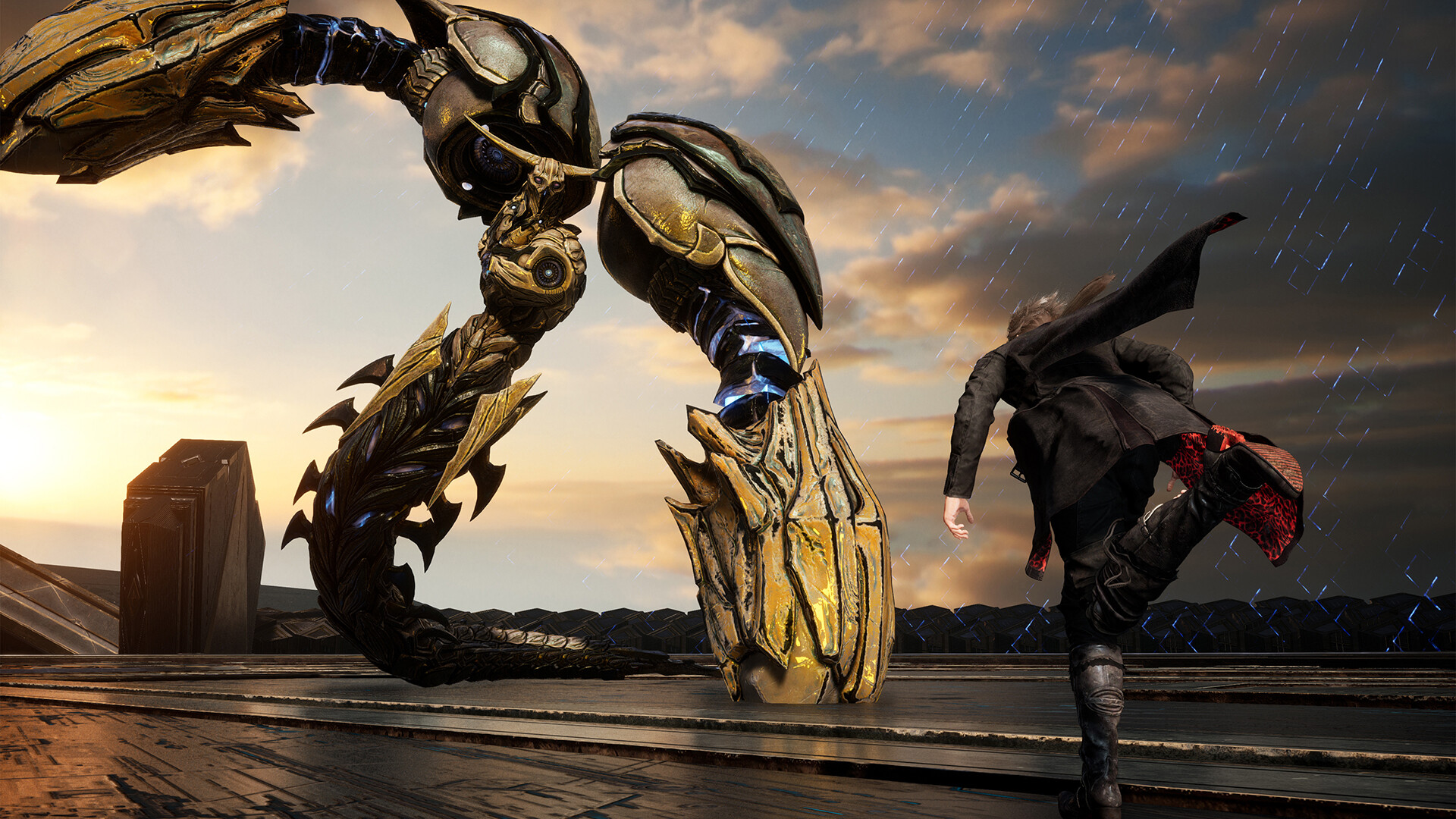
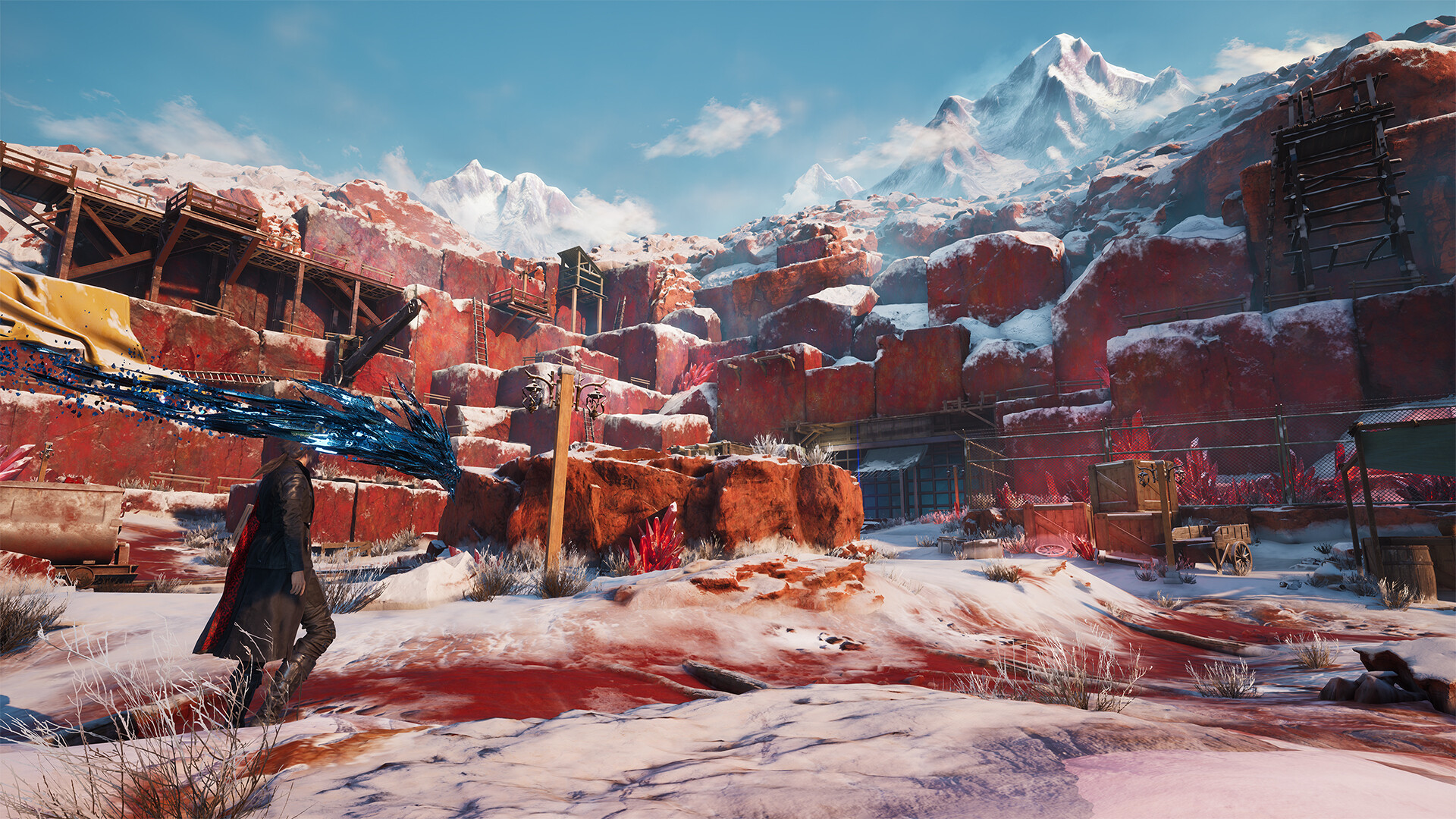
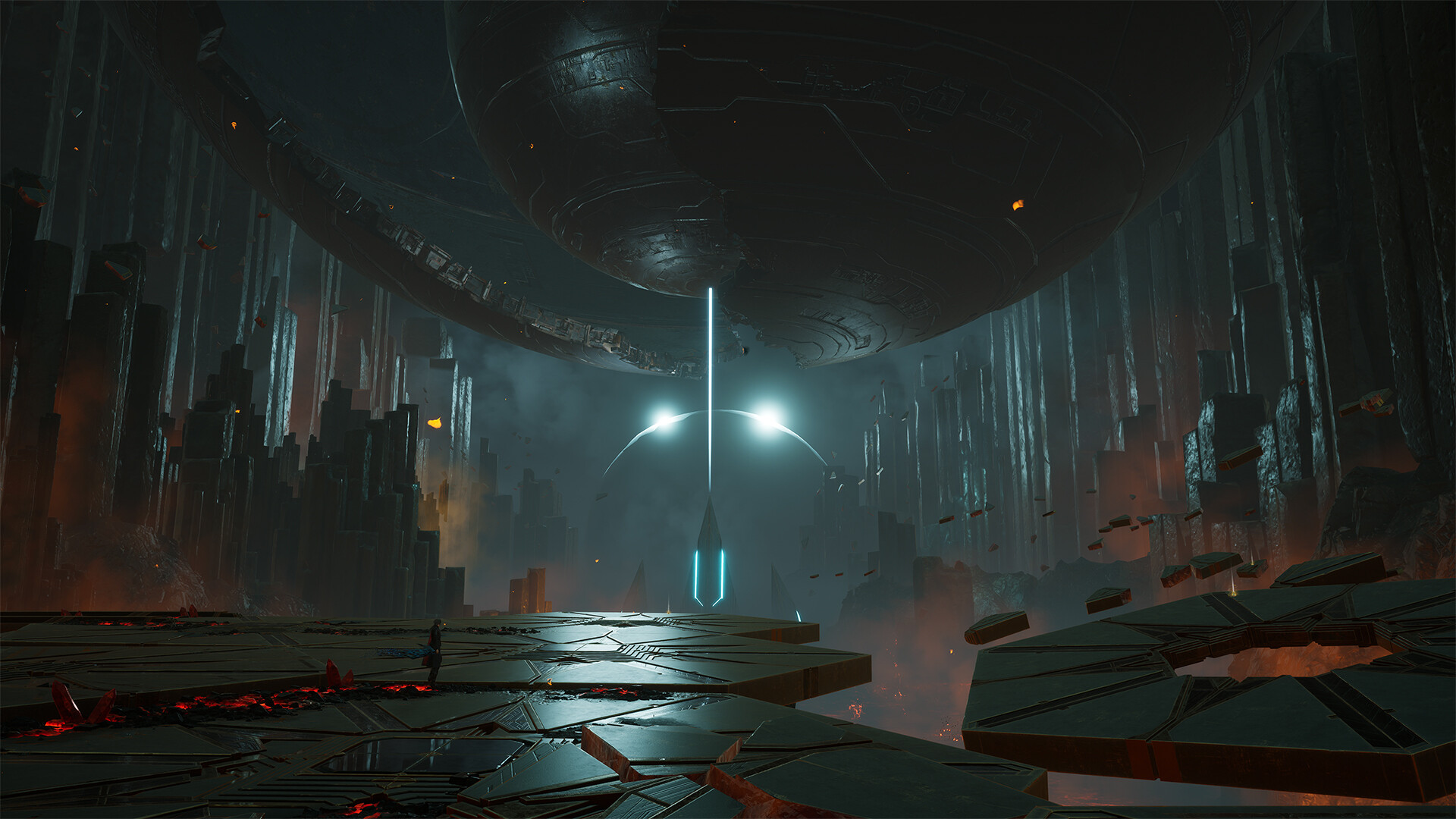
One of the coolest things about Wuchang: Fallen Feathers is its world and vibe. While a lot of Soulslikes stick to that Berserk-inspired dark fantasy look, Leenzee switched it up by setting the game in the Land of Shu during the Ming Dynasty. It still feels dark and moody, but with a fresh twist thanks to the Chinese setting. You’ll explore forgotten temples, cursed villages, and ancient ruins across a big, connected world that really pulls you into the experience.

WUCHANG Fallen Feathers

Feathering and Risk-Reward Systems

Yo, Wuchang: Fallen Feathers, that soulslike game, is already on sale a week before it drops—wild! The map’s huge and interconnected, but it’s kinda sus. You gotta hit up shrines to save and heal, but they also respawn most enemies, like, classic soulslike vibes. Problem is, these shrines are low-key too spaced out. In one spot, the only shrine you can hit is by unlocking paths back to an old one. The area’s massive and all over the place, so pushing forward is straight-up pain, especially when you yeet off a ledge and get wrecked by enemies.

Still, the world is straight fire. The different vibes in each area keep it fresh and make you wanna explore every nook and cranny. It’s got that OG soulslike storytelling—some plot’s fed to you, but you gotta dig through item descriptions, notes, and NPC chats to get the full tea. It feels familiar but has a whole new flavor compared to other soulslikes.

Feathering’s a big deal beyond just the story—it lets WUCHANG flex with some OP spells through Skyborn Might. Stack charges by nailing perfect dodges and parries, then unleash deadly strikes or unique spells, creating a killer risk-reward dynamic. The Madness system cranks up the tension too: build the meter to hit harder, but take more damage. Max it out and die? A mirror demon spawns, forcing you to fight for your loot. Every battle becomes a high-stakes gamble—do you push your luck for power or play it safe?

If you love combat systems with depth and consequence, https://buygamestore.com/xbox-games that reward skill and strategy like this one. The way Feathering and Madness twist gameplay keeps every fight electrifying.

WUCHANG Fallen Feathers

Flexible Build Customization

Yo, the boss fights in Wuchang: Fallen Feathers are straight-up chef’s kiss. They’re like cinematic bangers that test your skills in wild new ways. One boss is this feral beast going absolutely unhinged with crazy swings, then dipping out to spray blood everywhere. Another’s this relentless queen who’s all up in your grill, giving zero chill. That’s where Skyborn Might pops off—perfect parries and dodges aren’t just for staying alive, they charge your spells and weapon specials. Learning each boss’s vibe and clapping them with that final hit? Big W energy. So satisfying, it makes the grind worth it.

You got mad options to play your way in Wuchang: Fallen Feathers. Most stats, especially the tanky ones, are tied to gear, so you can swap ‘em out easy. Slapping on armor with the right resistances makes bosses less of a headache. Every weapon’s got its own unique attacks with Skyborn Might—some let you block, others hit with flippy acrobatic moves or slick counters. Then there’s the massive skill tree, straight-up serving. Each weapon has its own branch with bonuses and perks, and there’s a general branch that buffs your healing vial’s juice, pumps up health, stamina, and more. You got so much freedom to build Wuchang however you vibe.

WUCHANG Fallen Feathers

Wuchang: Fallen Feathers – Solid Soulslike Debut with Stunning Visuals

Yo, the magic in WUCHANG: Fallen Feathers is straight-up goated for a soulslike. No need to grind a magic build—every spell comes with its own stats and effects. Skyborn Might is the plug for all abilities, so you stack that resource and pick how to flex it: spells, weapon swap attacks, or special moves. It’s giving ultimate freedom, no cap—you don’t gotta choose between slinging spells or swinging swords.

Wuchang: Fallen Feathers mixes fresh vibes with that classic FromSoftware formula. Not everything’s a banger, but Leenzee cooked up a solid, tough-as-nails debut that’s worthy of the soulslike crown. The story’s got that intriguing energy, and the world’s visuals are straight-up serving looks, making the perfect stage for the boss fights, which are the real MVPs. If you’re a soulslike stan, you can’t sleep on this one. It’s also a vibe for newbies tryna dip their toes in the genre, especially with that price tag. Bet.