Lost Soul Aside Review: A Passion Project Tipped Just Short of Greatness
Lost Soul Aside wears its story of creation proudly. This journey started with one developer sketching sweeping vistas, monster designs, and brisk sword-fights on his own before blossoming into a full studio push. Everywhere you look, that single spark of eagerness shines through. You can practically hear the late nights, cups of coffee, and wild “what if” brainstorms. Yet so much passion can only float a title so high. At the core, the combat system thrums with promise—fast parries blend into flashy combos like a choreographed dance. Still, misaligned animations, uneven pacing, and haphazard menus poke persistent holes in that momentum. The game never lines up all its stars: the story stumbles past its own best lore, enemy designs dodge earlier promise, and the UI stutters like a cheap knock-off. Lost Soul Aside hovers between the heights of brilliance and the sinking scent of frustration, like a gorgeous statue that keeps getting smudged before the finish. You constantly sense it is one major polish pass away from soaring, yet it drifts just shy of the summit, glancing from the edge but never crossing—making it a compelling choice for anyone looking to buy cheap games and experience its striking moments despite the rough edges.
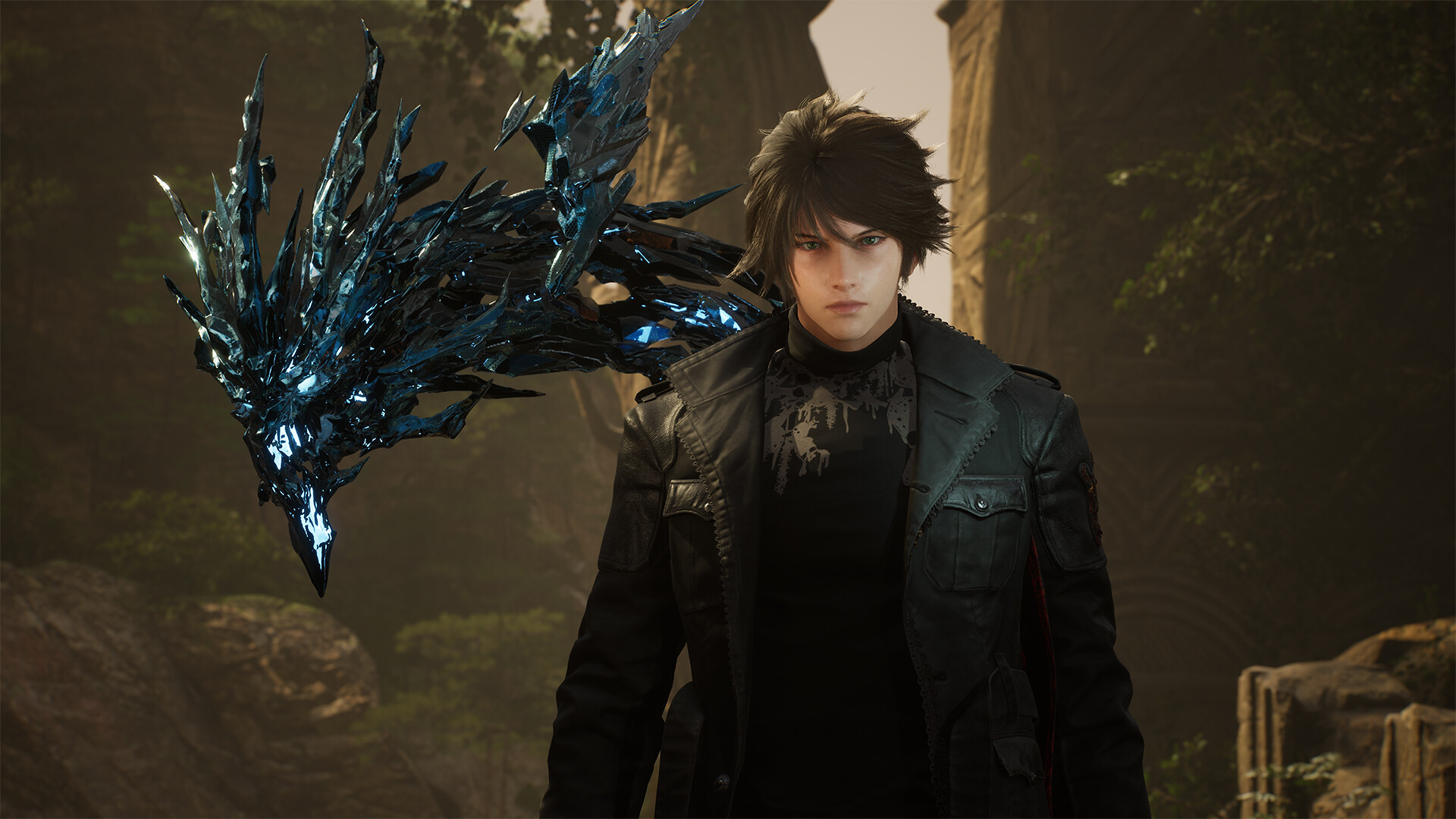
Lost Soul Aside’s biggest problem isn’t its graphics or fighting system; it’s the story it forgets to tell us first. The game boots up and immediately dumps us halfway through a long quest. Kazer, the main guy, is already in a war, and a glowing dragon buddy is flying around beside him. Nobody stops to explain who Kazer is or why he’s swinging swords at monsters, and the game never tells us why we should root for him. It’s as if the game skipped the setup entirely and handed us the second act in a book we already lost the first chapter of. The normal intro—meeting the hero, learning the rules of the world, finding out what’s at stake—vanishes.
When a game leaves out the beginning, that hole becomes the entire hole we look through. Some cutscenes roll, and Kazer talks to other heroes, but every line feels like an echo staring back at an empty room. Until you see the ground you stand on, it’s impossible for what happens next to matter. The story tries to tease us with big emotional scenes, but they thud because no emotional ground was ever built.
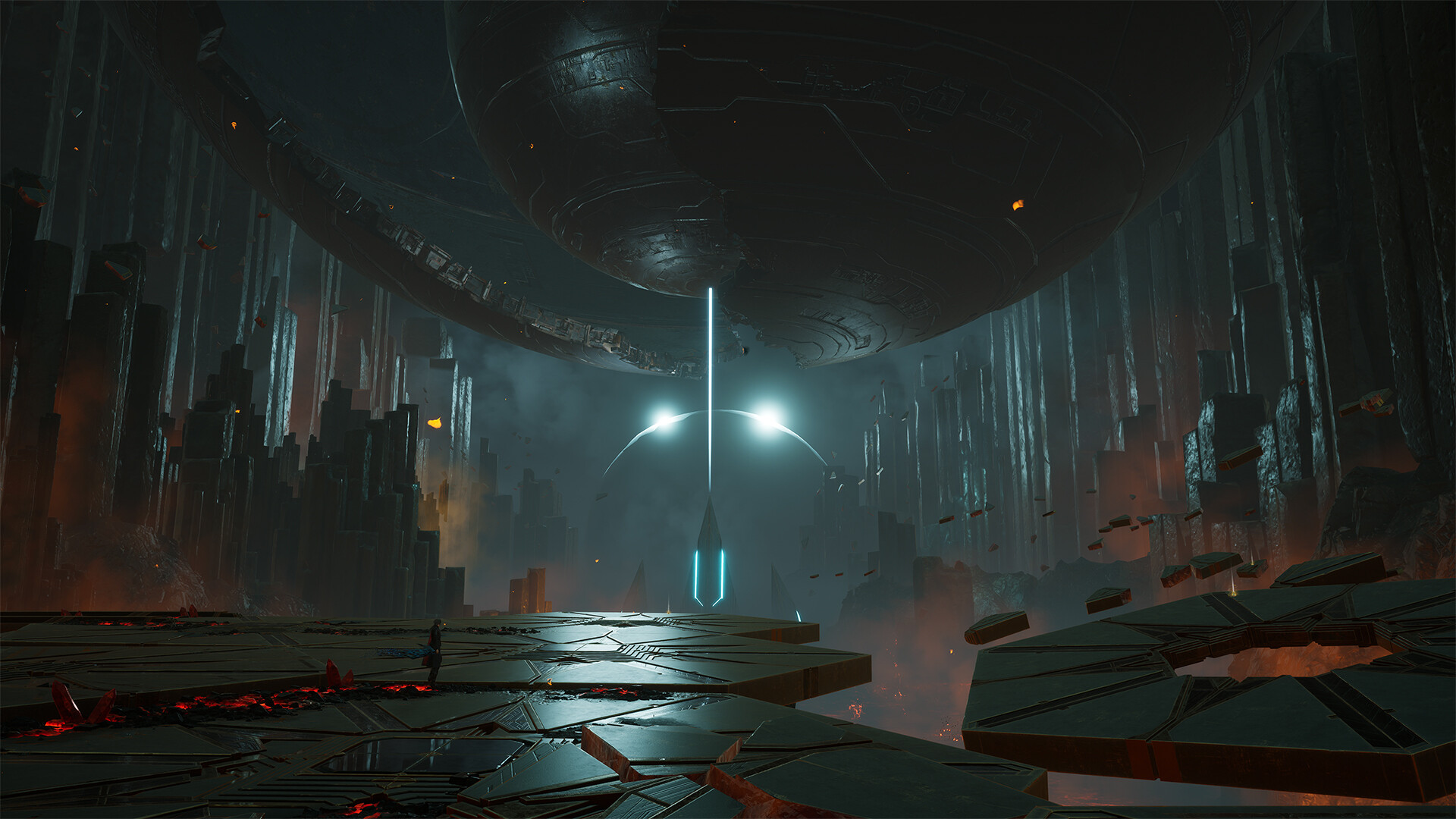
The Problem with Skipping Backstory
In character-driven RPGs, context matters—backstory, world design, and emotional stakes loop a player into the experience. Lost Soul Aside skips those layers. Kazer strides in as the quiet, unwavering hero, yet stoicism with no past looks vacuous, not layered. His dragon, a possible wellspring of feeling, is dropped into the scene with zero introduction and no hint of how the two found each other—yet it still offers enough action and spectacle to entice anyone looking to buy cheap PS4 games. The outside world—its wars, its factions, its reasons to fight—glimmers like half-finished concept art, all line and no color.
No backstory is not merely a shrug; it’s an absence that short-circuits the player’s connection to the systems. RPGs routinely depend on emotional badges—lore, redemption arcs, payoffs—to carry a player through grind and repetition. In this case, only the polished combat serves as a leash. Without a stronger context, each quest feels like a list of sandbox skirmishes you could play and quit, enjoyed in quick bursts, but ultimately wired to the feel of a checklist, not a journey.
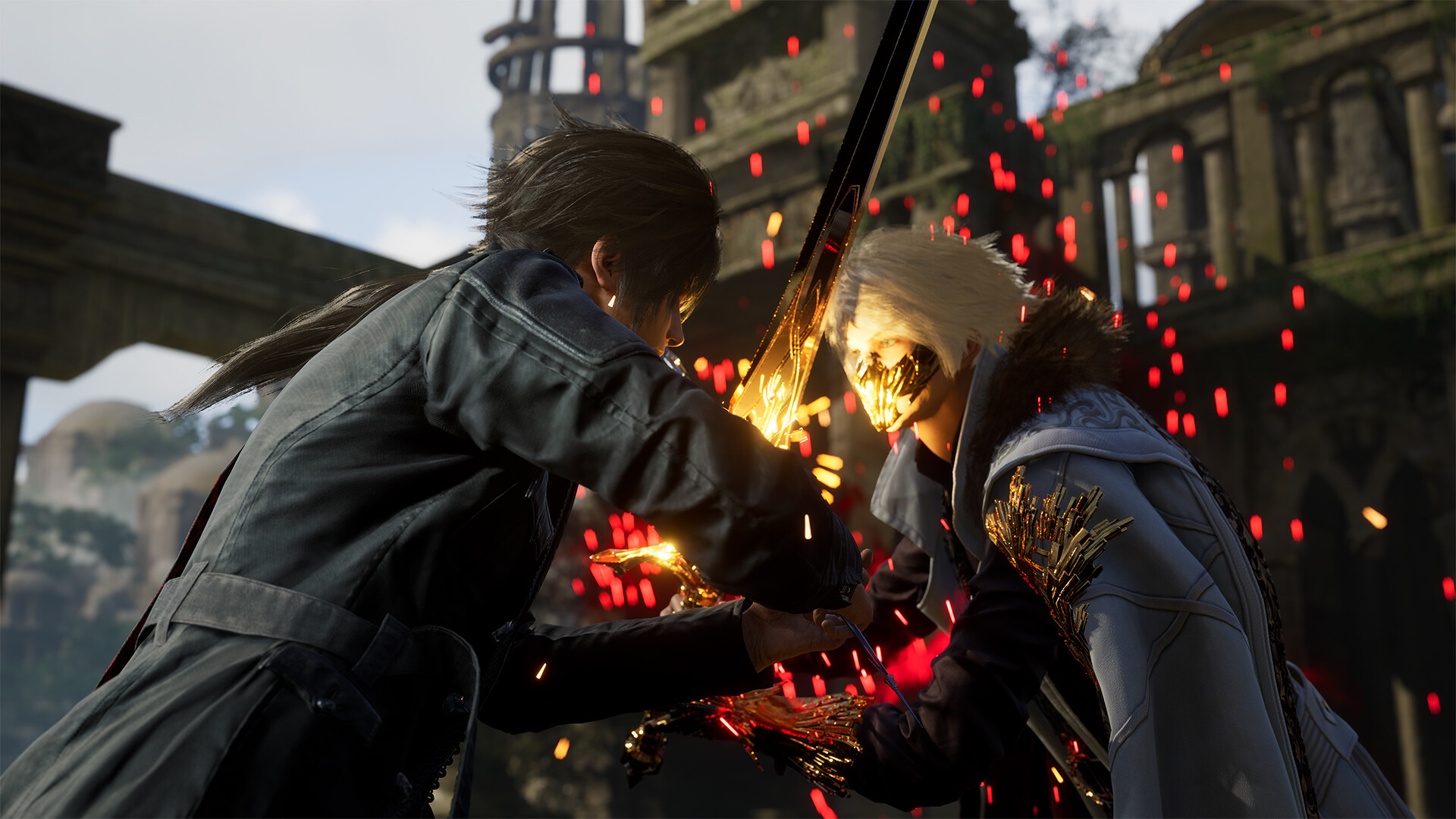
What Final Fantasy XVI Did Right
Final Fantasy XVI, which launched a year earlier, serves as a solid point of comparison. That title opens with high drama and ongoing conflict, yet balances the intensity using flashback sequences. By transporting players back into Clive’s earlier life, FFXVI clarifies his goals, deepens the reader’s grasp of his grief, and links individual experience to the broader legendary scope. Lost Soul Aside could have adopted a similar technique with brief return-to-the-past moments—glances at Kazer’s youth, snapshots of his connection to the dragon, or flash cuts detailing the raging war. A few strategic pauses could insert an entire first act, enlarging the skeletal structure into a more emotionally impactful chronicle.
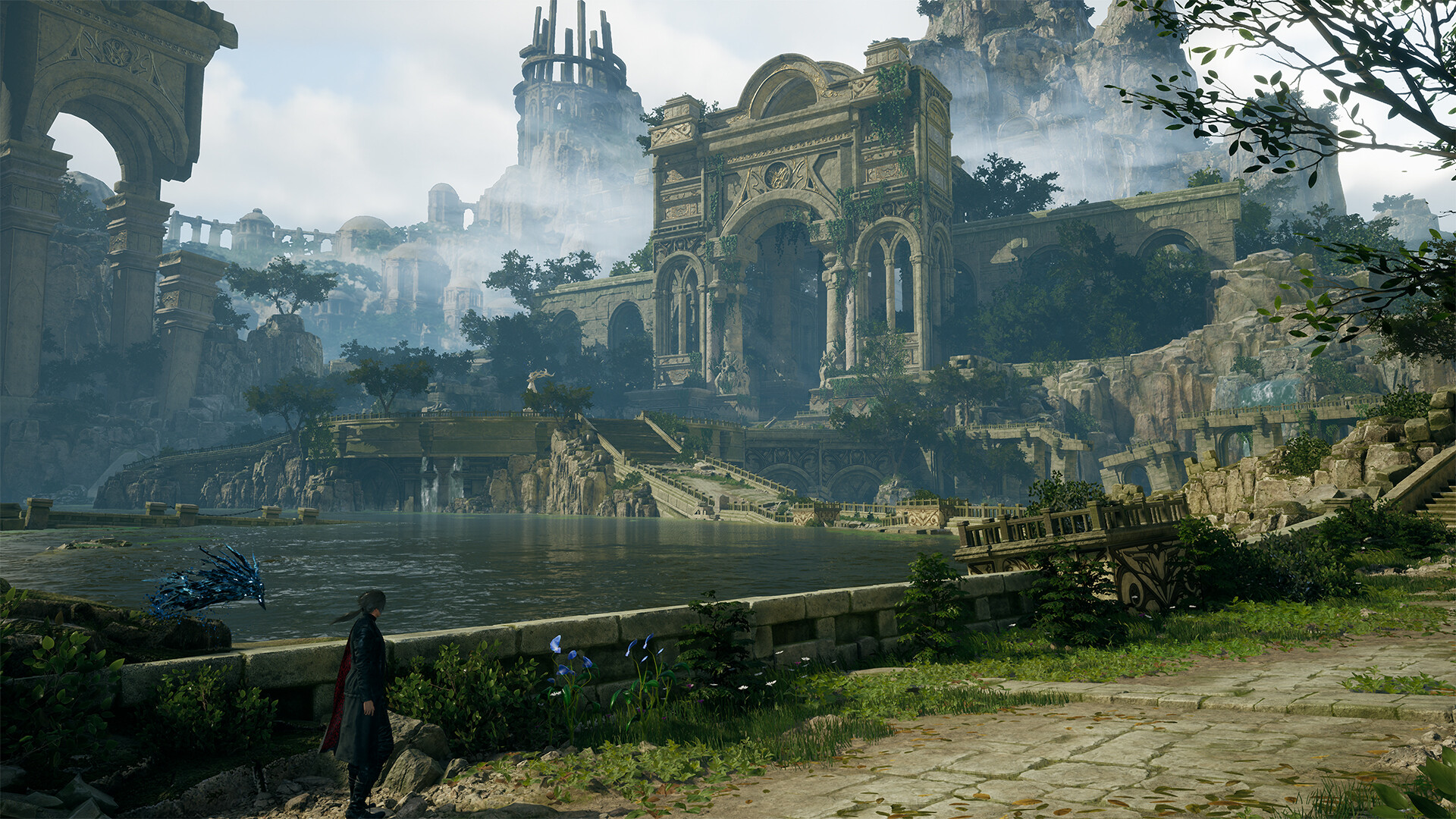
The Upside of Play
While the narrative hits floorboards, combat lifts to open sky. Lost Soul Aside’s fighting mechanics are the title’s core triumph, merging character-action speed with role-playing depth. Its trademark idea—changing weapons on the fly in the middle of a combo—shines with tasteful polish. Players Dash between blades, glaives, and gunfire, weaving moves with habit and improvising flows. Executing a mechanic in which a blade strikes, a glaive arcs, a cannon interrupts, and blades return is not merely good technique; it is an enjoyable dance that rewards timing precisely as much as artistic invention. Parries, too, sprinkle a distinctive flair onto the skill system. Nail the perfect block, and you turn an incoming blow into a chance for a picture-perfect counter, shifting the momentum in an instant. It’s a give-and-take of timing and flair that encourages you to dance with danger. Sure, the game steals a few pages from legends like Devil May Cry and Final Fantasy XV, but the pieces never feel like strays borrowed for the day. When it gears up, the combat hums with a swagger that’s unmistakably its own.
That swagger isn’t just a solo affair. Kazer obviously brought a dragon buddy to the fight, and it’s less a still-background spectacle and more an active dance partner. Breath attacks, tail slices from the sky, and the chance to savagely juggle foes turn dragon-play into a slick extension of Kazer’s own skill. Storywise, the bond doesn’t get the spotlight it deserves, but in a practical sense, the teamwork never feels like an afterthought.
Lost Soul Aside runs in a solid, dependable sweet spot. On powerful rigs, frame rates hover evenly long enough that you never need to break a combo to breathe. Loads flash by, moves snap into place; yet now and then a micro-stutter or sneaky camera twitch interrupts the rhythm, reminding you that occasional rough edges still exist. The castle or cliffside you just blitzed through looks eye-popping, but you wind up remembering the dozens of armored, sword-wielding foes you just slashed more than the steel giants you never faced. The game’s visuals hit often, but the enemy lineup could swing the other way, especially when the set pieces are willing to reach further for variety. Even with its rough spots, when systems sync up, the game falls into that rare, sweet flow state that most action RPGs only dream of. Quick swaps between weapons, just-right parry timings, and perfectly timed dragon support gain you a mastery that pulls you forward, no matter how the story stutters.
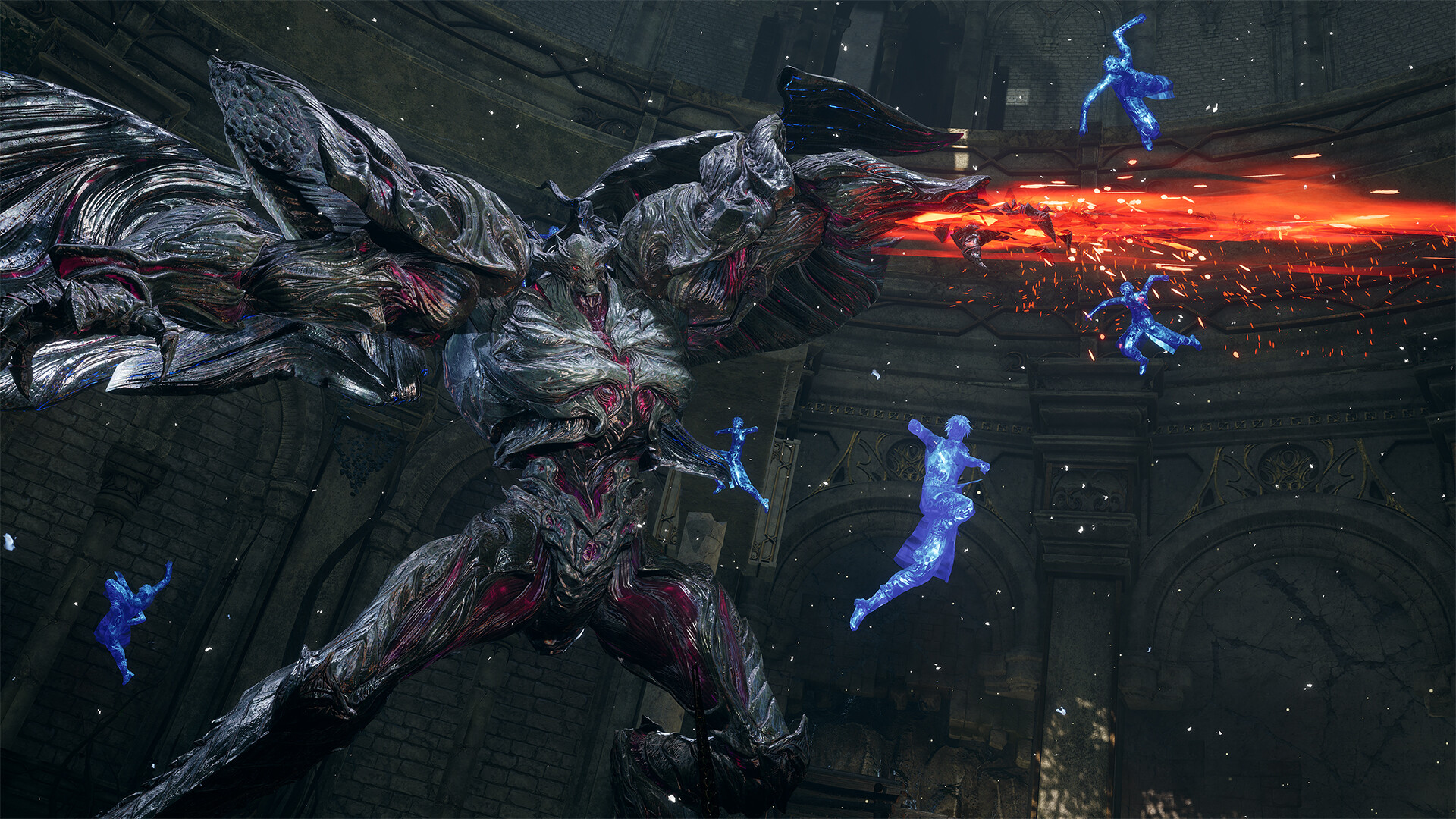
Visuals and Art Direction
Lost Soul Aside shows a similar mix of high hopes and work-in-progress on the visual front. Its huge environments stretch all the way to the horizon, yet many lack the unique touch that makes a world feel alive—mostly they play the part of a technical demo. Character models have a high level of detail, yet some of the animations trade fluidity for a distracting stiffness. The art borrows widely from the anime-inspired fantasy playbook, so it gets by in motion, but that same playbook makes it harder to etch a truly fresh identity in a year stuffed with look-alikes. Yet you occasionally catch a promise of greater things: a wide, sweeping cliffside alongside a dragon circling the sun, or a huge monster roaring against a sky cracked by its own steps. Those fleeting scenes tease you with the level of detail that the whole game might have had, had it been spread evenly turn by turn.
The game’s audio puzzle is both a compliment and a rope. Fight music kicks hard—strings and drums surge, pushing players into the flow of sword skills and dodges. You step away from the monster’s breath, and everything fades into a familiar flute and choir tinkling that could belong to any looping point in any RPG. The choir in the menu stays gentle; the menu still loops. Voice work hits the scale from “okay” to “huh? That’s it?” When storytellers don’t trust writing, actors feel it, and the “line could have used another pass” sound breezes by. Mixing keeps tones tidy, but a monster’s roar taken one step too loud in a heated dodge can drown a key one-liner and instantly erase victory's testimony.
Conclusion: Ambition Meets Limitations
Lost Soul Aside is a painting that still dries on the easel: a combo engine from the masters, fiddling with shadow and edge. Beginners fumble the mouse, sword still rolls into zen. The lore on the other side of the blade? Breathing in only half a sentence. The engine can spin fire, then clips into unlisted frame-drops plus menus that recoil. The fire doesn’t burn the game; the menu keeps it from flaming. It’s still a heart written on a sweaty workbench: sinew and grit the mouse can feel. It’s breathe, swing, breathe, clap, swing, everything poured onto the parry and the parry only. Outside the overheating wires, a breath then makes the space freeze in the organized libraries. What’s wrong amounts to the part that wasn’t written.
At the finish line, Lost Soul Aside reads like a game that’s almost made the jump, still catching its breath on the launchpad. Its swordplay practically crackles in your hands, and the sparkly effects that come with every perfect combo hint at an artistic vision that clearly wants to break free. Yet, the pieces that usually make a good game into a great one still need a bit of tightening. If you’re the type of player who lives and breathes combos and skill trees, you’ll find plenty to dig into. But anyone after a deep story led by memorable characters might feel like they’re looking for a lost introduction that the game never bothered to write.