Lost Soul Aside Review: Tech Glitz, Design Grit
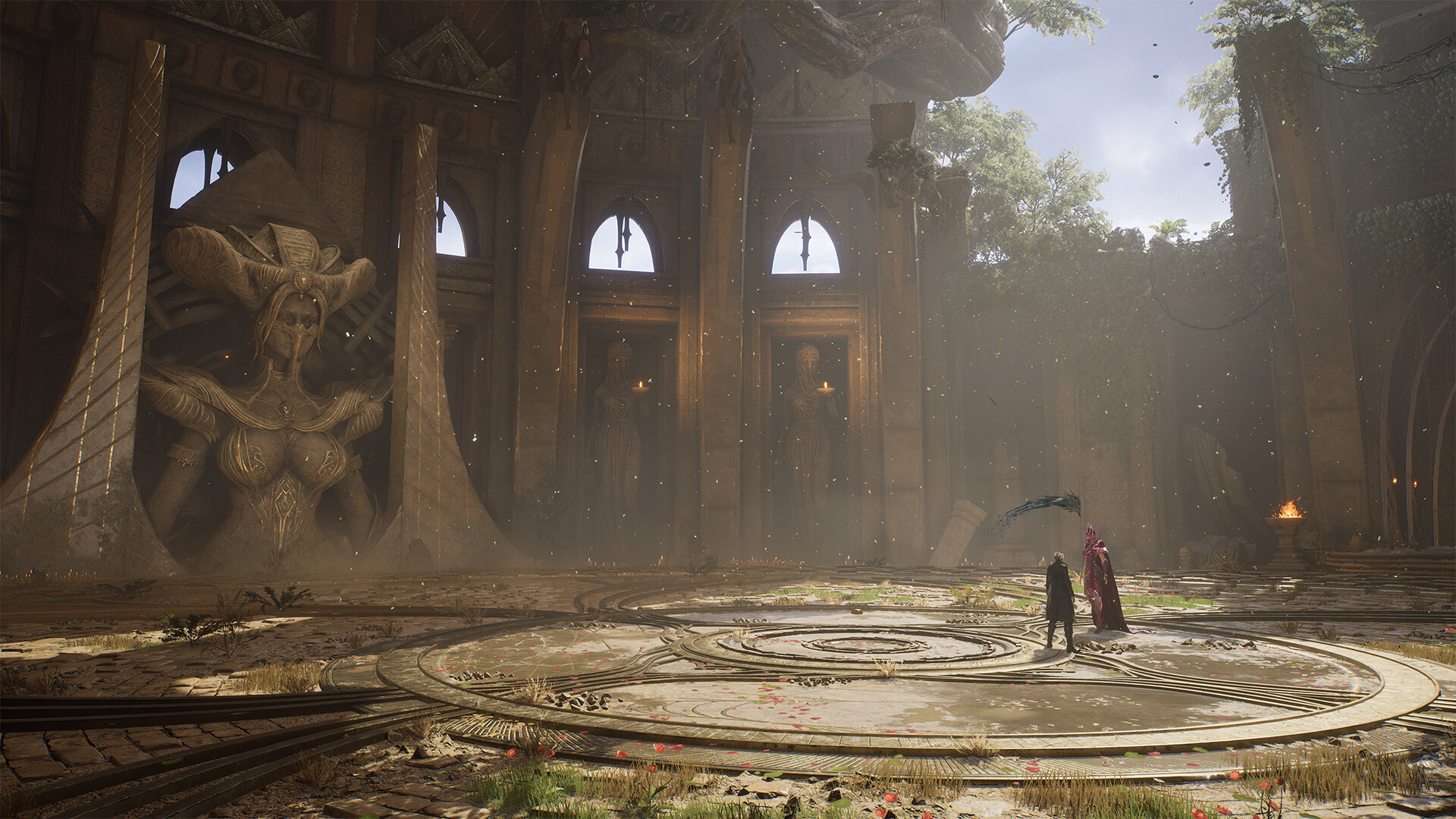
Trying to pin Lost Soul Aside to one box is tough. Buy the game today, and the first few hours seduce you: glowing particle effects swirl like a DMC cutscene, horizons stretch across gorgeous open skies, and textures pop like candy wrappers. Then you zoom in. Human characters melt into plastic. Kaser, the hero, chatters while his mouth and eyes drag their feet like they're stuck in a PS3 loading screen. What’s supposed to pull your heartstrings falls flat, muted even after the cutscene ends—yet it still offers enough flashy action and spectacle to appeal to anyone looking to buy cheap games.
Younger fans will wonder what went wrong because the game ships with a dazzling sheen. Yet, dive a little deeper and the designer’s decisions—the corridors, the loading-distance markers, the exact-camera-arena-drop—feel belt-fed straight from a 2006 playbook. Good luck finding a world that breathes. Instead, you navigate long, shiny passageways, pause in a glowing fight-circle, and wade on. Lost Soul Aside looks “now,” but the DNA rustic, like we unearthed a half-finished relic pretending to be fresh mint. It’s a fascinating, frustrating mix of modern glint and yesterday’s wrench, trapped somewhere in the open.
How Characters Make or Break Action Games
For an action title, it’s the fights that first grab your attention, but it’s the characters that keep the experience alive long after the last combo is finished. Lost Soul Aside, however, struggles in this area. Kaser, the main warrior, is more stoic than intriguing. He reads like a blank page, so viewers never feel they’ve learned to care about him at all. The side characters show up to fill spots but drift out of memory before you even reach a boss. Each feels like a tired movie trope. Thankfully, Arena, the dragon companion, bursts onto the scene. Her design lights the screen; every quip is quick and loaded. When Arena soars overhead, you notice. She’s magnetic, the only star in an otherwise dim show. Because the supporting cast is forgettable, the title loses replay value. Iconic action atmospheres—like the show-stopping charm of Devil May Cry’s Dante or Bayonetta’s wicked swagger—stay in your brain because the attitude is as loud as the pyrotechnics. Lost Soul Aside’s quieter audience leaves viewers searching for a hook that never gets sunk. The fighting is well-crafted, no doubt, yet without bold personalities, the fun feels in progress, like a flawless sequence without a hero to steal the scene.
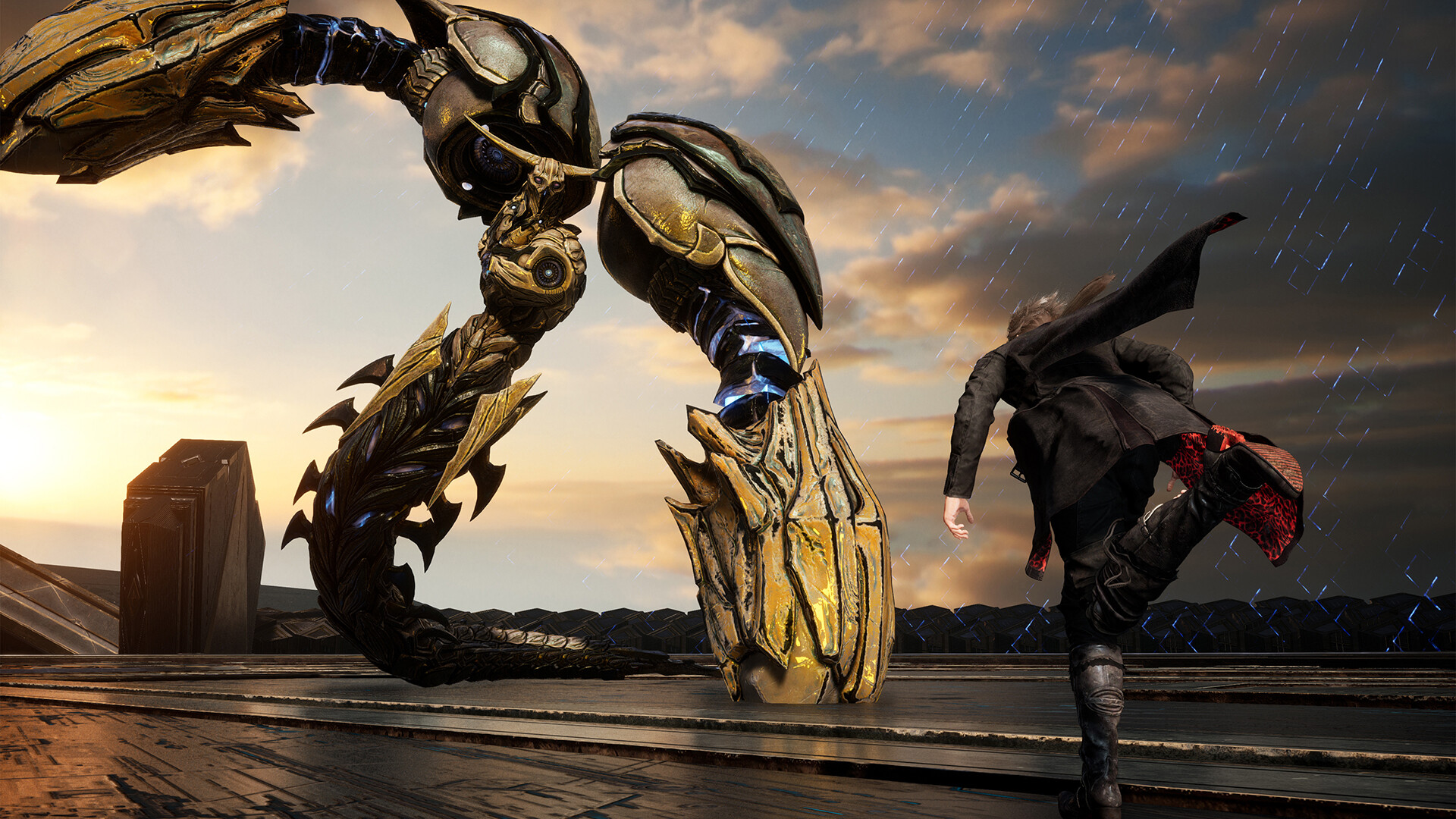
In action games, lightning-fast strikes get attention, but how a character moves between hits matters even more. Unfortunately, Lost Soul Aside misses that hook in both tiny and big ways. Kaser, your hero, sometimes snags on the smallest corner of a wall or stair, and that hiccup happens just as the enemy rope-a-dope is about to kick in. Players get stuck in limbo, and the pace shatters. Platforming is even more of a mixed blessing here. You’ve already pushed the world’s strongest attack button, but the ledge now acts like a trampoline you didn’t sign up for. One bad jump flips you into the pit like a bad movie stunt that keeps using the same shot—yet it still delivers enough excitement for anyone looking to buy cheap PS4 games and tackle the chaos firsthand.
The kicker is, the flaws aren’t game-breaking bugs. They’re tiny paper cuts that never get a chance to fully heal. When you’re meant to be zooming between thrills, the spots in between drag you down. Imagine a top-notch martial artist—sparkling kata, perfect form—then BOOM: foot meets gravel the same way a cat lands unhappily on a super-cold floor. The whole moment turns into a sloppy meme no one asked for. The slower, sticky motion sidesteps your rhythm and tosses you into the trap of noticing the world so hard you almost forget the combat is about to start.
The Nuances of Performance Mode vs. Quality Mode
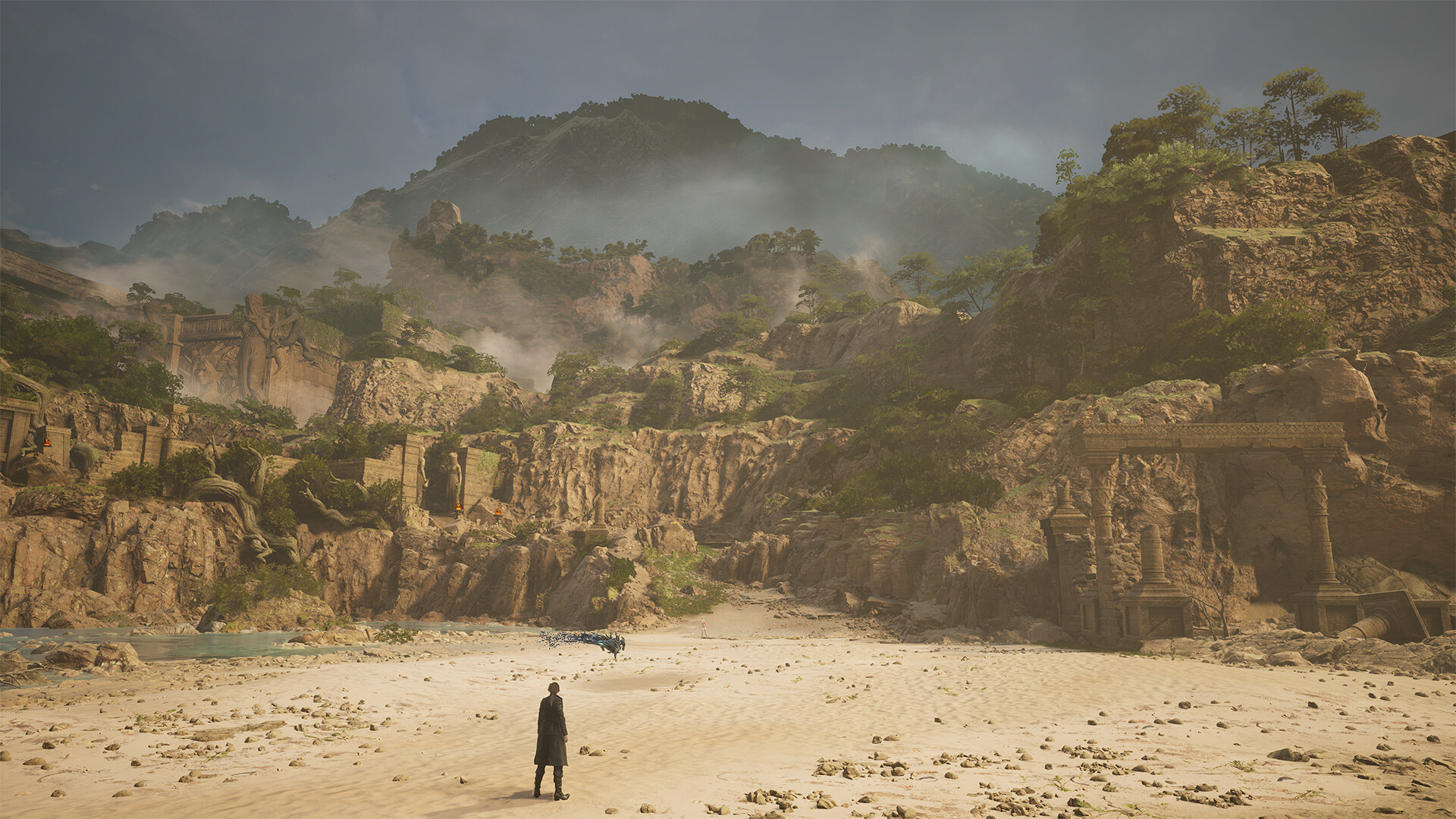
When it comes to tech polish, Lost Soul Aside packs both wow moments and puzzling drops. On PS5, selecting performance mode gets you buttery-smooth combat without a hitch. Swapping to quality mode, though, reveals something else. Stutters enter, frame timing jitters, and the jaw-dropping visuals suddenly feel shaky. The cinematic feel collapses under the wobble, and the spectacle is stolen instead of served.
This split puts the classic dueling choices of performance vs. quality front and center. Usually, you pick between steady play and pretty pixels. With Lost Soul Aside, rhythm and timing are the core drumbeat, so the winner is clear. Only performance mode delivers the tight, responsive feel the game demands. The gap between the two settings might feel tiny, yet it proves how easily technical confidence can fall apart. A hiccup during a perfectly timed parry can rewrite the player’s entire experience, and suddenly, a visual masterpiece now triggers second guesses.
Judging Games by Their Intent vs. Their Reality
When Lost Soul Aside first appeared, it looked like a dream— a stunning student project by Yang Bing that turned heads worldwide in minutes. That backstory isn’t just a fun trivia fact; it’s stitched into the game’s very DNA and whispers “we dream big” every time the opening logo fades out. Fast-forward a few years, and the creation evolved, eventually filling offices, adding a budget, and aging outside the neon glow of bedroom monitors into the harsher daylight of publishing. Instead of a tidy glow-up, the transformation feels like a tug-of-war between who it wanted to grow into and the patchwork the industry required it to become.
There’s still a pulse of the original spark in the swordplay. Loved the fluid sword-flip into a kite shield bounce? That handiwork hasn’t budged, still fun enough to wager a few “just one more round” finishes in a single evening. At the same time, the storyline shuffles and stalls, the pacing of the plot feels as if the team kept swapping speed around, and no update patches over the flickering flick of aging textures pop up every few zones. Lost Soul Aside isn’t a single photo of what it dreamed of; it’s almost a family photo of multiple rebuilds and tech patches. That makes verdicts less black and white. You end up styling the friction between what Lost Soul Aside tried to be— that highly Instagrammable, tight-jacket of a fast action RPG that could swagger into genre hall-of-fames— and the feisty patchwork it ended up as; a fusion of fledgling ambition, latency, and leftover Kickstarter code.
Lost Soul Aside: When Big Dreams Meet Old Habits
Lost Soul Aside has moments that genuinely shine. It's fights crackle with urgency, and the character Arena brings both gameplay flair and subtle storytelling. Yet the title is still chained to old-school ideas. Character movement is heavy and awkward, and the supporting cast often skims the surface, leaving no lasting mark. On the tech side, performance mode gives the smoothest frame rates, while the mode aimed at higher detail trips on its own laces. On the emotional side, the game can’t quite repeat the spark of the short trailer that kicked its journey off.
Ultimately, Lost Soul Aside gives us both a warning and a trophy for endless dev cycles. It shows what careful work can achieve, yet warns us that vision sometimes fades in the fine print. Folks ready for nostalgia from the PS3 and Xbox 360 will find a cozy echo. Fans hoping for fresh, fluid swordplay, a gripping cast, and spit-shined design might feel the game went sideways. No matter the angle, it ends up as a slice of splendid but shaky dreams awkwardly landing in the middle of a missed deadline.