Lost Soul Aside: A Passion Project That Punches Above Its Weight
Let’s face it—when a game spends nearly a decade in the oven, and it started as a solo gig, opinions usually swing between “future classic” and “smoke and mirrors.” Lost Soul Aside, the creation of Yang Bing, definitely belongs in that zone. What kicked off as a one-guy love letter to Final Fantasy Versus XIII has finally dropped on our consoles. It hit bumps for sure, but the final package is a surprisingly polished, sometimes thrilling, and occasionally exasperating hack-and-slash ARPG that refuses to wear the “knock-off” tag it keeps getting slapped with. It deserves better, and the whole story is a wild ride in its own right—making it a strong pick for anyone looking to buy cheap games and experience its highs, lows, and chaotic fun.
Before jumping into combat, let’s rewind and replay the journey. Yang Bing’s first Lost Soul Aside footage blew people’s minds back in 2016. It looked like Square Enix had a hidden project—only spoiler alert: it didn’t. That teaser was a one-guy show, a dream set in motion with Unreal Engine 4. That viral moment caught eyes, and Sony eventually brought the project under the China Hero Project, which helped Bing rally a team and finally formed UltiZero Games. They strapped seatbelts on a dream and let it hit the road.
I won’t lie and say everything about the final product shines, because it doesn’t. But the fact that this game is alive, that it runs, looks good, and sometimes knocks it out of the park, proves passion and hustle can outmuscle damage numbers and splashy trailers. It’s less a typical fairy tale and more the indie thunder that reminds us big-budget uniformity isn’t the only game in town.
The Review Code Mess: A Lesson in Hype Handling
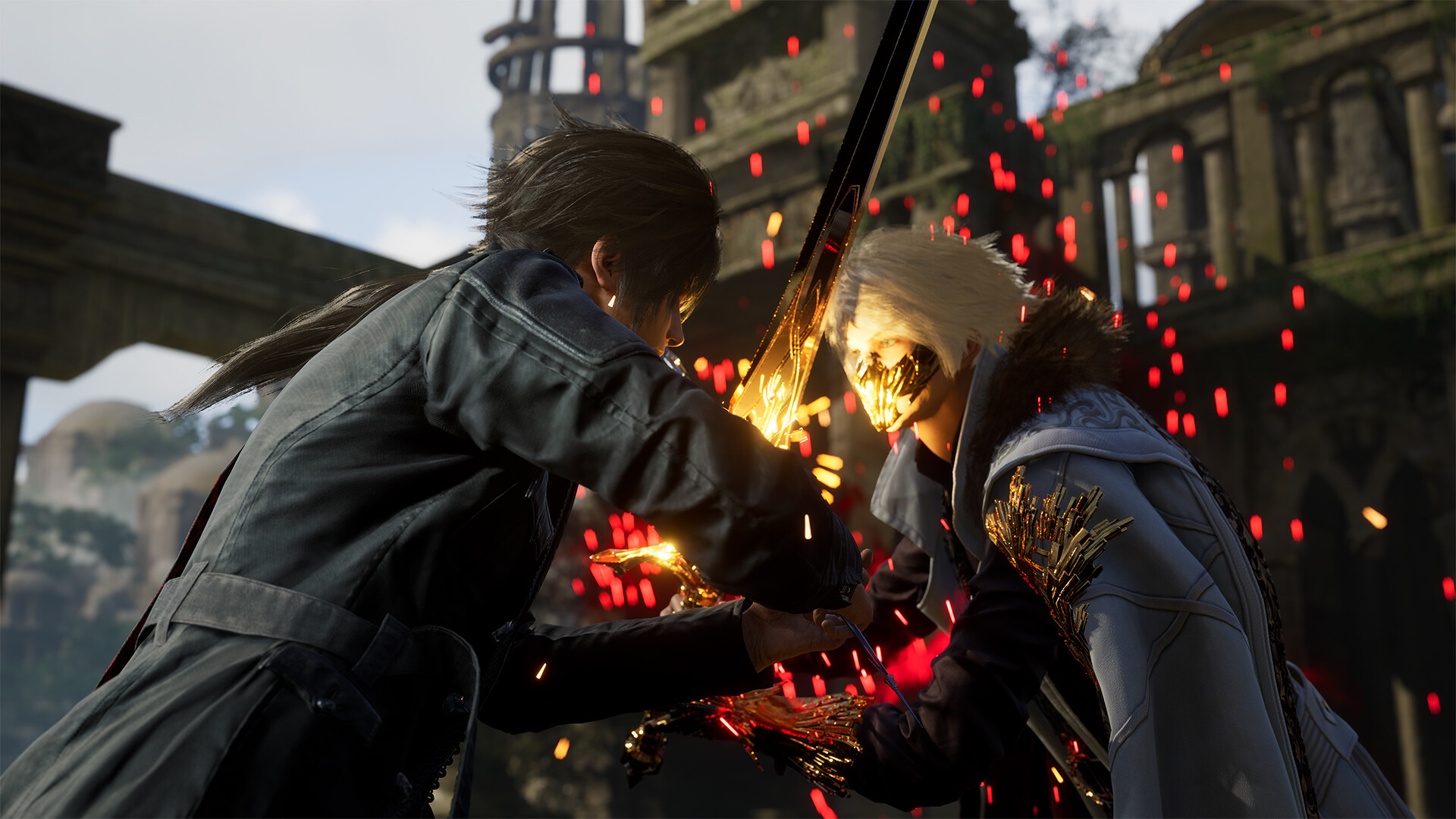
Alright, time to face the big, smelly elephant: the review key scandal. Lost Soul Aside skipped the early code drop for most press, and the gaming Twitter-machine went red-hot. Cue the endless Reddit threads, the “it’s gotta be bad” memes, and the classic “the truth is buried in the code” theorizing—yet it remains a title worth checking out for anyone looking to buy cheap PS4 games and see the game for themselves.
I get it—when a brand-new game stays quiet for months and feels like it will never come out, panic clicks in the back of our heads. In this case, the quiet hurt way more than the quiet was worth. The game itself ended up being fine, but the hushed marketing buzz started sounding like there was a skeleton being dusted off behind the scenes, and that was the only tune the internet knew the whole time. The takeaway couldn’t be clearer for studios: if you have something you’re genuinely hyped about, let a bit of the early dev rot, the kind no one else can blame inside your codex, out into the open. Otherwise, the rumor mill drafts its final cut before the reel is even in the projector.
Way More than DMC in a New Show
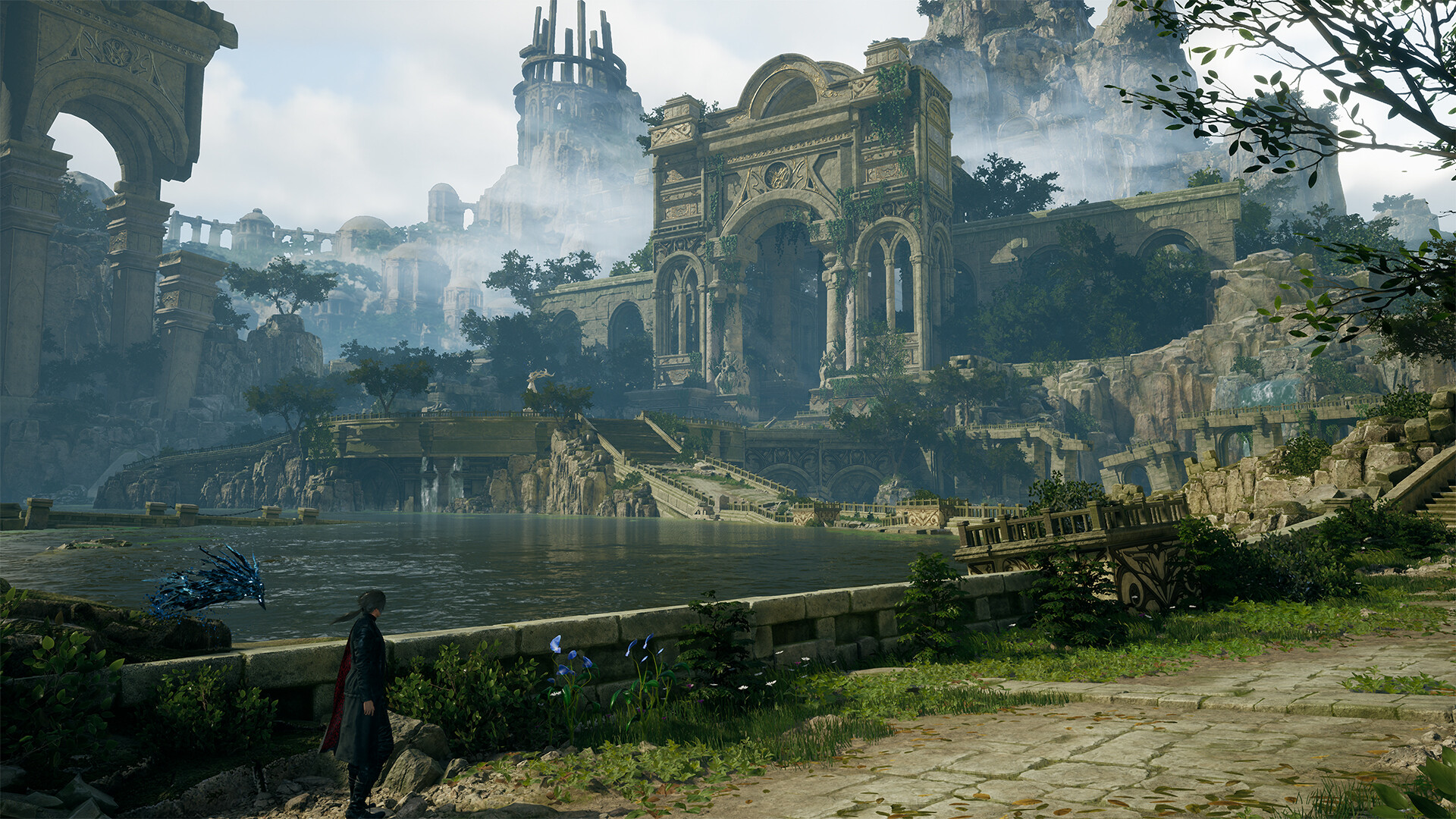
I want to snuff the whole “Lost Soul Aside is just DMC with a new skin” flame before it even heats up. Sure, the game lifts more than a couple moves and frames from Devil May Cry, spices in some Final Fantasy XV open-world saunter, and throws in a sprinkle of Ninja Gaiden blade-spin flourishes. But it’d be a mistake to slap “copycat” on it and walk away. This is closer to a remix, one where the faith in the live group behind it keeps patching the off-beat samples. The tempo misses sometimes, but there are moments when that new-angled riff sneaks up and smacks you. It is discovering what its own signature will be—give it a few more bars instead of skipping to the final cut.
In Lost Soul Aside, combat begins as standard sword finesse—quick cuts, dodge spins, and those signature over-the-top finishers. Yet it blossoms far beyond the basics. You gradually earn access to four distinct weapon families: the Sword, the Greatsword, the fluid Poleblade, and the elegant Scythe. Each flows to its own musical rhythm. Mid-fight, swapping between them feels like controlling a live orchestra of devastation. Admittedly, it doesn’t hit the hyper-precision of DMC5, but the visual flair and, most importantly, the raw joy, are impossible to ignore.
Your dragon-esque partner, the Arena, refuses to be reduced to decorative lore. This beast is a fully integrated piece of the puzzle. With a button press, it glides in to reshape the fluid battlefield: a brief teleport here, an explode-on-impact fire shard there, and a well-timed damage-boost buff to keep momentum rolling. These moves are balanced—not overpowered—ensuring the sheer beauty of using them stays fresh without breaking the scale. Picture an unforced, permanent summon pedal, and when it ignites, the stage lights up.
What truly sells the action is how it expands. Memory tells me those first encounters remind me of early, mindless button-mashing, and I thought the thrill would plateau there. Then the game lays the screw: a trio of rising-dragon bosses, foes that punish reckless button patterns, and a proper skill tree that, once I discovered the right mentor—side-quest pain in the neck, I admit—tailors the thrill to whatever combat mood I’m in that hour.
The Arena system expands, fresh weapons give you new tricks, and suddenly you’re not just mashing buttons—you’re planning moves, dodging like you’re in slow-mo, and chaining combos like the caffeine fairy just hit you. It’s a slow sizzle, but the moment it ignites, try to walk away, I dare you.
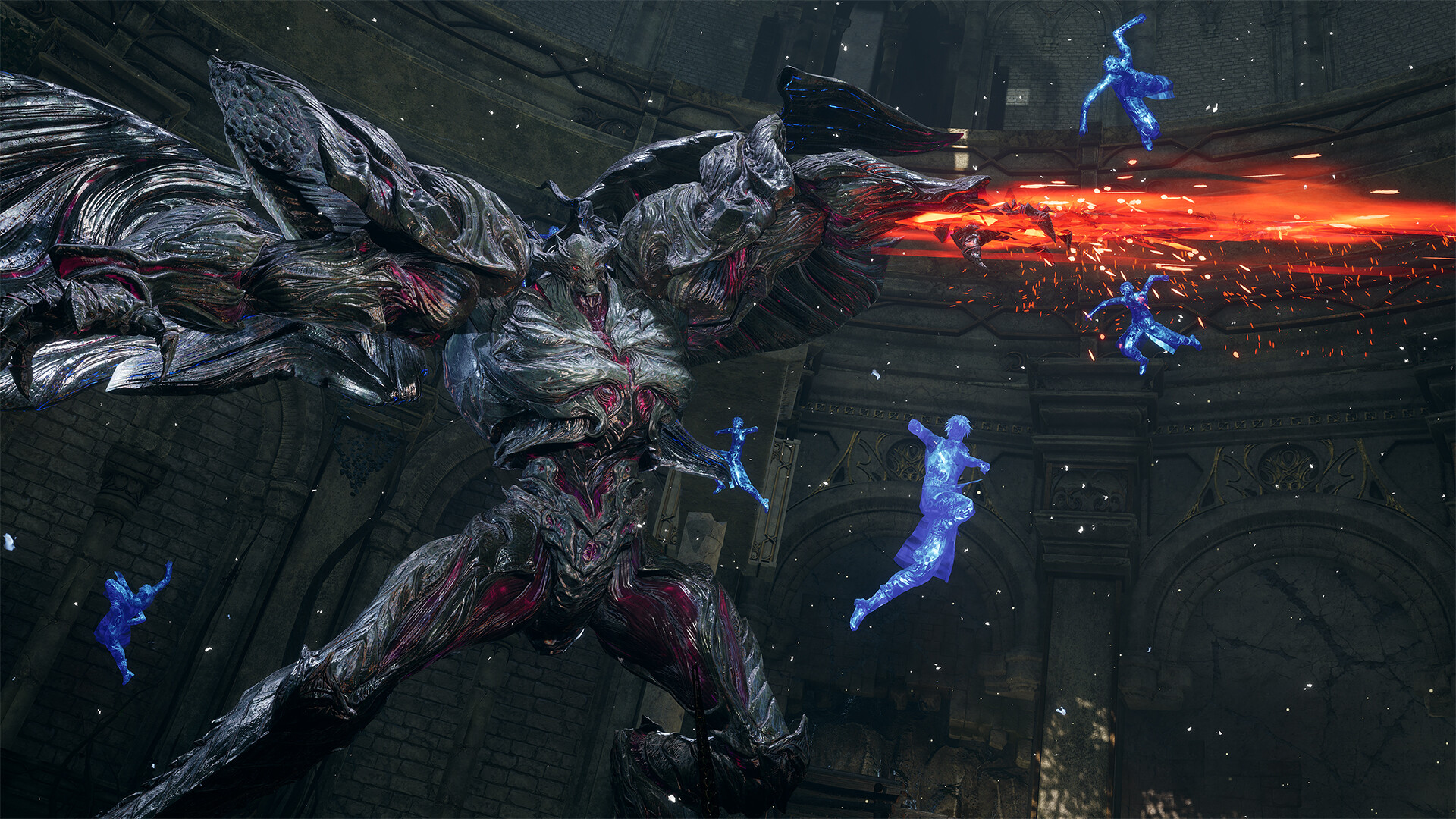
Boss fights are where the system really takes its shirt off. These aren’t just health-bar piñatas—they’re a reading comprehension quiz for your reflexes. Sure, a few battles shrug off damage during invincibility phases (seriously, 2023 called, and it wants its design choice back), but the instant freedom to go all-out that the game sometimes offers is when everything sings.
Fresh Mechanics Keep It Moving
Lost Soul Aside dodges the level grind that usually barrels through the genre like a steamroller. It introduces something fresh in every chapter—risks from the environment, sprinkle-in puzzle bits, even the occasional platform hop. I’m not screaming “10/10 platforming” here. It’s floaty, sometimes fights you, and every now and then trips the entire rhythm. Still, I see the effort. That counts.
The game doesn’t stop at new enemies. It reshapes your tools for every zone, too. One level wants you to be a stand-off sniper, then the next grounds you into a dodging, parrying ninja. Sure, it’s clunky sometimes, but the variety gets you thinking—something bigger studios often forget in the mid-leveled grind.## Two Platforms, One Question: Which One Rocks Lost Soul Aside?
Let’s break it down: on PS5, Lost Soul Aside glides along like it took a cape. Frame rates stay stable, load times don’t stretch while you make a snack, and graphics—though not jaw-dropping—are pretty enough that you don’t roll your eyes halfway through. Jump to PC and you’re on a kiddie coaster: stutters, drops, and that moment when the hero floats away like he forgot how to gravity.
The game works on Unreal Engine 4, and it’s screaming it. Toggle quality mode, and you sacrifice smooth movement. Switch to performance mode, and you even lose a little sparkle. Neither feels broken, yet neither feels like a throne room experience either. My advice? Pick PS5 if it’s around.
Final Thoughts
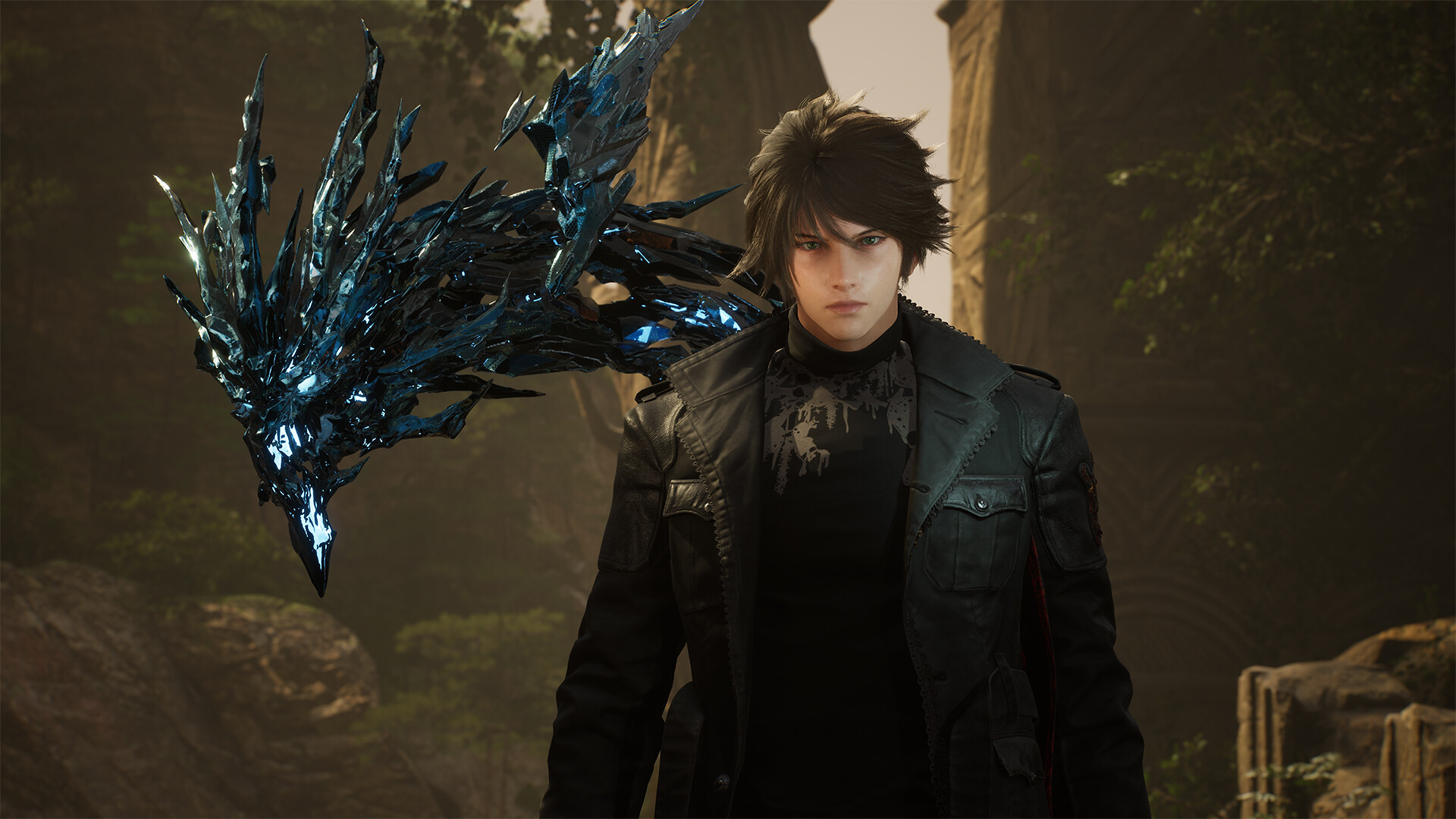
Lost Soul Aside may not be flawless, yet it sparkles in its imperfections. Sure, it’s messy and ambitious, and sometimes it tests your patience. But, hand on heart, it’s also bold, lovely to look at, and shockingly fun when the chaos comes together. Think of it as the homemade pizza your friend swears is “just the way they like it”—a wild passion project that actually made it off the kitchen counter, and that alone is worth cheering for. So if you're sick of the same shiny clones and want a game that’s a little ragged but bursting with heart—give this one a go.
And please, for the love of loading screens, don’t skip the upgrade NPC. Seriously. Go chat. You’ll thank me later.