🌧️ Water Catchments
In modern landscaping, any sort of hole or ditch is considered a “dangerous tripping hazard,” “unsightly,” or “a waste of space,” so everything is smoothed out. If you go to most cities and farms, the only non-flat places are designed to carry water away from cities, rather than hold onto it.
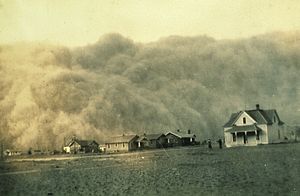
This thought process can not only increase overland flooding and wash away topsoil, but it also gives water no place to sit and be absorbed into the soil. Without any water capture gradually trickling into the soil and creating an underground reservoir, the landscape becomes less drought resistant and more susceptible to wildfires.
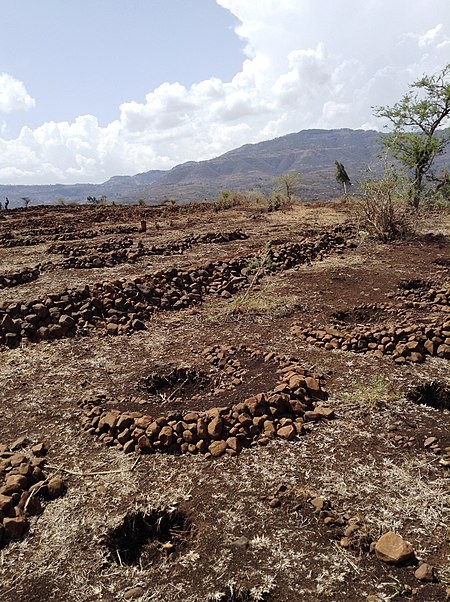
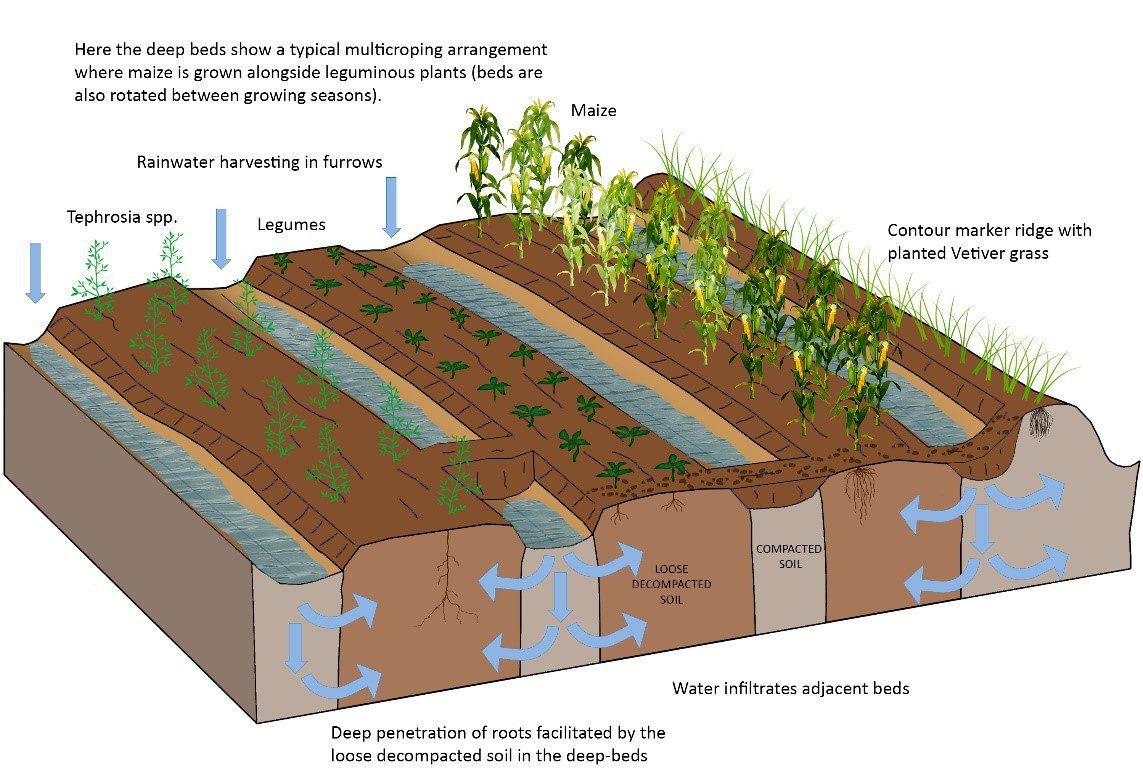
Swales and the other water catchment methods might be different shapes and use slightly different methods, but they all do all work the same on a basic level. The idea is to dig or build a shape that will slowdown and/or catch some of the movement of water. This can make the soil more absorbent (dry and hardened soil does not absorb water as easily) which promotes healthy microbiome of the soil.
In the process of reversing landscape desertification, it is proving drastically helpful. As the underground water reserves build, so does the vegetation.
The Different Methods:
- Demi-lunes / Half – moons / Semi-circular bunds [1]
- Eyebrow terraces / banquettes [2]
- Negarim [3]
- Contour bunds [4]
- Micro basins [5]
- Planting pits[6] / Zai pits / Chololo pits [7]
- Swales [8]
In cities, they look like a slight ditch in front of a house, or a creek in a greenspace.

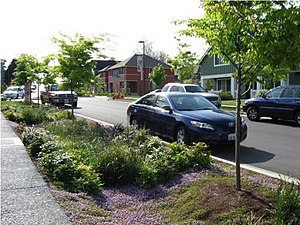
For other landscapes, it could be just slight indents in un-farmable areas, or ditches dug around farm perimeters.
They do not have to be very deep, and often do not need any fancy equipment to dig(most just involve using a shovel), but they can do amazing things.


Image Source: Just Dig It.
Suggested Video:
____________
#permaculture #weather #farming #gardening



.png)

_(26925262761).jpg)