Sprig and Quill

A blog musing about methods that could create an optimistic future

Why City Greenery Matters

Greenery is not just visually appealing, it also has many benefits for both us and wildlife.

For example:

  • Helping Insects. Even a small patch of greenery can help native insects [1],
  • Removing cancer causing toxins,[2],
  • Removing rainfall microplastics, [3]
  • Reducing city temperatures [4]

Creating Paths for Wildlife

Cities might have large expanses without any greenery at all, and that can create habitat fragmentation. Habitat fragmentation is when the natural paths and territories of a living creature is broken up. This limits the area animals can forage, can limit mating options, and can completely disrupt migration patterns. Due to this, habitat fragmentation is showing to have world-wide consequences. [5]

Even the smallest of creatures matter, which is why some locations are starting to think about paths insects can take through cities. [6]

Unique Ideas

Moss

Since moss can absorb 6x more C02 than other plants[7], some, like Gorespyre, are working to add more moss to cities.

Vertical Meadows:

If a city does not have the space to plant trees or shrubs, some cities are instead choosing to grow greenery up the sides of buildings. This can reduce building heat loss,[8], and when paired with the correct native plant, can help local wildlife. [9]

The main key to this is to choose native plants that can handle the harsh weather a building might endure, while also not having a very large root system. This typically means no trees.

Building For Greenery

Some architects build with including greenery in mind. A great example of this comes from Friedensreich Hundertwasser, who worked both greenery into his creations.


#cityplanning #betterbuilds #cities

SprigLogo

Housing First is a powerful, proven approach to ending homelessness—one that starts with a simple but radical idea: people need stable housing before anything else.

Instead of requiring people to get sober, find work, or jump through bureaucratic hoops first, Housing First gives individuals a permanent place to live right away, then connects them with support services like healthcare, counseling, and job training.

Finland’s Success Story

Silta’s community space, where tenants go for gardening or group BBQs. Image by Lilly Dietz. Finland, 2024.

While the Housing First model was originally developed in the United States in the 1990s, Finland has become one of its most successful adopters. In just over a decade, Finland has reduced homelessness dramatically—from over 20,000 people to under 4,000, making it the only EU country where homelessness is consistently declining.

The key to Finland’s success:

  • Permanent housing is treated as a basic human right
  • Support services are optional but available, not conditional
  • There’s a focus on community and dignity, not punishment

One example is Silta, a housing unit with communal gardens, BBQ spaces, and gathering areas where tenants can build connections and find purpose.

Housing First in the United States

Though the U.S. invented Housing First, adoption has been uneven. Some cities have launched successful programs, but many regions still prioritize temporary shelters or emergency interventions over long-term stability.

Why It Matters

Housing First is a real-world policy that:

  • Reduces homelessness and poverty
  • Increases public health and safety
  • Treats people with respect and dignity
  • Reduces long-term public spending on emergency services and shelters

In short, it’s a practical, compassionate model that shows what’s possible when we prioritize people over punishment.


#communitybuilding #housing

SprigLogo

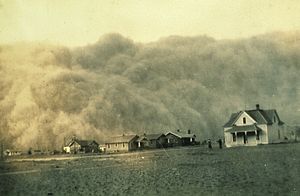
Dust storm approaching Stratford, Texas.

Have you heard of The Great Dust Bowl? It was a series of dust storms in the USA that were so intense, they killed crops, livestock, and people during the the great depression.

The situation was amplified by a drought, but the dust was also human caused.

“Following years of overcultivation and generally poor land management in the 1920s, the region—which receives an average rainfall of less than 20 inches (500 mm) in a typical year—suffered a severe drought in the early 1930s that lasted several years. The region’s exposed topsoil, robbed of the anchoring water-retaining roots of its native grasses, was carried off by heavy spring winds. “ Britannica[1]

This dust storm was so thick that it blocked the sun.

“Dear Mr. Roosevelt, Darkness came when it hit us. Picture taken from water tower one hundred feet high. Yours Truly, Chas. P. Williams.” An unknown author writes to Roosevelt[2]

Under the hands of desperate farmers, grasslands turned to landscapes so lifeless and dangerous, that many people abandoned their dreams and left.

Why Rototilling Harms Soil

Image source

One of the practices that amplified this disaster (that is a current farming practice to this day) is rototilling. During this, you flip the soil over, which can make planting easier. This comes with many problems, including:

  • Destroying the soil microbiome. Healthy soil means healthy crops. [3]
  • More weeds. As you flip your soil you are allowing dormant seeds a chance to thrive
  • Soil Compaction: As the soil gets more compact, it becomes harder for roots to work through it.
  • Washing or blowing away top soil. Top soil is where the heathiest soil is, and it can be washed away if left uncovered
  • Drying the soil. By leaving the soil exposed you are letting the sun bake out any moisture [4]

Ways to Improve Soil Health

  • Crop rotation. This is a pre-medieval technique where you rotate what crops you grow in what soil. This can add nutrients to the soil, avoid nutrient depletion, reduce diseases, and reduce pests. [5]
  • Cover Crops. Never leave your soil bare. Cover crops can save your soil. [6]
  • Water Catchments. These slow down the movement of water, encouraging the soil absorbing it. Examples: bunds or swales.
  • Food forests. Instead of rows of monoculture, food forest combine several different types of plants in a way that mimics a forest.
  • Reducing food waste. To take pressure off food production. In Canada alone, $31 billion dollars worth of food waste is thrown out a year.
  • Mulch. Putting mulch down can protect your soil while also keeping down weeds.
  • Planting trees and bushes. Even if it is just on the outside perimeter of your crops, trees and bushes can help hold soil in place, reduce wind, and improve the general health of the area.

#farming #gardening #permaculture #FarmingAndGardening

SprigLogo

A food forest(sometimes also called “agroforestry”) is a permaculture method which mimics a forest when planning out a food garden.

“A food forest, also called a forest garden, is a diverse planting of edible plants that attempts to mimic the ecosystems and patterns found in nature.” | Project Food Forest [1]

With proper care, a food forest can even last generations. For example, in the 1920’s near Philadelphia(USA), John Hershey created a food forest. Although today that land has been broken up by urban sprawl, many of the trees survive today in empty lots, backyards, and by parking lots.

There are pecans, walnuts, persimmons, apples, and many more, all growing without maintenance. [2][3]

Parts of a Food Forest:

These gardens are typically broken down into these layers:

  1. Canopy: large fruit or nut trees
  2. Understory: dwarf fruit trees, like pears, juneberries, mulberries, and more.
  3. Shrubs: berries, like elderberry, currants, blueberries, and more
  4. Herbaceous: Herbs, like mint, lemon balm, comfrey, and more.
  5. Rhizosphere: Potatoes, sweet potatoes, ground nuts
  6. Climbing: Peas, grapes, hardy kiwi, honeysuckle.
  7. Ground Cover: Strawberries, catnip, walking onion.

However, it is important to note that what plants you use will be specific to what can grow in your area.

FoodForest

Food Forest Benefits:

  • Promoting a healthy soil microbiome
  • Increased carbon-capture (no-till)
  • Preventing erosion
  • Retaining water
  • Low maintenance
  • Can support wildlife biodiversity

[4][5]

References:

  1. https://projectfoodforest.org/what-is-a-food-forest/
  2. https://www.shelterwoodforestfarm.com/blog/2018/10/17/exploring-americas-oldest-food-forest
  3. https://m.youtube.com/watch?v=qQZTmb_1
  4. https://grocycle.com/food-forest-layers/
  5. https://twobrothersindiashop.com/blogs/farmers-kitaab/food-forests-and-soil-health

#permaculture #farming #greenliving #foodforest #FarmingAndGardening

SprigLogo

One thing all cities should enforce for future builds(especially for skyscrapers), is bird-protection on windows.

In Canada, 16-42 million birds[1] are killed by window strikes, and in the USA, that number goes up to 365 million-1 billion. [2]

Sadly, one or two of those bird-shaped decals do not help, since the decals have to be no more than 2-inches apart.

“Window decals may help, but they must be placed no more than 2-4 inches apart in order to be effective. Birds will try to fly through larger gaps. This means that on large windows, many closely spaced decals may be necessary to deter bird collisions.” Audubon

Luckily, the fix for this window problem is easy. For the first example; there are bird-safe decorative window films and decals(they must go on the outside of the window).

The most common design is made up of several small white dots, while others are more decorative.

If decals will not work for you (they sometimes don’t last in cold climates), you can opt for permanent (and more expensive) window etchings.

Need an even less expensive option? You can make your own dots or designs using a Uni-Posca pen. The markings can be scraped off if needed. Just remember that the markings must be on the outside part of the window for them to work.


#cityplanning #betterbuilds #cities #building #housing #greenliving

SprigLogo

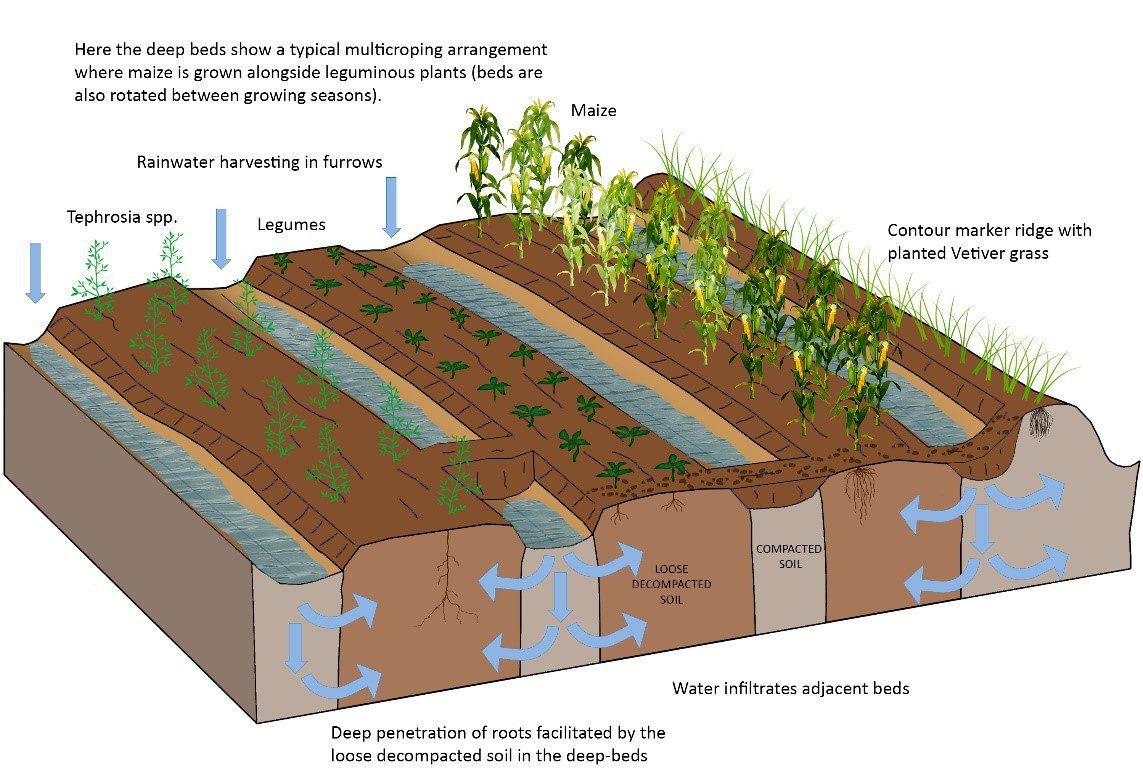
Deep Bed Farming (DBF) is a regenerative agriculture method developed by the Tiyeni Trust in Malawi and studied by Loughborough University and Aftrak. It is designed to overcome widespread soil compaction (“hardpan”), improve water infiltration, and significantly increase crop yields.

The Tiyeni deep-bed farming system during cultivation

The Tiyeni deep-bed farming system during cultivation

Method

  • Break the Hardpan: Farmers dig through the compacted sub-soil layer once during the first year, allowing roots, air, and water to move deeper into the profile.
  • Construct Deep Beds: Beds about one metre wide are formed alongside shallow ditches. These ditches capture rainfall and reduce runoff, while the beds are kept permanently unwalked to prevent re-compaction.
  • Intercrop and Rotate Crops: DBF replaces monocropping with mixed planting (e.g., maize with legumes or pumpkins) and seasonal rotations to improve soil nutrients and reduce pests.
  • Mulch and Compost: Weeds and plant residues are used as mulch or compost, boosting organic matter and reducing dependence on synthetic fertilisers.

Benefits

  • Major yield increases have been recorded—maize rising from ~1.7 t/ha to over 8 t/ha in some trials.
  • Strong reductions in soil erosion and improved water retention.
  • After year one, the system shifts toward low-till or no-till.
  • Farmers report improved food security and higher incomes.

Limitations

  • High labour demand in the first season.
  • Best suited to regions where rainfall or runoff capture is practical.
  • Requires training to adopt new bed layouts and crop diversity.

· · ──────·❂·────── · ·

References:
– 📰 Tiyeni.org
– 📰 Loughbourgh University
– 🎙️ People Fixing the World Podcast
– 📺 BBC News Africa Youtube Video


#farming #permaculture #water #FarmingAndGardening

SprigLogo

RSS stands for Really Simple Syndication. An RSS feed is a standardized file (usually XML) that lists recent updates from a website—-blog posts, news articles, podcasts, comics, changelogs, you name it. Most (but not all) websites have RSS feeds built into them, so once you find the correct URL for the RSS feed, you can add it to your RSS reader and new updates will appear in your feed.

This gives you the ability to stay up-to-date with what is happening online and/or around the world without attention-seeking algorithms, web-trackers, ads, or e-mail subscriptions.

RSS lets you subscribe directly to content and read it in one place, on your terms. 

If you care about the open web, RSS is one of its backbone technologies.

There are many RSS options out there, and they tend to fall into three categories: self-hosted, local only, or web-based. 

  • Self-hosting: for those who can host a server. One of the most popular options for this is using a Nextcloud server with the Nextcloud News app. 
  • Local-Only: means that the program is run on your device only, so while it does give you a feed, you can not view the feed across your devices. This is a good option for those who only plan to use a RSS reader on one device. 
  • Web-based: this RSS reader is hosted by someone else, meaning you can sync the feed across your devices. This option does have the risk of failing if your host shuts down the server, and there is also the risk of the host becoming a paid-service someday. This is the option I use, and just to be safe, I occasionally back up my subscriptions in a opml file. Most RSS readers have a function to import from opml, so it is a safe backup to have in case I ever need to switch to a different reader. 

Note: some websites refuse to provide RSS feeds, but you can still have a chance to add them using scrapers such as RSS-Bridge.


Reading RSS Feeds with FOSS Software

  • FreshRSS (self-hosting or web-based). I personally use this this. You can use the website, and/or add the feed to the app of your choice. For example, I sync my feed to the android app Readrops, so that I can view the feed on my computer and my phone. You can also self-host this if you'd like.
  • Miniflux (self-hosted): for those who prefer a minimalist and fast-loading setup.
  • Liferea (Linux)
  • RSS Guard (Linux/Windows): This one has the added benefit of being able to subscribe to and play podcasts.
  • Thunderbird (Linux/Windows/Android/Ios): Thunderbird is primarily a FOSS e-mail inbox option, but it also has a RSS feed reader built in
  • Akregator (KDE): This one is an app for the KDE software community

Publishing Your Own RSS Feed

You write posts → RSS updates itself to send your post to the feeds of your subscribers.

Some website providers (such as WordPress) do have a built-in RSS feed. You can typically find your feed at:

  • https://yoursite.com/feed/
  • https://yoursite.com/category/news/feed/

You can also add rss to your website if it does not already have one built-in. 


#digitalfreedom #rss #digitalprivacy

SprigLogo

RSS stands for Really Simple Syndication. An RSS feed is a standardized file (usually XML) that lists recent updates from a website—-blog posts, news articles, podcasts, comics, changelogs, you name it. Most (but not all) websites have RSS feeds built into them, so once you find the correct URL for the RSS feed, you can add it to your RSS reader and new updates will appear in your feed.

This gives you the ability to stay up-to-date with what is happening online and/or around the world without attention-seeking algorithms, web-trackers, ads, or e-mail subscriptions.

RSS lets you subscribe directly to content and read it in one place, on your terms. 

If you care about the open web, RSS is one of its backbone technologies.

There are many RSS options out there, and they tend to fall into three categories: self-hosted, local only, or web-based. 

  • Self-hosting: for those who can host a server. One of the most popular options for this is using a Nextcloud server with the Nextcloud News app. 
  • Local-Only: means that the program is run on your device only, so while it does give you a feed, you can not view the feed across your devices. This is a good option for those who only plan to use a RSS reader on one device. 
  • Web-based: this RSS reader is hosted by someone else, meaning you can sync the feed across your devices. This option does have the risk of failing if your host shuts down the server, and there is also the risk of the host becoming a paid-service someday. This is the option I use, and just to be safe, I occasionally back up my subscriptions in a opml file. Most RSS readers have a function to import from opml, so it is a safe backup to have in case I ever need to switch to a different reader. 

Note: some websites refuse to provide RSS feeds, but you can still have a chance to add them using scrapers such as RSS-Bridge.


Reading RSS Feeds with FOSS Software

  • FreshRSS (self-hosting or web-based). I personally use this this. You can use the website, and/or add the feed to the app of your choice. For example, I sync my feed to the android app Readrops, so that I can view the feed on my computer and my phone. You can also self-host this if you'd like.
  • Miniflux (self-hosted): for those who prefer a minimalist and fast-loading setup.
  • Liferea (Linux)
  • RSS Guard (Linux/Windows): This one has the added benefit of being able to subscribe to and play podcasts.
  • Thunderbird (Linux/Windows/Android/Ios): Thunderbird is primarily a FOSS e-mail inbox option, but it also has a RSS feed reader built in
  • Akregator (KDE): This one is an app for the KDE software community

Publishing Your Own RSS Feed

You write posts → RSS updates itself to send your post to the feeds of your subscribers.

Some website providers (such as WordPress) do have a built-in RSS feed. You can typically find your feed at:

  • https://yoursite.com/feed/
  • https://yoursite.com/category/news/feed/

You can also add rss to your website if it does not already have one built-in. 


#DigitalFreedom #DigitalPrivacy #RSS

SprigLogo

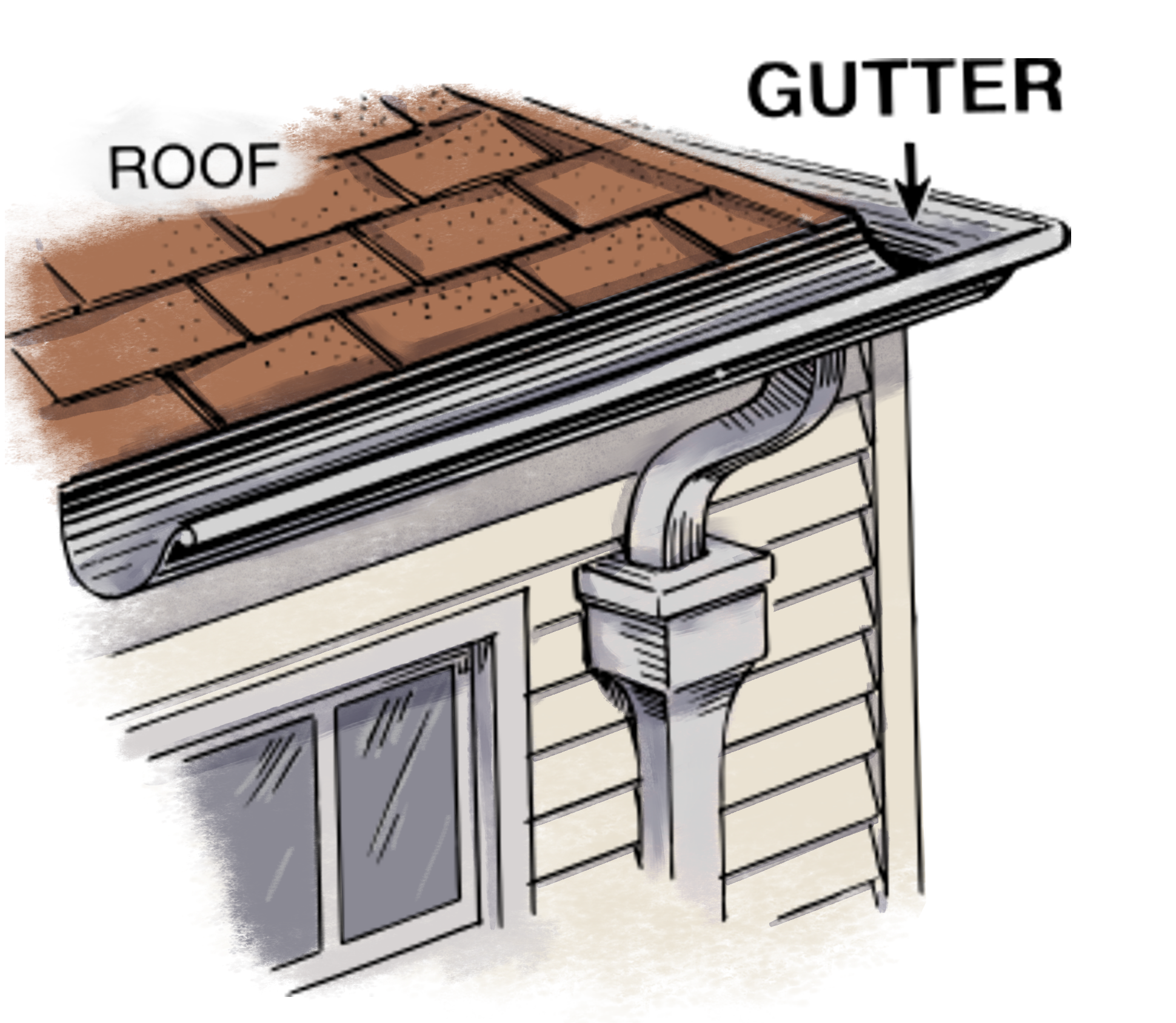
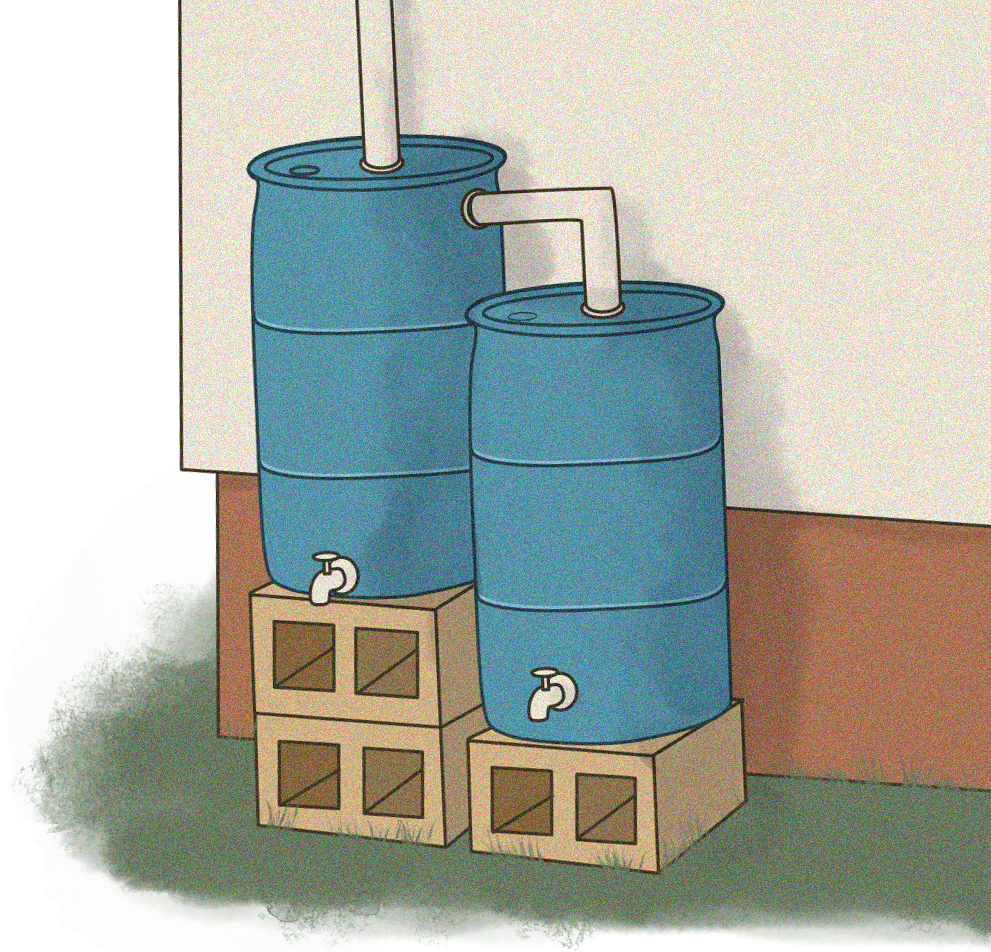
Rain barrels (also called rainwater tanks) collect rainwater runoff from rooftops by using eavestroughs and downspouts to carry and funnel water into the barrel.

Since this is untreated water, it is healthier for the plants in your garden [1] while also saving you money on your water bill.

The use of the barrels can assist drought-prone areas by collecting water in the rainy season which can then be used during the dry season. This reduces the strain on local water reserves.


Before Buying

Many cities do also have incentives to buy rain barrels, so be sure to do some research on that for your area.\ Some places (such as some USA states) have different regulations regarding water capture, so please look into that as well. [2]


Tips:

  • Barley: If you are having trouble with algae, try barley. It helps restrict algae growth. [3]
  • Mosquito Dunks: If you have a open-faced (no mesh or cover) barrel, consider a mosquito Dunk to help deal with mosquito larvae in a safe way. [4]
  • Timers: If you water at the same time every day, consider a battery-operated faucet timer and a soaker hose
  • Gravity: If you can get your barrels higher than the ground you are planning to water, you should be able to water without problems

DIY Option

Supplies:

  • Garbage can with a lid
  • Valve Spigot
  • Screening
  • Drill and drill bit
  • Waterproof duct tape

Instructions:

  • Use the drill and drill bit to make a hole near the bottom of the container for the valve spigot.
  • Install the valve spigot (installation instructions will vary depending on what you buy)
  • Use the drill and large drill bits to make a hole or several holes in the lid.
  • On the top side of the lid, cut the screening so it will cover the holes, and tape in place with the water proof duct tape.
  • Place the lid upside down over the container so the rim of the lid helps to funnel the water
  • Place your new rain barrel under your downspout.
  • Optional: Add another tap near the top of the container if you want to link multiple containers.

#greenliving #traditionalskills #water #gardening #farming #FarmingAndGardening

SprigLogo

Picture a vending machine where you can rent a space inside, or the whole machine. If you can't afford to rent a building, this would give you a space to try and sell your goods with less risk.

For an example of this in action, vending machines are being used by many farmers so that they can make back more profit than what they get from the store store. This is because they can skip all the middleman fees, and instead sell directly to the customers.

“For every dollar we spend on food, only about 16 cents goes to the farmer. ” Tracie McMillan

In many farming communities, you will come across a “honour code” stand, where farm goods are sold at the end of their property, and they are trusting you to leave the correct amount of money for what you take. The vending machines do the same thing, but in a more secure way for the farmers.

It is not just for farmers, though. In some cities, you can rent boxes within the machine. Machine rentals are also becoming more common, where you can rent a whole machine, so you might see a machine in a local park selling sports equipment, or perhaps one selling books or local art.

On top of being great for the sellers, vending machines can also bring products to neighborhoods that do not have stores in walking-distance.

“Food deserts can be described as geographic areas where residents' access to affordable, healthy food options (especially fresh fruits and vegetables) is restricted or nonexistent due to the absence of grocery stores within convenient traveling distance.” | Food Empowerment Project


#CommunityBuilding

SprigLogo