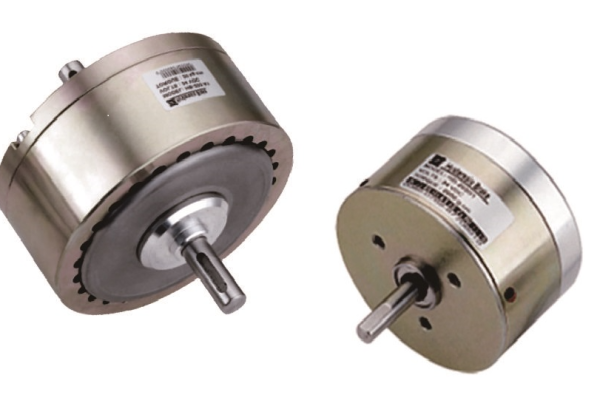
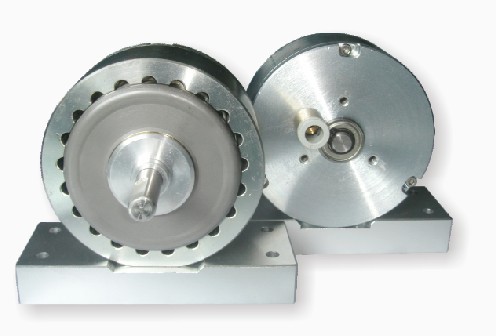
 In the relentless pursuit of engineering perfection, where every fraction of horsepower counts, every micron of torque fluctuation matters, and every operational nuance whispers secrets about performance, there exists a critical testing juncture. It demands not brute force, but finesse; not noise, but clarity; not approximation, but absolute certainty. For decades, dynamometer technology wrestled with this challenge, often introducing its own distortions into the very data engineers sought so desperately to capture. Enter the unsung hero: the Hysteresis Brake Dynamometer. This isn't just another dyno; it's the silent partner redefining precision, reliability, and efficiency in mechanical testing. 🔄🔬 **The Testing Conundrum: Why \“Just Any Dyno\” Isn't Enough Anymore** Imagine trying to measure the delicate flutter of a butterfly's wing with a sledgehammer. Exaggerated? Perhaps. But when dealing with high-performance motors, sensitive actuators, cutting-edge aerospace propulsion, or the whisper-quiet efficiency of modern electric vehicle powertrains, traditional dynamometers can sometimes feel just as crude. Hydraulic dynos offer immense power absorption but bring complexity, noise, fluid maintenance, and potential contamination. Eddy current dynos react quickly but generate significant heat, require robust cooling, and can exhibit torque ripple – introducing unwanted \“noise\” into your data. Friction brakes… well, their limitations in control and wear are well documented. The quest was clear: a dynamometer offering smooth, controllable torque across a wide speed range, minimal inherent disturbances, exceptional low-speed capability, and near-silent operation. A tool that gets *out* of the way so the true performance of the unit under test (UUT) can shine through, unobscured. 💡🤔 **The Hysteresis Effect: Power from Magnetism's Gentle Embrace** The magic, as always, lies in fundamental physics – specifically, the principle of magnetic hysteresis. Unlike eddy current brakes that rely on inducing currents in a conductor (which then oppose motion), hysteresis brakes exploit the inherent property of certain magnetic materials to resist changes in magnetization. Here’s the core operation, stripped down: 1. **The Rotor:** A smooth, non-laminated disc made from a special magnetically \“hard\” material engineered for high hysteresis loss. This disc is connected directly to the shaft of your UUT. 2. **The Stator:** Surrounding (but not touching!) the rotor are powerful electromagnetic coils. 3. **The Magnetic Field:** When DC current flows through the stator coils, a strong, controlled magnetic field is generated, penetrating the rotor disc. 4. **Hysteresis at Work:** As the rotor disc spins within this stationary magnetic field, the magnetic domains within the rotor material constantly try to realign with the field. However, the material's inherent \“hard\” magnetic properties resist this realignment. This resistance requires energy, effectively creating a drag force, or braking torque, that opposes the rotation. 5. **Controlling the Torque:** The crucial beauty? The braking torque is *magnetically* induced. There is **NO MECHANICAL CONTACT** between rotor and stator. Torque is directly proportional to the strength of the magnetic field, which is precisely controlled by adjusting the DC current to the coils. More current = stronger field = higher torque. servo press systems . It’s beautifully linear and controllable. **Why It Matters: The Unrivaled Advantages You Can't Ignore** This core principle unlocks a cascade of benefits that directly address the shortcomings of other dynamometer technologies: * **Silent Precision Operator 🤫:** Forget the roar of hydraulic power units or the whirring fans of eddy current dynos battling heat. Hysteresis dynamometers operate with remarkable quietness. The only sound is typically the UUT itself and the minimal windage of the spinning rotor. This is invaluable for NVH (Noise, Vibration, Harshness) testing and any environment demanding low acoustic footprint. * **Butter-Smooth Torque, Zero Ripple ✨:** The torque produced is exceptionally smooth and continuous. Unlike eddy current brakes which can exhibit cogging or torque ripple (small fluctuations), the hysteresis effect provides a consistent drag force. This delivers cleaner, higher-fidelity data, especially critical at low speeds and for measuring subtle torque variations. * **Master of the Low-Speed Realm 🐢➡️🚀:** This is where hysteresis truly shines. While other dynos struggle or become unusable at very low RPMs, hysteresis brakes provide stable, controllable torque down to near-zero speed, often even at stall. Essential for testing servo motors, actuators, gearboxes under starting load, and evaluating creep functions. * **Speed Agnostic Torque Control 🎛️:** The torque output is fundamentally independent of rotational speed. Within the rated power envelope, you can set a specific torque level via current control, and the hysteresis brake will maintain that torque consistently from zero RPM right up to its maximum rated speed. This simplifies control algorithms and testing procedures immensely. * **Minimal Inertia, Maximum Responsiveness ⚡:** The rotor is typically a simple, lightweight disc. This results in very low rotational inertia compared to water brake drums or eddy current rotor assemblies. This low inertia means the dyno responds incredibly quickly to torque changes commanded by the controller, enabling highly dynamic testing profiles without lag. * **Cool Under Pressure ❄️:** While *all* dynamometers convert mechanical energy into heat, hysteresis brakes dissipate heat effectively through the rotor surface. Modern designs incorporate optimized cooling fins and often use forced air cooling systems that are significantly less complex and more energy-efficient than the massive water cooling systems required by high-power eddy current dynos. No messy fluids! * **Virtually Wear-Free Durability ⏳🛡️:** No mechanical contact equals minimal wear. The rotor and stator experience almost no degradation over time under normal operating conditions. This translates to lower lifetime maintenance costs, exceptional calibration stability (meaning your data stays reliable year after year), and significantly longer operational life compared to friction-based systems. * **Clean and Environmentally Friendly ♻️:** No hydraulic oil to leak, no brake dust to contaminate sensitive equipment (like electric motors), no water treatment concerns. Hysteresis is a clean technology, aligning perfectly with modern sustainable manufacturing and testing practices.
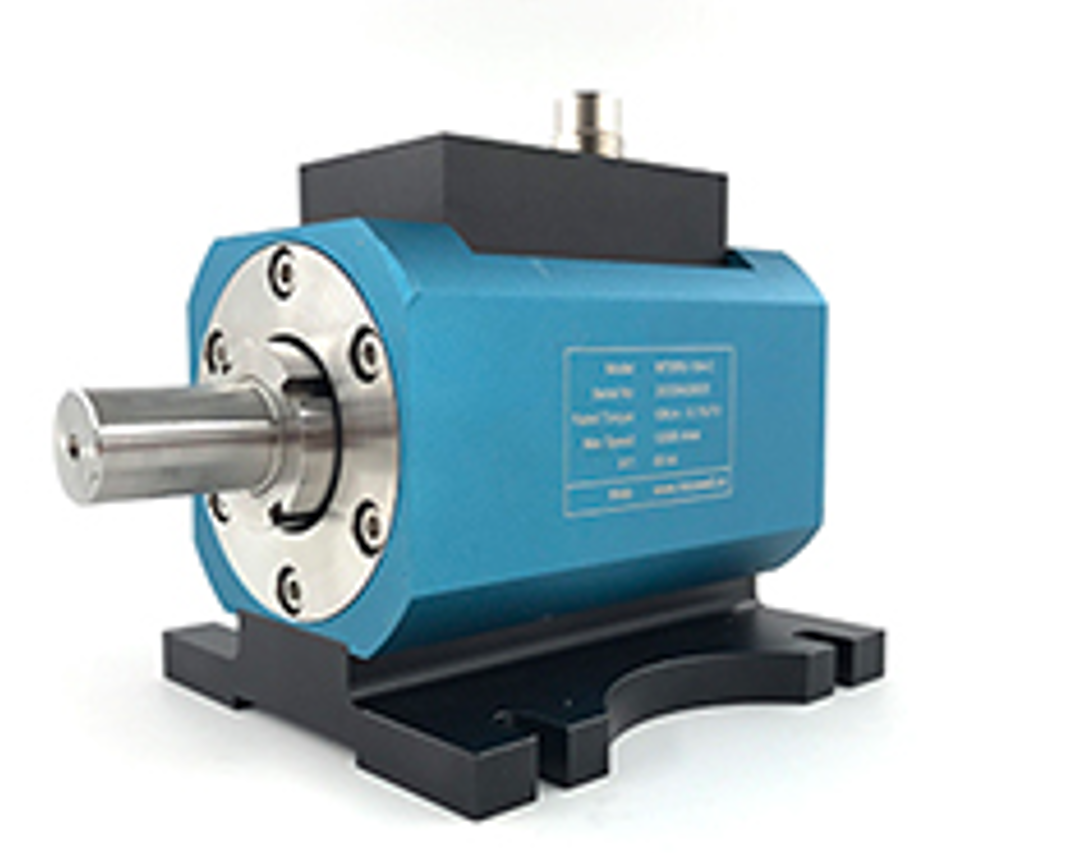
 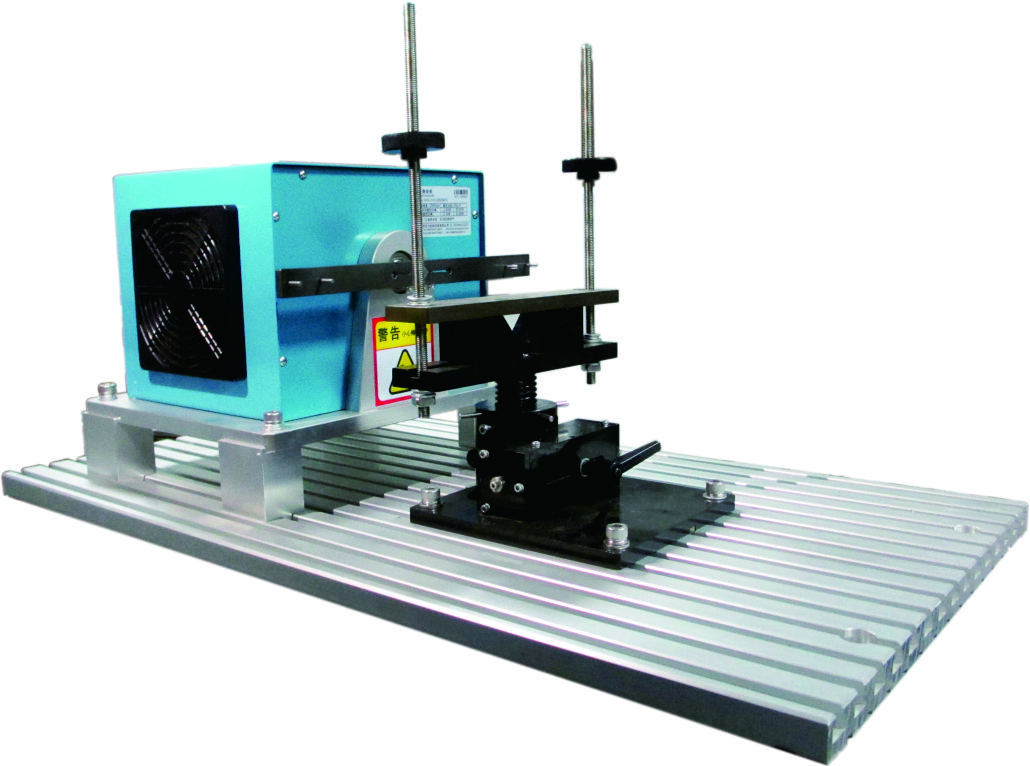 **Where Hysteresis Dynos Reign Supreme: Real-World Applications** This unique combination of attributes makes hysteresis brake dynamometers the undisputed champion for a wide array of demanding testing scenarios: * **Electric Motor \u0026 Powertrain Validation (EV/HEV Focus) 🔋🚗:** Testing the efficiency maps of electric motors demands incredible precision across the entire torque-speed envelope, especially at partial loads and low speeds crucial for range. Hysteresis dynos provide the smooth, low-ripple torque essential for accurate efficiency calculations. Gearbox testing for EVs, particularly shift quality and NVH under load, benefits massively from the silent operation and low-speed control. * **Precision Servo Motors \u0026 Actuators 🤖:** Characterizing torque linearity, friction, cogging torque, responsiveness, and dynamic performance of high-end servo systems requires a dyno that doesn't add its own disturbances. Hysteresis is the gold standard here. * **Aerospace \u0026 Defense ✈️🛰️:** Testing critical components like flight control actuators, landing gear systems, satellite pointing mechanisms, and drone propulsion units demands reliability, precision, and quiet operation often in constrained spaces – hallmarks of hysteresis technology. * ** servo press machine Manufacturing 🏥⚕️:** Testing surgical power tools, infusion pumps, robotic surgery arms, and prosthetic drives requires ultra-clean, reliable, and precise torque measurement in controlled environments. The no-contact, oil-free nature of hysteresis is ideal. * **Consumer Electronics \u0026 Appliances 📱🔌:** From testing the torque curves and efficiency of small DC motors in power tools and vacuums to evaluating the silent operation of fan motors in computers or HVAC systems, hysteresis dynos offer the right scale and precision. * **Research \u0026 Development Labs 🥼🔍:** Universities and corporate R\u0026D labs pushing the boundaries of new motor topologies, materials, and control strategies rely on hysteresis dynamometers for their data integrity at the extremes of performance. * **Quality Assurance \u0026 End-of-Line Testing 🏭✅:** The durability, reliability, and simplicity of hysteresis dynos make them excellent for high-throughput production testing, ensuring every motor or assembly meets stringent torque and performance specs before shipping. **Beyond the Brake: The Complete System Synergy** A hysteresis brake is the core torque absorber, but its true potential is unlocked within a sophisticated dynamometer system: * **Precision Torque Transducers ⚖️:** High-accuracy, low-deflection transducers measure the actual torque being applied, feeding back critical data to the controller. Often mounted in-line for direct measurement. * **Intelligent Controllers 🧠🎚️:** Advanced digital controllers manage the DC current to the hysteresis brake coils, enabling precise torque control modes (constant torque, ramp, profile), speed control modes, and complex automated test sequences. Sophisticated data acquisition is integral. * **Cooling Systems 💨:** Efficient, integrated forced-air cooling ensures thermal stability even under sustained high-load testing, protecting the brake and ensuring consistent performance. * **Robust Test Software 💻:** User-friendly software provides test configuration, real-time data visualization, powerful analysis tools (efficiency maps, ripple FFTs, statistical process control), and comprehensive reporting capabilities. * ** electric servo press \u0026 Safety 🛠️🔒:** Custom mounting solutions, couplings, safety guarding, and emergency stop systems ensure safe, repeatable, and reliable operation.
  **Choosing Your Champion: Key Considerations** Selecting the right hysteresis brake dynamometer requires careful thought:
  1. **Torque \u0026 Speed Range:** Define the maximum continuous and peak torque required, along with the operational speed range (including critical low-speed requirements). Ensure headroom for future needs. 2. **Power Absorption:** Calculate the maximum power (kW/HP) the dyno needs to dissipate continuously. Sizing the cooling system correctly is paramount. 3. **Accuracy \u0026 Resolution:** What level of torque measurement accuracy and resolution is critical for your application? Look beyond just the brake; consider the transducer and DAQ specs. 4. **Control Requirements:** Do you need pure torque control, speed control, or complex dynamic profiles? Ensure the controller capabilities match your testing protocols. 5. **Cooling:** Evaluate the cooling solution (air volume, noise level) against your lab environment and power requirements. 6. **Integration:** Consider ease of integration with your UUT (couplings, mounting), existing test cells, and data systems (communication protocols like CAN, EtherCAT, Modbus). 7. **Service \u0026 Support:** Partner with a manufacturer known for quality, reliability, and excellent technical support, calibration services, and spare parts availability. **The Future is Precise, Quiet, and Efficient 🔮** As technology relentlessly marches towards higher efficiency, miniaturization, electrification, and smarter control, the demands on testing equipment grow exponentially. Hysteresis brake dynamometers, with their foundation in elegant physics, provide a future-proof solution. They offer the unparalleled precision needed to validate the next generation of motors and drives powering our world, the quiet operation essential for modern product development, and the clean, reliable efficiency demanded by sustainable practices. **Embrace the Silent Revolution** Stop compromising your test data with dynamometers that introduce their own signature onto your results. Step away from the noise, the complexity, and the limitations of older technologies. Embrace the smooth, silent, and supremely precise power of the hysteresis brake dynamometer. It’s not just about measuring torque and speed; it’s about capturing the *truth* of your machine's performance, unobstructed and pure. It’s about unlocking insights that drive innovation, ensure quality, and push the boundaries of what’s possible. Invest in precision. Invest in reliability. Invest in the future of testing. Discover how a hysteresis brake dynamometer can transform your validation process. Reach out today for a consultation and experience the difference that true precision makes. Let’s build the future, one silent rotation at a time. 🤝🚀
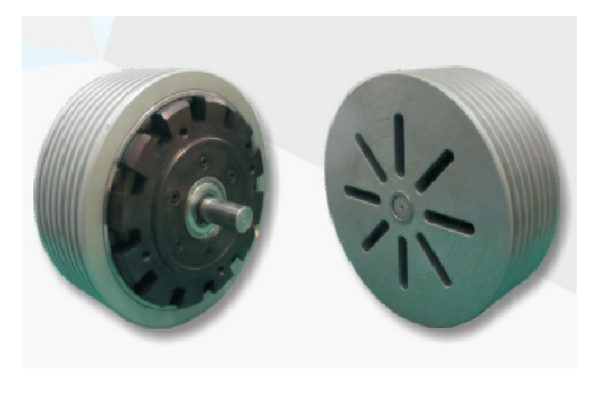
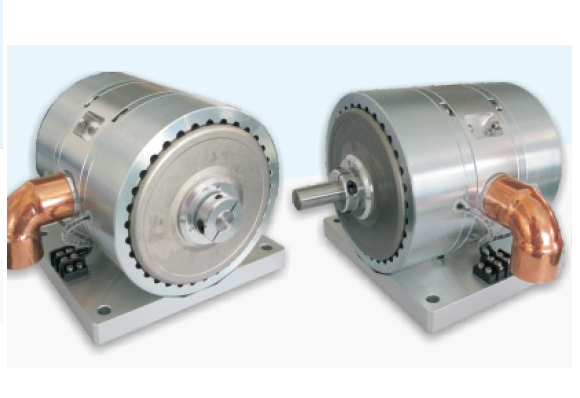 What sets our dynamometer range apart? We've poured innovation into every detail to create models that outperform the competition. Take our flagship Engine Dyno Pro, for instance. It features real-time data streaming, cloud integration for seamless collaboration, and adaptive calibration that adjusts to varying loads without manual tweaks. Then there's the Chassis Dyno Elite, perfect for full-vehicle testing, with anti-vibration technology that ensures readings stay steady even at high speeds. We've also prioritized durability—our units are built with military-grade materials to withstand harsh conditions, backed by a lifetime warranty for peace of mind. But it's not just about hardware; our support ecosystem shines. From initial setup to ongoing maintenance, our experts provide round-the-clock assistance, including free training sessions that turn your staff into dynamometer wizards. Customer testimonials speak volumes: \“After switching to your dynamometer, our diagnostic accuracy soared, and project timelines halved,\” raved a lead engineer at a top motorsport firm. Ready to see the magic in action? Consider this real-world case study: GreenTech Motors, a startup specializing in eco-friendly vehicles, was struggling with inconsistent engine outputs that delayed their launch. We introduced our DynamoMax Series, and within weeks, they mapped performance curves with 99.9% accuracy. This led to optimized designs, a 30% reduction in energy consumption, and a successful market debut that landed them a major partnership. Their story isn't unique—it's a blueprint for what you can achieve. So, why choose us over others? At DynoTech Solutions, we're driven by a mission to empower your success. With decades of expertise and a passion for innovation, we craft dynamometers that aren't just tools but game-changers. Our commitment to sustainability means eco-friendly designs that minimize waste, and our community-focused approach includes partnerships with educational institutions to nurture the next gen of engineers. Plus, with flexible financing options, upgrading your setup has never been more accessible. Don't let outdated methods hold you back. Embrace the dynamometer revolution and unlock a future where every test is a triumph. Visit
 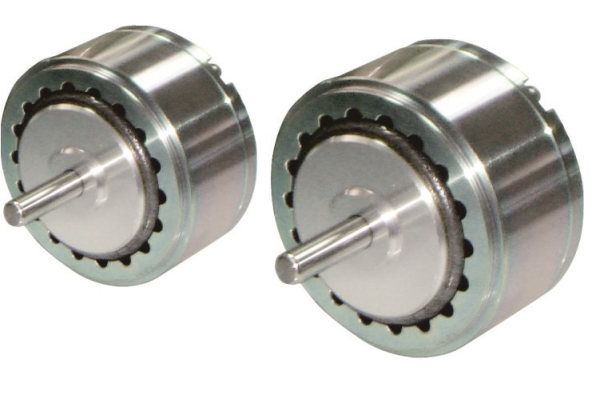 Remember, in the fast-paced world of engineering, staying ahead means investing in the best. With our dynamometers, you're not just buying equipment; you're securing a competitive edge that propels you toward greatness. Join the ranks of industry leaders who've made the leap—your journey to excellence starts now.