Travflix Trade Fair Notes

A trade fair can be the most productive week of a buyer's year or an expensive blur of corridors and missed appointments, and the difference is often decided long before the flight. Travflix plans business travel for Indian companies, and the team sees the same question from first-time visitors again and again: which of the many trade fair packages is worth paying for? This guide explains what a good package should contain, which line items deserve scrutiny and how to compare offers fairly so that your time on the exhibition floor is spent on suppliers instead of logistics.

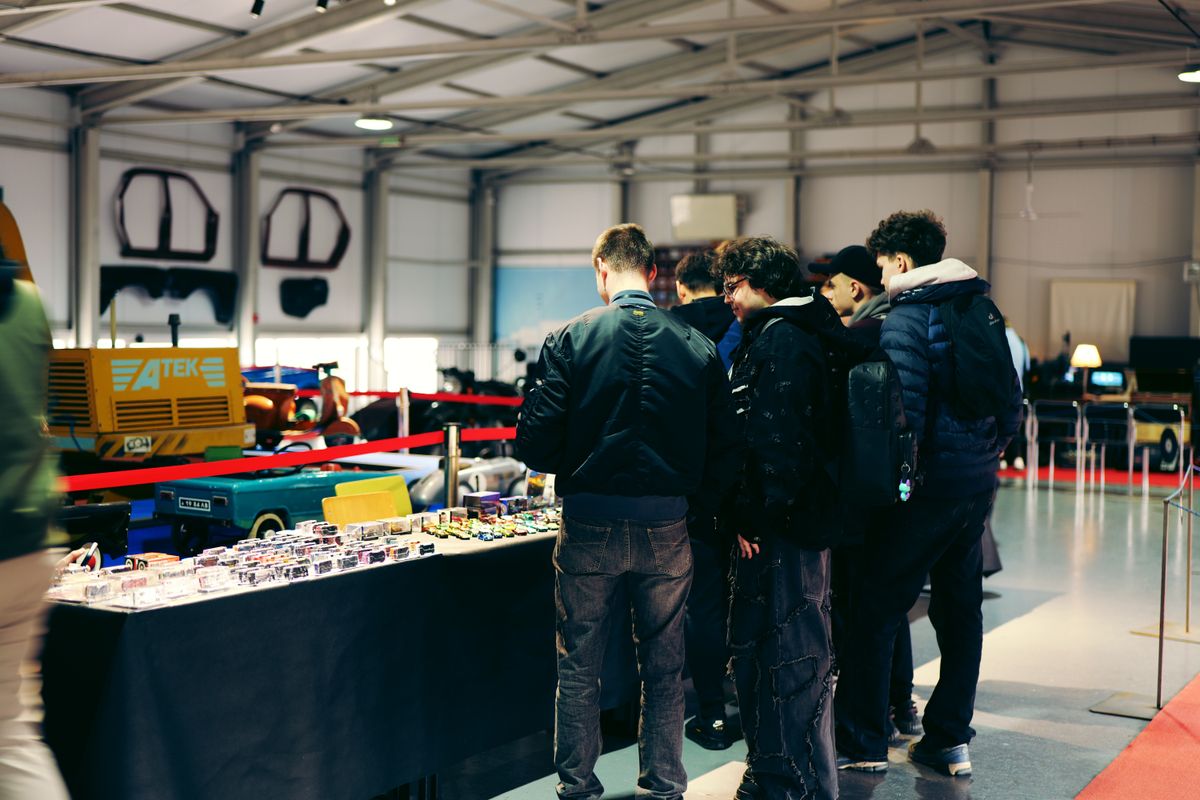
Visitors walking through a large exhibition hall

What a Good Trade Fair Package Should Include

The basic ingredients are flights, hotel, local transfers, entry badges and support on the ground. The details inside each one decide whether the trip feels smooth. A hotel that is far from the venue can cost hours of travel every day, while a hotel too close may carry a premium that is not worth paying. Ask how far the hotel is from the halls, how the transfers work during the busiest hours and whether there is a backup plan if a shuttle runs late.

Entry arrangements deserve equal attention. Many large exhibitions require pre-registration, and some badges are tied to the visitor's company details and business category. A package that handles registration for you saves time, but you should still confirm that the names, titles and company information are correct. A mistake at this stage can cause delays at the entrance on the first morning, when every minute counts.

On-ground support is the least visible and most valuable item. A coordinator who meets the group, explains the layout, helps with local questions and is reachable by phone solves problems that would otherwise eat into your schedule. Ask who that person will be, how many groups they support at the same time and what hours they are available. A vague answer is a warning sign.

Finally, ask about flexibility. Business plans change, and a package that allows name changes, date adjustments within limits or add-on days for factory visits is worth more than one that is slightly cheaper but rigid. Read the cancellation and amendment terms before you pay, and ask for them in writing.

Comparing Offers Without Being Misled

Price comparisons go wrong when two quotations do not cover the same things. One operator may include airport transfers, daily breakfast and a meeting room, while another leaves them out and quotes a lower headline figure. Build a simple table with every cost line and fill it in for each offer, adding items that are missing so that you compare like with like.

Look at the quality of the hotel and the flights, not only their names. Direct flights save time but may cost more, while a connecting itinerary can add a night of fatigue before a demanding week. Ask which airline and which routing is included, how much baggage is allowed for samples and catalogues, and whether seats can be chosen in advance.

Group size changes the experience. Some operators combine many companies into a large tour, which can lower cost but reduces personal attention. Others run small groups with more flexible itineraries. Neither is wrong, but you should know which one you are buying. If your team has specific meetings planned, a smaller or private arrangement may be worth the premium.

References help. Ask for the names of companies that have used the operator for a similar fair and, where possible, speak to one of them. Ask what went well and what they would change. An operator who is proud of its work will usually share contacts, while one that hesitates may be hiding problems.

Planning Your Visit Around the Exhibition Itself

A package gets you to the fair, but your own preparation decides what you gain once you are there. Study the exhibitor list weeks ahead and mark the companies you want to meet. Book appointments with the most important suppliers in advance, and leave gaps in your schedule for unplanned discoveries. Walking the halls without a plan often leads to a tired team and a thin set of contacts.

Prepare your own materials as well. Carry business cards, a short company profile, specifications for the products you want to source and a list of questions about price, minimum order quantity, lead time and payment terms. Take notes during every meeting and photograph the stand and the samples so that you can recall the details later. Within a day or two of the meeting, send a short follow-up message while the conversation is fresh.

If you are visiting a large Asian fair, there is more detail in a guide on how to plan a buying trip phase by phase for the Canton Fair. For companies weighing a Chinese sourcing trip from western India, the piece on Canton Fair tour packages from Mumbai describes how the visit can be organised from start to finish. Anyone considering the Gulf can read about planning a Dubai trade fair trip that pays off, which covers timing and meeting preparation for food and hospitality buyers.

Questions to Ask Before You Pay

Before you commit, put a short list of questions to every operator. What exactly is included in the price, and what is excluded? Who is my contact on the ground, and how can I reach them? What happens if my flight is delayed or my badge is rejected? How are changes and cancellations handled, and what is the deadline for each? Are visas, insurance and local sim cards included, or do I arrange them separately?

Ask also about booking timelines. Rooms near large fairs sell out early, and prices rise as the dates approach, so booking late rarely saves money. Check visa processing times for your destination and allow generous margins, because delays in paperwork are one of the most common reasons trips are disrupted.

Finally, think about what success looks like for your company. Is it a signed supplier agreement, a shortlist of new vendors or a better understanding of a market? The clearer your goal, the easier it is to judge which package supports it. The operator's own listing of the Canton Fair booking options shows how itineraries are described before you request a quotation.

If you would like a custom plan for a specific exhibition, or want help comparing quotations you have already received, you can reach the team through the Contact Us page and share your dates, group size and goals.

Every year thousands of Indian manufacturers, traders and buyers travel to exhibitions abroad, and every year some of them come home with a stack of brochures and very few useful meetings. The difference is rarely luck. It usually comes from the way the trip was planned. When you compare trade fair tours, the question to ask is not how cheap the flight and hotel are, but how well the whole package supports the business you are going there to do. Travflix has spent years organising these journeys from Mumbai, and the same patterns appear again and again.

Aircraft wing above the clouds on a business trip

This guide is written for first-time visitors and for teams who have travelled before but felt that the trip could have gone better. It covers timing, accommodation, local movement, paperwork and the small details that decide whether you spend your days in meetings or in taxis.

Start With the Fair, Not the Flight

A common mistake is to book travel first and study the exhibition afterwards. Reverse the order. Read the exhibitor list, the hall plan and the dates of the specialised sections that matter to you. Many large fairs run in phases or have separate halls for different product categories, and arriving on the wrong day can mean missing the suppliers you came to meet.

Decide how many days you realistically need. A single visit to a compact fair may need two days on the floor, while a very large one can easily take four. Add a buffer day for supplier visits outside the venue, because the most useful conversations often continue at a factory or showroom a few hours away. Teams that plan this buffer in advance can use it, and teams that did not usually wish they had.

Next, write down what a successful trip looks like. It might be five qualified suppliers, two price comparisons, or one confirmed order. Having a target makes it easier to decide whether a package that includes an extra city or an evening excursion helps you or distracts you.

What a Good Package Should Include

A package should answer practical questions before you ask them. Where will you stay, and how far is it from the venue in actual travel time on a busy morning? Is airport transfer included, and who meets you when your flight lands late? Is there someone who can help if a hall entry badge is delayed, if a meeting moves, or if you need a translator for a conversation with a supplier?

Hotel location matters more than hotel stars. A modest hotel within a short ride of the halls usually serves a buyer better than a luxury property across the city. Ask for the real distance and the usual travel time during exhibition hours, when roads and trains are crowded. Also ask about breakfast timings, early checkout and storage of samples, because buyers often return with more luggage than they left with.

Local movement is the second big variable. Exhibition cities are busy during fair weeks, and taxis can be scarce at closing time. Packages that include private transport, or clear instructions for reliable public options, save an enormous amount of energy. Energy is the hidden currency of a trade visit, and a team that arrives at the venue rested and on time gets far more from the same hours than one that has been fighting traffic.

Look also at who is travelling with you. Some operators handle group tours with a fixed itinerary, which is excellent for first-time visitors who want company and structure. Others customise for small teams who need freedom. If you are choosing among trade fair tours offered by Travflix and other operators, ask whether the itinerary can be adjusted around your supplier appointments, because a rigid schedule can clash with the meetings you worked hard to arrange.

Paperwork, Visas and the Details People Forget

Visas and permits are the part of the trip that can quietly derail everything. Processing times vary by country and by season, and a delay of a few days can force a change of flights. Start early, keep scanned copies of every document, and confirm that your passport has enough validity for the whole journey. If you are travelling as a team, check that every person has the correct visa category for business visits.

Think about currency and payments as well. Carry a mix of payment methods, and tell your bank about your travel dates to avoid blocked cards. Keep a small amount of local currency for transport and snacks, since not every stall near the halls accepts cards. For samples, ask about customs rules in both directions, because items that are easy to carry out of India may need declarations when you return.

Insurance is worth a few minutes of attention. Medical cover, baggage cover and trip cancellation cover are inexpensive compared with the cost of a missed fair. Read what is excluded, and keep the policy number in your phone and on paper.

Examples of Fairs and How the Planning Differs

Different exhibitions need different preparation. Industrial and engineering fairs reward early registration and a clear list of machines or components you want to inspect. If you are looking at textile machinery, for example, the shows linked with itma draw visitors from across the world, and hotels fill many months before the event. Booking late can mean staying far from the venue.

Large industrial fairs in Germany are another case. A visitor planning to attend hannover messe should think about the size of the grounds, the walking involved and the need to schedule meetings in advance, because the halls are spread over a wide area. Comfortable shoes, a clear map and a written meeting list will serve you better than ambition alone.

Fairs in Asia, such as large sourcing events in China, run on their own rhythm. They are often split into phases, with different product categories each week, and visitors who check the phase calendar before booking avoid the most frequent mistake. If you want a view of how buyers from India approach them, the guides on Canton Fair planning on zenwriting and blogfreely go into the details.

Questions to ask before you pay. Before confirming a package, write down your questions and ask each operator the same ones. How many trade fair trips have you organised for visitors from India? Who is the contact person on the ground, and how can I reach them at night? What happens if a flight is cancelled or a meeting is moved? Are all costs shown, or will local transport and entry fees be added later? What is the refund policy if the fair dates change?

Compare the answers rather than the totals. A package that is slightly more expensive but includes reliable transfers, a well placed hotel and support on the ground is often better value than the cheapest option. Ask for references from earlier groups, and if possible speak to someone who made a similar trip last year.

You may also find the notes on what a good fair package should include helpful when you build your comparison.

A well planned exhibition trip pays for itself many times over, while a poorly planned one drains time and budget without producing results. If you would like help comparing options for your next visit, you can reach the Travflix team through the Contact Us page.

A company trip that works looks effortless from the outside. Flights land on time, rooms are ready, the conference hall is set and the evening programme starts when it should. Behind that calm surface sits a long list of decisions made weeks earlier. Choosing among the mice tour operators in mumbai is the first and most important of those decisions, because the operator you pick decides how many of the other details are handled for you and how many stay on your desk. This article, written with the Travflix team's planning approach in mind, sets out what to look at when comparing operators for a meeting, incentive, conference or exhibition programme.

Delegates attending a plenary session in a conference hall

MICE stands for meetings, incentives, conferences and exhibitions. In practice it covers any business travel that is organised for a group and has a purpose beyond leisure. Sales reviews, dealer meets, reward trips, product launches and trade fair visits all fit under the label. Each has different needs, which is why a one-size package rarely works.

What a Good MICE Operator Takes Off Your Plate

Start with the basics. A capable operator handles transport, accommodation, venues, meals, local movement and on-ground support under one plan, so you deal with a single point of contact instead of a dozen suppliers. That matters most when something changes at short notice, such as a flight delay, a venue clash or a change in headcount. An operator that already holds relationships with airlines, hotels and venue managers can solve those problems in hours rather than days.

Next, look at how the operator handles planning. A good proposal does not just list hotels and prices. It explains the flow of each day, shows how long transfers will take, and identifies where there is room for flexibility. It also asks you questions: who is attending, what is the goal of the trip, what do participants expect, and which sessions cannot be moved. If a proposal arrives without those questions being asked, it was probably copied from a template.

Budget control is another area where experience shows. Group travel involves many small costs that add up quickly: airport transfers, venue add-ons, audio-visual equipment, gala dinners, taxes and service fees. A clear quotation separates fixed items from variable ones and states what happens if the group size changes. Ask for the assumptions behind the numbers, because a low headline price built on optimistic assumptions can become expensive later.

Finally, consider safety and support. Large groups need coordinated headcounts, emergency contacts, medical arrangements and an escalation path. An operator with a team on the ground, and a clear way to reach it at any hour, adds a layer of security that is hard to replace.

Questions to Ask Before You Shortlist Anyone

When you talk to operators, a few direct questions reveal a lot. Ask how many groups of your size they have handled in the last year and for what kinds of programmes. Ask who will manage your file day to day and whether that person will be on the ground during the event. Ask how they handle last-minute changes and what authority that person has to approve alternatives without waiting for head office.

Ask about the destinations they know well. Some operators are strongest in international trade fairs, others in domestic incentive travel or destination conferences. If your programme involves visiting an exhibition abroad, a guide on how trade fair tour operators build a good fair package shows what such planning looks like. If your group includes students or technical teams, the notes on planning industrial visits and educational tours explain how to organise learning-focused travel without losing the schedule.

It is also worth asking about domestic options. Reward trips inside the country can be as memorable as overseas ones and are often easier to organise for large teams. A well-planned itinerary through heritage cities, hill stations or coastal resorts can be built around luxury India tours that give senior performers a premium experience while keeping logistics simple. Variety within the same country also helps when different employee groups want different styles of travel.

Do not forget references. A trustworthy operator will be comfortable putting you in touch with past clients or sharing sample programmes. If the operator hesitates, treat that as information. Read reviews with care, and look for specifics rather than general praise.

Planning Timeline: What to Decide and When

Good programmes are built backwards from the event date. About three to four months out, define the objective, headcount and rough budget, and shortlist operators. At around two to three months, confirm the destination, dates and venue, and lock the main travel arrangements, because group fares and room blocks get harder to find as the date approaches. At six to eight weeks, finalise the programme, speakers, activities and special requirements such as dietary needs or accessibility.

In the last month, shift attention to communication. Share a clear itinerary with participants, collect passport or identity details, confirm visa needs where relevant and prepare a short on-ground guide. A week before the event, run a final check of vendors, transfers, rooms and equipment. During the event itself, appoint a coordinator who can make quick decisions and keep a log of any issues for the post-event review.

After the programme ends, hold a short review. Compare actual costs to the budget, collect feedback from participants and note what worked and what did not. This record makes the next programme easier to plan and gives you leverage when negotiating with vendors. For anyone still choosing a travel partner in general, a comparison of how to choose the best travel agency in Mumbai for a group or corporate trip is a useful companion read.

When you are ready to plan a programme of your own, send a short brief to the team through the Contact Us page. Include the number of travellers, approximate dates, preferred destinations and the purpose of the trip, and you will get a proposal that responds to your actual situation instead of a generic brochure.

To sum up, a successful corporate programme is the result of early decisions, honest questions and a partner who takes responsibility for the details. Compare operators on planning quality, budget transparency, destination knowledge and support, and your group will spend its energy on the event itself rather than on fixing logistics.

Every year thousands of Indian buyers, manufacturers and distributors fly out to see a single exhibition, and a surprising number return feeling that the trip could have achieved more. The flights were fine and the hotel was acceptable, yet the meetings that mattered were squeezed into the last afternoon. Well-designed trade fair tours avoid that outcome. At Travflix, a Mumbai travel company that handles exhibition travel for business groups, the planning always starts with the buyer's calendar and only then moves to tickets and rooms.

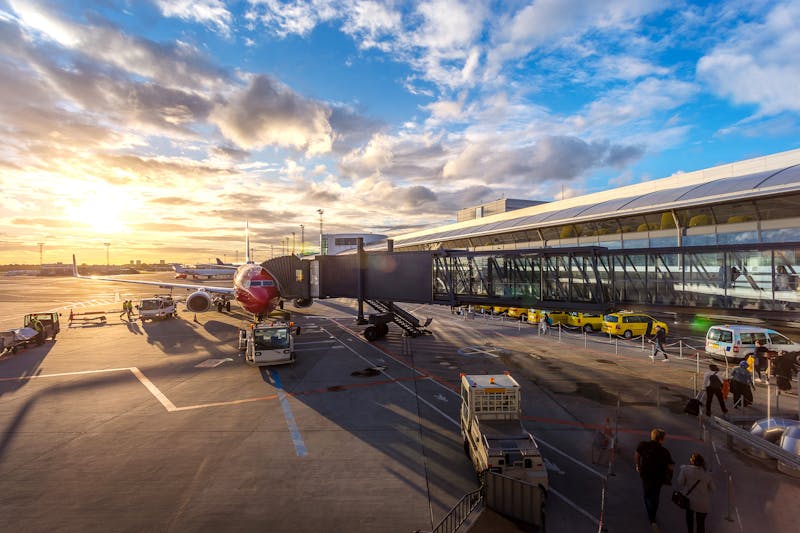
Aircraft at an airport terminal at sunset

This guide explains how to plan an exhibition trip from India in a way that protects your meeting time, keeps the team rested and leaves room for the follow-up that actually turns a visit into orders. It is written for first-time visitors as well as teams that travel every season and want to tighten their process.

Start With the Meetings, Not the Flights

The most common mistake is booking flights first because fares rise quickly. A better order is to list the suppliers, customers and partners you want to meet, then rank them. Mark the five conversations that must happen and the five that would be nice to have. Send meeting requests early, because the best exhibitors fill their diaries weeks in advance and many send their calendars to registered visitors only.

Once you know which days carry your priority meetings, choose arrival and departure dates around them. Arriving the evening before the opening gives you time to collect your badge without queueing on the busiest morning. Leaving the evening after the last meeting, rather than the morning of the final show day, protects you against a delayed discussion that overruns. Fares may be slightly higher, but the cost of losing one key negotiation is far greater than the difference.

Large fairs are spread across several halls, and walking between them takes real time. Check the floor plan before you confirm appointments so that you do not schedule a nine o'clock meeting in one hall and a nine-thirty meeting in another. Group your appointments by hall, and keep a thirty-minute buffer between them. Teams that do this typically complete more meetings in two days than others manage in four.

Choosing Hotels and Transfers That Protect Your Energy

Exhibition cities fill up fast, and prices near the venue can double during show week. Staying a little further away is often sensible if the transport link is reliable, but only when the route has been checked in advance. A cheap room forty minutes from the venue means eighty minutes lost every day, and that time comes straight out of your working hours.

Ask your travel partner for the actual door-to-door journey time at the hours you will travel, not at midnight. Early morning shuttles can be crowded and slow. If your group is larger than five or six people, a private transfer, shared among the team, can be cheaper per head than taxis and far less stressful. Confirm who meets you at the airport and where, especially in cities where taxi touts are common.

Hotel choice also affects how well the team can work together. A property with a quiet lounge or breakfast room lets you review the day's plan over coffee and regroup in the evening. Teams that stay in separate hotels often lose that daily briefing, and it shows in how consistent their follow-up is afterwards.

Planning for the Big European and Asian Fairs

Different regions bring different practicalities. For European industrial fairs such as Hannover Messe, visitors from India should allow time for a Schengen visa application, which needs a confirmed itinerary, accommodation proof and travel insurance. Apply as soon as your dates are firm, because appointment slots near peak season can be limited. Hotels in Hannover and nearby cities sell out early, so accommodation is often the first booking to make rather than the last.

Asian fairs have their own rhythm. Large exhibitions in China run in phases, and each phase may feature entirely different product categories. Check which phase matches your sourcing needs before you book, and do not assume that one trip can cover everything. Language support also matters, so ask whether your travel partner can arrange an interpreter for supplier visits or factory trips outside the exhibition halls.

Gulf fairs, by contrast, tend to be shorter and more relationship-driven, with long hospitality sessions and late evening meetings. If you are travelling to a food or hospitality show, plan the schedule so that early starts are followed by realistic evenings and the team is not exhausted by day two. Our earlier note on why trade fair visits work better with planned supplier meetings covers how to turn a rough list of targets into a day-by-day plan.

Managing a Group and Its Budget

When several colleagues travel together, someone must own the logistics. Appoint one coordinator who holds the master itinerary, collects passport copies and keeps a shared sheet of flight numbers, hotel confirmation and emergency contacts. Without a single owner, small gaps like a forgotten visa letter or a mismatched check-in date quickly turn into costly delays.

Budgeting for exhibition travel should include more than airfare and rooms. Entry badges, local transport, meals, interpreter fees, sample shipping and a contingency fund all belong in the plan. A realistic buffer of ten to fifteen percent for unexpected costs keeps the trip from becoming stressful when a flight changes or a meeting requires an extra night.

Corporate teams often combine an exhibition visit with a short incentive programme or client dinner. If that is your plan, the schedule needs to separate business hours from leisure time, so that the working days remain productive. Working with MICE tour operators in Mumbai who understand both exhibition logistics and group hospitality can make this combination far smoother, and our guide on how to brief an operator for a corporate trip is a useful starting point: MICE tour operators in Mumbai: how to brief one for a corporate incentive trip.

Insurance deserves a mention too. Travel cover that includes trip cancellation, medical emergencies and lost baggage costs a small fraction of the total spend, and it protects the entire group when something goes wrong. Make sure sample cases and demonstration equipment are covered separately if they are valuable, since standard policies often exclude commercial goods.

After the Fair: Turning Contacts Into Business

The trip is not finished when the plane lands. Within forty-eight hours, send a short thank-you message to everyone you met, and attach any documents you promised. Suppliers meet hundreds of visitors during a show, and the ones who follow up quickly are the ones they remember when quotations are prepared.

Organise the business cards, brochures and photos you collected into a simple tracker that records the contact name, the product discussed, the price quoted, the next step and a date for the next conversation. Review it weekly for the first month. Teams that keep this discipline convert far more exhibition conversations into orders than teams that file everything away and return to it three months later.

It also helps to review the trip itself. Note which hotel worked, which transfer was late, which meetings were productive and which were a waste of time. That record becomes the starting point for next year's plan, and it saves hours of repeated research. If you want to see how a similar approach works for smaller group trips, our piece on corporate tour packages in India that reward teams without wasting their time shows how the same principles apply on a domestic scale.

Good exhibition travel is quiet and well organised. When flights, hotels, transfers and meeting schedules fit together, the team spends its energy on the conversations that matter. If you are preparing for an upcoming show and would like a plan built around your meeting list, please reach out through the Contact Us page and tell us which fair you are attending and how many people are travelling.

The first phase of any large Chinese trade fair attracts a very particular kind of visitor: buyers who want to see new product lines early, meet manufacturers while stands are fresh, and place orders before the best slots fill. If you are weighing up Canton Fair 2026 Phase 1, Travflix can help you plan the travel side through its Canton Fair 2026 Phase 1 tour programme, but the real work begins well before the flight. This guide covers what to settle in the weeks ahead so that the days on the ground are spent with suppliers and not with logistics.

Visitors walking through a large exhibition hall

Everything below is general planning advice drawn from how group trips to fairs tend to work. Dates, halls and visa rules change, so confirm each of them with the organisers and the relevant authorities close to departure.

Decide what the visit is for

The most useful first step is also the least glamorous: write down, in a few lines, what you want from the fair. Are you replacing a supplier, adding a second source, looking for a new product category, or simply scanning the market? A buyer who knows the goal can decide which halls to visit, how many suppliers to meet each day, and how long to stay.

Phase 1 of the fair typically emphasises certain product families, while later phases cover others. Check the official exhibitor list and the category map before you book anything. It is common to find that one phase suits your sector far better than another, and that staying an extra few days for a different phase would be wasteful if nothing on it concerns you.

Prepare a short list of target suppliers in advance, with the stand numbers if you can find them. Exhibitors who are expecting you tend to give more time than those who see a stranger arrive. A one-page brief about your company, your typical order size and your quality requirements helps conversations move quickly.

It is also worth agreeing internally who has authority to decide. If a purchase needs approval from a partner back home, plan for a call each evening so that interesting offers do not lapse overnight. Teams that settle this before leaving avoid a lot of friction.

Travel, visa and timing

Visa processing is the item that most often runs late. Start the process as soon as your dates are firm, and keep copies of invitation letters, passport pages and hotel confirmations in one folder. Rules for business visits can differ from tourist visits, so read the current guidance carefully and ask your travel partner to confirm the documents that are required.

Hotel location matters more than people expect. Staying close to the venue or on a direct transit line saves hours across a week, and it reduces the stress of early starts. Peak fair days push prices up and availability down, which is a good reason to confirm accommodation early rather than hunting for a room in the last fortnight.

Plan the flight so that you arrive a day before the first meetings. Landing at midnight and walking into a hall at nine in the morning is a recipe for poor decisions. If you are also adding a city visit or a factory trip, leave a buffer between them, because internal travel in a large country takes longer than the map suggests.

If you want to see how a package for a fair is usually built, the notes on what a good fair package should include and the earlier piece on planning a Canton Fair tour around buyer meetings are good companions to this one.

Working the fair itself

Arrive at the venue early on the first day, collect your badge, and spend an hour walking the halls on your list before you start meetings. This quick orientation helps you spot suppliers you had not heard of and gives you a feel for distances inside the venue, which can be considerable.

Keep notes as you go. A simple sheet with the stand, the contact, the product, the quoted price, the minimum order and the sample terms is enough. Take a photograph of each product and each stand, and write the name of the person you spoke to. At the end of a long day, these notes are the difference between clear memory and a blur.

Do not commit on the spot. A polite request for a written quotation, with a deadline to respond, is normal practice and allows you to compare offers calmly once you are back at the hotel. Ask about samples, lead times, payment terms and the supplier's experience exporting to India. Take care with certification and compliance documents, which matter for many product categories.

Remember to eat, rest and drink water. Fair days are long, and tired buyers make weaker decisions. Many experienced visitors split their time into morning meetings, a proper lunch break and afternoon walking, and they stop at a sensible hour to write up the day.

After the fair

Within a week of returning, send follow-up messages to every supplier you met, thanking them and restating the points you discussed. Request updated quotations, and set your own deadline to decide. A tidy comparison table with price, quality, lead time and payment terms turns scattered impressions into a decision.

Consider ordering samples from your top two or three candidates before you place a large order, and check them against your specifications. Some buyers also arrange a factory audit or a third-party inspection, especially for a first order. These steps cost time and money, but they are cheap compared with a shipment that does not match what was agreed.

If you are comparing organised packages, the broader overview of trade fair packages shows the kinds of fairs and formats available. To talk through dates, group size or the documents you will need, you can contact the Travflix team and describe what you hope to achieve at the fair.

A well-planned visit leaves you with a short list of reliable suppliers, a clearer view of the market and a few useful new relationships. That is a good return on a week away, and it starts with the quiet preparation that happens long before you board the plane.

German trade fairs have a reputation for scale, order and long walking distances, and first-time Indian visitors are often surprised by all three. Travel planners at Travflix who arrange group visits to ITMA in Hannover see the same pattern each time: the buyers who prepare their meeting list, accommodation and transport early return with signed trial orders, while those who improvise return with a heavy bag of brochures. This guide covers the planning steps for textile and industrial buyers who want to be in the first group.

A visitor reading a floor plan at a large exhibition

Why Hannover needs early planning

Hannover is a mid-sized city with a very large exhibition ground. When a major fair is on, hotel rooms in the city sell out, prices climb and visitors end up staying in nearby towns. A booking made three or four months ahead can cost half of what a booking made three weeks ahead does. The same applies to flights and rail seats from Frankfurt, Munich or Berlin.

The exhibition ground itself is a campus, with halls spread across a wide area and shuttle buses between some of them. Your schedule has to account for walking time, and your shoes matter more than your suit. Plan no more than six to eight serious meetings a day, and leave a buffer for the unexpected.

Know what each fair covers

ITMA is known for textile and garment technology: spinning, weaving, knitting, finishing and the digital tools around them. Hannover Messe covers industrial automation, energy, digital manufacturing and related fields. A buyer from a textile mill and a buyer from an engineering plant need different halls and different preparation, even though both travel to the same city.

Study the exhibitor directory before travel. Mark the suppliers you must meet, the ones you want to compare and the ones to visit if time allows. Our guide to Hannover Messe 2027 for Indian industrial visitors shows how to read the layout and prioritise halls, and the same method works for textile machinery.

Linking the two events in one trip

Some companies visit both an industry-specific fair and Hannover Messe, or combine a German fair with a factory tour in the region. The Hannover Messe calendar and the textile machinery calendar do not always line up, so check the dates carefully. When they do not overlap, a visit to one can be combined with supplier factory visits in Germany, Italy or Switzerland.

If you plan a longer trip, build in a rest day. The days of walking and meetings are tiring, and decisions made on the fifth consecutive day of exhibition visits are rarely the best. A relaxed city day in Hannover, Hamburg or Cologne can reset the group and give time for reviewing notes.

Visas and documents

Schengen visas require an invitation letter, travel insurance, proof of accommodation and proof of funds, and appointments at visa centres can be limited. Apply as early as the rules allow. Keep digital copies of passports, visas and invitation letters, and share them with your travel planner. If the group has several nationalities or multiple entries, verify each person's requirements separately.

Carry business cards, product samples (check customs rules first) and a clear description of your business. German suppliers expect punctuality and a prepared conversation. Having technical questions ready shows seriousness and saves time for both sides.

Making the most of supplier meetings

Prepare a one-page brief for each meeting: what you currently buy, in what volumes, what problems you want to solve and what timeline you have. Share the brief ahead of time if possible. In the meeting, ask for price ranges, lead times, service arrangements and references from Indian customers. Ask about spare parts availability, because that is a common source of delays after purchase.

Take photos where allowed, note the model numbers and write down the next steps before leaving the stand. After the visit, send a short email summarising what you agreed. Our post on why trade fair visits work better with planned supplier meetings goes deeper on this routine.

Logistics for groups

For groups, share a single itinerary and an emergency contact. Decide who carries which documents. Choose a hotel close to rail connections and the fair shuttle. Arrange airport transfers in advance and confirm return flight timings, including time to ship purchased samples if needed. If members of the group have dietary requirements, tell the hotel and restaurants in advance, because vegetarian options vary by venue.

Read how we approached a different event in our guide to what visitors learned from Chinaplas 2026, which covers the same planning method with a different set of constraints.

After you return

Hold a debrief within a week. Each traveller shares the three most promising suppliers, the biggest surprise and one thing they would change next time. Rank the suppliers, request formal quotations and schedule follow-up calls. Compare quotations on the same basis, including shipping, installation, training and warranty. Share the summary with management, with a clear recommendation and the next decision date. Companies that run a formal debrief tend to turn more fair contacts into real orders, because the follow-up does not depend on one person's memory or enthusiasm, and the learning from each trip improves the plan for the next one.

Budget and approvals

Build a budget with flights, hotels, local transport, visas, insurance, meals, translation if needed and contingency. Get internal approvals early, because many companies require sign-off for foreign travel. Ask the finance team about the exchange rate they will use, and keep receipts organised for reimbursement. Setting a budget for each person prevents arguments later.

Local travel, food and comfort

Germany has excellent rail links, but trains during a major fair are crowded, so reserve seats ahead and keep luggage light. Many visitors buy a day pass for local trains and trams, which is usually included with the fair ticket in the host city. Food is easy to find near the halls, but queues at lunch are long, so eat early or carry a snack. Vegetarian choices are available in most restaurants, and Indian restaurants can be found in the city centre. Bring a power adapter, a compact umbrella and a warm layer, because weather in northern Germany changes quickly even in spring and autumn.

Final thoughts

Fairs in Germany reward preparation, and most of that preparation happens months before departure. To plan a group visit with accommodation, transfers and a meeting schedule, talk to the team through the contact page for Travflix and mention the fair, dates and the number of travellers.