🏡 Passive Solar
Within Arizona(USA) is a beautiful cliff-dwelling built by the Sinagua people in 1100-1425 AD. Montezuma Castle (renamed to this by colonizers) has around 20 rooms, and is built using a method that today people call “passive solar building.”
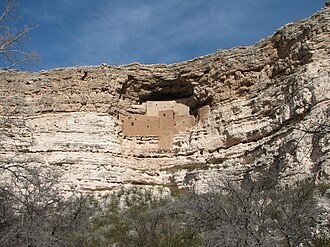 Montezuma Castle National Monument, Arizona, USA

“In passive solar building design, windows, walls, and floors are made to collect, store, reflect, and distribute solar energy, in the form of heat in the winter and reject solar heat in the summer. This is called passive solar design because, unlike active solar heating systems, it does not involve the use of mechanical and electrical devices.” Wikipedia
For the cliff dwelling, that included a design that ensured the buildings were hit with the heat of the low-winter sun, but protected from the high-summer sun by overhang. It also made use of ventilation, small windows and doors (to reduce temperature loss), and more.


For greenhouses, even in colder climates where temperatures can reach -40c(-40f), passive solar designs are enabling greenhouses to run all-year. [1]
For houses, they can save the owners money on both heating and cooling, which is why they are very common in both earth-houses [2] and earth-ship [3] designs.
Window Awnings
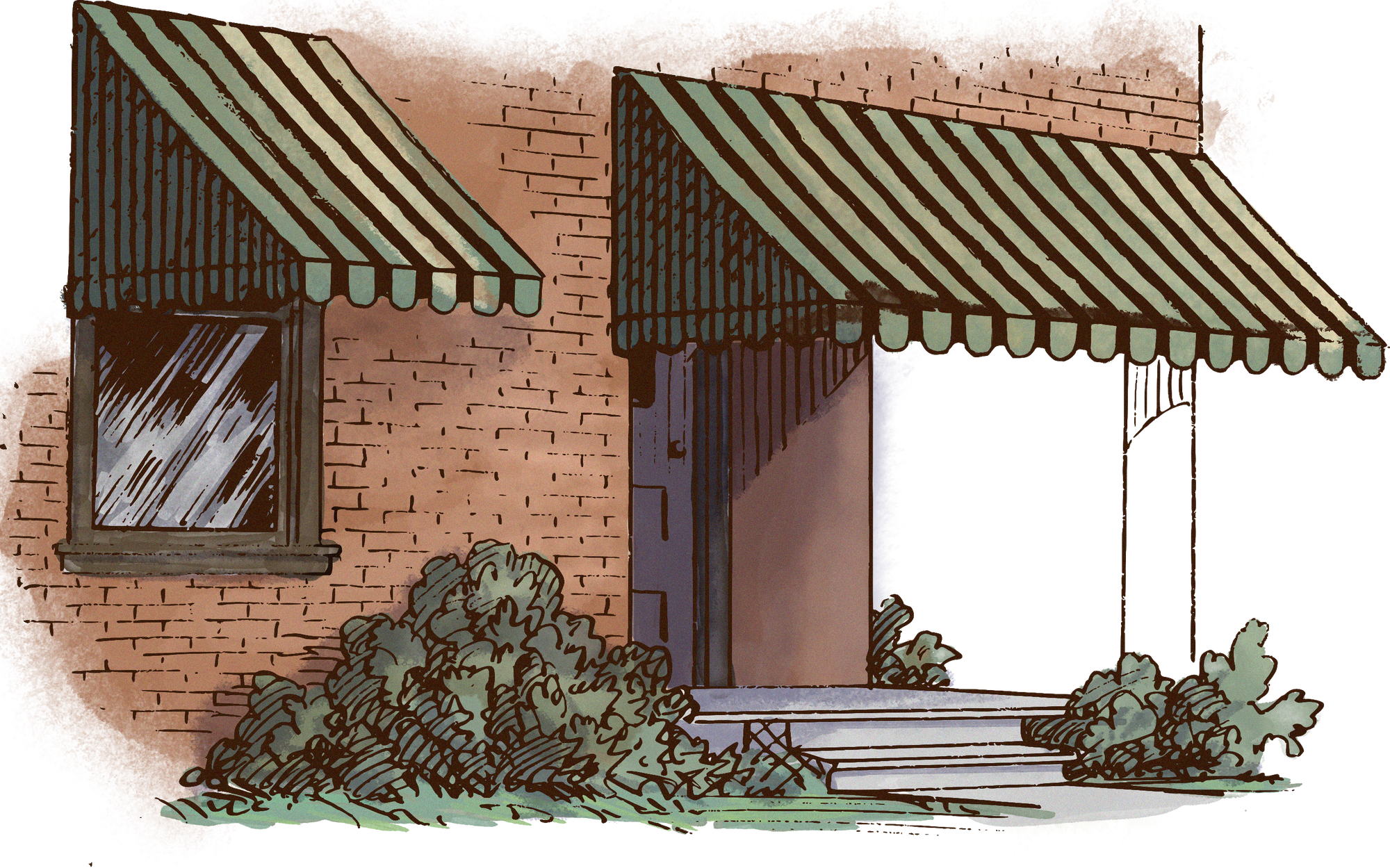
By reducing the need for artificial cooling and protecting windows from damage, Window Awnings support a future that's more comfortable, energy-efficient, and resilient to extreme weather.
In hot weather, windows become major heat sources—-especially those facing south or west. Sunlight pours in, heating up rooms and overworking fans or AC (if you have it). Awnings offer passive solar cooling by shading windows and blocking direct sunlight before it reaches the glass.
According to the U.S. Department of Energy, awnings can reduce solar heat gain by 65% on south-facing windows, and 77% on west-facing windows. [1]
This not only cools your home naturally but also protects furniture and flooring from UV damage. Well-placed awnings also let in low winter sun, making them effective year-round in passive solar design.


Types of Awnings
- Fixed Awnings: Permanent structures that consistently block sunlight. Simple and effective for sunny windows.
- Retractable Awnings: Can be pulled in or out depending on the weather or season. More adaptable, but usually more expensive.
- Clamshell Awnings: Durable, hinged panels (often aluminum) that can be propped open for shade or dropped fully closed during storms.
Why Clamshell Awnings Deserve a Comeback
Clamshell-style awnings are a practical choice for anyone in storm-prone areas—-or for those off-grid who want a multi-use, no-power-needed solution. When closed, they form a protective shell over the window, guarding against extreme weather.
Tips for DIY Installers
- Angle awnings to block the high summer sun but allow in low winter sunlight.
- Choose durable, weather-resistant materials like aluminum, treated wood, or fabric with UV protection.
- For clamshells, check salvage yards or second-hand stores—-they're often available for cheap and easy to repaint.
#GreenLiving #Housing #Building
