Assassin’s Creed Shadows Review: A Beautifully Hollow Blade
To begin, this review might be lengthy, so feel free to grab a drink. I’ve spent enough time on Shadows to understand what Ubisoft was trying to achieve. I can see the ambition, but the execution was far from perfection. As someone who spent considerable time on open-world RPGs, especially those like Origins, Odyssey, and Valhalla, I had a certain frame of reference. I was expecting some sense of progression and the feeling of freedom that comes from RPGs, and the feeling of climbing a power curve. It was a mixed experience. Shadows is visually beautiful, and I enjoyed the stealth mechanics immensely. The shinobi elements were nice. But the experience was undermined by shallow content, disjointed narrative, and the most poorly designed combat I’ve experienced in the series in the last several years, something even players who buy cheap PS4 games might find disappointing despite its visual appeal.
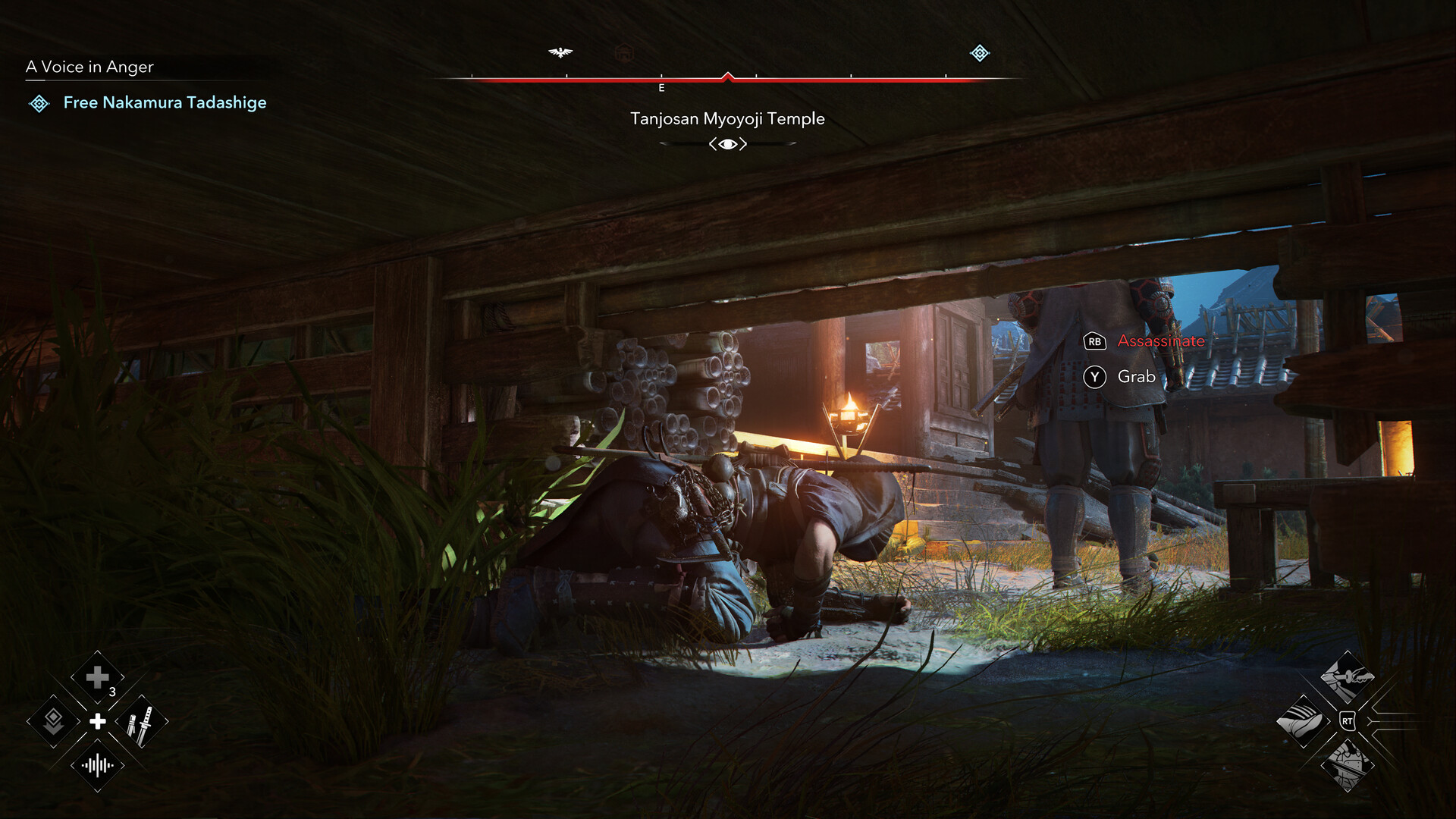
Right off the bat, Shadows sets itself apart with its dual protagonists: Naoe, the shinobi, and Yasuke, the samurai. On paper, this contrast should provide a refreshing gameplay loop: stealth and speed vs. brute strength and discipline. In practice, Naoe feels like the star of the show. Her movement is absolutely electric. The parkour animations are silky smooth, full of acrobatic flair, and deeply satisfying to control. Every vault, wall-run, and rooftop dash channels that idealized ninja fantasy that has been craved for from this series for years. She feels like the natural evolution of what parkour in Assassin’s Creed should be.
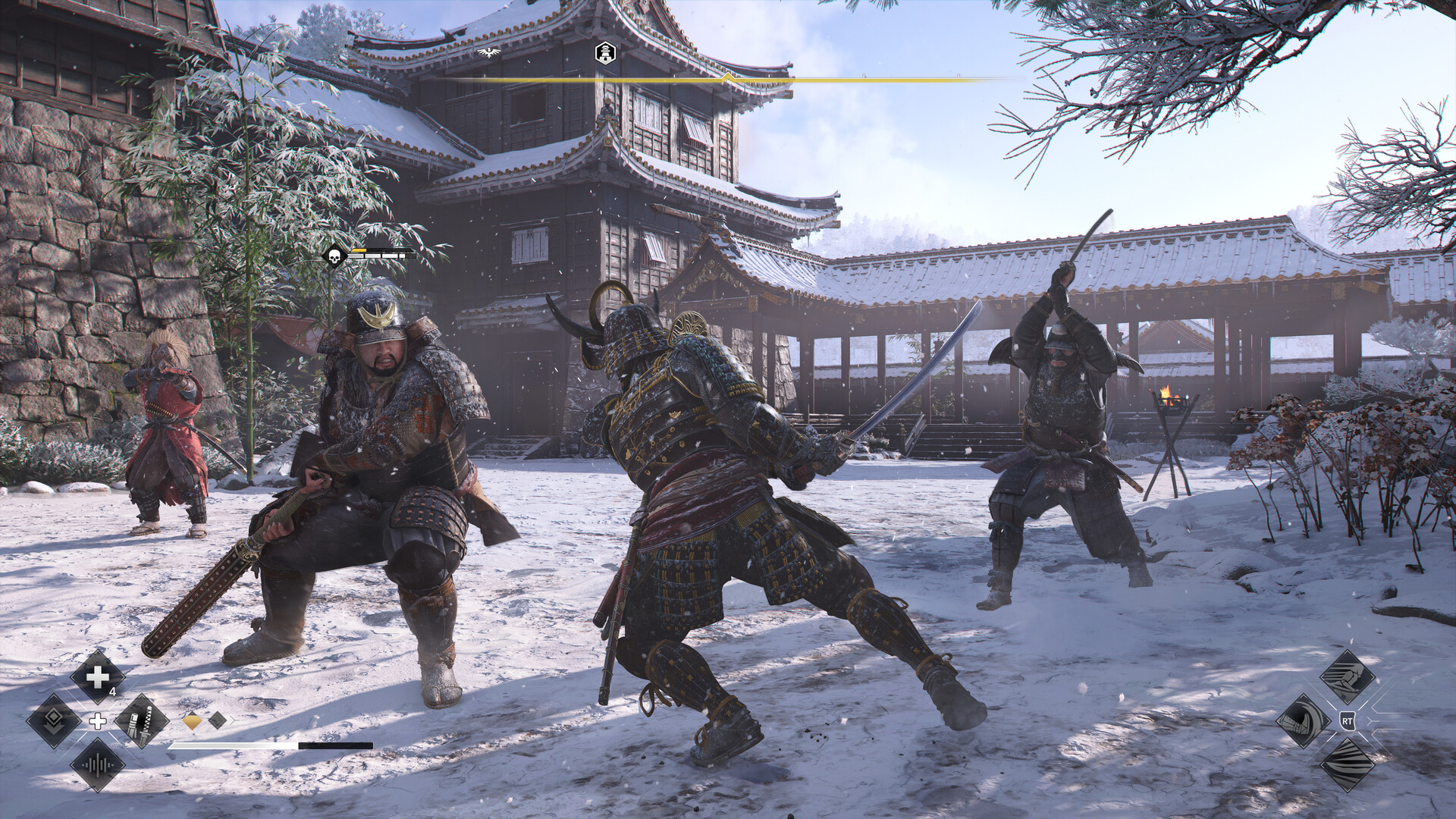
Yasuke can be a little disappointing in some aspects, compared to his environmental interactions, which are amazing in some ways. I like the physicality of his environmental interactions. Specifically, when he busts through doors and smashes his way through obstacles, I like the way it translates to the player's physicality with the controls. I think the combat animations could use work. I think it is very noticeable when transitions from a series of light hits are missing. This is especially noticeable when compared to some of the melee combat in Ghost of Tsushima.
Parkour: The Brightest Blade in Shadows’ Arsenal
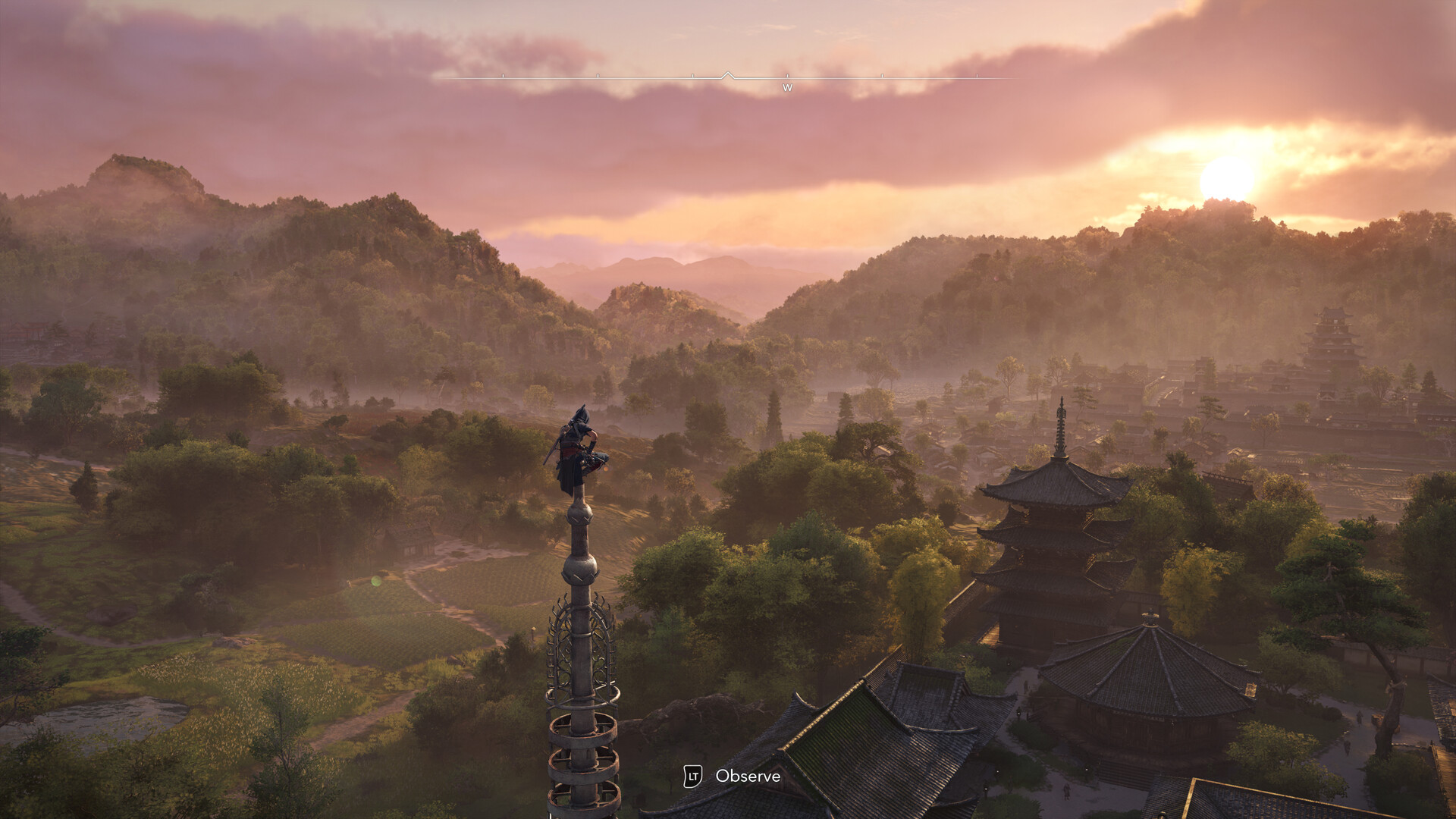
Want to take a wild guess on what I have to give credit to Shadows on: the parkour system. Not only is the parkour system in Shadows flashy, it is purposeful. This is an indication that the developers have an appreciation for the craft. Naoe’s work is accurate. The flow of the movement is a perfect blend of grace and lethality from a shinobi. The only downside is that the brilliance of the systems is in work, undermined by the size of the world itself, not the system. In Shadows, Japan is huge. Enormously so. Lush forests, fog surrounding the valley, and wooden temples. The world is pretty. But, in Japan, it's too pretty. The size of the world is so grand that it is visually stunning, but limited. Traversal.
You cannot parkour through trees the way you used to in Assassin’s Creed III. It’s a missed opportunity. Picture leaping from branch to branch in a bamboo forest and silently stalking your target. Instead, you are still forced to over-rely on your mount to cover ground. The flow of the parkour system is broken. I want to be able to move from one town to another without touching the ground. It is the dream, and while this game is exciting, the dream is still out of reach, leaving even players who buy cheap games wishing for a smoother traversal experience.
Stealth: Finally Done Right
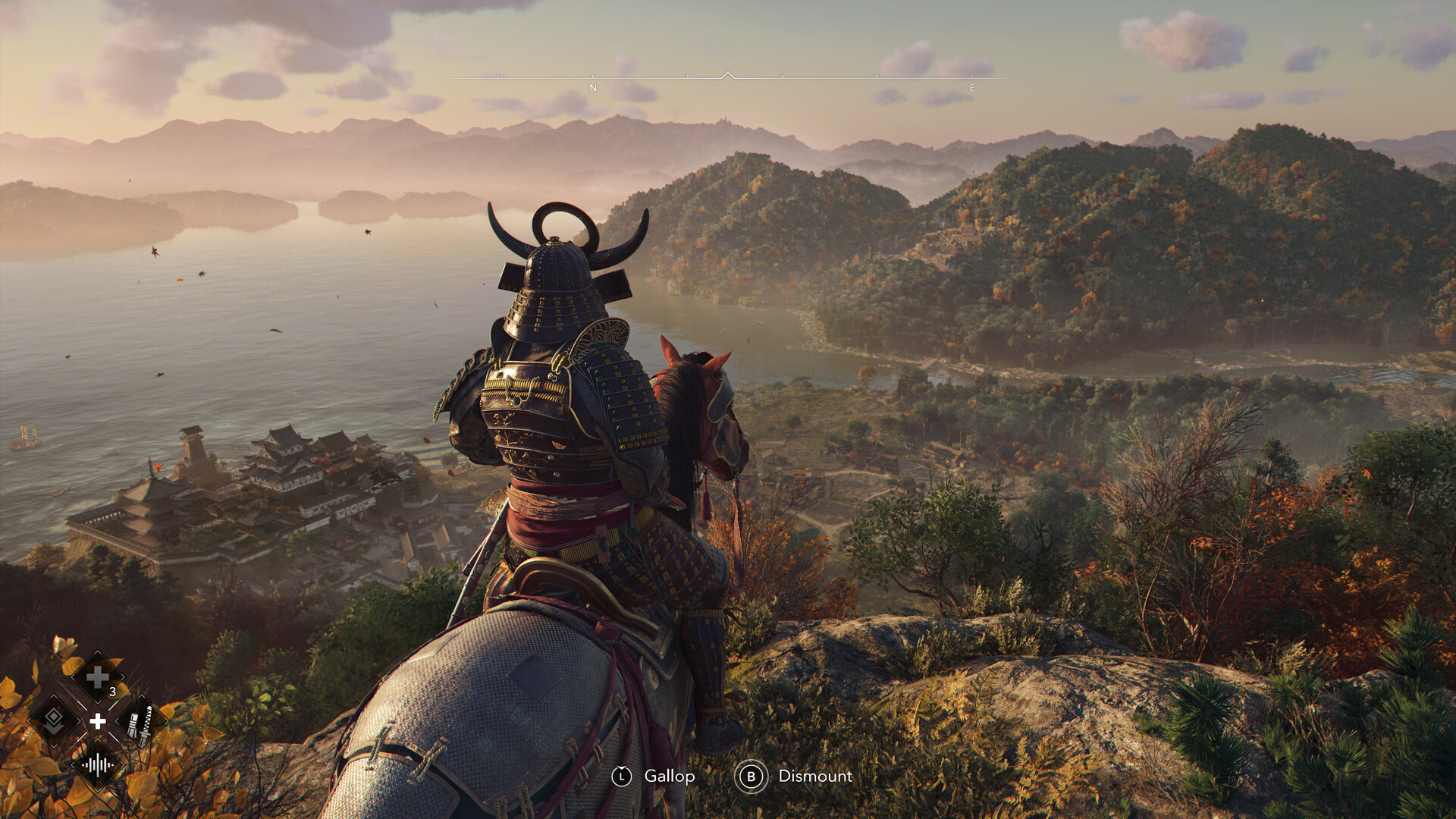
Stealth in Assassin’s Creed Shadows is the best the franchise has to offer. It’s not just functional, it’s also enjoyable. The detection system is fair, the AI behavior is reactive but not overpowered, and the tools you have are flexible. Shadows nails that feeling of tension from the combination of dropping from rafters, slipping through shadows, and using environmental tricks to remain undetected. For once, I found myself choosing stealth, and the game didn’t demand it. It was simply fun. Naoe’s animations do contribute a lot to this. Everywhere she goes and every move she makes has a sense of spirit and intention, and she encapsulates the shinobi and ninja archetypes with all the cleverness and agility there is. Ubisoft’s attention to Naoe’s design really shows, from top to bottom. It would have been a near-masterpiece in this regard if Shadows leaned more towards her stealth-focused gameplay and tried less to balance it with the chunky combat of Yasuke.
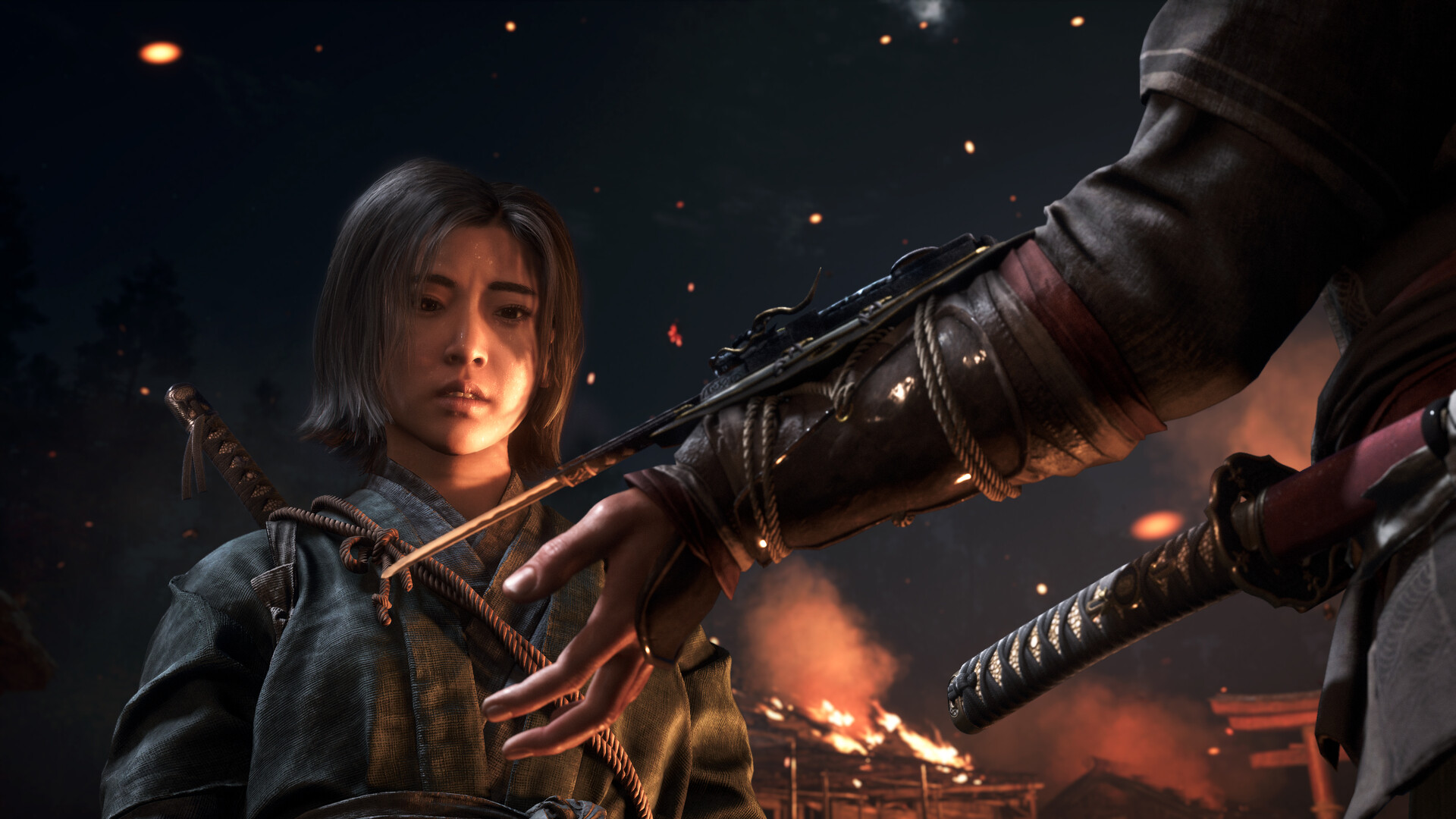
This is quite a drastic dip in quality for the series. Combat in Shadows is
Not very good. It is not broken, but the experience is a slog, making the gameplay feel like a chore. Even on the hardest difficulty setting, the combat is minimally engaging. Enemies become damage sponges, meaning combat loses all rhythm. After perfect parries, you expect to be rewarded with unique finishers or some smooth transitions to keep the combat flowing, but you get the satisfaction of a standard attack.
A concept like Yasuke’s is very promising, but there is a disparity between the expectation and the reality of the game. A massive and powerful combatant should feel unstoppable, but instead of generating seamless movement, the combat system encourages a slow and laborious style. Engaging combat increasingly becomes more difficult to appreciate when the systems become so unresponsive, as is the case with Shadows. Combat should not be a chore, and there is no other way to say it. Shadows is a backward step for the series.
Story and Structure: Disjointed and Disappointing
If you come to Shadows expecting to play through an engaging story, then I must sadly inform you that you will be disappointed. The story is disjointed, and each mission feels separate from the last, meaning that the pacing feels all wrong, and I began to lose interest two-thirds through the game. I felt like the players were offered too many disparate ideas and, rather than integrate them, the players were just left with disparate missions.
To add to the negative experience, the English dub is simply horrible. The performers all sound synchronized, leaving the visuals in a sort of purgatorial state, coupled with an absence of emotion. I had to switch to the Japanese version of the game, and while it is still better, it still does not come close to a good game experience.
The World: Beautiful But Also Shallow
In terms of beauty, the world is unbelievable, and there is no other world that can compete with it. The beauty of the world is incomparable. The realism is mind-blowing, with the reflections on the armor, the rain, and the environmental details. The visuals push the limits of the gaming hardware, and the gaming experience is extraordinary on the high-end setup with the DualSense controller. The haptic feedback is phenomenal. You can feel the rain on the rooftops, the tension of the sword when Yasuke is about to attack, and the grass when Naoe is walking. The gaming experience is fantastic with the advanced controller features, and there is no other gaming experience that makes the user fall in love with gaming. The controller features improve the gaming experience tremendously, and it is highly recommended to use them.
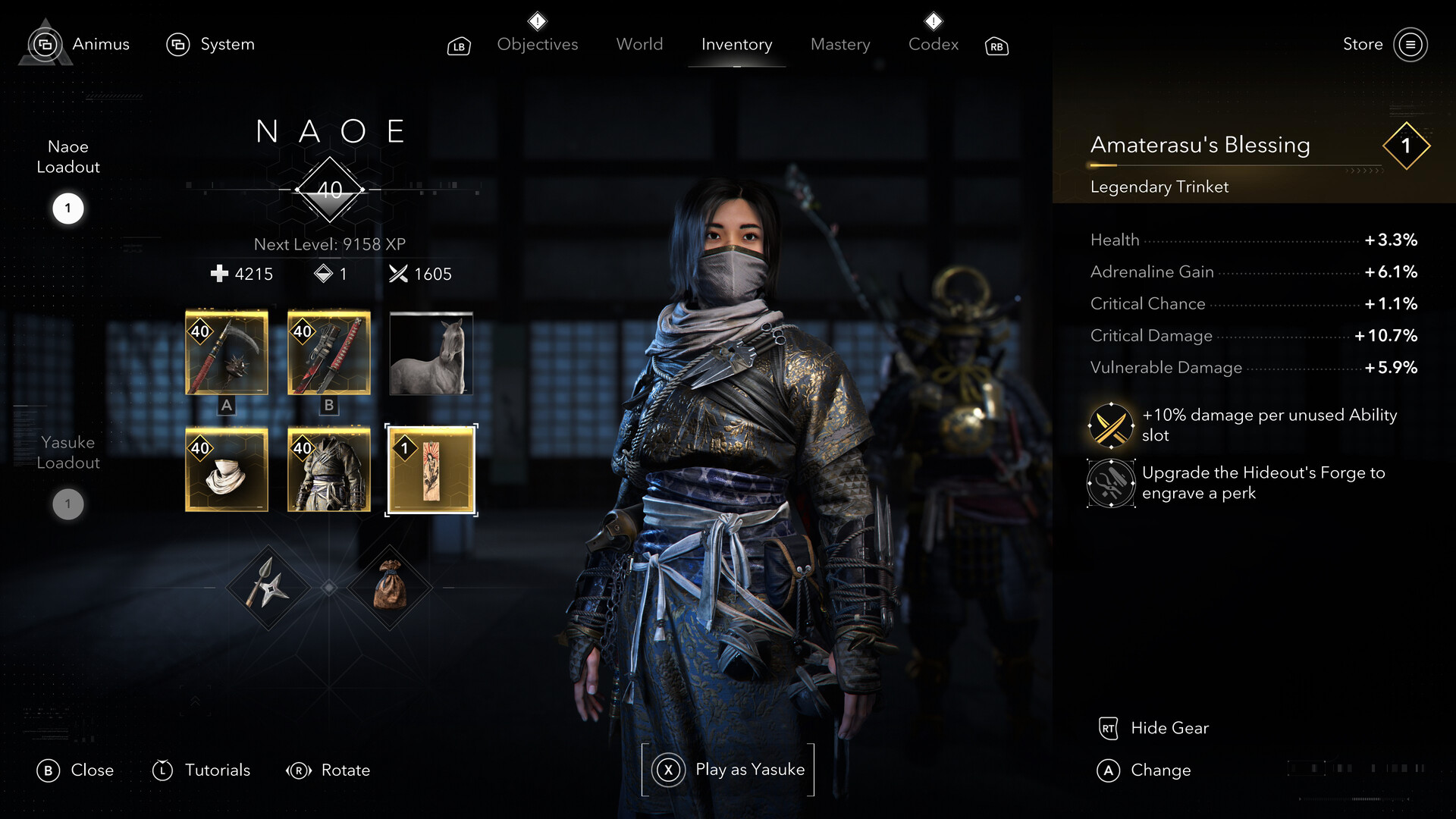
There is no doubt the world is beautiful, but the world is also empty. The world feels empty. Traversal is also tedious, and checking the waypoint is also tiresome. There are breathtaking regions with empty and meaningless activities. It also feels like Ubisoft placed unnecessary fluff. The collectible papers with the unlockable skills feel like unnecessary busywork. The padding seems unnecessary, even for Ubisoft. The fluff content feels excessive this time. Ubisoft also seems to have placed unnecessary fluff. The excessive fluff content also feels unnecessary, and even for Ubisoft, the padding feels excessive.
I was able to play some of my run on a Steam Deck, and for the most part, Shadows was well optimized for it. No, you won’t match the visual fidelity of the highest-tier rigs, but it is smooth enough to enjoy on the go. Load times are reasonable, and the world is visually appealing even on the smaller screen. For a game of this scale, this is a pleasant surprise and a big plus in my book.
Final Thoughts: Worth It for the Shinobi Fantasy
There’s so much to love about Assassin’s Creed Shadows, but I can’t shake the feeling that I’m going to be conflicted about this game for a while. I appreciate the freedom of movement and how beautifully the game is designed. There’s that immersion that is felt through a good controller setup, and the game tailors to that feeling. On the downside, the fragmented story doesn't feel like much of a tale, the combat has little to no engagement, and the world, while aesthetically designed, has no rich content that captivates the player. An RPG fan coming to this title, especially one that appreciates rich game mechanics, will find little to appreciate. Thankfully, for the player who loves the experience of a shinobi, this title will more than provide the fantasy of slipping through shadows and abandoning to the rooftops of feudal Japan.
I really had fun at the end of the day, and it was enough to feel satisfying, even if it wasn’t all of the time. Assassin’s Creed: Shadows is, by all means, a good game, although it isn’t the masterpiece it could have been. It is beautiful, it is ambitious, and at times it is even exciting, but it is also impeded by lackluster combat and mediocre storytelling. For now, I will refer to this as a good, first attempt at Japan, and I will continue to expect that the subsequent installment will finally provide the fluid RPG style that is supernatural and fully realized that this setting definitely calls for.