Assassin’s Creed Shadows – A Majestic Yet Monotonous Journey Through Feudal Japan
Every game in the AC series invokes the same excitement as the last. With the first glimpse of Assassin’s Creed Shadows, I was transported back to the days when I was running through ancient Greece in Odyssey. The world—I mean, the game world—seemed to be so alive. Parts of Japan are caught in a pre-modern conflict, while other parts are so serene, so peaceful, a wild contrast to the chaos. The world is so richly crafted that I was hooked almost immediately. Sneaking my way through the bamboo thickets, the game wilderness covering me like a shroud, the game’s promised immersive experience was finally here after a period of longing.
The humor in the game may not target the same audience as in Odyssey, but it builds warmth to the narrative that was set against a dark and troubled background, and again, it was so richly crafted. The script gave Naoe and Yasuke writing, but it was still grounded. The deliveries in the Japanese track were a true masterpiece and a joy to listen to. The authentic delivery was poetic in nature and wonderfully crafted to avoid the pitfalls of caricature, making it a highlight even for players who buy cheap PS4 games and value strong voice performances.
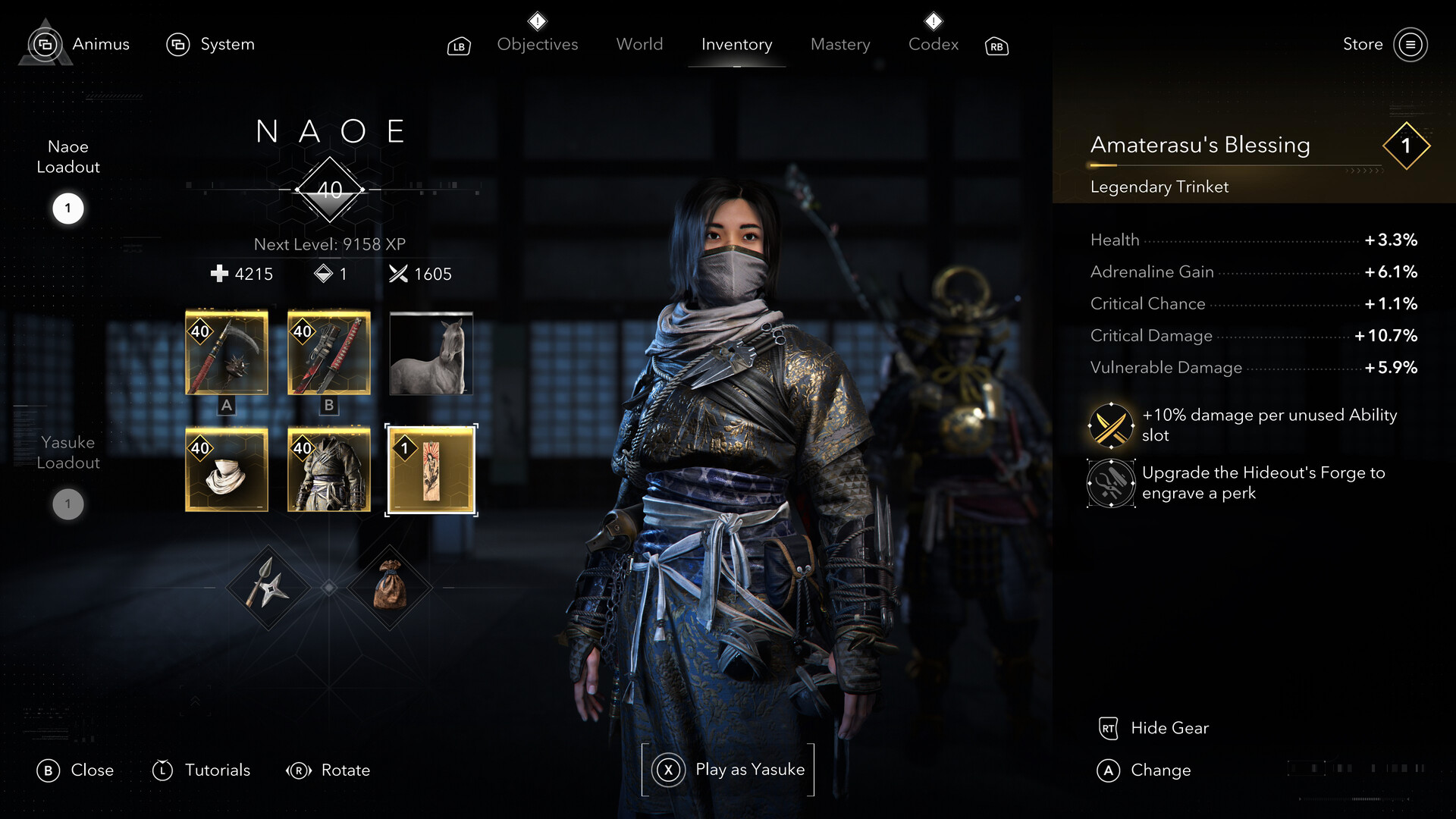
Dual Protagonists, Dual Styles
Naoe and Yasuke each bring their own flavor to the gameplay, offering players two contrasting yet equally satisfying approaches. Naoe embodies the series’ classic stealth roots. She moves like a whisper through the shadows, blending the grace of a shinobi with the calculated patience of a true Assassin. Her stealth toolkit is where Shadows truly shines. Light and sound play a dynamic role in every infiltration. You feel the tension as you time your movements with the rhythm of the environment—torches flickering, guards chatting, doors sliding open. The sense of presence in these moments is powerful.
One thing I appreciate about Naoe’s stealth mechanics is that it feels earned. It’s not simply about hiding in a bush and waiting for a target to stroll by. It’s about perfecting the balance between light and shadow. The modern stealth mechanics in this franchise are dynamic and fluid, while also being the most refined in recent times. The absence of social blending, however, is a small disappointment. The classic stealth feature integrated into the architecture of Assassin’s Creed II is a missed opportunity in a scenario that could have beautifully integrated social blending, mingling crowds, and stealth, something players who buy cheap games might miss as they recall the series’ earlier, more immersive mechanics.
Yasuke, in contrast, carries the open encounters with a unique presence and power. Each of his strikes is methodical and grounded in a way that makes the combat satisfying, especially when they are executed in unison. The weapon animation is a tremendous visual addition, and while encounters are not overly violent, they still have a cinematic quality. However, I would have preferred retention of some of the combat rhythm. I found the ability customization not flexible enough to fit the deep systems of combat progression. When I feel that deep systems are in place, I expect to be free to sculpt my playstyle, rather than having to follow pre-defined patterns.
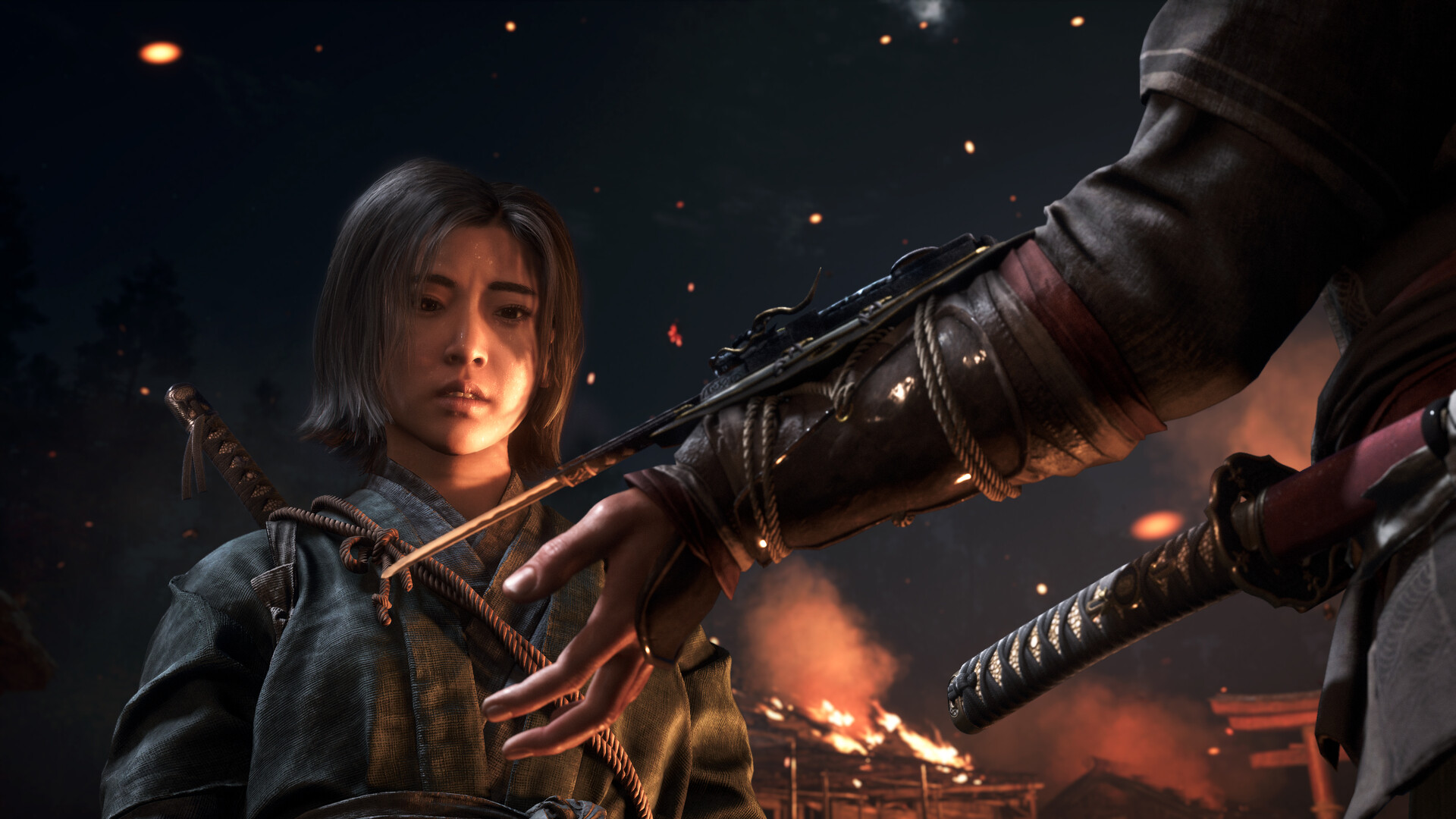
Progression: Strategy Over Stats
Assassin’s Creed Shadows shifts focus toward a more strategic RPG approach, and I really love that! Combat and progression feel purposeful instead of bloated, thus avoiding a “chase high numbers” scenario. Each upgrade feels impactful, allowing the players to spend some time considering the more strategic aspects of synergy and build acquisition. The grind for materials is still here, of course—character strengthening does require some farming. But that’s how it is in this genre!
Progression does miss the mark a little when it comes to gear and customization. After a certain point, it’s quite hard to feel unique due to the limited number of gear slots. Although the armor and weapon designs are elegant, the lack of opportunities to showcase individuality through the appearance of the character leaves much to be desired. After so much time spent exploring and crafting, I especially found the lack of cosmetic variety disappointing.
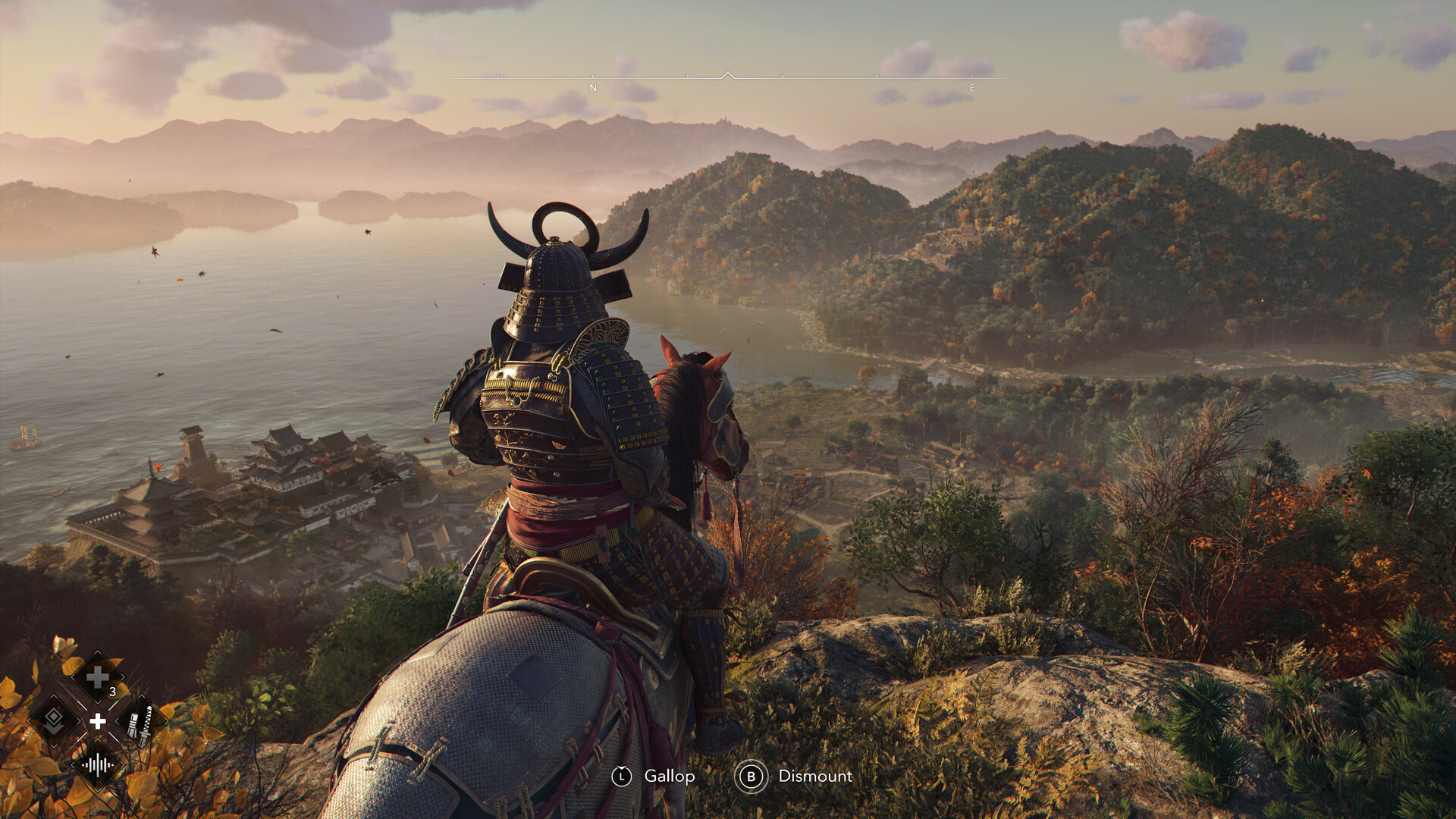
The World: A Beauty That Slowly Fades
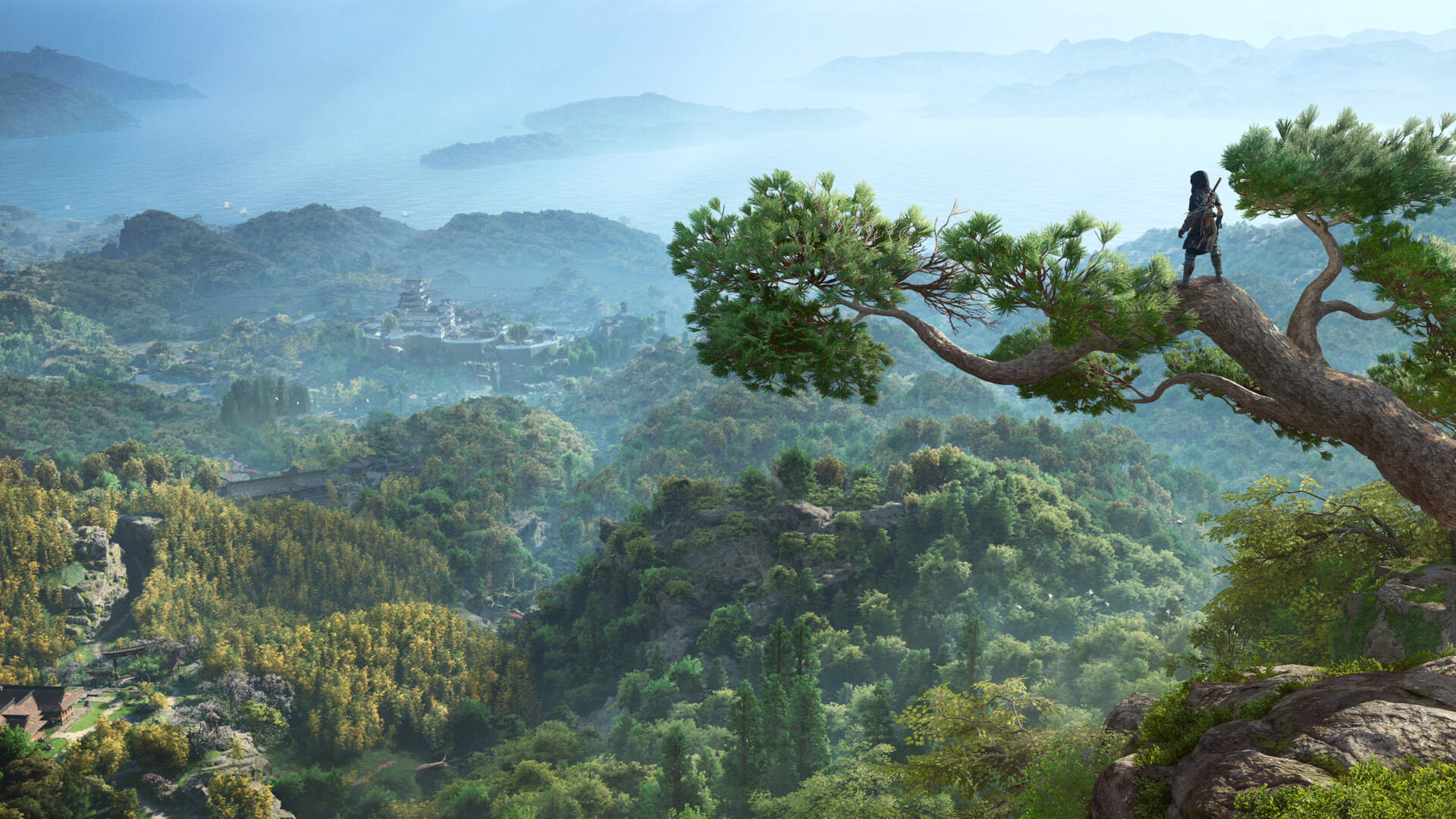
There is no denying that Feudal Japan is an astonishing backdrop. The attention to detail in Shadows is extraordinary. Seasonal transitions bring the world to life—cherry blossoms fluttering in spring, torrential rains marking the monsoon season, and fiery red leaves carpeting the autumn roads. The atmosphere shifts organically, creating a rhythm that keeps exploration soothing even after long sessions. Simply wandering through these environments feels meditative. The light filters through paper walls, streams trickle quietly under bridges, and distant bells echo from temples. It’s an audio-visual symphony of calm.
Even though I emphasize the settings I love, the world starts to lose its newness after many hours of play. I put in 60 hours before I realized the world was built around a repeating pattern. I could visit snow-draped hamlets or huge, sprawling cities. I could visit all the city-states, and still the same styles of buildings and settlements would begin to repeat. The game’s early bardic magic of discovery declines to a dull routine. The size of the world works against its uniqueness, making it hollow. By the time I reached 100 hours, I could not believe the game still had more shrines to see, more mountain passes, more scenic overlooks.
This is not to say the sense of discovery was unrewarding. The reward was there, but the source had diminished. The sense of mystery that made Odyssey so compulsively prodigious is explored, but it does not seem to be the fascination with Scatter. I missed more of Odyssey’s stranger, overtly science-fiction, and techno-saturated story of the game. The absence of the techno challenged the pseudo-magical narrative in Shadows and left it too grounded for its own good.
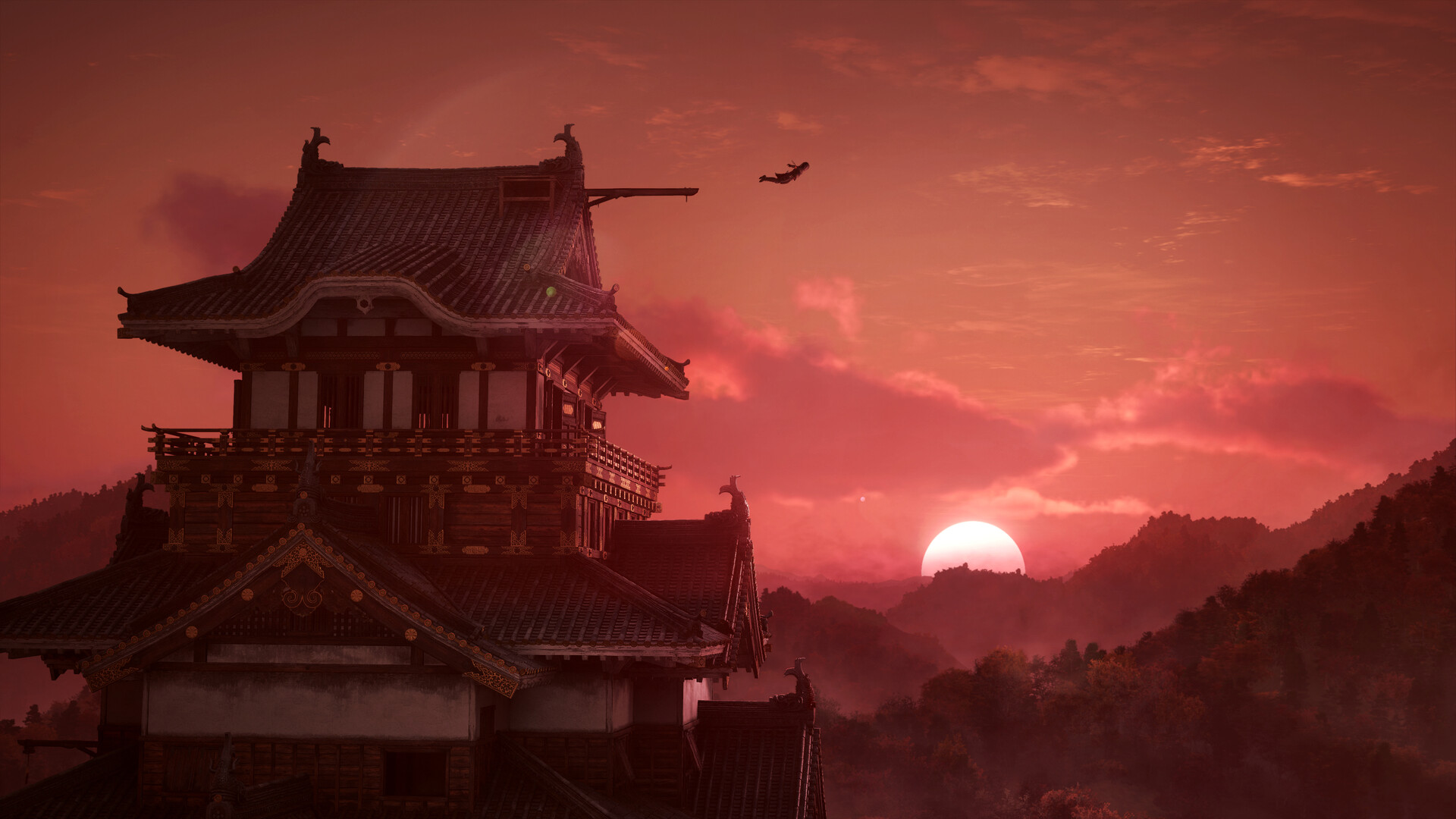
Traversal and Navigation: A Fractured Flow
Poor traversal options are what hinder Assassin’s Creed: Shadows the most. Visually, the world is gorgeous, but there is dissonance if you are exploring, and freedom is curbed. When you cannot climb something, there is something arbitrary about that design choice, especially after the series built expectations on the ability to climb and explore. In those instances, you hit an invisible wall, you are forced to turn around, and retrace your steps to find the “correct path.” When open-world design has been perfected to encourage free exploration, these moments are jarring. You can see most of the world around you, but cannot interact and reach even simple goals like climbing temple roofs.
Stunning mounted and vehicle animations do little to alleviate the pain. You can end up with rough auto navigation in the mountains and be forced to steer the vehicle down narrow paths. By the end of a playing session, the build-up from these moments can lead to achievements to make even the most rewarding quests feel like a chore. The atmosphere, stealth mechanics, and world-building are still amazing, but the lack of good traversal mechanics still feels like a step back.## Missed Opportunities for Consequence Systems
The game implements a kind of Wanted system, reminiscent of its forerunners, albeit in a restricted capacity. Actions that warrant a harsh reaction from the world leave a sense of void. The tension of the chase, becoming the hunted, goes unfulfilled. Interactions with the pursuants lack the adrenaline needed, the anticipation. It narrows the illusion of a stunningly reactive world around the player. I genuinely hope Ubisoft builds on this in the updates that follow. The groundwork is there; it just needs real consequences to create a sense of completion.
The Artistic Heartbeat
Even with these persistent flaws, what moves Assassin’s Creed Shadows beyond its flaws is its bare atmosphere. Every frame is almost painterly, and every sound intentional. The interplay of wind and different weather conditions, together with light, produces a sense of place that few games achieve. When a game world makes you want to stand, simply watch the rain, and savor the moment, it’s something special. There is artistry in the world's design that deserves to be praised in full.
I appreciate the dialogue system and the way conversations flow and develop. Immersive dialogue design is a big improvement, replacing awkward conversations with soft gestures, fluid changes, and emotional holds. This, coupled with the wonderful performances from the Japanese voice actors, provided an authenticity and tenderness that enriched the whole story. I truly cared about Naoe and Yasuke by the end because their character arcs were treated with a real sincerity and grace.
The Verdict: A Long Journey Worth Taking
I’ve been playing Assassin’s Creed Shadows for more than a hundred hours, and I can say that I have absolutely no regrets. I’ve received more than my money’s worth. It’s a highly enjoyable game, one that fulfills its promise to allow players to experience the authentic fantasy of a shinobi and samurai in one of the most beautiful worlds crafted by Ubisoft. The stealth is a great improvement, the world is gorgeous, and the combat is satisfying, making it a must-play for those who buy cheap PS4 games and still expect top-tier quality.
The Shadows' experience is August’s paradox. What initially captures your imagination eventually becomes sameness. What seems impressively vast eventually feels insubstantial. Fortunately, repetition is mitigated by maintaining the quality of the experience. It does not quite break the boundaries of the open-world, but it meaningfully improves the formula.
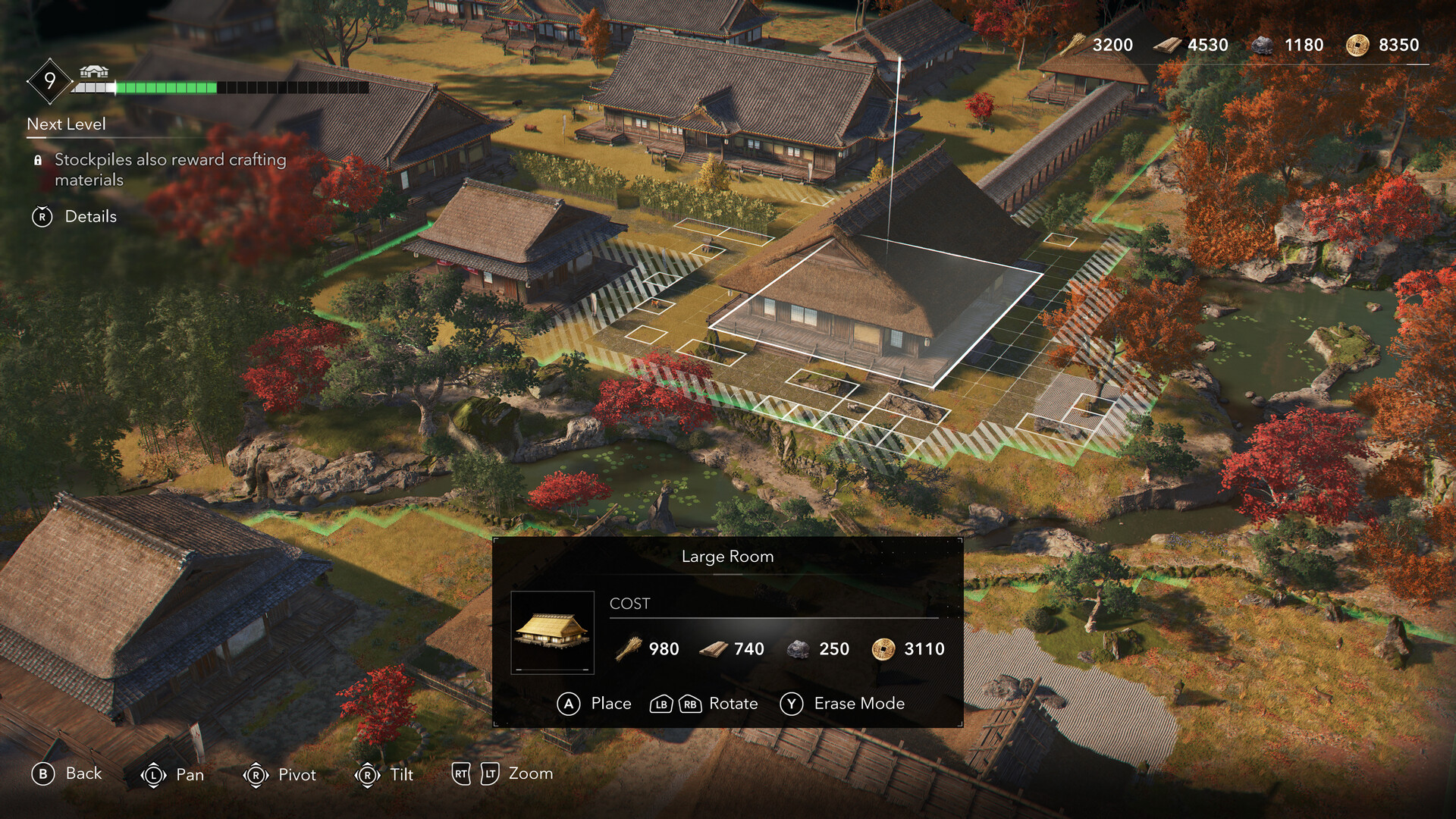
I hope the future game updates focus on community building, robust game world morality, and, as a consequence, game depth. Expanded community building and game world depth would mean game goals and community-building focus goals. Refined Shadows would mean game goals and community-building focus goals. Expanded community building and game world depth would mean game goals and community-building focus goals. Refined Shadows would mean game goals and community-building focus goals.
It’s been a pleasure playing and engaging with the numerous ideas it presents and the contrasts it evokes. The journey Shadows takes you on makes it a memorable experience with a strong light. It’s beautiful. I rate it a 9 out of 10.