Behind the Curtain: The Underworld Economy of Illicit Online Marketplaces
In the corners of the internet lies a extensive and complex ecosystem known as the deep web, an area that has long intrigued both researchers and the curious alike. This obscured part of the web, often accessed through specific tools like Freenet, is home to a multitude of markets that operate beneath the bounds of conventional law. While the visible web is a space controlled by well-known platforms and business entities, the dark web offers a more cryptic and often perilous marketplace where secrecy reigns over all.
Within this clandestine environment, individuals can buy and trade a wide range of items and services, ranging from ordinary goods to illicit drugs, hacking tools, and personal information. The appeal of dark web markets is rooted in their confidentiality and the notion of inaccessibility, providing a stark contrast to traditional commerce. As we dive deeper into this hidden economy, we will explore how these markets operate, the drives of their users, and the implications for society at large. Understanding this clandestine network is vital in comprehending the intricacies and difficulties posed by the transforming landscape of the web.
Understanding this Dark Web
The dark web is a limited part of this internet that is not really indexed by traditional search engines. It is accessed through designated software including Tor, which allows users to keep anonymity while browsing. This hidden layer of the internet is frequently misunderstood, as it is connected primarily with illegal activities. However, the dark web also hosts communities and platforms that emphasize privacy and freedom of expression, particularly in countries with repressive regimes.
One of the most well-known aspects of the dark web is its marketplace dynamics. Such markets facilitate the buying and selling of various goods and services, ranging from legal items to unlawful substances and hacking services. Users can find a variety of commodities, often with less risk of exposure compared to surface web transactions. The use of cryptocurrency for payments enhances secrecy, making it difficult for authorities to trace transactions.
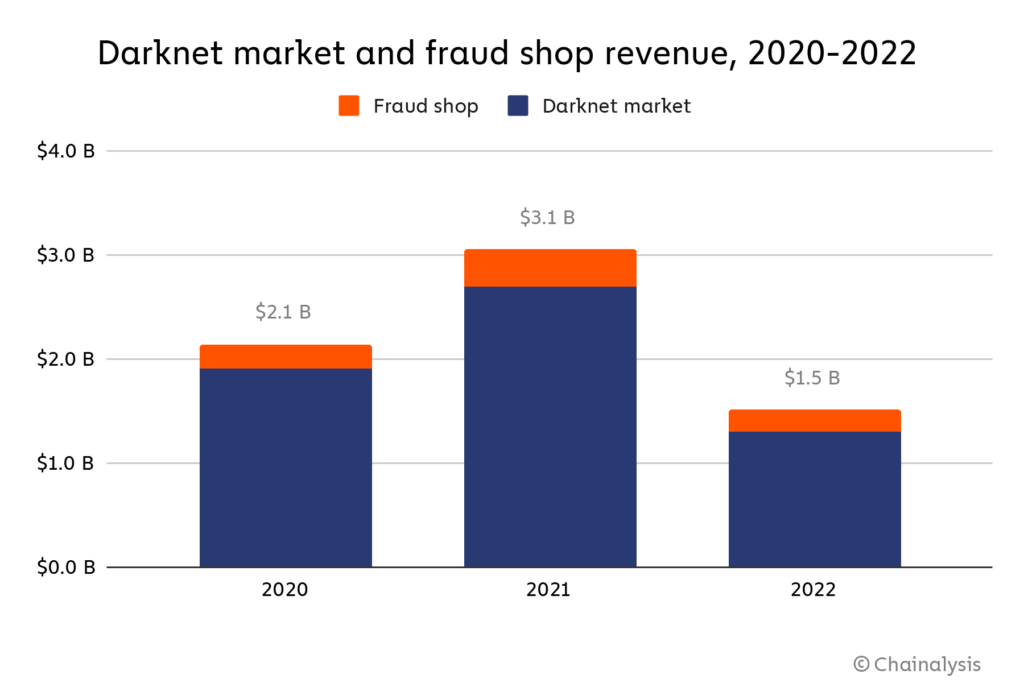
Despite its reputation, the dark web is not solely a haven for unlawful behavior. darkmarket 2026 turn to this setting to seek information, share ideas, or communicate freely without fear of censorship. Activists, journalists, and whistleblowers regularly find refuge in the dark web as it allows them to operate under conditions that might be precarious in their origin countries. Grasping the multifaceted nature of the dark web is important for understanding its impact on both social and economic interactions in our increasingly digital world.
Market Trends and Trends
The dynamics of dark web markets are influenced by a multifaceted relationship of demand, supply, and government scrutiny. As users seek anonymity and access to goods and offerings that are often prohibited, the market responds to these needs. Vendors often provide a variety of products, from drugs to hacking services, taking advantage on the growing demand. The transient nature of these markets, with many closing and relaunching under different titles, creates a sense of urgency among customers, thereby driving market activity.
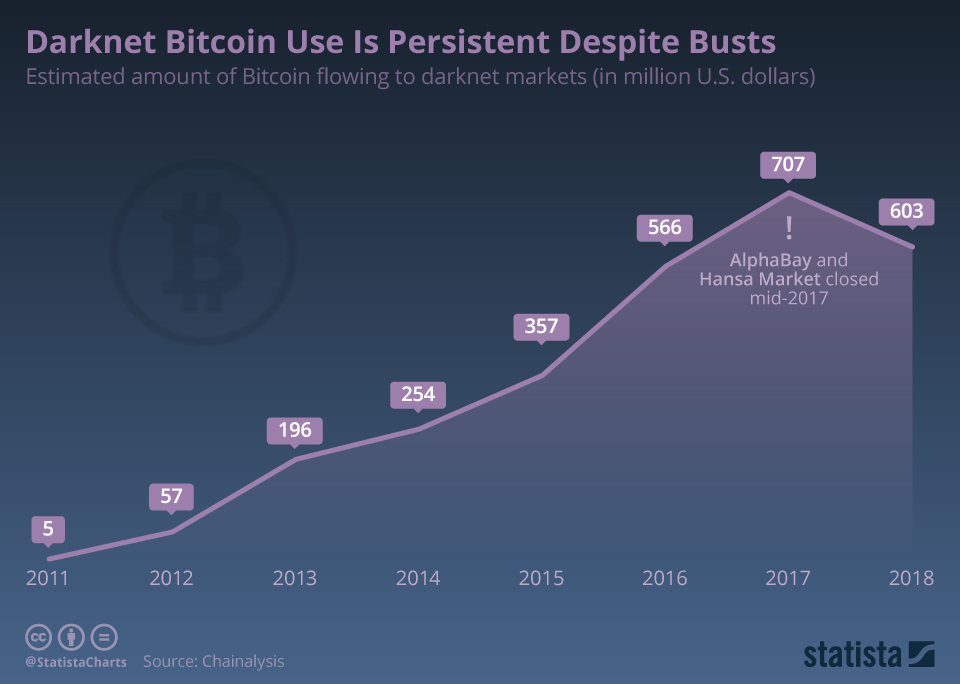
Recent observations indicate a movement toward specialized markets that cater to specific demographics, allowing sellers to build trustworthiness and credibility over time. These niche markets often focus on particular categories, such as counterfeit goods or specific drugs, which can boost buyer allegiance and improve service. Additionally, the use of digital currencies continues to underpin transactions, providing an extra level of privacy and safety for users, thus attracting more users to these shadow markets.
Law enforcement agencies worldwide are more and more concentrating their efforts on tackling dark web activities, prompting a continuous cat-and-mouse game between authorities and market operators. As new regulatory measures are introduced, vendors are forced to innovate their methods to preserve privacy and avoid detection. This persistent cat-and-mouse dynamic not only affects the operational practices of markets but also encourages the development of innovative security measures, thus evolving the realm of online anonymity.
Safety and Ethical Considerations
Navigating dark web markets poses considerable safety risks for users, including vulnerability to scams and cyber threats. The secrecy that defines the darknet attracts a wide range of individuals, not all of whom have noble intentions. Users may become targets to fraudulent schemes, with vendors vanishing after taking payment or providing substandard products. It is vital to navigate these platforms with caution, employing strong security measures such as encrypted connections and secure payment methods to mitigate risks.
Ethically, engaging with dark web markets raises complex questions about legality and morality. While some individuals defend their participation in these markets by claiming a pursuit of privacy or a reaction against mainstream norms, the truth is that many transactions involve illegal goods and services that contribute to broader societal issues. When buying or trading items on the dark web, participants must face the ethical implications of their actions, considering the possible consequences on communities and the individuals involved.
Additionally, the dark web can serve as a double-edged sword, providing a space for illicit activities while also offering a refuge for free speech and information sharing in oppressive regimes. This dichotomy challenges users to reflect on their motivations for entering these markets. As discussions about digital rights and privacy continue to evolve, the dark web remains a polarizing topic that necessitates thoughtful consideration of both personal safety and moral responsibilities.