rhythmferry66

Understanding Container Dimensions: A Comprehensive Guide to 45-Foot Containers


Worldwide of logistics and shipping, comprehending container dimensions is critical for efficient transport of items. Containers function as the foundation of international trade, facilitating smooth transitions in between sea and land transport. Amongst different container sizes, the 45-foot container has actually acquired appeal due to its versatile capability and useful application in transporting large volumes of cargo.

This blog post will offer an extensive summary of 45-foot container dimensions, including their specs, features, and typical usages. We'll also delve into frequently asked concerns (FAQs) related to these containers for a well-rounded understanding.

1. Introduction of Container Types


Before diving into the specifics of 45-foot containers, it is important to understand the types of containers offered in the shipping market. Below is a short summary:

Container Type

Length (feet)

Width (feet)

Height (feet)

Standard Container

20

8

8.5

Requirement Container

40

8

8.5

High Cube Container

40

8

9.5

Standard Container

45

8

9.5

High Cube Container

45

8

9.5

Refrigerated Container (Reefer)

40

8

9.5

Refrigerated Container (Reefer)

45

8

9.5

2. Specifications of 45-Foot Containers


A 45-foot container is frequently utilized for transporting larger amounts of items while still being accepted in various shipping situations. 45ft Storage Container lays out the dimensions and specs of standard and high cube 45-foot containers.

Requirement 45-Foot Container Dimensions

Measurement

Measurement

External Length

45 ft (13.72 m)

External Width

8 ft (2.44 m)

External Height

8.5 ft (2.59 m)

Internal Length

44.5 ft (13.56 m)

Internal Width

7.7 ft (2.35 m)

Internal Height

8.3 ft (2.53 m)

Maximum Gross Weight

30,480 kg (67,200 lbs)

Tare Weight

3,660 kg (8,065 pounds)

Maximum Payload

26,820 kg (59,135 pounds)

High Cube 45-Foot Container Dimensions

Dimension

Measurement

External Length

45 ft (13.72 m)

External Width

8 ft (2.44 m)

External Height

9.5 ft (2.89 m)

Internal Length

44.5 ft (13.56 m)

Internal Width

7.7 ft (2.35 m)

Internal Height

8.9 ft (2.69 m)

Maximum Gross Weight

30,480 kg (67,200 lbs)

Tare Weight

4,045 kg (8,935 pounds)

Maximum Payload

26,435 kg (58,265 pounds)

Key Features of 45-Foot Containers

  1. Capability: The 45-foot container offers a bigger capability compared to the standard 40-foot container, making it ideal for specific bulk shipments.
  2. Flexibility: These containers are perfect for a range of cargo types, consisting of dry products, equipment, and temperature-sensitive products when equipped as reefers.
  3. Durability: Constructed from robust steel, 45-foot containers are created to stand up to harsh shipping environments.

3. Common Uses of 45-Foot Containers


Understanding the useful applications of 45-foot containers further stresses their significance in international trade. Here are some typical usages:

  • Retail and Consumer Goods: Ideal for transporting large quantities of product from producers to retailers.
  • Building and construction Materials: Perfect for transporting heavy machinery and materials to building websites.
  • Food and Beverages: Often used in the transportation of perishable items, particularly when created as refrigerated containers.
  • Furniture and Household Goods: A preferred option for moving domestic and office furniture throughout relocations.

4. FAQs about 45-Foot Containers


Q1: Why select a 45-foot container over a 40-foot container?

A: The 45-foot container offers extra capability, permitting the transportation of more goods while still maintaining compliance with shipping policies. This can lead to decreased shipping expenses per system for bigger shipments.

Q2: Are 45-foot containers ideal for worldwide shipping?

A: Yes, 45-foot containers are designed to satisfy international shipping requirements and can be used for international transport.

Q3: Can I use a 45-foot container for regional moves?

A: While generally used for global shipping, 45-foot containers can be made use of for regional transfer to supply more area for bigger households or companies.

Q4: What sort of items can be delivered in a 45-foot container?

A: They can accommodate a wide array of items, including heavy machinery, retail product, food products (when refrigerated), and personal possessions.

Q5: How do I find a supplier for a 45-foot container?

A: Numerous shipping business and freight forwarders use renting or purchasing options for 45-foot containers, both brand-new and used. It is a good idea to compare costs and terms before deciding.

In conclusion, the 45-foot container stands apart for its practical style and versatility in handling a broad selection of products. Its dimensions, capability, and durability make it a vital element in global logistics operations. By comprehending the specs and typical uses of 45-foot containers, companies and individuals can make knowledgeable decisions regarding their shipping needs. Whether for international trade or local transport, the advantages of utilizing a 45-foot container are substantial and well worth considering.

This post aimed to shed light on the intricacies surrounding 45-foot containers, consequently empowering readers to navigate the logistics landscape with self-confidence.
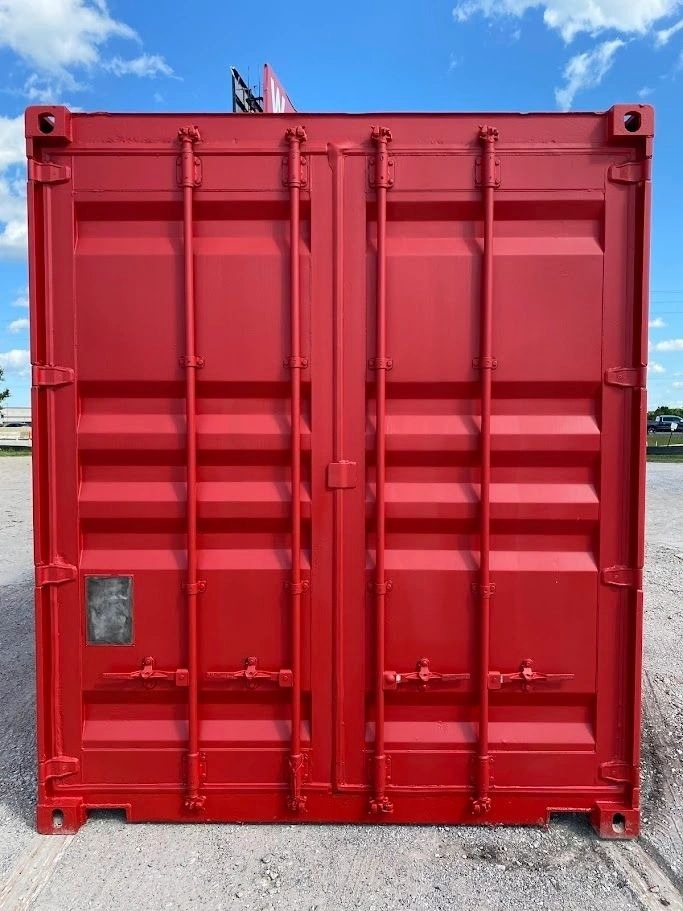
Exploring Containers: The Backbone of Modern Application Development


Intro


In today's fast-paced tech landscape, containers have become an essential element of application advancement and release. They provide a flexible, effective way to package applications with their dependences, guaranteeing consistency across different environments. This post seeks to discuss what containers are, their advantages, typical use cases, and how they suit the bigger DevOps environment.

Table of Contents


  1. What are Containers?
  2. A Brief History of Containers
  3. Advantages of Using Containers
  4. Popular Container Technologies
  5. Usage Cases for Containers
  6. Challenges and Considerations
  7. Frequently Asked Questions (FAQs)
  • * *

1. What are Containers?


Containers are lightweight, standalone, executable software plans that consist of whatever needed to run a piece of software: the code, runtime, libraries, and system tools. Unlike traditional virtual devices, containers share the host system's kernel however operate in isolated user areas, making them more effective in regards to resource usage.

Table 1: Difference Between Containers and Virtual Machines

Feature

Containers

Virtual Machines

Seclusion Level

OS-level

Hardware-level

Start-up Time

Seconds

Minutes

Resource Efficiency

High

Lower

Size

Light-weight (MBs)

Heavy (GBs)

Overhead

Very little

Significant

Mobility

Extremely Portable

Less Portable

  • * *

2. A Brief History of Containers


The principle of containers is not brand-new; it can be traced back to the early 1970s. However, with the introduction of technologies like Docker in 2013, containers acquired huge popularity. Initially utilized for application virtualization, the innovation has actually evolved to support microservices architectures and cloud-native applications.

  • * *

3. Benefits of Using Containers


Containers offer a number of advantages that make them vital in present software application development practices:

3.1 Portability

Containers can run across different environments without changes, from a designer's laptop to production servers. This portability is important for ensuring constant habits in various stages of the development lifecycle.

3.2 Scalability

Containers can be spun up or down quickly, making it possible for applications to scale based upon demand. This function is particularly useful in cloud environments where work change substantially.

3.3 Resource Efficiency

Since containers share the host OS kernel, they take in fewer resources than virtual makers. 45ft Storage Container in much better usage of facilities, minimizing expenses.

3.4 Improved Development Speed

Containers assist in quicker application advancement and testing cycles. Designers can create environments quickly and deploy applications without waiting on the underlying infrastructure to arrangement.

3.5 Enhanced Security

Containers offer an added layer of security by isolating applications from each other and from the host system, enabling safer execution of code.

  • * *

4. Popular Container Technologies


While Docker is the most widely recognized container innovation, a number of other tools are likewise popular in the market. Here is a list of a few of the leading container technologies:

  • Docker: The leader of container technology that made it easy to establish, ship, and run applications.
  • Kubernetes: An orchestration tool for managing containerized applications throughout clusters.
  • OpenShift: A Kubernetes-based container platform that provides developer and functional tools.
  • Amazon ECS: A totally managed container orchestration service by Amazon Web Services.
  • CoreOS rkt: An alternative to Docker designed for application pod management.

    • *

5. Usage Cases for Containers


The flexibility of containers has actually rendered them suitable for a wide array of applications. Here are some common usage cases:

5.1 Microservices Architecture

Containers are an excellent suitable for microservices, permitting developers to isolate services for increased dependability and simpler maintenance.

5.2 Continuous Integration/Continuous Deployment (CI/CD)

Containers allow consistent environments for testing and production, which is essential for CI/CD practices.

5.3 Application Modernization

Tradition applications can be containerized to boost their deployment and scalability without requiring complete rewrites.

5.4 Multi-cloud Deployments

Containers enable services to run applications seamlessly across various cloud suppliers, avoiding vendor lock-in.

5.5 Edge Computing

Containers are becoming essential in edge computing scenarios where light-weight, portable applications require to be deployed rapidly.

  • * *

6. Obstacles and Considerations


While containers present various benefits, they are not without difficulties. Organizations needs to think about the following:

  • Security: The shared kernel design raises security issues. It's vital to execute best practices for container security.
  • Complexity: Managing multiple containers can result in complexities in implementation and orchestration.
  • Networking: Setting up communication in between containers can be more tough than in traditional monolithic architectures.
  • Tracking and Logging: Traditional tracking tools might not work flawlessly with containers, necessitating brand-new strategies.

    • *

7. Often Asked Questions (FAQs)


Q1: Can I run containers without Docker?

Yes, while Docker is the most popular container runtime, alternatives like containerd, rkt, and Podman exist and can be used to run containers.

Q2: Are containers protect?

Containers offer a natural level of seclusion. Nevertheless, vulnerabilities can exist at numerous levels, so it is vital to follow security best practices.

Q3: How do I manage persistent data in containers?

Containers are ephemeral in nature, so handling consistent information usually includes utilizing volumes or external information storage options.

Q4: Are containers suitable for all applications?

Containers master circumstances involving microservices, but traditional monolithic applications may not benefit from containerization as much.

Q5: How do containers connect to DevOps?

Containers facilitate the DevOps paradigm by allowing consistent environments throughout advancement, screening, and production, thus improving cooperation and effectiveness.

  • * *

Containers have actually transformed the method applications are developed, released, and handled. Their portability, scalability, and efficiency make them a perfect choice for modern software application advancement practices. As companies continue to welcome containerization, they will require to browse the associated obstacles while leveraging the innovation's advantages for seamless application delivery. Comprehending containers is essential for anybody associated with technology today, as they will continue to be a cornerstone in structure robust, scalable applications in the future.