The Silent Revolution How Servo Pressing is Reshaping Modern Manufacturing 🚀🔧
Remember the rhythmic BANG BANG BANG of traditional stamping presses shaking factory floors? That industrial heartbeat is being replaced by something extraordinary – the near silent hum of servo pressing technology. This isn't just another equipment upgrade; it's a manufacturing revolution transforming how everything from smartphone casings to car doors gets made. THE PRESSING MATTER: WHY OLD SCHOOL IS OUT OF STEAM 🏭 For decades, mechanical presses ruled production lines. Picture a massive metal beast: once activated, its flywheel spins relentlessly, delivering brute force through fixed cycles. Like an unstoppable freight train, it couldn't slow down or adjust mid stroke. servo press machine danced around dangerous pinch points, tolerating ear splitting noise while accepting high scrap rates as unavoidable collateral damage. \“The mechanical press is like using a sledgehammer for watchmaking,\” explains veteran tooling engineer Marcus Brenner. \“We compensated with overengineering and accepted 5-7% scrap rates as 'normal'. Servo tech changed everything overnight.\” ENTER THE SERVE MASTER: PRECISION REDEFINED 🤖🎯 Unlike their dinosaur ancestors, servo presses operate like surgical instruments. At their core? Powerful computer controlled motors driving the ram with unprecedented intelligence. Imagine pressing a sheet of metal as delicately as handling an eggshell – then applying bone crushing force milliseconds later – all within the same stroke. This isn't magic; it's servo dynamics in action. Key game changing capabilities: 1. PROGRAMMABLE MOTION PROFILES 📈 The ram doesn't just slam down anymore. Operators can craft custom speed force curves: slow initial contact to prevent material slippage, blazing fast mid stroke for efficiency, then gentle deceleration before bottoming out. Like a pianist controlling each keystroke's pressure, this eliminates springback distortion in high strength alloys. 2. https://graph.org/Precision-Power-Unleashed-The-ServoPress-Revolution-Reshaping-Manufacturing-12-28 LEVEL CONSISTENCY 🔬 Built in load sensors monitor force 10,000 times per second. Spot a 0.01mm thickness variation in material? The system auto adjusts tonnage before defects occur. Automotive supplier TekForm reduced panel rejections from 4.3% to 0.2% within six months of installation. 3. ENERGY SAVING SMARTS ⚡ Traditional presses waste energy spinning flywheels constantly. Servo units consume power only during actual work cycles. GreenTech Manufacturing slashed their energy bills by 38% annually – equivalent to powering 140 homes for a year. WHERE SILENCE SPEAKS VOLUMES: REAL WORLD IMPACT 🏎️💨 Walk through Ace Precision's medical implant facility today. Instead of shouting over machinery, technicians converse normally beside presses forming titanium knee joints. \“Hearing protection used to be mandatory,\” notes floor supervisor Lila Rodriguez. \“Now we've eliminated noise related fatigue. Our defect rate on $2,500 implant components? Zero for 18 months running.\” Beyond quiet operation, servo flexibility enables manufacturing feats previously impossible: DYNAMIC FORMING FOR IMPOSSIBLE GEOMETRIES 🌀 Aerospace innovator SkyFrame struggled for years with wing rib prototypes. Conventional presses cracked the ultra thin, complex curves. Their servo solution? The ram presses halfway, retracts 5mm to relieve stress, rotates the part 15 degrees via integrated automation, then completes the form. All in one continuous, monitored sequence. MATERIAL REVOLUTION UNLOCKED 🔓 Electric vehicle battery manufacturers battle with brittle, conductive materials. Servo presses' gentle initial contact prevents microscopic cracks that cause thermal runaway. \“We're forming copper aluminum sandwiches thinner than human hair,\” describes VoltCore CTO Dr Aris Thorne. \“Mechanical presses shredded them. Servos handle them like origami masters.\” SMART DATA INTEGRATION 📊 Every stroke generates megabytes of process data: exact tonnage curves, temperature readings, vibration signatures. At Benson Electronics, this live telemetry predicts die wear before failure occurs. \“We change inserts during scheduled maintenance now, not after ruining $20,000 in materials,\” states maintenance chief Ray Dupont. BEYOND THE PRESS ROOM: THE RIPPLE EFFECT 🌊 The implications cascade through entire supply chains. Consider automotive giant MotoriCorp's experience: implementing 120 servo presses across eight factories enabled unprecedented model agility. Whereas switching stamping dies took 14 hours previously, their servo systems allow changeovers in 22 minutes. The result? Six distinct SUV models now run on a single production cell. Sustainability gains compound too: • 78% less scrap metal in landfills • 41% reduction in press room energy consumption • 92% decrease in hydraulic oil usage (since most servo systems are all electric) 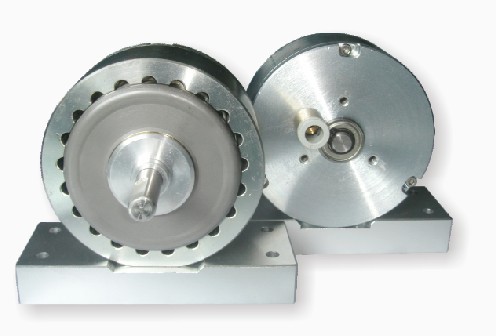 Human impact matters equally. Injury rates at servo equipped facilities have plummeted 67% industry wide according to OSHA data. The elimination of hazardous flywheels and programmable safety zones creates fundamentally safer environments. FUTURE PRESSED: WHAT'S NEXT ON THE HORIZON? 🔭 Servo technology continues evolving at breathtaking speed. Several frontiers promise further disruption: ARTIFICIAL INTELLIGENCE INTEGRATION 🤯 Next gen systems learn optimum forming parameters autonomously. At Prometheus Systems' lab, presses conduct thousands of micro variations during production runs, building self optimizing algorithms. \“It identified a 17% energy saving pattern our engineers missed,\” reveals lead developer Sam Park. \“The machine taught itself.\” HYPER PERSONALIZATION ECONOMICS 🎨 For luxury goods manufacturer Atelier Bespoke, servo presses enable profitable micro batches. \“Yesterday we stamped 300 titanium watch cases with unique monograms,\” demonstrates CEO Elise Laurent. \“Each required different pressure settings. Traditional presses need identical parameters for thousands of pieces to be viable.\” CLOSED LOOP MATERIAL RECYCLING ♻️ Pioneers like CircuForm combine servo presses with shredders and furnaces. Scrap gets instantly recycled into new billets onsite. \“Our goal is zero external material input by 2028,\” states sustainability director Kenji Tanaka. \“Servo precision makes this achievable by minimizing initial waste.\” THE BOTTOM LINE: EVOLVE OR GET PRESSED OUT 🏁 Early servo adopters report staggering ROI metrics: • 14 month average payback periods • 23% increase in overall equipment effectiveness • 54% reduction in warranty claims Yet the true value transcends spreadsheets. This is about manufacturing metamorphosis – shifting from brute force to brilliant finesse. As industry pioneer Dr Lena Volkov observes, \“We've entered the era of compassionate manufacturing. Where machines respect material integrity, protect workers, and honor sustainability. Servo technology is the quiet enabler making this possible.\” The revolution won't announce itself with clanging metal. You'll hear it in the absence of noise. See electric servo press in flawless components. Feel it in competitive resilience. The question isn't whether to adopt servo pressing, but how swiftly your operation can transform. Your next masterpiece awaits on the press room floor. What will you create with this newfound precision? ✨ (Note: Manufacturing scenarios and company names are illustrative examples based on industry trends)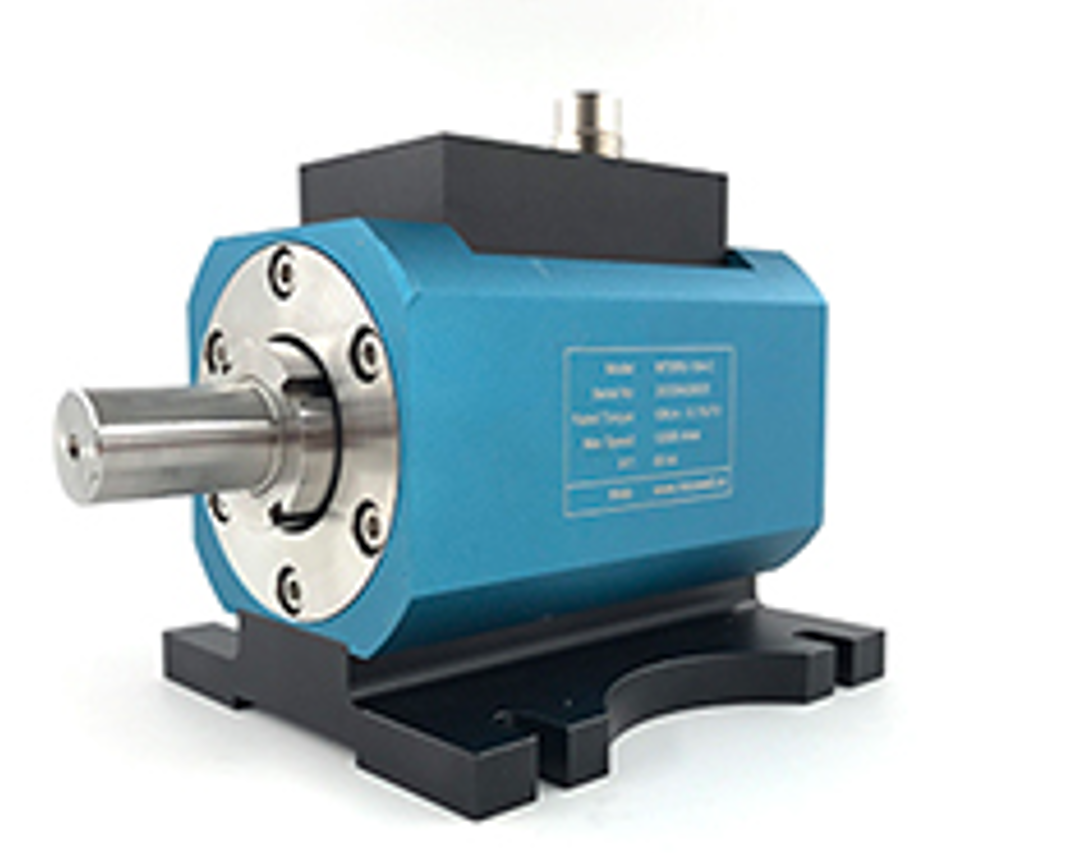
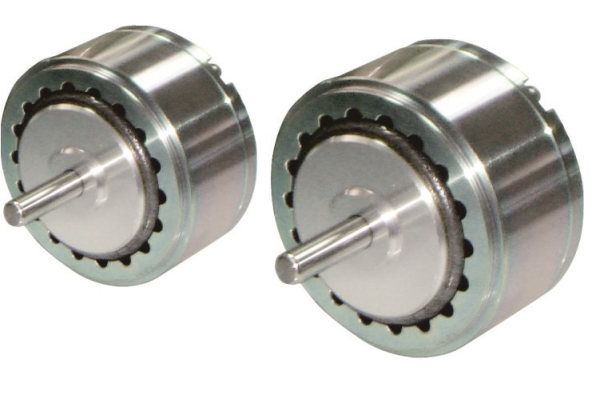 The electric vehicle boom has turned hysteresis dynamometers into rock stars. Why? EVs demand ultra-precise motor testing—think regenerative braking, torque consistency, and noise profiling. A hysteresis system simulates road loads with eerie accuracy, catching nuances like whine frequencies or controller glitches. Tesla’s engineers? They’re not gambling. They’re testing with hysteresis. From battery cooling pumps to window regulators, this dynamometer spots flaws before they hit the assembly line. Aerospace \u0026 Defence In aviation, failure isn’t an option. Hysteresis dynamometers test landing gear actuators, drone propulsion, and satellite components under extreme conditions. Their zero-vibration operation prevents false readings during delicate sensor calibrations. Lockheed Martin reportedly slashed testing time by 40 using hysteresis rigs to validate flight control systems. Why? No mechanical wear means 24/7 reliability. No maintenance shutdowns. Just data, on demand.
 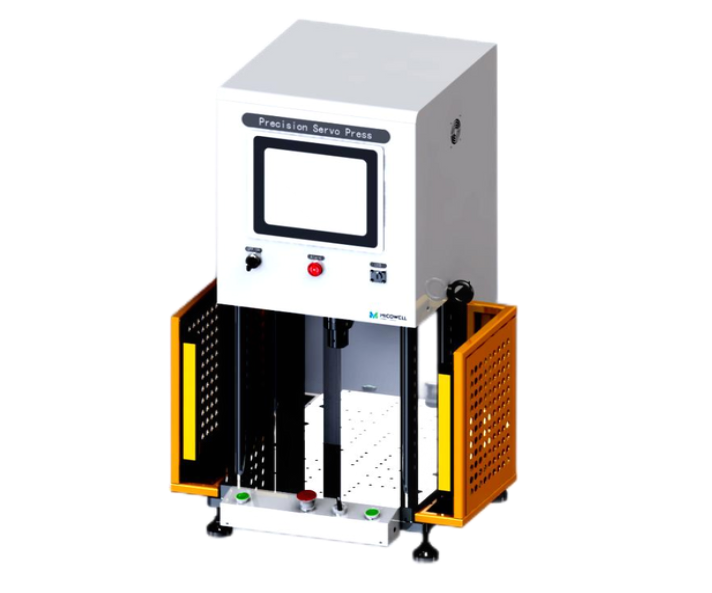 Then there’s speed – but not the reckless, energy-guzzling kind. Servo presses are masters of efficiency. Traditional presses waste colossal energy spinning massive flywheels, even when idle. Servo systems? They sip power only when moving. The motor activates precisely for the work required, then rests. Picture this: in applications needing multiple hits or complex forming sequences, the ram can perform rapid, short strokes without returning fully. Less travel equals faster cycle times and energy savings hitting 20-60%. That’s not just lower bills; it’s a greener footprint and quieter operation – your operators’ ears will thank you. 🌱🔇 Flexibility is where servo presses truly outshine. Retooling for a new product used to mean hours of downtime and mechanical adjustments. Now, it’s about loading a new program. Need a slower approach for alignment, a dwell for plastic flow, or a cushioned touch-down? Reprogram the motion curve in minutes, not days. This agility makes small-batch production economically viable and turbocharges R\u0026D prototyping. One press handles intricate electronics, resilient automotive parts, and even delicate medical implants. It’s like having a Swiss Army knife for metal forming. 🔄🧩 Dive into the applications, and you’ll see versatility unleashed. In automotive, servo presses form complex airbag components with zero micro-cracks. In aerospace, they forge turbine blades with crystalline integrity. Electronics manufacturers embed connectors without crushing fragile PCBs. Even the packaging industry leverages them for creating crisp, consistent folds on premium boxes. Case in point: a mid-sized auto supplier slashed their setup time by 75% and defect rates by 40% after switching to servo. Their VP called it \“like giving our engineers superpowers.\” 🚗✈️📱 Durability enters the chat, too. With fewer mechanical components subject to wear (goodbye, clutches and brakes!), servo presses boast longer lifespans and reduced maintenance. Smart sensors monitor load, temperature, and alignment in real-time, predicting issues before they halt production. This isn’t just machinery; it’s a self-aware partner on your shop floor. 🤖🛡️ Worried about integration? Fear not. Modern servo presses play nice with automation. Pair them with robots for loading/unloading, integrate IoT for data analytics, or sync with your MES for seamless production tracking. The data harvested – tonnage curves, energy consumption per cycle, stroke accuracy – becomes actionable intelligence for continuous improvement. You’re not just pressing metal; you’re building a digital twin of perfection. 📊🤝
 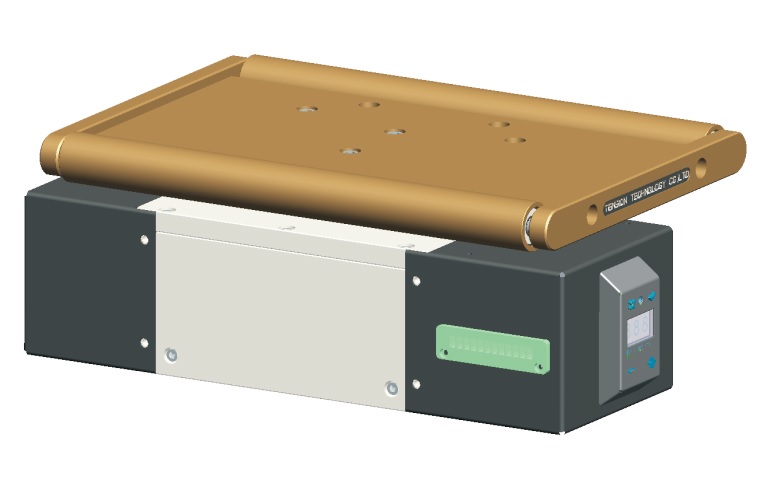 Now, let’s shatter a myth: cost. Yes, the initial investment stings more than a conventional press. But calculate the total cost of ownership. Factor in energy savings, reduced scrap, minimal downtime, extended tool life (gentler handling!), and labor efficiency. Most businesses see ROI in 12-24 months. Suddenly, it looks less like an expense and more like printing money. 💵📈 Choosing the right servo press demands savvy. Consider tonnage range – from nimble 20-ton bench models to 2000-ton behemoths. Evaluate stroke length and speed profiles matching your deepest forming needs. Prioritize controls: user-friendly HMIs with intuitive programming interfaces matter. And partner with vendors offering robust support; this tech is advanced, but you’ll want experts just a call away. 🧑💼📞 The future? It’s bright and buzzing. AI-driven adaptive control, where presses self-optimize based on material feedback. Even quieter, more efficient direct-drive systems. Integration with augmented reality for maintenance and training. The servo motor press isn’t just keeping pace with Industry 4.0; it’s leading the charge. 🌐🚀 For forward-thinking manufacturers, clinging to outdated presses isn’t conservative; it’s risky. Competitors leveraging servo tech are producing higher-quality parts faster, cheaper, and more sustainably. They’re winning contracts, pleasing customers, and future-proofing operations. The question isn’t \“Can we afford a servo press?\” It’s \“Can we afford *not* to have one?\” 🏆💡