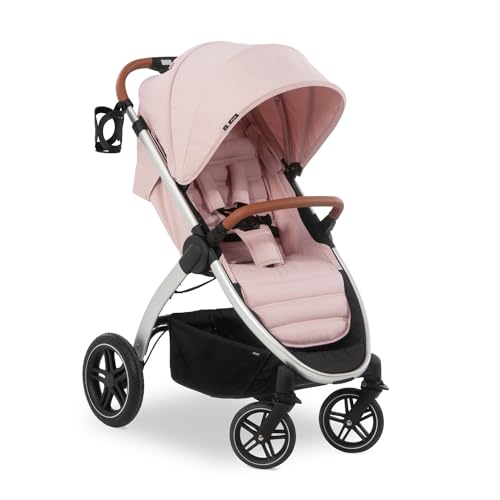
The Three Greatest Moments In 3 Wheel Buggy History
Exploring the World of 3-Wheel Buggies: A Comprehensive Guide
When it pertains to ingenious transport, few things catch the spirit of modern-day mobility like a three-wheel buggy. These nimble devices mix the agility of a bike with the stability of a cars and truck, creating a special vehicle that attract both thrill-seekers and those searching for a useful means of transport. Whether used for leisure functions or practical travelling, three-wheel buggies have actually become an interesting option in the world of personal automobiles. This post dives into the functions, benefits, and considerations surrounding these special vehicles.
What is a Three-Wheel Buggy?
A three-wheel buggy, also called a trike or three-wheeler, normally consists of 2 wheels at the back and one at the front. The style uses a mix of stability and maneuverability, making it particularly suited for numerous driving conditions.
Comparison Table: Two-Wheel vs. Three-Wheel Vehicles
Feature
Two-Wheel Vehicle
Three-Wheel Buggy
Stability
Less stable
More stable
Maneuverability
Agile
Nimble
Seating Capacity
Normally two
Varies (up to four)
Storage Space
Very little
Moderate to high
Regulatory Requirements
Motorbike ones
Differs by region
Advantages of a Three-Wheel Buggy
Stability and Safety
Three-wheel buggies use enhanced stability compared to traditional two-wheel bikes, making them an appealing option for riders concerned about safety. The broader base enhances balance and decreases the likelihood of tipping over.Comfort
Numerous three-wheel buggies are created with rider comfort in mind. They typically include functions like container seats, adjustable steering, and suspension systems that can take in shocks from uneven surface.Flexible Use
Three-wheel buggies can serve numerous functions. They can be outfitted for leisure fun, utilized for commuting, or even adapted for off-road adventures, making them a versatile option for different lifestyles.Lower Maintenance Costs
Generally, three-wheel buggies have simpler mechanical setups compared to four-wheeled cars, which can result in lower maintenance and repair work expenses. Numerous designs also come with more economical fuel intake.Unique Driving Experience
The driving experience on a three-wheeler is distinct, providing a sense of freedom that lots of motorists find exciting. The open design supplies an enjoyable method to indulge in the outside environment during trips.
Popular Models of Three-Wheel Buggies
Model
Price Range
Engine Type
Leading Speed
Best For
Can-Am Ryker
₤ 8,499 – ₤ 12,999
600cc – 900cc
90 mph
Road travelling
Polaris Slingshot
₤ 19,999 – ₤ 27,999
2.4 L engine
130 miles per hour
Performance trips
Campagna T-Rex
₤ 50,000 – ₤ 70,000
1.4 L turbocharged
140 mph
Luxury experience
Vanderhall Venice
₤ 34,000 – ₤ 45,000
1.5 L turbocharged
70 mph
Picturesque drives
Factors to consider Before Buying a Three-Wheel Buggy
1. Licensing and Insurance
Constantly check regional guidelines concerning the license and insurance coverage requirements for three-wheel buggies. In some regions, they may be classified as motorbikes, needing specific licenses.
2. Storage Space
While many designs provide good storage, possible purchasers must consider just how much area they need for luggage or gear. Three Wheel Stroller feature additional storage compartments or alternatives for trailers.
3. Meant Use
Various three-wheel buggies serve different functions. Those interested in sportier models might lean towards machines with greater horsepower, while those trying to find relaxation may choose more comfortable models.
4. Spending plan
Rates for three-wheel buggies can differ commonly. Prospective purchasers need to consider not only the price tag however also upkeep and operational expenses when budgeting for their new vehicle.
5. Test Drive
As with any automobile purchase, a test drive is important. Getting a feel for the handling, comfort, and controls can assist ensure that the buggy is the ideal fit.
Often Asked Questions (FAQ)
Q1: Are three-wheel buggies safe to drive?
A1: Yes, they are generally thought about safe due to their boosted stability compared to two-wheel motorbikes. Nevertheless, like all vehicles, safety likewise relies on the rider's abilities and adherence to traffic laws.
Q2: What sort of upkeep do three-wheel buggies need?
A2: Maintenance generally consists of routine oil changes, tire inspections, and brake checks, similar to other motor cars. However, due to their simpler designs, maintenance expenses can frequently be lower.
Q3: Can anybody drive a three-wheel buggy?
A3: Driving requirements vary by nation and state. Some areas might require a motorcycle license, while others may enable chauffeurs with a regular car license. Constantly verify the guidelines in your location.
Q4: How quick can a three-wheel buggy go?
A4: Depending on the model, three-wheel buggies can reach speeds from 70 miles per hour to over 140 mph. Each design's specifications will information its maximum speed.
Q5: Are three-wheel buggies comfy for long trips?
A5: Many models are created for comfort, including ergonomic seats and excellent suspension systems. However, individual convenience can differ, so a test drive is a good idea.
Three-wheel buggies present an exciting and useful alternative to traditional lorries. With their special mix of stability, comfort, and versatility, they are leading the way for a brand-new kind of transport. Whether one looks for the excitement of a ride through winding roadways or a practical commuter option, a three-wheel buggy is worth thinking about. As producers continue to innovate and present new designs, the opportunities to enjoy this rejuvenating mode of transport will just broaden.