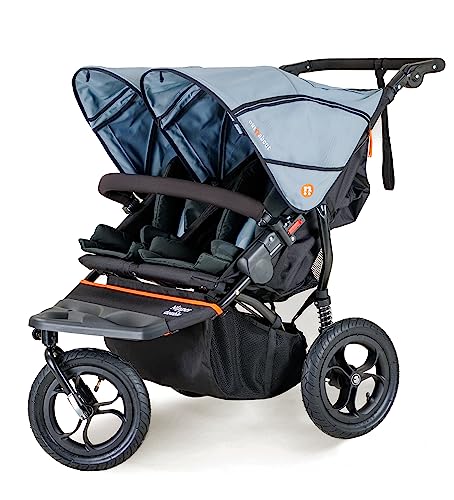
The Worst Advice We've Been Given About Three Wheel Pushchair
The Ultimate Guide to Three-Wheel Pushchairs: A Comprehensive Overview
Recently, the market for pushchairs has expanded, providing moms and dads a broad variety of choices to fit their way of life and needs. Amongst these options, three-wheel pushchairs have acquired considerable popularity. These distinctively designed strollers promise adaptability and ease of usage, specifically for active households. In this blog site post, we will explore the benefits and downsides of three-wheel pushchairs, compare various designs, and respond to some frequently asked concerns to assist moms and daddies make notified choices.
What is a Three-Wheel Pushchair?
A three-wheel pushchair, as the name recommends, is a stroller with three wheels instead of the standard 4. Normally, it includes a larger front wheel and two rear wheels, permitting for improved maneuverability and stability. This style is especially appealing for parents who seek a pushchair ideal for a range of terrains, consisting of parks, gravel courses, and even light off-road conditions.
Benefits of Three-Wheel Pushchairs
Three-wheel pushchairs come with a variety of advantages. Below is a list of some of the most notable benefits:
- Improved Maneuverability: The central pivot of the forward wheel permits smoother turns and easy navigation through tight spaces.
- Much better Stability: The larger front wheel offers a steady base and minimized possibility of tipping, making them particularly helpful for outdoor activities.
- Improved Suspension: Many three-wheel models include innovative suspension systems, making them more comfortable for the kid throughout rides on bumpy roadways.
- All-Terrain Capabilities: These strollers are generally developed to deal with numerous terrains, offering households the flexibility to explore without being restricted to pavement.
- Stylish Designs: Many three-wheel pushchairs come with modern-day aesthetic appeals that interest contemporary moms and dads.
Downsides of Three-Wheel Pushchairs
While three-wheel pushchairs have numerous benefits, they are not without their disadvantages. Here's a list of drawbacks moms and dads should consider:
- Wider Base: The design may be bulkier, possibly making it more tough to browse through narrow doorways or crowded spaces.
- Prospective for Uneven Wear: The unequal tire circulation might result in quicker wear on some wheels compared to conventional four-wheel designs.
- Minimal Storage Space: Depending on the design, the storage basket may not be as roomy compared to traditional strollers.
- Weight: Some three-wheel pushchairs can be much heavier and bulkier, making them less practical for public transport or compact car trunks.
- Cost Range: They may be more expensive than basic pushchairs due to sophisticated features and materials.
Comparing Popular Three-Wheel Pushchair Models
Here is a contrast table showcasing a few popular three-wheel pushchairs readily available on the market today:
Model
Weight
Max Weight Capacity
Terrain Capability
Price Range
Baby Jogger Summit X3
27 lbs
75 lbs
All-terrain
₤ 400 – ₤ 500
BOB Revolution Flex
28 pounds
75 lbs
Off-road
₤ 500 – ₤ 600
Thule Urban Glide 2
26 lbs
75 pounds
Multi-terrain
₤ 500 – ₤ 600
Joovy Zoom 360
27 lbs
75 lbs
All-terrain
₤ 200 – ₤ 300
Peg Perego Book 51
24 lbs
50 pounds
Urban
₤ 500 – ₤ 700
Secret Features to Consider
When selecting a three-wheel pushchair, there are numerous essential features to think about:
- Adjustable Handlebar: Useful for parents of various heights.
- Seat Recline Options: Allows for versatile seating positions for infants and young children.
- Canopy Size: Provides sun protection and exposure for the kid.
- Brakes: Reliable braking systems for security on various terrains.
- Folding Mechanism: Ease of folding and unfolding, particularly for transportation.
Often Asked Questions (FAQ)
1. Are three-wheel pushchairs safe for newborns?
Many three-wheel pushchairs are developed to accommodate babies as long as they come with a flat reclining seat or a compatible infant cars and truck seat. Always check the manufacturer's guidelines before usage.
2. Can I use a three-wheel pushchair for jogging?
Lots of three-wheel pushchairs are designed for jogging, particularly designs specifically labeled as “jogging strollers.” Check for functions like a repaired front wheel and robust suspension for optimal efficiency throughout runs.
3. What is Pushchairs And Prams for a common three-wheel pushchair?
A lot of three-wheel pushchairs have a maximum weight capacity varying between 50 to 75 pounds, depending on the model. Constantly inspect the requirements for the precise weight limitation.
4. Do three-wheel pushchairs included a service warranty?
Typically, the majority of producers offer a warranty that covers flaws in products and craftsmanship. Check specific producers for specific service warranty terms.
5. How do I keep my three-wheel pushchair?
Routine maintenance includes examining tire pressure, cleaning up the stroller frame and fabric, oiling moving parts, and guaranteeing the brakes are practical. Follow the maker's upkeep guide for particular care instructions.
Three-wheel pushchairs offer an engaging choice for families who embrace an active lifestyle and require flexible strollers. With improved maneuverability, all-terrain abilities, and trendy styles, they are worth thinking about for parents on the go. By weighing the benefits and drawbacks, doing extensive research study, and asking the right questions, moms and dads can choose the perfect three-wheel pushchair that fits their requirements while ensuring convenience and safety for their kids.