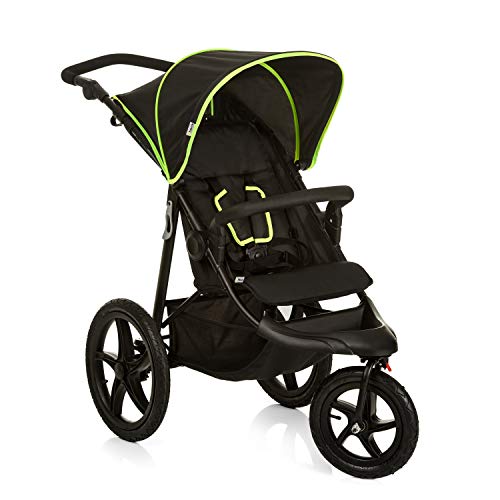
Why Is It So Useful? In COVID-19?
The Three-Wheel Travel System: A Comprehensive Guide
When it pertains to contemporary transport solutions, the three-wheel travel system has gained traction amongst customers looking for balance, stability, and adaptability. This innovative mode of transport successfully accommodates different needs, particularly in city environments and recreational contexts. In this article, we will explore the structure, benefits, and ideal use cases for three-wheel travel systems, accompanied by tables, lists, and a FAQ section to attend to common inquiries.
What is a Three-Wheel Travel System?
The three-wheel travel system typically makes up a car or transport gadget including three wheels rather than the standard four. It can include bikes, scooters, tricycles, and specialized automobiles created for specific functions like individual movement or items transportation.
Secret Components of a Three-Wheel Travel System
Component
Description
Wheels
Three wheels for enhanced stability and balance
Frame
Structure developed to support the entire system
Steering System
System for steering and managing instructions
Seating
Comfortable seating choices, often created for one or more occupants
Storage
Space for bring personal items or goods
Products
Usually made from lightweight products to boost mobility
Kinds Of Three-Wheel Travel Systems
Tricycles: Popular for recreation and utility, tricycles are typically geared up with pedals or little engines.
Three-Wheel Motorcycles: These supply the experience of a motorbike with the added stability of a third wheel, appropriate for both urban commuting and leisure riding.
Movement Vehicles: Designed for individuals with disabilities or limited mobility, these lorries provide benefit and availability.
Cargo Trikes: Often utilized for delivery or transportation of products, they have ample storage space and can maneuver through tight city areas efficiently.
Electric Scooters: With advancements in innovation, electrical three-wheeled scooters have actually become a popular option for travelling short distances.
Benefits of Three-Wheel Travel Systems
Three-wheel travel systems offer a range of advantages, making them a popular choice across various demographics and purposes. Below are a few of the noteworthy advantages:
Advantage
Description
Stability
The 3rd wheel provides boosted balance, lowering the risk of tipping.
Maneuverability
Smaller sized turning radius enables much easier navigation in crowded locations.
Safety
Lower center of gravity enhances security during operation.
Comfort
Often developed with ergonomic features for traveler comfort.
Cargo Capacity
Many designs come with built-in storage or cargo areas.
Eco-Friendly Options
Electric models add to lower emissions and decreased ecological impact.
Suitable Use Cases for Three-Wheel Travel Systems
The adaptability of three-wheel travel systems allows them to be utilized in different circumstances:
Urban Commuting: Three-wheel scooters or motorcycles can browse traffic efficiently, reducing commute times.
Leisure Activities: Tricycles or electric scooters are perfect for leisurely rides in parks and recreational areas.
Shipment and Services: Cargo trikes are ending up being progressively popular amongst shipment services, supplying a sustainable way to transport goods.
Available Transportation: Mobility vehicles permit individuals with disabilities to travel freely without depending upon assistance.
Tourism: City tours on three-wheeled automobiles use a distinct experience, combining sightseeing with comfy travel.
The Future of Three-Wheel Travel Systems
The evolution of transportation innovation indicates a brilliant future for three-wheel automobiles. Developments in electric power, autonomy, and advanced security functions are paving the method for increased adoption. Cities internationally are starting to acknowledge the requirement for eco-friendly travelling alternatives, encouraging the usage of three-wheel travel systems to lower traffic congestion and pollution.
Often Asked Questions (FAQ)
1. Are three-wheel travel systems safe?
Yes, three-wheel travel systems are normally thought about safe, particularly those developed with stability enhancements and security features. Proper upkeep and adherence to local traffic laws also play a crucial role in guaranteeing security.
2. Can Pushchairs And Prams operate a three-wheel lorry?
Many three-wheel automobiles, like tricycles or electrical scooters, can be run by people of a lot of ages, supplied they fulfill the maker's recommendations. Some motorized options might need a specific motorist's license depending upon regional guidelines.
3. What is the fuel effectiveness of three-wheel lorries?
The fuel effectiveness of three-wheel vehicles differs significantly depending on the type and design. Electric models produce zero emissions and can be more cost-efficient in the long run, while conventional models might have varied fuel usage rates.
4. How do three-wheel travel systems compare to four-wheel vehicles?
Three-wheel systems use increased maneuverability and lower costs, while four-wheel automobiles provide enhanced capability and stability for bigger loads. The choice in between the 2 eventually depends on individual needs, environment, and use cases.
5. What maintenance is required for three-wheel vehicles?
Routine maintenance, consisting of checking tire pressure, brakes, and guiding systems, is important for ensuring ideal performance. Electric models need battery maintenance, while gas models need regular oil modifications.
The three-wheel travel system sticks out as a flexible and effective option for modern-day transportation difficulties. Its capability to integrate stability, comfort, and eco-friendliness makes it an enticing choice for numerous users. As cities continue to progress, and the need for effective, sustainable transportation alternatives grows, three-wheel travel systems are likely to inhabit a vital space in the future of movement.
With the best understanding and choice, people can profit of this innovative travel service, whether for daily commuting, leisure, or specific mobility requirements.