Death Stranding 2: On The Beach: A Balanced Perspective on Kojima's Latest Epic
Let's take a minute to chew on Death Stranding 2: On The Beach. I've been counting the days since the credits rolled on the first title and zeroed in on its odd rhythm, and now that my boots are back on the ground, I'm ready to spill my thoughts. In short, the sequel eclipsed what I thought was possible; every skyline, every delivery route, every new twist has left me grinning wider than a first-time porter. Rather than simply retreading old ground, this game carries forward the essence of its predecessor while pushing the systems and the story into braver, often unexpected territory. Still, it's unmistakably a Kojima joint, which means a handful of quirks, monologues, and surreal detours you either adore or roll your eyes at. With that in mind, let's break down the moments that shine, the moments that feel self-indulgent, and the overall package the Beyond-er brings to your front door—the kind of unpredictable mix I was chasing when I decided to buy cheap Xbox games and take a chance on something different.
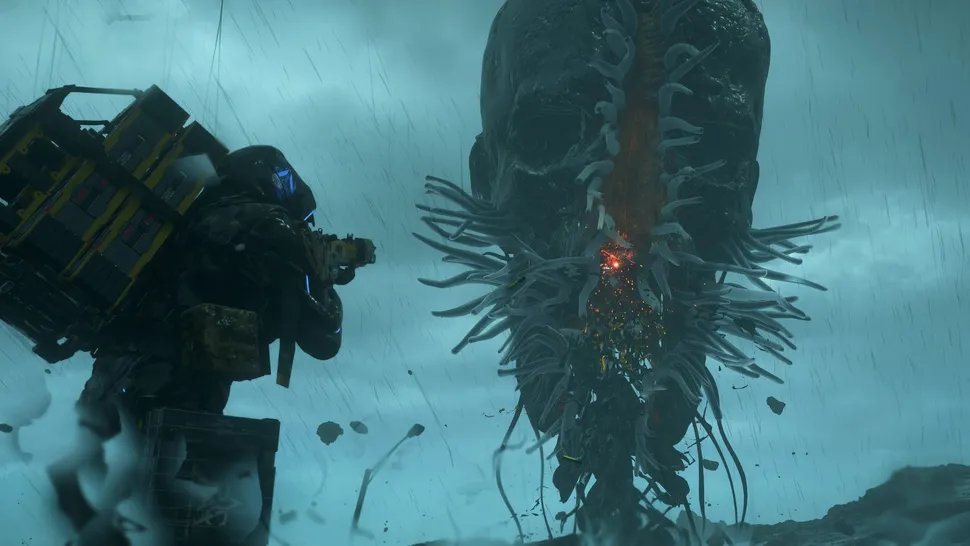
The Evolution of Engagement: Refined Gameplay and Visual Grandeur
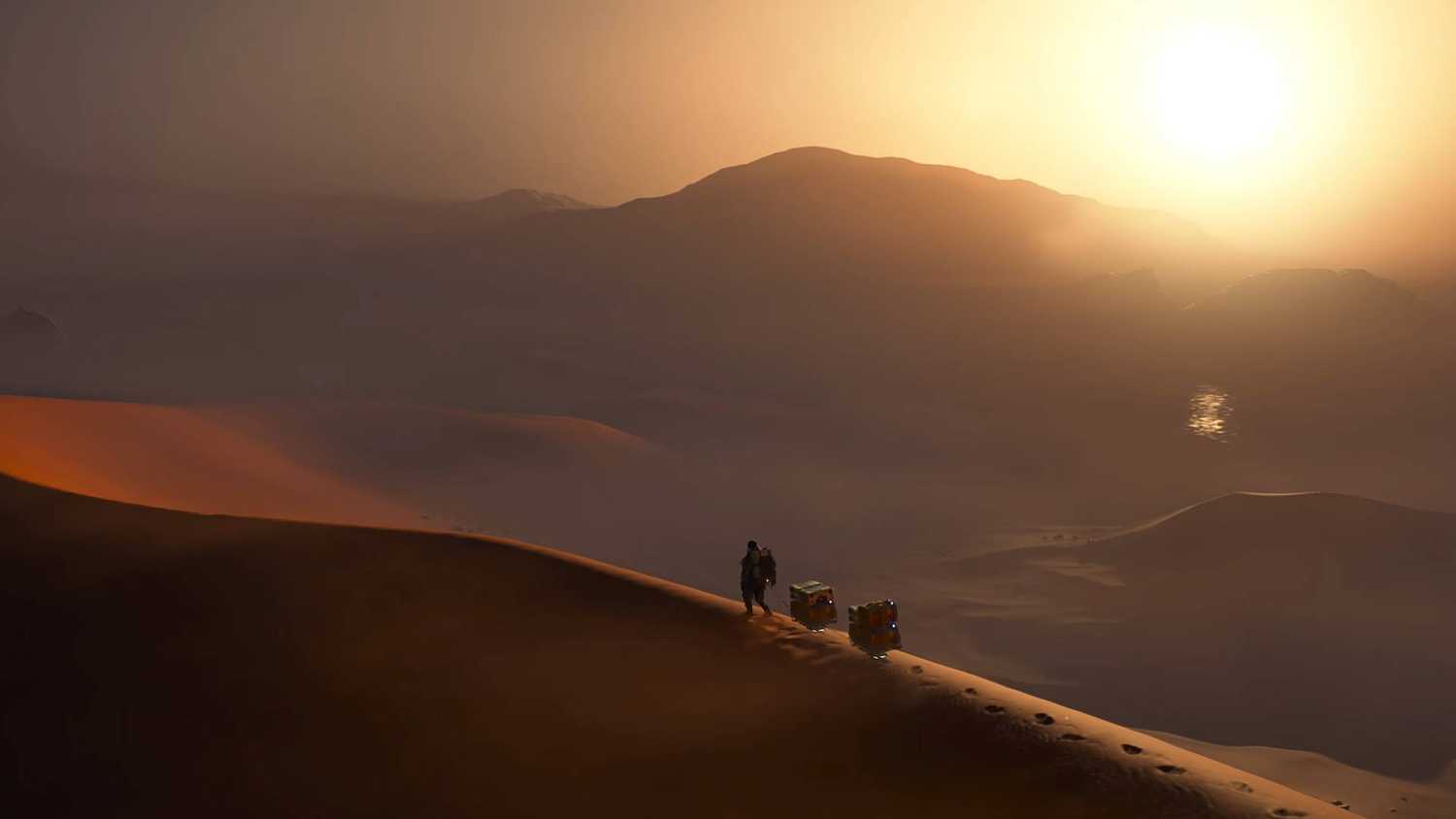
From its opening moments, Death Stranding 2 makes it clear that the developers have fine-tuned the foundational gameplay loop with appreciable care. The art direction has stepped up another notch, and the sheer visual fidelity across mountains, wind-swept plains, and rain-soaked towns never fails to amaze. Every distant skyline, every weathered stone, adds layer after layer to an immersion that feels more like standing inside a painting than staring at a screen. Look beyond the visuals, though, and the traversal mechanics hit a similar high note. You can practically feel the weight of the cargo, the shift in posture, the breath before a long climb; each little adjustment is satisfying in its own right. That simple joy of delivering packages, the heartbeat of the first title, remains intact and, thanks to these upgrades, feels more rewarding than ever—exactly the kind of depth I was hoping to uncover when I chose to buy cheap PS5 games.
Kojima has decided to put the spotlight on combat in this sequel, and most players are likely to cheer that choice. What used to be a quiet, almost optional part of the game now hums with energy, showing up more often and feeling genuinely engaging every time it does. You have a shiny, expanded toolkit, and the thrill of tossing together gadgets, traps, and timing just right never gets old. This new action element doesn't shove aside the careful planning and delivery; instead, it nestles beside those ideas, deepening the loop rather than trampling it. Because every skirmish, every gadget used, slots into the bigger rebuild effort, your small victories somehow feel like bold strokes on a giant canvas.
The Story: A Gut Punch, Yet Divisive by Design
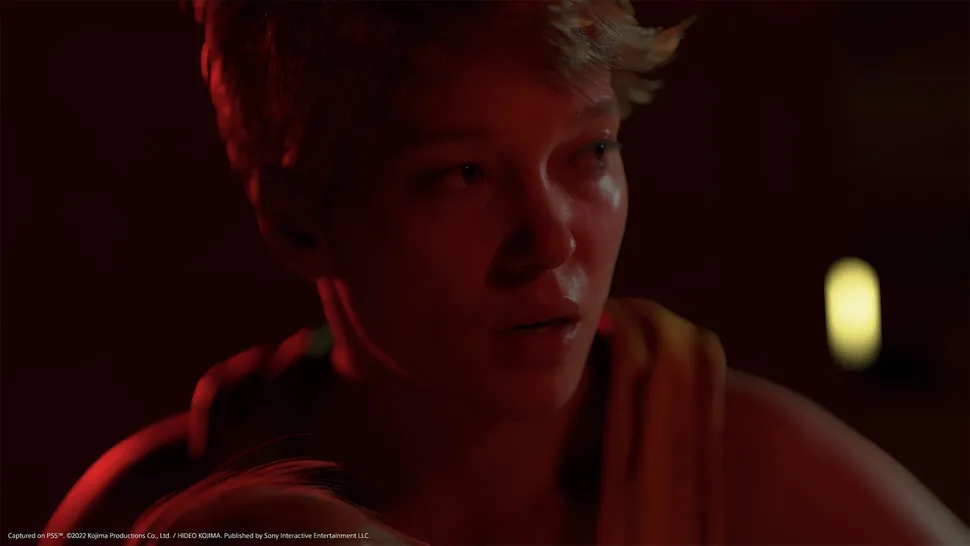
Then there's the story. Death Stranding 2 hits like an emotional freight train, almost hard to shake even after you set the controller down. Its beauty feels real, echoing worries and hopes from the outside world, so many players will find themselves nodding in recognition during cutscenes. Kojima once again plays director, weaving scenes directly into the action, and you can almost smell that movie-set production value. Themes of connection, purpose, and standing tall against impossible odds keep twisting back on each other, making the plot as tangled and compelling as real life.
Still, this same quirk can tip over into what fans gently call Too Kojima territory. The story sprawls with strange symbols and head-scratchers that leave a shrug on newcomers. I've run into everything from platypus goo and a sludge-eyed skull to a chatty seat belt, a marionette in hot water, and yes, Norman Reedus' nips flashing on screen. None of that is random static; it barely scratches the surface of the game's oddball parade. I applaud anyone brave enough to serve up such left-field visions; it beats cookie-cutter design and shows a wild mind at work. That said, casual players might blink, laugh, or simply back away when the parade rolls by. The out-there details add a signature seasoning, but they can also swamp the mood or feel like showing off, risking a wider audience's connection to the drama itself.
The Balance: Strengths and Occasional Stumbles
Look at Death Stranding 2 from an entire play session, and you'll probably walk away feeling like a medal-winning effort has crossed the finish line. The mix of winding sci-fi lore, sleek stealth, and upgraded action works together in a way that builds on the series' genuine experimentation rather than forcing it. Visually, the game swings from breathtaking vistas to creepy bits that will stick with you long after you've put the pad down, yet the core fun still takes the spotlight. Everything that felt missing the first time around-now tighter movement, friendly NPCs, and faster gear-swapping-arrives here without yanking the cliff-hanger plot off course, and that's no easy trick. Simply put, it's one of the best games I've spent time with in ages.
A fair take still has to note that, Polish aside, a handful of moments hit the same notes again for anyone who lives for fresh surprises. True, the loop runs smoother than before, but its essence-hiding in menus, sneaking past cameras, hunting for clues-remains the heart. And for all the big ideas in the plot, certain scenes that dive deep into dream logic or splashy symbols probably won't land with every player. The story expects you to have finished the first one and liked that wild ride, so anyone who missed it or walked away cold may find On The Beach a tougher pitch. Yet if that background clicks for you, the 30- to 50-hour tag-or, in my case, far more time since pre-orders opened-still promises a trip that feels strange, fun, a bit uneven, and hard to forget. Kojima's work never lacks a dial-bending twist; the man could play pin-the-tail-on-the-donkey blindfolded yet still stick it dead center. Looking back on my hours so far, I can confidently call the ride nothing short of awesome.
So, for the wider gaming crowd, Death Stranding 2: On the Beach is a wonderful game, provided you can stomach its one-of-a-kind taste. It polishes the delivery loop, beefs up the gunfights, and wraps both in a jaw-droppingly pretty world. The plot is a genuine tear-jerker, even if its trademark strangeness sometimes asks more patience than most of us have. It's everything I hoped to see from a follow-up, and for players brave enough to lean into the oddness it offers a rare, deeply satisfying ride. Keep On Keeping On! Death Stranding 2: On the Beach, A Beautiful Mess, I Can't Stop Thinking About Kojima's Vision, A Fever Dream of Connection and Chaos. I just cleared Death Stranding 2: On the Beach and feel like a truck made of metaphors, tar, and pure dread plowed through my brain. I'm sitting here, staring at the credits, honestly unsure what I just lived through. Was it a game? A flick? A philosophical lecture stuffed into a delivery sim? I've got no clue. What I do know is that Kojima swung for the fences, and even if not every swing connected, I can't shake the thrill of watching him try.
Let's get the obvious out of the way: yes, this sequel is miles ahead of the original. Still, saying it's the tastiest pile of muck I ever ingested misses the point, because I don't want any muck at all. The Decima engine turns every pixel into dream-like 4K brushstrokes, making Australia's otherworldly cliffs both stunning and achingly lonely. Unfortunately, the core play remains a headache-a slow, punishing meditation across hills and rivers that seem designed to break your careful cargo stack. Even so, I pushed forward. Not for the standard buzz of fun, but because the game's quiet rhythm, the weight of each package, and the stubbornness of the world felt strangely honest.