Kojima’s Sequel Is Better, But It Also Hurt More
By about hour sixty-eight, I was still barefoot, still slogging through that acid-soaked wasteland, the broken thermal box clutched in my arms and Dollman’s ghostly lullaby creeping through the headset. At that moment, I realised something odd: I wasn't having fun, yet the controller would not leave my hands. It was the kind of intense, haunting pull I didn’t expect when I set out to buy cheap games, but there I was—fully locked in. That strange combination is basically what Death Stranding 2: On The Beach feels like. It polishes a ton of rough edges the first game had and gives you a clearer, slicker ride, but it also doubles down on the emotional drills in ways that can be hard to carry.
New Faces Add Charm, Yet Feel Oddly Adrift
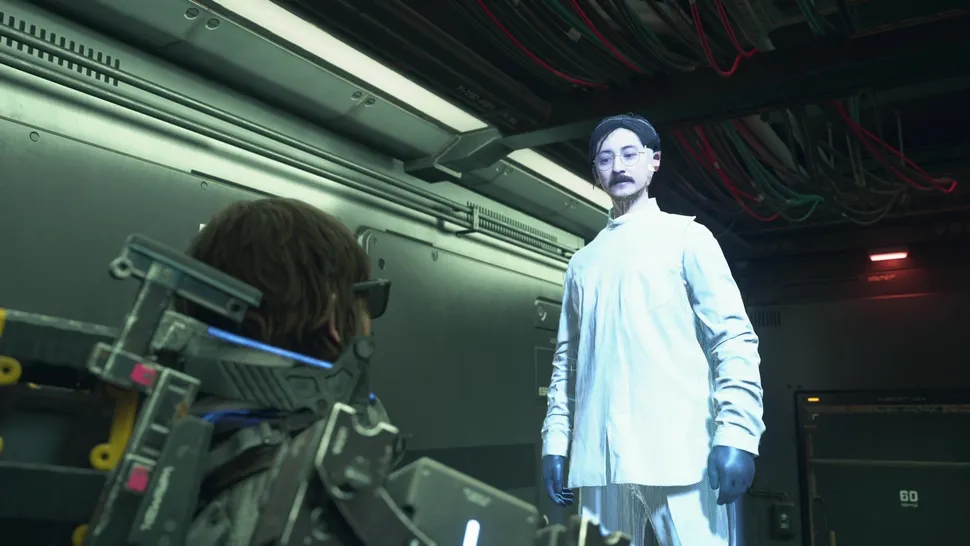
I've got to admit, Hideo's gift for naming makes every new character sound like a lost Mega Man villain. Tarman. Rainy. Tomorrow. Yes, Tomorrow. I dared to keep a straight face when she laid out the Repatriate Singularity lore, but I cracked. The wild part? I wound up liking them. I did. Fragile feels more down-to-earth this time—ironic, I know. Heartman finally gets his big scene, somehow tied to Australia's Dreamtime. And Dollman? He's the soul of the trip—your easy-going guide, a light-headed puppet-philosopher who says junk like All bonds are strings vibrating at different frequencies. It’s the kind of weird, character-driven storytelling I hoped for when I went to buy cheap PS5 games that don’t play it safe.
Yet these faces keep disappearing for hours, swallowed by the gap between cinematic breaks and actual play. It feels as if Kojima shot a forty-hour art film, then stuffed it between a hundred-twenty hours of delivery errands. I swear Rainy shows up in only three cutscenes. So why even give her a name if she's just there to lecture about weaponized weather?
Gameplay Evolution: Postal Zen or Maddening Chore?
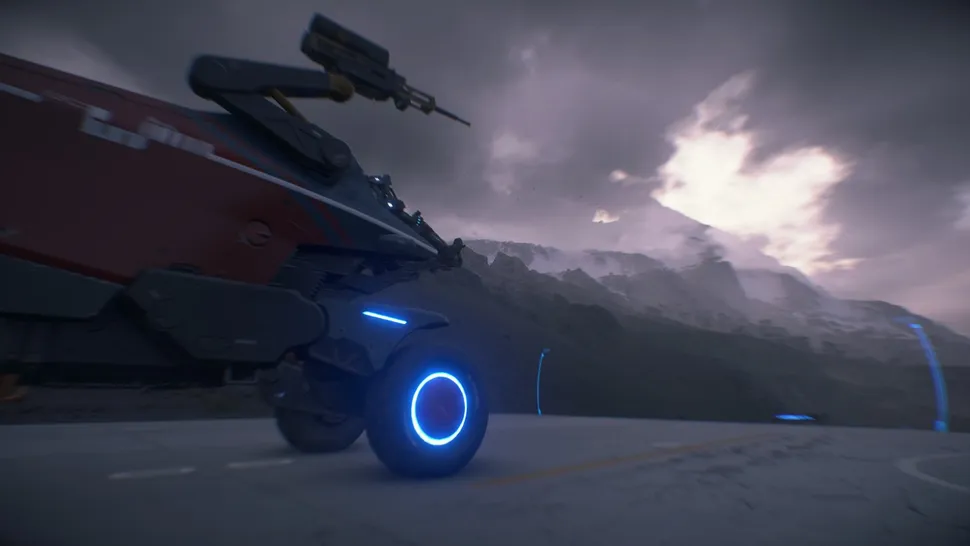
I’m not exaggerating when I say that dropping off a package in Death Stranding 2 feels like pure zen. I paved dirt trails across empty dunes just to make sure a birthday cake stayed upright. I fixed zip lines while a low-roar album looped in the background and spaced out on the main story for an afternoon. This sequel takes all that walking-and-building stuff and amps it: stranger roads wind over hills you swear were smooth yesterday, new gadgets handle snow or mud, and players you’ll never see leave ladders hanging for you to grab. It’s kind of eerie and kind of gorgeous all at once.
The catch, though, is that the more enjoyable the delivery loop gets—the sneaky co-op, the compulsive gear swapping, the careful weight math—the more the story feels tacked on. You can easily burn six hours fine-tuning a hover cart route through a spore-blasted valley, then, out of nowhere, a fifteen-minute cutscene drops, and some guy in a mushroom hat starts lecturing you about trauma-shaped nuclear dreams. Whiplash is too mild a word, honestly.
Cinematic Moments That Break Your Brain (In A Good Way?)
There’s one scene, minor spoilers here-where Sam finds himself inside a downed cargo freighter that somehow exists simultaneously in the past and present. Timefall is leaking in, causing containers to age and de-age rapidly, and Dollman is trying to defuse a package rigged to explode if you feel too much emotion. I wish I were making that up. I genuinely sat on the floor and stared at the screen. Was this genius? Was this parody? I don’t know. It was riveting. It made no sense. I loved it.
And that’s Kojima’s gift, right? The raw audacity of it. The sheer gall to write a scene where Tarman, soaked in black tar and holding a baby skeleton, explains that war is just death delivered via consensus. It’s pretentious. It’s absurd. It lands like a punch to the soul. I haven’t seen anything else in gaming like it-this brave, unfiltered, barely coherent sprawl of emotional spectacle. Even when I hated it, I admired it.
The Gun Culture Critique Hits Harder Than It Should
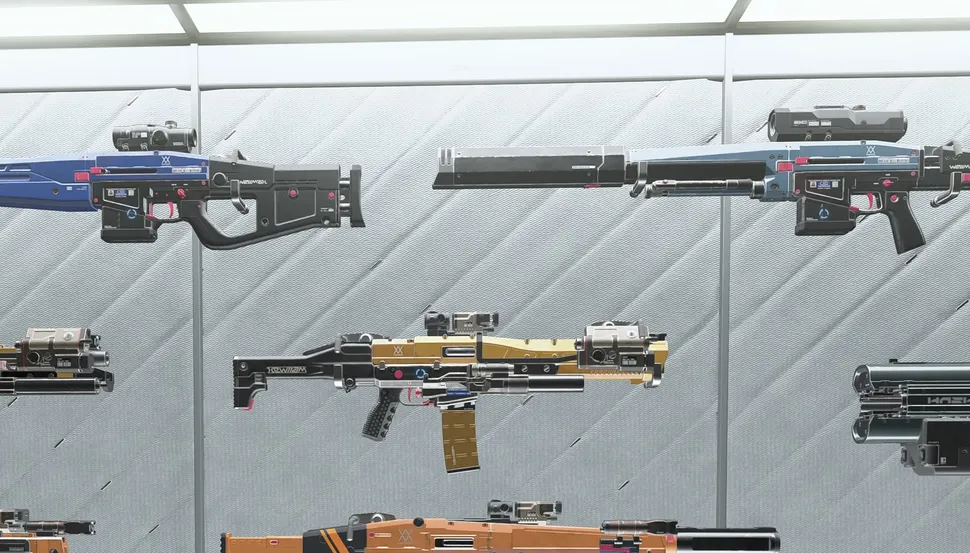
Yeah, this new delivery from Kojima doesn’t shy away from ordnance. Where previous games sparked curiosity, here every cutscene flares like a military briefing. You stumble on camps run by The Smiths-honest name, I know-whose idea of fun is digging up sketches for railguns, rocket drones, anything that roars. One quest begs you to preach about putting weapons down, all while a sharpshooter tracks your every move. I thought I’d breeze through, yet the gap between sermon and survival made my palms sweat.
That jolt is chilling because the world outside looks eerily similar. The script pokes fun at itself: Heartman stops mid-rant to ask if we’ve reached peak irony, as if reading the room. But in that half-joke, it dares you to examine the urge to fortify against what-ifs. Glossy sci-fi gibberish gives way to a real question: when does caution become obsession? The game nails those moments, trading health bars for headspace and spilling more genuine thought than some novels manage.
When The Abstract Becomes Just… Too Abstract
Look, poetry is fun, but there are moments when all that high-mindedness simply trips over itself. You reach a scene, and instead of feeling enlightened, you’re staring at the screen wondering if the writer got lost in his backstory. Take the “Ocean of Echoes” briefing; it crammed in four nested timelines, a talkative email server, and something by the name of “quantum empathy.” What on Earth is quantum empathy? Honestly, I still don’t know, and it feels as if the script doesn’t, either. Kojima probably hopes we pick up a mood instead of a dictionary, yet now and then, I just want a straightforward answer: why does Tomato have a lizard tail, and why does nobody ever bother to bring it up?
The available mystery can be charming, but it also dangles just far enough in front of you to feel like homework. You put the controller down, convinced you left a secret mission undone or that an overlooked email is the key to everything. That little itch is clever—game designers love making us paranoid—but it can wear you out. Instead of enjoying a story, you end up reading twenty forums to find out if anyone else is equally confused, and half the time, the newcomers all agree: there might be nothing to find.
Respecting The Vision, Rejecting The Experience
So yeah. I think I just finished Death Stranding 2. At least, that’s what everyone says you say when the credits scroll, unscroll, and then you hop back into a tiny third-act mission where Sam stitches a Wi-Fi bridge across a glowing network-gulf (ask the internet where the seed idea came from). I put down the controller, stood up, and clapped. Not because my heart sang, but because Kojima pulled the curtain on a madness I still can’t fully explain.
Let me be clear: I respect this game. Its engine-chef, Decima, seems to have unlocked some sort of sorcery, and the world heaves with weather that feels more mood than code. Areas I thought were just tundra hum with subtle sound design, and Lea Seydoux’s eyes do that painful, gorgeous, uncanny thing where you forget she’s acting. Yet when I think about play-by-play pleasure—the fun of moving, the thrill of surprise, the slight dopamine hit when a climb works—that part ground me into mush. Hours drifted away while I cursed broken ropes, double-checked a virtual map for the fifth time, then re-dragged cargo out of a rainstorm.
I don’t want my descent into inventory misery to be anyone else’s initiation story, but hey, maybe you’re stubborn or curious or just free on a Tuesday afternoon. If that sounds like you, welcome to the beach. Just pack coffee, a spare pair of boots, and lots of Band-Aids for those virtual knee scrapes.