Schmuck: A Dive into Yiddish Slang
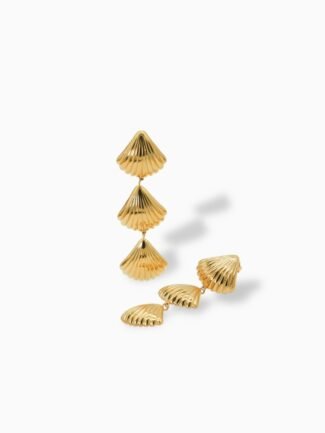
The fascinating world of Yiddish slang offers a treasure trove of colorful and often hilarious expressions. One such gem is the word “schmuck,” a term that has transcended its linguistic origins to become a widely recognized insult in English. While it may seem crude at first glance, understanding the etymology and cultural context of “schmuck” reveals a deeper layer of meaning and humor.
This pejorative term, derived from the Yiddish word for “penis,” is often used to belittle someone who is perceived as foolish, unworthy. However, it can also be used in a more lighthearted manner, even as a term of endearment among close friends.
- Indeed, the versatility of “schmuck” reflects the complex and nuanced nature of Yiddish language and culture.
Understanding Schmuck: Origins and Meanings
Schmuck is a potent term with a rich history. Its origins can be traced back to ancient Yiddish, where it originally referred to precious stones. Over time, its meaning evolved drastically, becoming associated with individuals who are insensitive or inconsiderate. Today, “schmuck” is primarily used as a insulting term, often among friends. Its severity depends on the context and tone of voice. However, it's important to note that using “schmuck” can be insensitive, so it should be used with care.
Schmuck Julei
Unpacking the expression “Schmuck Joolei” requires a plunge into the uncharted waters of vernacular. This phrase, often uttered with a raised eyebrow, carries a complex meaning that eludes easy definition. It's a enigma that mirrors the subtleties of social dynamics. While its exact meaning remains debatable, exploring “Schmuck Joolei” offers a fascinating glimpse into the fluidity of language.
The Schmuck: From Insult to Pop Culture Icon
Schmuck, a term once relegated to the realm of slurs, has undergone a fascinating transformation in recent years. What was once considered highly offensive is now frequently used in entertainment. This unexpected evolution can be attributed to several factors, including evolving social norms. As slang transmutes, terms like schmuck often find new interpretations that are no longer inherently negative.
This shift has resulted in the term being leveraged for laughter. It can now be found in stand-up comedy routines, often mockingly portray characters or situations. The reappropriation of schmuck as a pop culture symbol highlights the dynamic and often unpredictable nature of language.
Is “Schmuck” Really That Much Bad?
The word “schmuck” carries a weighty connotation, often used to express