Beware Of These “Trends” Concerning Prams Pushchairs
The Ultimate Guide to Baby Prams and Pushchairs: Choosing the Right One for Your Little One
When it pertains to welcoming a new baby into the family, expectant parents are typically faced with a myriad of choices. One of the most essential choices is picking the best baby transport system. Baby prams and pushchairs (strollers) are important items that provide benefit, comfort, and safety for both parents and their little ones. This detailed guide will help you navigate the world of baby prams and pushchairs, checking out the various types, functions, and pointers for making the best choice for your family.
Understanding Baby Prams and Pushchairs
Before diving into the specifics, it's vital to understand the distinction between a pram and a pushchair. Here's a brief introduction:
Term
Description
Baby Pram
A traditional baby stroller that is developed for newborns and extremely young babies. Prams normally have a flat, reclining seat and are built for comfort.
Pushchair
A more flexible stroller ideal for older babies and toddlers. Pushchairs often have adjustable seating positions and are typically more lightweight.
Both choices offer special benefits, and understanding their features will help you make the ideal choice.
Types of Baby Prams and Pushchairs
The marketplace uses a variety of alternatives when it pertains to baby prams and pushchairs. Here are some of the most common types:
1. Traditional Prams
- Best for: Newborns
- Features: Fully flat reclining position, large wheels for a smooth trip, typically with a retro style.
- Pros: Luxurious and comfortable for babies, excellent for walks in the park.
- Cons: Bulky and heavy, not perfect for metropolitan living.
2. Umbrella Strollers
- Best for: On-the-go moms and dads
- Features: Lightweight and compact, simple to fold.
- Pros: Super portable, best for travel and quick getaways.
- Cons: Lacks cushioning and adjustability; may not be appropriate for infants.
3. Travel Systems
- Best for: Parents who desire adaptability
- Functions: Includes a safety seat that can be clicked onto the stroller frame.
- Pros: Convenient for transitioning from automobile to stroller, conserves money as it includes both items.
- Cons: Can be heavier, and some designs might not be as long lasting.
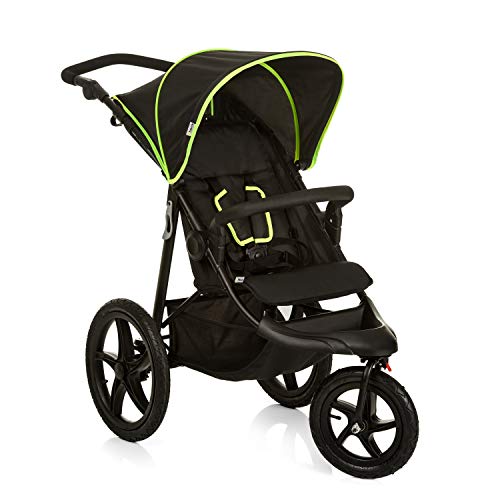
4. All-Terrain Strollers
- Best for: Active households
- Features: Larger wheels and sturdy frame for off-road abilities.
- Pros: Great for rough surfaces, running, and outside adventures.
- Cons: Heavier and bulkier than basic models.
5. Convertible Strollers
- Best for: Growing households
- Functions: Can be transformed from a single stroller to a double stroller.
- Pros: Adapts to your household's needs, accommodating several kids.
- Cons: Often pricier and can be heavy.
Secret Features to Consider
When choosing a baby pram or pushchair, it is very important to concentrate on several crucial functions:
Feature
What to Look For
Safety Features
Five-point harness, durable frame, and safety brakes.
Comfort
Padding, adjustable leg rests, and reclining seats for various positions.
Maneuverability
Swivel wheels for easy navigation, especially in congested areas.
Storage Space
A roomy undercarriage basket for bring baby essentials.
Foldability
Easy folding system for transportation and storage benefit.
Toughness
Premium materials that can withstand wear and tear gradually.
Tips for Choosing the Right Pram or Pushchair
Evaluate Your Lifestyle: Consider how you'll be using the stroller. Do Pushchairs And Prams live in a city with narrow pathways? Or are you most likely to stroll through parks and nature routes?
Security First: Always examine for security accreditations and functions that guarantee your child's security throughout trips.
Test Drive: If possible, take the stroller for a test drive. Push it around the store or outdoor location to evaluate maneuverability and comfort.
Versatility Matters: Opt for a model that can grow with your child. Convertible strollers or travel systems that accommodate babies to toddlers are often excellent financial investments.
Budget plan Wisely: Quality matters, but ensure that the product fits within your budget plan. There are great alternatives readily available in various price ranges.
Regularly Asked Questions (FAQ)
1. At what age can I start using a pushchair for my baby?
- A lot of pushchairs can be utilized when your baby is around 6 months old. Nevertheless, some travel systems enable using an infant safety seat from birth.
2. How do I clean my baby pram or pushchair?
- The majority of designs include removable and washable materials. Regularly clean the frame and wheels with a wet cloth, and avoid using harsh chemicals.
3. Are more pricey pushchairs worth it?
- More expensive models often come with innovative features, durability, and exceptional security requirements. They might deserve the investment depending upon your lifestyle needs.
4. Do I need a travel system?
- If you regularly travel by vehicle, a travel system may be useful as it enables simpler shifts from the vehicle seat to the stroller.
5. For how long will I require a baby pram or pushchair?
- A lot of strollers accommodate kids up to 50 pounds. Depending on the design and your child's development rate, you may utilize it well into their young child years.
Picking the very best baby pram or pushchair requires careful consideration of your lifestyle, choices, and your kid's requirements. With numerous choices offered, parents can find a model that meets their household's requirements. Whether it's a traditional pram for leisurely strolls, an umbrella stroller for fast trips, or a travel system for adaptability, the best option can enhance your parenting journey, making outings with your kid enjoyable and trouble-free. Delighted strolling!