Trials of Mana – Staying True To Original Work Vs RNG Reliance On Equipment
I am a girl who has a soft spot for JRPGs, even if occasionally I play some gritty ones, like Cyberpunk 2077: Phantom Liberty, for example, to mention a game I wrote recently. Now, I thought I should play Trials of Mana again. The remake captures the original structure of the game very much so; however, this fidelity is tied to certain “relics of the past” systems. Foremost of these is the ungodly RNG for equipment and class upgrades.
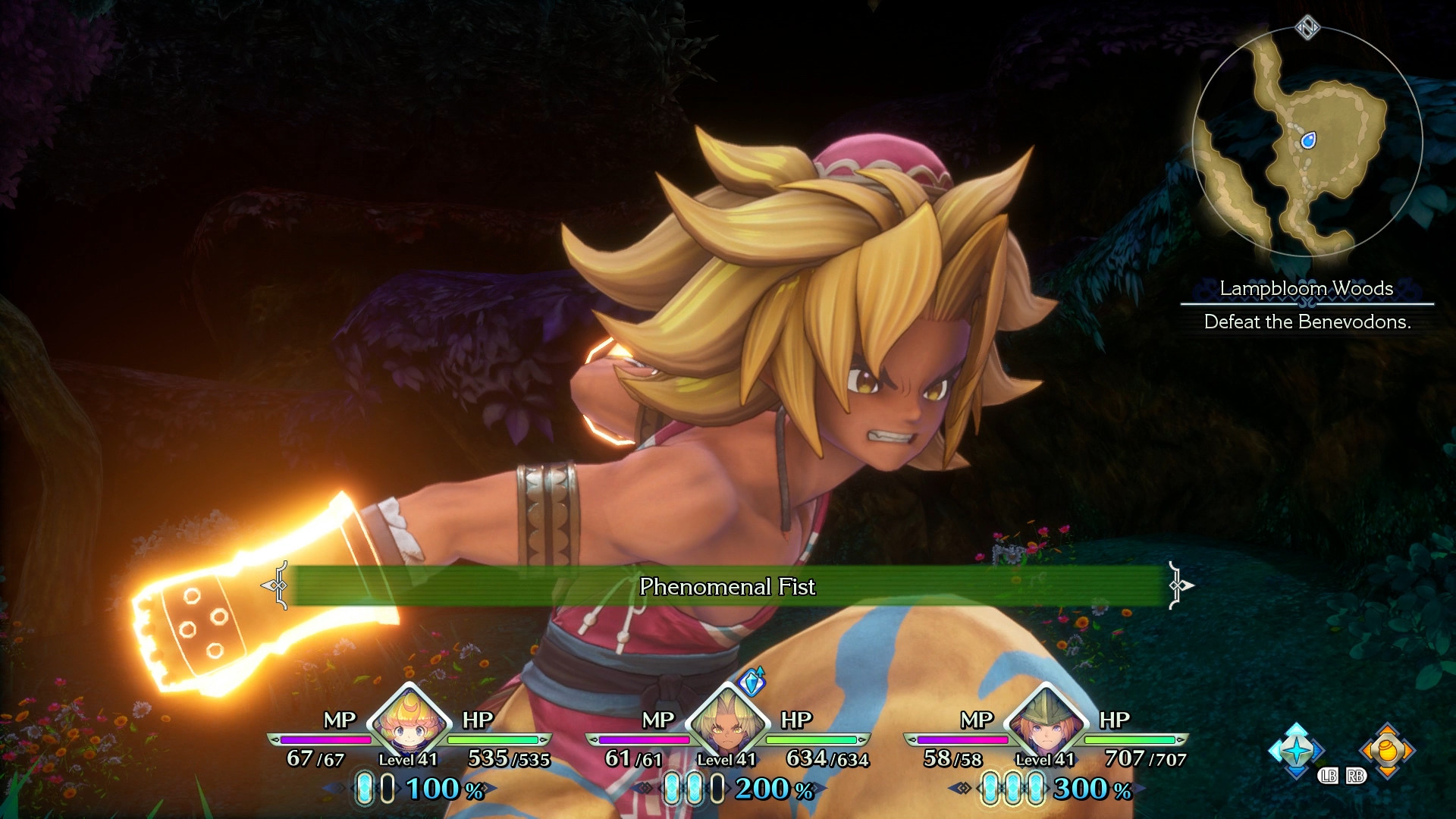
The class advanced changes and high-level equipment still farm “is it farm???” seeds from certain enemies, and their drop rates are still, let's say, hit or miss, and the items within are, well, random. What this means is that in rare instances, players are able to find, or unearth, equipment that is absolutely and comically outdated – and that is supposing RNG favors them.
This system still wholly reflects the original design; however, from a contemporary view, it feels overly harsh and punishing. For the spirit of farming, the remake could have included systems to protect players from prolonged bad luck – for instance, guaranteed drops after a certain number of attempts. The authentic system was kept, and that means removing accessibility and imposing restrictions for the sake of authenticity.
Quality of Life Improvements to Character Growth
In the more effective modernizations for those who buy cheap PS4 games, however, it is in the character growth system. The original game prompted players to make a class choice and locked them into class and stat assignments. Such a system could turn out to be extremely frustrating, especially if the first set of decisions were bad, and this is what the original game hoped to address with two very small changes.
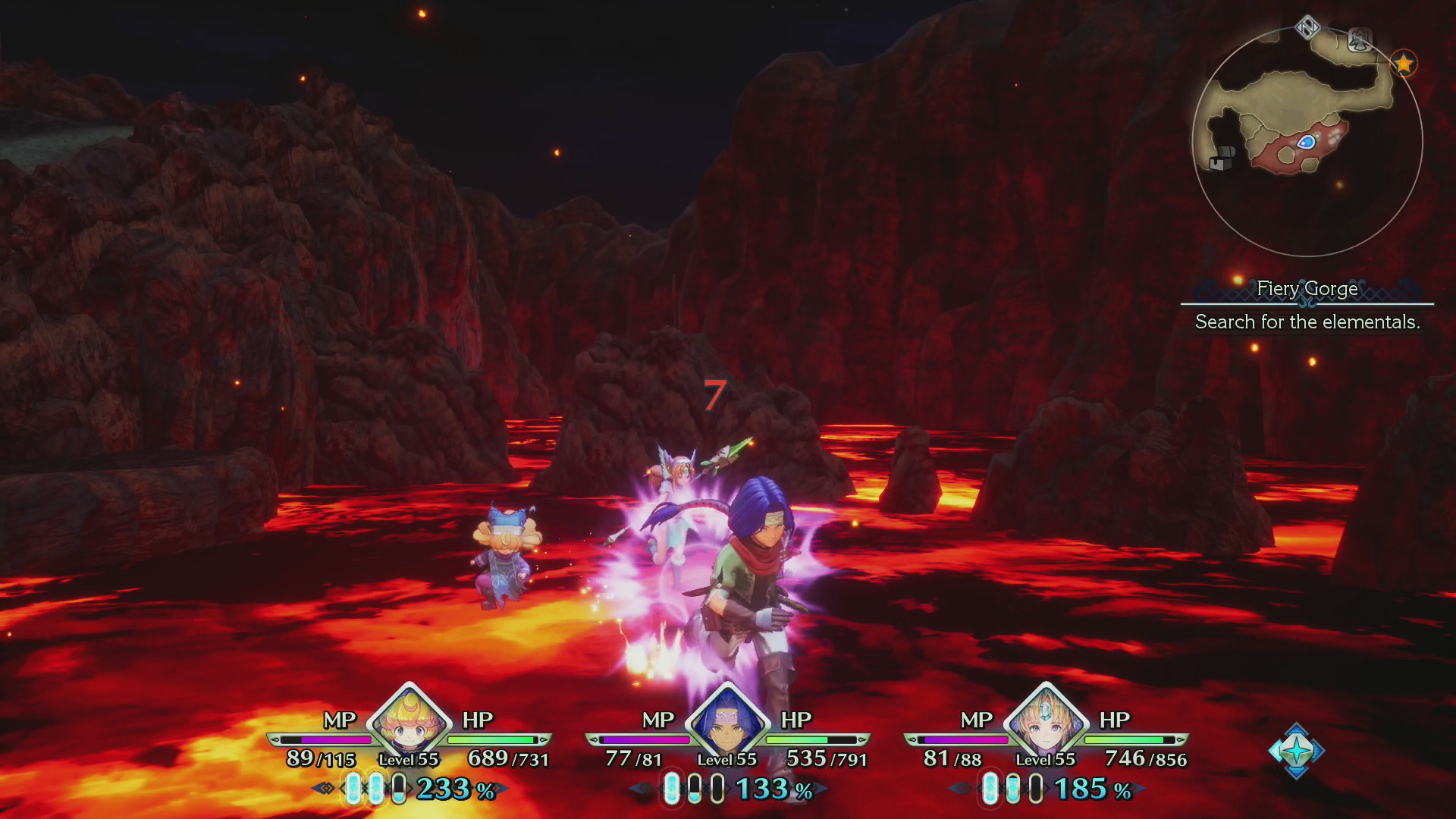
As for the second point, the option to revisit the class choices after some time is again a feature that the remake adds to ensure that players do not have to commit to a single option made at the start of the game for the rest of the game.
These changes are essential improvements to the original's most restrictive shortcomings. They have maintained the class system's intricacy while making it more accessible and lenient.
Comparative Analysis: Then and Now
Looking at the changes made to the remake compared to the original made in 1995, one can easily see both the extra work and the shortcomings that have come out of it. The main structure, which includes six protagonists, branching storylines, and multi-tiered class progression, has not changed.
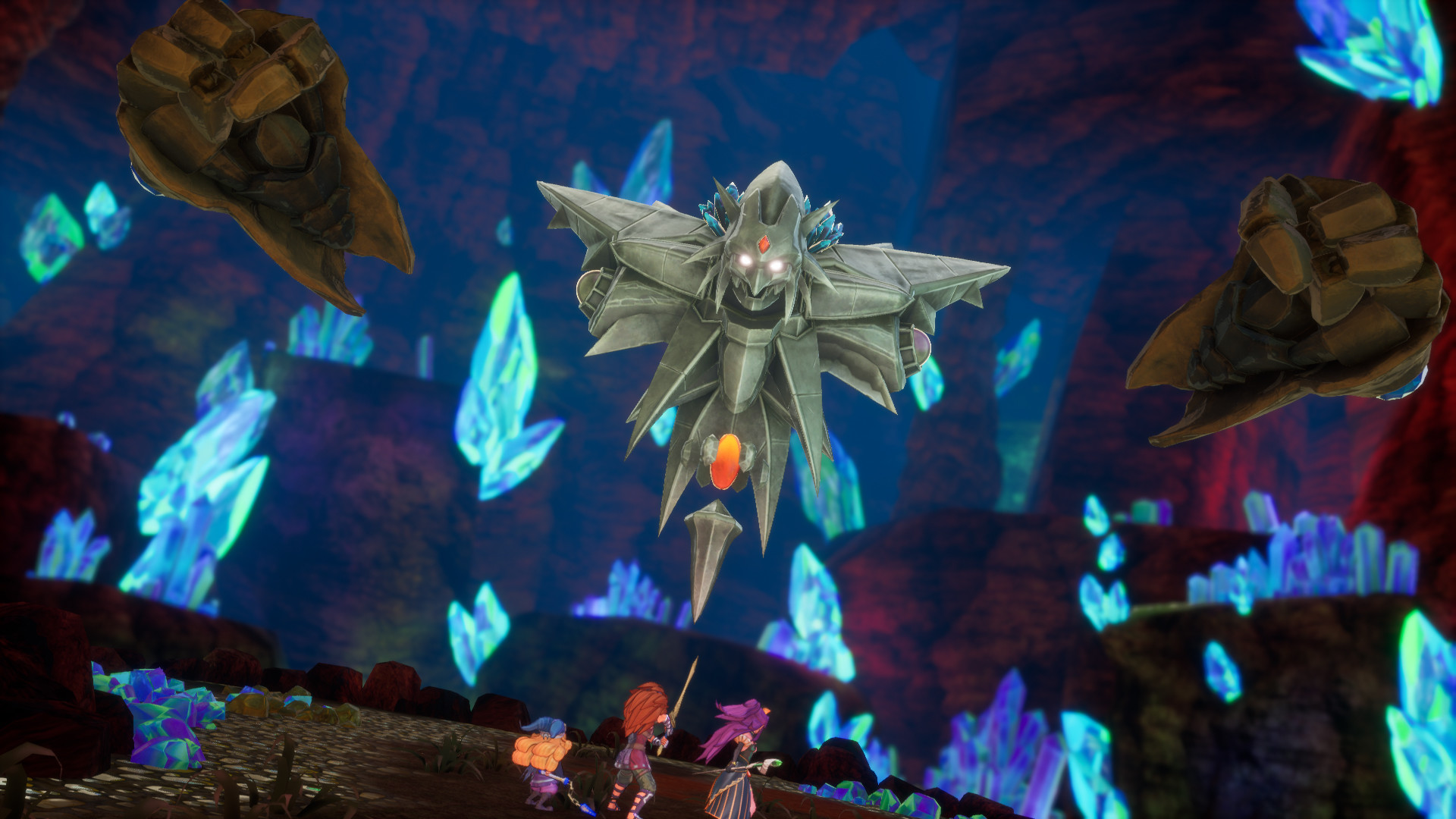
In terms of mechanics, the original game is more oriented toward action. The remake includes: dodge rolls, a new combo system, and Class Strikes that are more cinematic. The core enjoyment of the game, however, is that the RPG elements of stat allocation and class specialization have not been lost. This creates a more modern feel to the game while still keeping the essence.
In terms of polish, the remake does an infinitely better job, with better performance and sleek interfaces. Its poor camera control and AI behavior suggest, however, that not all modernizations flag the absence of a slip.
Visual and Audio Review
Artistically, there is a clear success in the 3D remake, which attempts to capture the 2D sprite charm. The recolored audio is, as mentioned previously, masterful. The soundtrack further enhances the experience, and the option of switching to the original compositions shows respect for the game's legacy. The voice acting, while uneven in parts, is sufficient to guide the narrative through weaker cinematic animations.
Adjustments: How to Make the Camera More Acceptable.
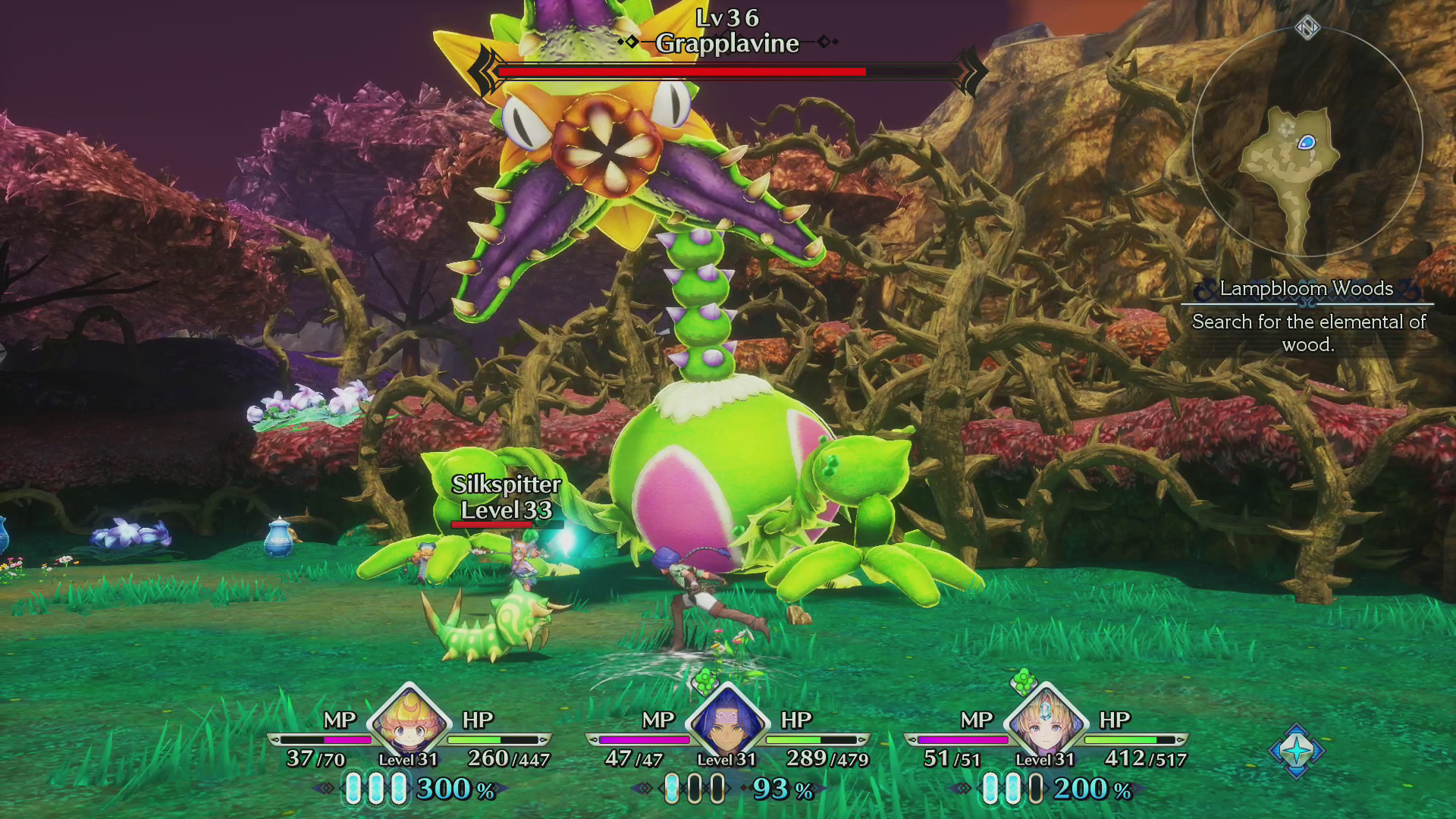
For the more patient players, the issue of the camera can be somewhat lessened. The options for customizing speed and distance do not work for the camera's focus. Setting it to the maximum speed and then pulling it to the farthest distance available still manages to get the camera to the point of near-comfort. While still far from ideal, this is better for gameplay, especially in more tightly packed encounters.
Comparative Analysis: Success Where Others Failed
Looking at the Secret of Mana project sheds some light in this regard. That project tried to modernize the visuals in an attempt to update the mechanics, and this caused a big discord in the entire experience. Trials of Mana, in comparison, works on its systems and re-engineers them to fit a modern framework.
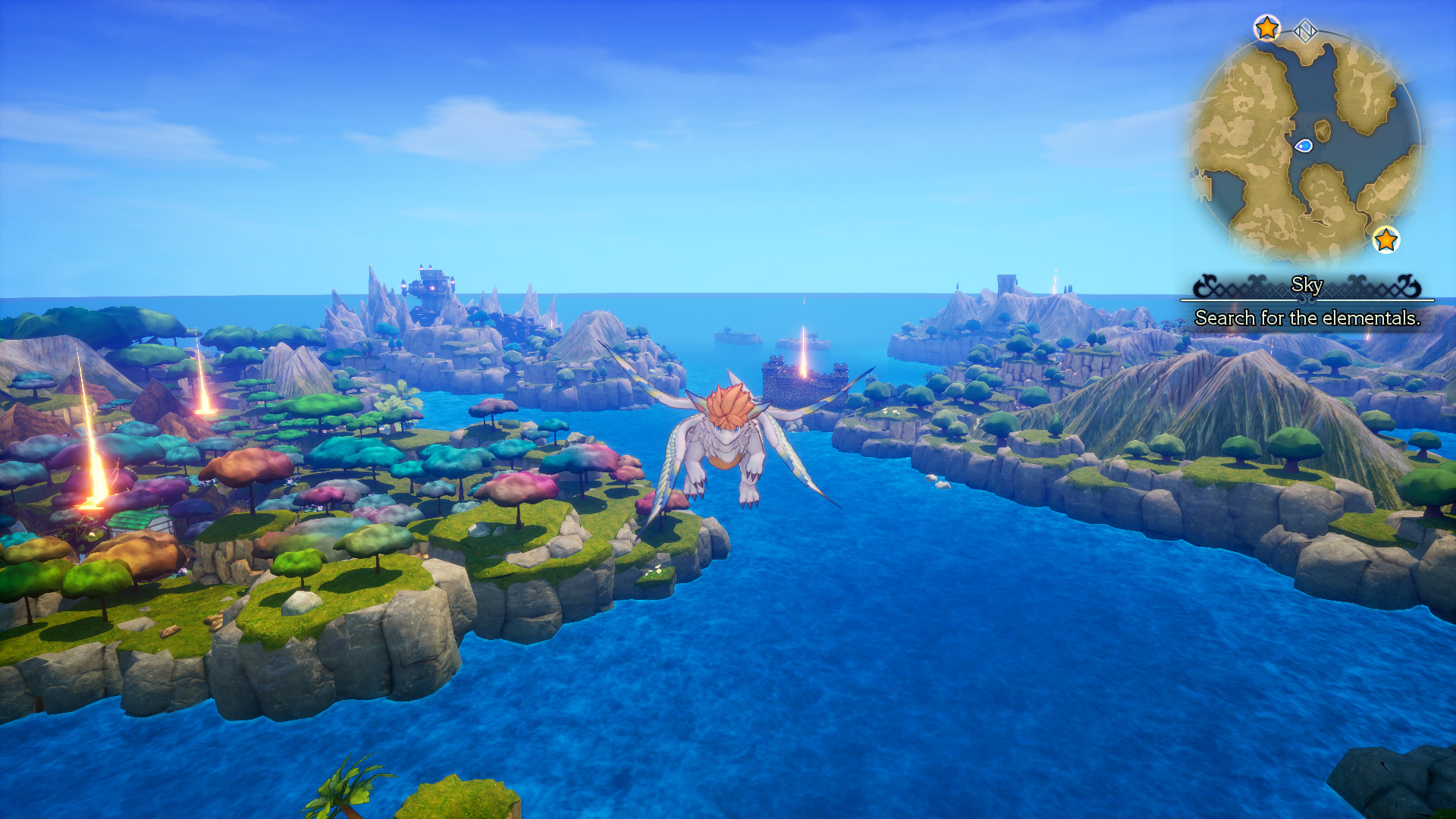
The combat, for example, feels like an authentic extension of the original design, and not a fossilized piece awkwardly stuck to a new shell. These systems, in particular: the class changes and progression systems, alongside the party features, have a relatively easy 3D integration and show how a remake can evolve from its original version.
Critique and Shortcomings
The faults of the remake are not trivial. There is the constant frustration of poor AI and an awkward camera. The RNG-centric equipment system is far too brutal and is outdated, while cinematic animations are far too unfinished for contemporary RPG standards, with emotionally charged moments being undermined by mechanical movement and blank, unexpressive faces.
They are still accompanied by significant advances: adjustable character evolution, detailed aural captures, and imagery that embodies the visual essence of the original.