Shadowkeep and the Shifting Foundation of Destiny 2: A Study in Setup and Subtle Reinvention
Destiny 2's expansions, Shadowkeep, were less of an expansion and more of a structural reboot. In other words, the narrative scope of the expansion was limited, its systemic revisions ran deep, recalibrating how Destiny 2 wanted players to think about builds, progression, and long-term play. Shadowkeep is more than a return to the Moon. It is also a return to fundamentals. Shadowkeep: A Moonshot and a Reboot. Eris Moon returns to the fold, but instead of the dwarves, there are the terrors of the Darkness and the old nails of the Hive. Alarming, high-action sequences turn into the slow roll of a rainy lull. Dreams of storms never seem to land. In the `Something Magical and the Darkness’ match, Eris talks about the welter of ruins. And this expansion’s finale shakes the foundations of lore. The campaign builds up to a conflict with the Darkness, but ultimately finishes on a vague note. Rather than the satisfying resolution with which we might expect to be presented, we're bequeathed implication. These implications might include, for instance, the visions of the dead Guardians, mirrored battles with Nightmares, and a finale that seems devoid of clarity. The decision seems to keep the franchise alive at the cost of emotional fulfillment. For players who buy cheap games, Shadowkeep leaves them wanting more while reframing the entire Destiny mythos around the relationship with Darkness.

Bungie, clearly, placed more emphasis on the foundation than the conclusion. Shadowkeep sets a tone and direction that would resound with the following expansions and series as a whole, and a willingness to leave plot threads untied to build a more complex narrative. Although the decision makes Shadowkeep's standalone story shallow, Destiny 2 benefits from the narrative flexibility.
The campaign may seem to step softly, but the structural overhaul that lies beneath it is quite audacious. The essence of Shadowkeep with regard to Destiny 2 is not its missions and destinations, but how it reinvents the core of the game's progression system. Dude, focus is now more on build quality instead of loot quantity, from chasing random rolls to curating playstyles. Armor 2.0 and the seasonal structure of Destiny 2 Shadowkeep mark the beginning of livestreaming granularity in Destiny 2. It slowly shifts the play model from save-it-up to the long haul. Slight playstyle Shadowkeep is able to influence playstyle sculpting by granting tools to redefine mod and stat synergy. It shifts the “loot legacy” of Destiny into a “loot build” game, devoid of luck but of crafty intent. The Moon in Shadowkeep might take a few nights to play, but it fundamentally changes the mechanics of Strikes, Crucible, Nightfalls, and Slayers. Destiny 2 shifts from “what drops” to “what you do” post the ‘Shadowkeep’ expansion.

The Liberation of Character Builds and [] Armor 2.0.
The new design philosophy is best exemplified by Armor 2.0, offering players unprecedented freedom and control. For those who buy cheap PS4 games, it provides the freedom to grind endlessly, with mods that can be freely swapped and reapplied without being consumed when equipped on gear. The basic numbers are important now. Recovery, Discipline, and Intellect are no longer abstract bonuses. They are now tangible and influence ability cooldowns and the rhythm of combat. A Guardian that focuses on grenade regeneration and melee uptime is different than one that optimizes super energy and weapon stability. Both scenarios, however, result in a sandbox that has layers of complexity and now encourages purposeful design. This means that the space in combat is intended for both casual and dedicated players. Both types of players experience and enjoy the effort that has gone into the loadout for each scenario. It is a reward for the process, while also respecting the time. This serves to optimize the system in place and, in turn, produces gear that is imaginative and creative as opposed to being a chore and heady.
This also applies to veterans losing the freedom of roaming the moon in Destiny 1. For them, the moon is more than a map update. It is a fantastical memory that has been altered in its core elements. Along with the moon, the Hellmouth, Archer’s Line, and the soft glow of other moon structures also suffer from this sense of nostalgia. They, too, bear a mark on them. It is a new mark warping the structures and creating monuments that are nightmares, haunted by trauma. When we return to the game, we’re inundated with powerful imagery, emotional storytelling, and masterfully created mechanics which bridge the experiences, with the exception of one, which is pure genius, flawless in the game’s intricate design and execution – “The Errant Nightmares”. Nightmares add a whole new level to the game in the mechanics and the design, one of Bungie’s boldest and masterful nostalgia creations, heightening the experience while pinning the players down to the very core of the game, feeling every emotion felt back in the day, without overindulging the players with past content.
The Shadowkeep expansion is the ultimate representation of Bungie’s duality, having the “brilliance in meticulous crafting” and the “sloppiness in the live-service facets” simultaneously. Shadowkeep’s endgame captures this split to perfection. Every single one of Bungie’s intricate creations, the Garden of Salvation raid, for example, is positioned in the outlandish realms of the Black Garden. Here, Bungie’s mechanics truly shine. Every moment of the game feels intentional, the rhythm and balance precisely placed, working in a grand design, almost an art to play. It’s fun and engaging – every action and reaction feels utterly and beautifully calculated.
On the other hand, the Vex Offensive is the expansion’s live service heartbeat – and, also, its most unflattering concession. As a six-player matchmade activity, it’s readily available and, alongside others, unquestionably fun for quick bursts. However, its structure – a series of wave clears and bosses – suffers from a profound case of repetition. After just a few sessions, its rhythm is all but predictable, and its allure most unflattering. Then again, it does its job. It is constantly available for the seasonal activity loop and helps test the waters for future content.
Elsewhere, quality of life improvements complete the endgame ecosystem. New Strikes and PvP shifts gently refresh the routine, while the seasonal artifact ensures that buildcraft continues apace even with static loot pools. As a set, these systems suggest Bungie’s newfound confidence in treating Destiny not as a series of standalone expansions but as a continually evolving platform.

Synthesis: not the ending, but the baseline.
Not Destiny 2’s grand reinvention, Shadowkeep is, rather, the scaffolding upon which that reinvention is built. Its campaign may falter in closure, but its systemic reforms are what ensure the game’s relevance years down the line. It shifts the nexus of player progression, identity, and Destiny’s lore and legacy in remarkable but enduring ways. Shadowkeep's most pivotal feat lies in framing it as a resetting and investment point, as it scales down the short-term amusement in place of long-term investments into the ballooning expectations of the game. Indeed, it does not offer the most sensational tales, nor does it pride itself on any particular value addition to the Shadowkeep expansion, but rather sets the stage for what is to come. Shadowkeep makes an attempt, more articulately than any other, to show us how the game can evolve, and more importantly, how it can do so, without losing itself to the snake that is overshadowing it.
The Shadowkeep expansion is the first in the history of the game to offer players a new way to progress through the various levels of power. Seasoned players, who have not yet reached a maximum power level, and for whom was once a reality more akin to completing endgame content, no longer have to worry about being locked behind a pay wall. There's no more gatekeeping, as the Seasonal Artifact levels through the infinite XP system, progressively scaling through various levels. Whether it is a raid, patrol, or even farming public quests, a Guardian will experience profound growth regardless of the activity pursued. The feeling of liberation offered by this is surreal. The Artifact offers balance for soloists, casual gamers, or those who like smaller engagements. It alleviates the anxiety of the competitive seasonal Power races that used to differentiate elite players from the rest of the pack. The Artifact definitely prioritizes time over exclusivity in progress. Even more, it reinforces the game’s new cadence. Each season resets the Artifact, allowing for a gaming experience that encourages different mod loadouts and gameplay styles. This seasonal refresh extends the game’s life cycle, enabling players to reengage with weapons and subclasses they have ignored. The concept is simple, yet it offers a deeper consequence that improves the ability of Destiny 2 to retain its depth while amplifying its reach.
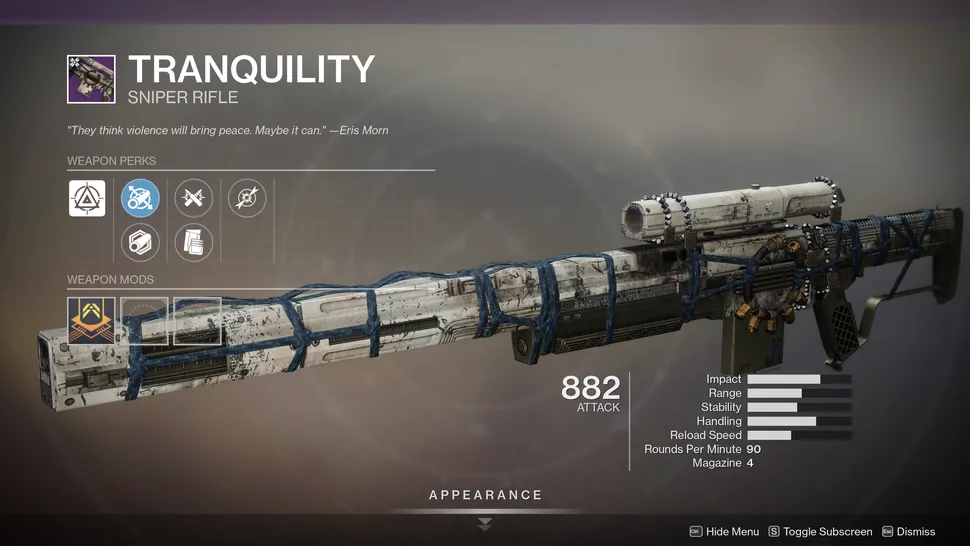
New light and its Accessible Relics are Nostalgic, And Smartly Structured.
While Artifact rebalanced progression, New Light redefined accessibility. New Light was released with Shadowkeep and opened up Destiny 2 to everybody, at no cost. It didn't just give players a ticket, though; it provided a reintroduction walkthrough to the world. Beginning with Destiny 1 and starting with the mission of finding the Ghost in Cosmodrome was a brilliant nostalgic touch. New players were provided with the context, and the veterans were provided with an emotional anchor.
Launching New Light was the decision to start every Guardian at 750 Power Level, which was a new feature and was essential to the game. It removed the grind that new players and returning players faced when trying to connect with the current content. Bungie turned Destiny 2 into a living platform, and Bungie removed the expansions. You could jump into Shadowkeep right away, straight into Crucible, or even test out Gambit. It was your choice at the very beginning.
This change is part of a bigger approach: Bungie is starting to learn how to adapt without being disrespectful. The tutorials have become lighter, but more to the point, the UI is more streamlined, and the map now more effectively communicates what activities should be done. For returning players, New Light feels like a long-lost friend who has finally gotten their thoughts together. For newcomers, it is a wide, inviting path to explore rather than a confusing wall.
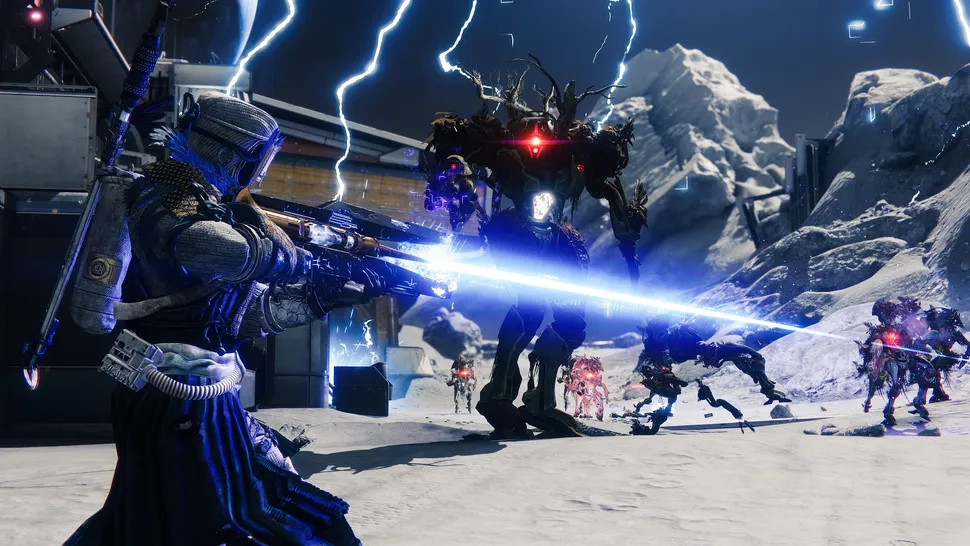
Real Gear Drops That Matter Again
Loot has always been the heartbeat of the Destiny franchise, and Shadowkeep brings that pulse back to life. The expansion revitalizes the pursuit of meaningful gear, not through an abundance of drops, but rather through intent. Each drop is an opportunity to tweak rather than replace. Armor 2.0 unlocks the tiered energy system, allowing players to invest in a selected few armor pieces and then adapt them over time with different mods. It is a system that fosters creativity and planning.
This change is most pronounced in combat, where strategy has supplanted brute force in defeating higher-level enemies. The Barrier, Overload, and Unstoppable Champions Invaders each require different unique Artifact mods to counter, forcing players to rethink their builds. For me, that was where my play style changed. I stopped hoarding my weapons and began curating them. I was no longer chasing numbers — I was crafting my identity.