Shadowkeep and the Shape of Complexity: Destiny 2’s Uneasy Step Into a Living Game
Shadowkeep wasn’t another Destiny 2 expansion when it was released in October 2019; it was a quiet yet decisive turning point. Bungie had just stepped away from Activision and regained full creative control of the universe. This was marketed as a homecoming and a reset; a reclaimation of the Moon, one of Destiny’s most iconic locations, and a reminder of Bungie’s long-term vision for a truly ‘living’ game. But in execution, Shadowkeep revealed a tension that would define most of Destiny 2’s modern era. It offered endgame players a sophisticated assortment of new systems — Armor 2.0, seasonal artifacts, and evolving mod combinations, yet many returning or casual Guardians were left confused. Shadowkeep’s story, in and of itself, was sparse and disjointed, hinting at cosmic shifts and psychological horror but failing to deliver a resolution. For those who buy cheap games, it marks a turning point where Bungie began prioritizing continuity and systemic depth over self-contained completeness.
To put it in simple words, Shadowkeep was tailor-made for world players. The introduction of Armor 2.0 brought some change: every piece of gear now came with energy levels, mod slots, and elemental affinities. Shadowkeep dangles a carrot of complex progression, the kind that a builder with zeal would eagerly lunge at. The difference between theory and practice is the denseness of a complex guess. Even the veterans would find it unyieldingly massive. The suffering was eased for the returning players, but still came at a price. The Shadowkeep expansion had a rather small offering of loot, especially in light of Forsaken's robust loot ecosystem. The Forsaken expansion had a large amount of very different content for players to experience, and it was a piece of cake to loot. The economy of the Shadowkeep expansion monetized specific mod-driven players, restricting them to certain builds and play styles. It is surprising that Bungie succeeded in accomplishing what most endgame players had started to ask for: systems that were more meaningful, deeper investment, and more consequence-ridden customization, as Bungie had done with Destiny 2, though with greater sacrifices to accessibility. Destiny 2's 'onboarding' is now a more daunting labyrinth made up of tutorials, currencies, and power 'gates' than it was before. Where some players got excitement in watching the gameplay become more complex, others felt that it was the point when Destiny ceased to be a 'sandbox' for exploration and creativity, and began to be a workplace with balancing sheets.
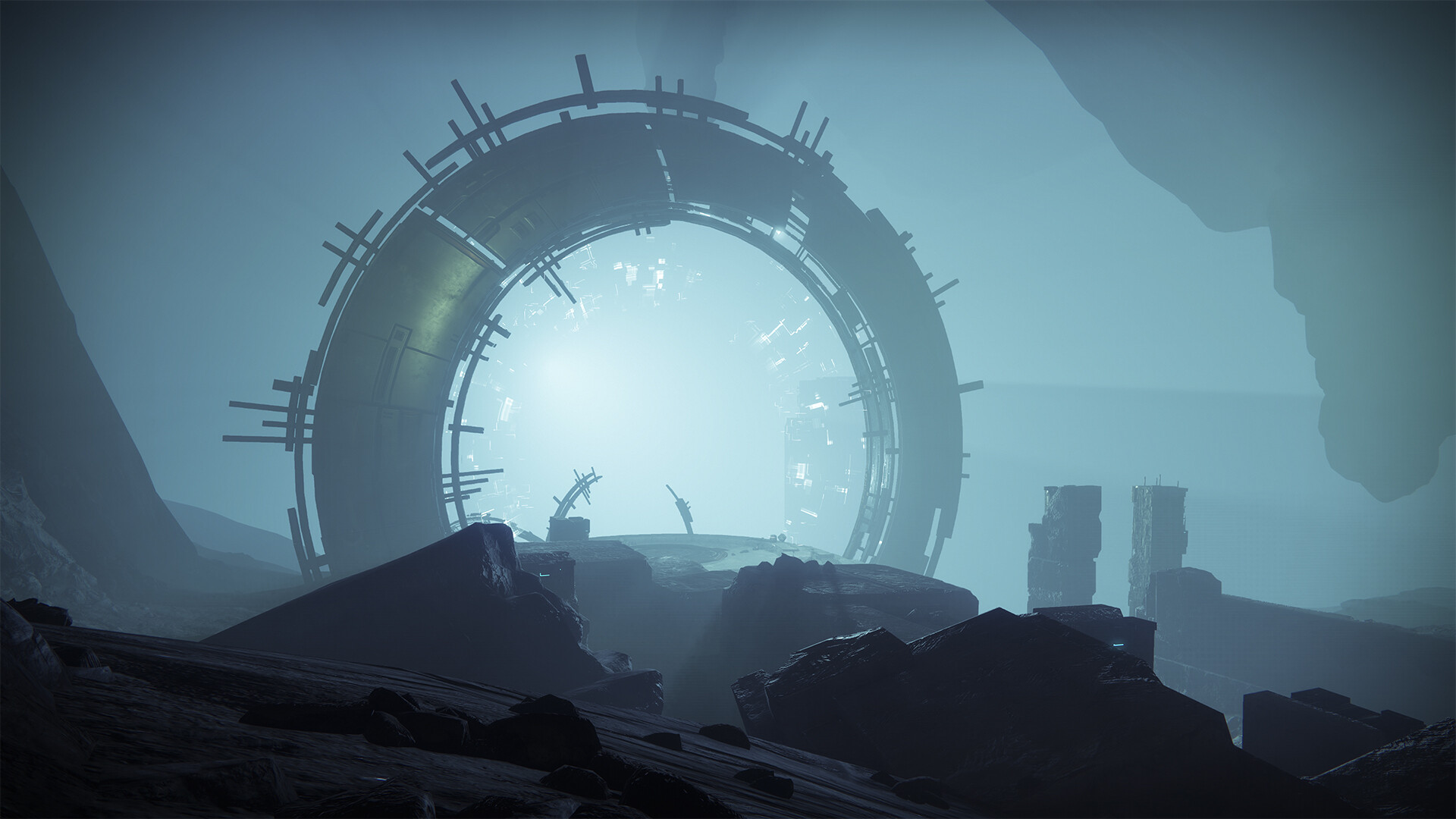
Shadowkeep's Prologue is Ashen and Echoed: A New Era for Campaigns Begins
For clarity and pacing, foretold vengeance in Forsaken was an opera. Shadowkeep is the revenge opera's muted, scattered, and incoherent mirror — the prelude to a larger tale. The campaign's prologue, in the company's vision, portrays the unveiling of the Archon-engineered kittens hidden in the old catacombs by Eris Morn, who then merges with the sleeping Guardians in a warped mental and Hive mystic fusion. The otic of the world is deep, thick, and gnarled, touching the angular borders of self-containment, so is the cadence, yet the systematics feel lacking. When the credits start rolling, it feels like the expansion's “arc” starts with the showdown. Bungie has never shied away from clarifying that the resolution would be explored throughout the seasons of the year. Defeating the aim of an expansion, it felt like a collection of disconnected plots, like the first few steps on a flight of stairs. Strung out over a year, the campaign felt as if it were progressing towards something grand. But the focus of the expansion on essential themes like the return of darkness and the burden of fear reduced their weight. Shadowkeep faced the same problem as Forsaken and Warmind; however, for players who buy cheap PS4 games, it felt the most like an overture—a necessary venture that ultimately fell short due to its lack of closure.
Much of the charm in Shadowkeep is the nostalgia, and Bungie surely knew what they were doing. The emotional notes are hit with the return of the moon and its landmarks, with the now lunar setting of the Ominous red hue. The nostalgia is supported by Eris Morn, whom we still remember. She is untouched by time, haunting and poetic, and still whispering about monsters. The remaining campaign and its activities are overly focused on revisiting Destiny’s past villains, rebranded as now volatile “Nightmares.” Theoretically, facing ghostly incarnations of Crota, Ghaul, and the Fanatic should be climactic, but in reality, it is more of a victory lap. An “amped-up nostalgia trip” is what it is. These battles happen to be part of Destiny’s long arc and thus are still not refreshing enough to tell a new story. That being said, the nostalgia does not lack in substance. The emotions carried by the canvases showing the moon, along with the eerie moonlit battlefields, evoke strong feelings. However, Shadowkeep does expand on and preserve the history of Destiny.
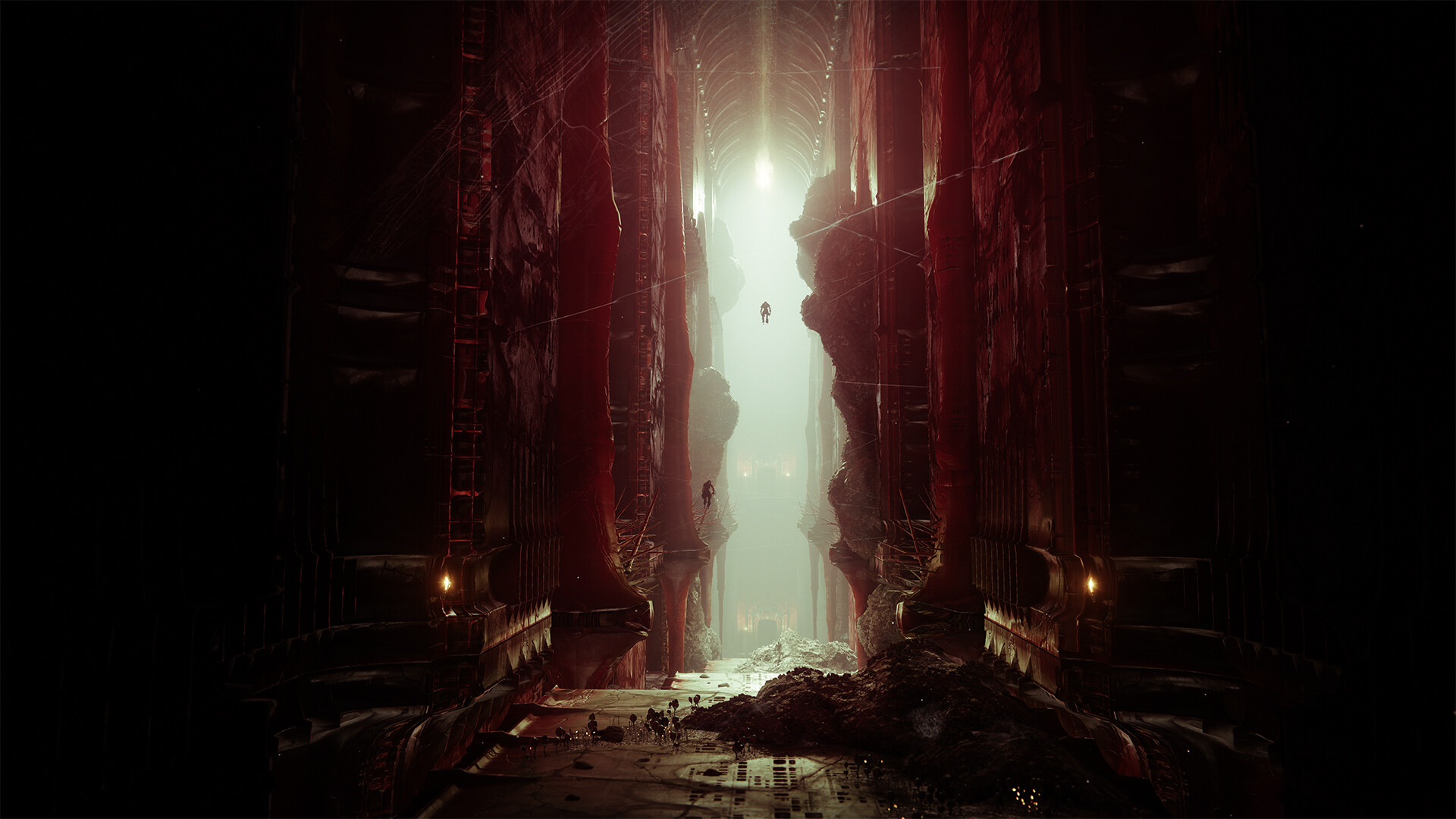
The Vision of a Living Game – Ikora’s Scaffolding and the Evolution of the Game Week by Week
In Bungie’s Shadowkeep, the most ambitious came to life wasn’t a weapon or a raid, but a myriad of other things. Bungie was attaching terrain to a glorified structure of Ikora Rey’s workshed in the Tower. Bungie was building the world in front of players’ eyes. Ever since Bungie parted ways with Activision, this has been Bungie’s most ambitious proclamation. Shadowkeep was never meant to stand alone; it was meant to lay the groundwork for a sprawling web of interconnected structures. Players, watching during the Undying and Dawn seasons, witnessed the universe as it evolved in real-time. New player activities came and went alongside the ebb and flow of the Vex invasion, which, in conjunction with the Undying and Dawn seasons, made players feel less like a series of resets and more like a perpetual experiment for the first time in the history of Destiny. Of course, Bungie would be Bungie, and this would not come without a few hiccups. The change in speed with which players received the additional seasonal content was, to say the least, not well received, and a few other complaints players had slowed the experience to a standstill. Bungie’s scaffolding around Ikora was the final touch that transformed Bungie’s philosophy of Destiny into the focus of this structure, a place under construction.
Destiny’s Shadowkeep expansion took atmosphere to a new level, and with that, the Moon destination was outstanding. It connected the familiar with the new alien feeling, while the rest of the geographic regions stayed the same since the first Destiny game. The tone: shadows stretching longer and the air buzzing with palpable dread. Distant screams, subtle whispers, and the grinding of unseen machinery mixed in with the audio and heightened the feeling that something truly ancient was stirring. The further a player goes into the Moon, the more compelling the story becomes, with elements such as Lost Sectors and concealed passages hinting at new secrets to be discovered. The player base was quick to solve the mysteries of the glyphs, track down clues, and discover the mysteries of a moon-sized Pyramid ship that was lost under the Moon's surface. With the passing of time, Bungie decided to layer more secrets and more discoveries, and people in the community found that the Moon was buzzing with secrets and the excitement of exploration. Shadowkeep's focus was not on the quantity of story arcs and loot, but on the balance of focus between defining the story and allowing the players to follow their curiosity. Anyone would tell you that the Destiny World is just like the Shadowkeep, it has more mysteries that are left undiscovered.
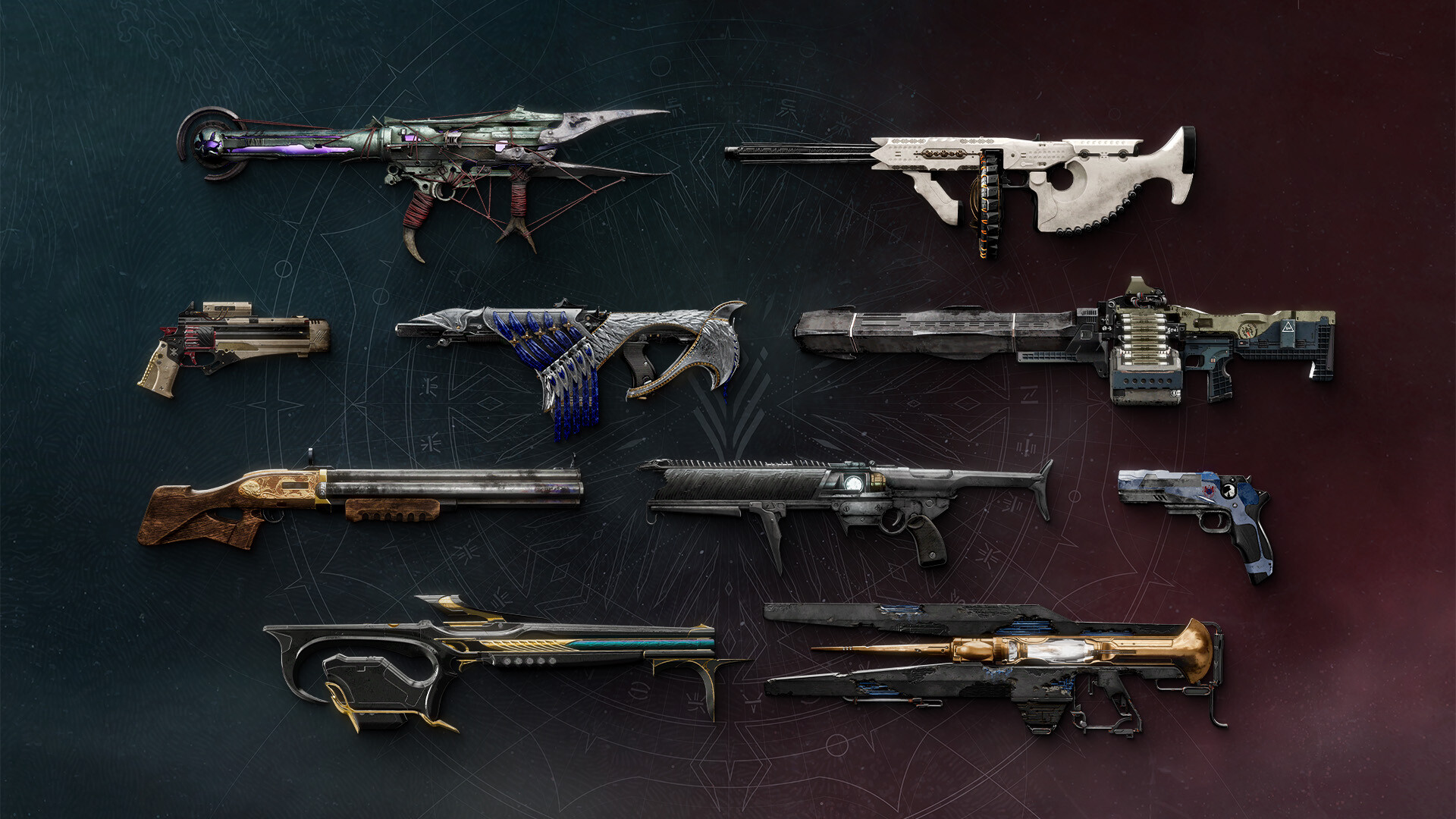
Conclusion: The Step Blueprint Under The Dust
In hindsight, Shadowkeep does not appear as an expansion in its own right, but rather a blueprint for what Destiny 2 would become. Although they initially shocked the more casual players, Shadowkeep’s systems laid the foundation for the modern buildcrafting era. Its narrative structure added a new serialized model to the franchise, which would be refined in later releases such as Beyond Light and The Witch Queen. It's worldbuilding nostalgia and new mysteries at the same time, which veterans enjoyed but risked perplexing newcomers.
The expansion’s most apparent success and most evident shortcoming was in its commitment to change. Bungie was no longer following the cadence of traditional expansions and was, in fact, re-engineering the very Destiny rhythm of the storytelling and systems. Thus, Shadowkeep is more of a scaffold to Destiny rather than a climax. It is in the center of what Destiny was, and what it hoped to become.
This is Shadowkeep in all its dust and darkness, of the Moon lies, imperfect, uneven, and at times confusing. There is a vital understanding, hidden within the dust of the moon that sheds new light on Destiny: it is the first time it seems to finally be learning how to stop trying to be something it’s not.