vocava

Introduction

As people seek non-surgical ways to restore youthful skin, Sculptra has become one of the most popular cosmetic treatments available today. Unlike traditional dermal fillers that provide immediate volume, Sculptra works by stimulating the body's natural collagen production, delivering gradual and long-lasting results. This unique approach helps improve facial volume, smooth wrinkles, and enhance overall skin quality while maintaining a natural appearance.

In this article, we'll explore what Sculptra is, how it works, its benefits, the treatment process, potential side effects, and who makes the ideal candidate for this innovative aesthetic procedure.

What Is Sculptra?

Sculptra is an injectable cosmetic treatment made from poly-L-lactic acid (PLLA), a biocompatible and biodegradable substance that has been safely used in medical applications for many years. Rather than acting as a traditional filler, Sculptra encourages the skin to produce new collagen, the protein responsible for maintaining firmness, elasticity, and structure.

As collagen production increases over time, patients experience gradual improvements in facial volume and skin texture, creating subtle, natural-looking rejuvenation.

How Does Sculptra Work?

The aging process naturally reduces collagen production, leading to wrinkles, hollow cheeks, sagging skin, and facial volume loss. Sculptra addresses these concerns by stimulating fibroblast cells to produce fresh collagen beneath the skin.

After the injections:

  • Poly-L-lactic acid particles are absorbed gradually.
  • The body begins producing new collagen.
  • Skin regains structure and firmness.
  • Results develop progressively over several weeks to months.

This gradual improvement is one reason many people prefer Sculptra over fillers that create instant but sometimes more noticeable changes.

Benefits of Sculptra

Sculptra offers several advantages for individuals looking for long-lasting facial rejuvenation.

Natural-Looking Results

Since collagen develops gradually, improvements appear subtle and natural instead of sudden or overfilled.

Long-Lasting Effects

Results can last up to two years or even longer in some patients, making Sculptra one of the longest-lasting injectable treatments available.

Collagen Stimulation

Rather than simply filling wrinkles, Sculptra addresses one of the root causes of facial aging by rebuilding collagen.

Improved Skin Quality

Many patients notice smoother, firmer skin with better elasticity over time.

Minimal Downtime

Most people return to normal daily activities shortly after treatment with only mild swelling or redness.

Common Areas Treated with Sculptra

Sculptra is commonly used to restore volume in several areas of the face, including:

  • Hollow cheeks
  • Temples
  • Jawline
  • Smile lines (nasolabial folds)
  • Marionette lines
  • Chin
  • Overall facial volume loss

Some medical professionals also use Sculptra for body contouring treatments, such as improving the appearance of the buttocks or correcting skin irregularities.

The Sculptra Treatment Process

The treatment usually begins with a consultation where the provider evaluates your facial structure, skin condition, and cosmetic goals.

During the procedure:

  1. The treatment area is cleansed.
  2. A local anesthetic may be applied.
  3. Sculptra is injected into targeted areas.
  4. The provider gently massages the treated areas to ensure even distribution.

Most appointments take between 30 and 60 minutes.

Because collagen production occurs gradually, many patients require two to four treatment sessions spaced several weeks apart for optimal results.

Recovery and Aftercare

Recovery after Sculptra is generally quick and uncomplicated.

Patients are often advised to:

  • Massage the treated areas several times daily for a few days.
  • Avoid excessive sun exposure immediately after treatment.
  • Stay hydrated.
  • Follow all aftercare instructions provided by the practitioner.

Mild swelling, bruising, tenderness, or redness usually resolves within a few days.

Possible Side Effects

Like any injectable treatment, Sculptra may cause temporary side effects, including:

  • Swelling
  • Bruising
  • Redness
  • Tenderness
  • Minor discomfort at the injection site

Rare complications may include small nodules beneath the skin, infection, or uneven results if the product is not properly administered. Choosing an experienced, qualified injector significantly reduces these risks.

Who Is a Good Candidate?

Sculptra is often recommended for adults who:

  • Have age-related facial volume loss
  • Want gradual, natural-looking improvements
  • Prefer long-lasting results
  • Are in good overall health
  • Have realistic expectations

It may not be suitable for individuals with active skin infections, certain autoimmune conditions, or allergies to any of its ingredients. A professional consultation is essential before treatment.

Sculptra vs. Traditional Dermal Fillers

Although both treatments improve facial appearance, they work differently.

Sculptra Traditional Dermal Fillers
Stimulates collagen production Adds immediate volume
Results develop gradually Instant results
Lasts up to two years or longer Usually lasts 6–18 months
Natural, progressive improvement Immediate correction
Multiple sessions often required Fewer sessions may be needed

The best option depends on your aesthetic goals and the recommendations of a qualified medical professional.

Tips for Maintaining Results

To maximize the longevity of Sculptra results:

  • Maintain a healthy skincare routine.
  • Protect your skin with sunscreen daily.
  • Stay hydrated.
  • Eat a balanced diet rich in nutrients.
  • Avoid smoking.
  • Attend maintenance appointments if recommended.

Healthy lifestyle habits can help preserve collagen and extend treatment benefits.

Frequently Asked Questions

How long does Sculptra take to show results?

Most patients begin noticing improvements within four to six weeks, with continued enhancement over several months as collagen production increases.

Is Sculptra painful?

Most patients experience only mild discomfort during the injections. Numbing agents are often used to improve comfort.

How long do the results last?

Results commonly last around two years, though individual outcomes vary depending on age, lifestyle, and skin condition.

Can Sculptra be combined with other treatments?

Yes. Many providers combine Sculptra with treatments such as Botox®, laser resurfacing, or hyaluronic acid fillers to achieve comprehensive facial rejuvenation.

Conclusion

Sculptra offers a unique approach to facial rejuvenation by encouraging the body's natural collagen production instead of simply filling wrinkles. Its gradual, long-lasting results make it an attractive option for individuals seeking subtle yet noticeable improvements in facial volume and skin quality.

When performed by an experienced medical professional, Sculptra can restore a more youthful appearance while preserving natural facial expressions. If you're considering cosmetic injectables and prefer results that develop over time, Sculptra may be an excellent option to discuss during a consultation with a qualified aesthetic provider.
Introduction

In hazardous work environments, employee safety should always be a top priority. One of the most effective ways to reduce the risk of burn injuries is by wearing flame resistant workwear. Designed to protect workers from flash fires, electric arc flashes, and combustible dust explosions, flame resistant (FR) clothing plays a critical role in industries where fire hazards are present.

This article explores what flame resistant workwear is, its benefits, key features, and how to choose the right garments for your workplace.

What Is Flame Resistant Workwear?

Flame resistant workwear refers to clothing made from specialized fabrics that are engineered to resist ignition and prevent flames from spreading. Unlike regular clothing, FR garments are designed to self-extinguish once the source of ignition is removed, helping to minimize burn injuries.

Flame resistant clothing is commonly used in industries such as:

  • Oil and gas
  • Electrical utilities
  • Manufacturing
  • Welding and metal fabrication
  • Chemical processing
  • Mining
  • Construction

These garments are available in various forms, including shirts, pants, coveralls, jackets, bib overalls, and high-visibility safety apparel.

Why Flame Resistant Workwear Is Important

Workers exposed to heat, sparks, molten metal, or electrical hazards face significant risks every day. Flame resistant workwear provides an essential layer of protection by reducing the severity of burn injuries.

Some key benefits include:

Enhanced Worker Safety

The primary purpose of flame resistant workwear is to protect employees from thermal hazards. By limiting flame spread and insulating against heat, FR clothing helps reduce the extent of injuries during workplace incidents.

Compliance with Safety Regulations

Many industries require employers to provide flame resistant clothing that meets recognized safety standards. Using compliant workwear helps organizations maintain regulatory compliance while promoting a safer workplace.

Increased Worker Confidence

Employees who wear proper protective clothing often feel more secure while performing hazardous tasks. This confidence can improve focus, productivity, and overall job performance.

Long-Term Durability

High-quality flame resistant garments are built for demanding work environments. They are designed to withstand repeated washing and daily wear while maintaining their protective properties.

Key Features of Quality Flame Resistant Workwear

When selecting flame resistant workwear, consider the following features:

Certified Protection

Choose garments that meet recognized safety standards for flame resistance and arc protection. Certification ensures the clothing has been tested for performance under hazardous conditions.

Comfortable Fabrics

Modern FR clothing combines protection with comfort. Lightweight, breathable materials help workers stay cool while maintaining safety throughout long shifts.

Moisture Management

Advanced fabrics wick sweat away from the body, improving comfort during physically demanding work.

Durable Construction

Reinforced stitching, heavy-duty zippers, and abrasion-resistant materials increase the lifespan of flame resistant workwear.

Proper Fit

Protective clothing should allow freedom of movement without being excessively loose or tight. A proper fit enhances both safety and comfort.

Types of Flame Resistant Workwear

Different jobs require different types of protective clothing. Common options include:

FR Shirts

Long-sleeve flame resistant shirts provide upper-body protection while remaining comfortable for daily use.

FR Pants

Designed with durable fabrics and reinforced construction, FR pants offer protection against heat, sparks, and flames.

FR Coveralls

Coveralls provide full-body coverage and are commonly used in industrial environments where complete protection is required.

FR Jackets

Flame resistant jackets provide additional warmth while maintaining protection against fire hazards.

High-Visibility FR Clothing

Workers in roadside, construction, and utility environments often require garments that combine flame resistance with enhanced visibility.

How to Choose the Right Flame Resistant Workwear

Selecting the appropriate flame resistant workwear depends on several factors:

  • Identify workplace hazards through a risk assessment.
  • Select garments with the appropriate protection level.
  • Ensure the clothing complies with industry safety standards.
  • Choose durable materials suitable for your work environment.
  • Prioritize comfort and mobility for all-day wear.
  • Select the correct size for proper coverage.

Employers should also train workers on the correct use, maintenance, and inspection of flame resistant clothing.

Caring for Flame Resistant Workwear

Proper maintenance helps preserve the protective qualities of FR garments.

Best practices include:

  • Follow the manufacturer's washing instructions.
  • Avoid bleach or harsh chemicals that may damage the fabric.
  • Inspect clothing regularly for tears, holes, or excessive wear.
  • Replace damaged garments immediately.
  • Store clothing in a clean, dry location.

Proper care extends the lifespan of flame resistant workwear while ensuring consistent protection.

Common Industries That Use Flame Resistant Workwear

Flame resistant workwear is widely used across numerous industries, including:

  • Oil and gas operations
  • Electrical maintenance
  • Utility services
  • Welding workshops
  • Manufacturing plants
  • Chemical facilities
  • Mining operations
  • Industrial maintenance
  • Construction sites

Each industry has unique hazards, making the selection of appropriate FR clothing essential for worker safety.

The Future of Flame Resistant Workwear

Advancements in textile technology continue to improve flame resistant workwear. Manufacturers are developing lighter, more breathable fabrics with enhanced durability and increased comfort. Sustainable materials and environmentally responsible production methods are also becoming more common, helping companies balance worker safety with environmental responsibility.

Conclusion

Flame resistant workwear is an essential investment for businesses operating in hazardous environments. By providing protection against flames, heat, and electrical hazards, FR clothing helps reduce injuries, improve workplace safety, and support compliance with industry regulations.

Choosing high-quality flame resistant garments that fit properly, meet recognized safety standards, and are maintained correctly ensures workers receive reliable protection every day. Whether in oil and gas, manufacturing, utilities, or construction, flame resistant workwear remains one of the most important forms of personal protective equipment for safeguarding employees in high-risk workplaces.

A birth chart is one of the most important tools in astrology, offering a detailed view of the positions of the sun, moon, planets, and other celestial points at the exact moment of a person’s birth. Also known as a natal chart, a birth chart is often used to explore personality traits, emotional patterns, strengths, challenges, and life themes.

Many people are interested in birth charts because they provide a deeper look beyond just a zodiac sign. While a horoscope usually focuses on a single zodiac sign, a birth chart considers multiple astrological elements to create a more complete picture of an individual’s personality and experiences.

What Is a Birth Chart?

A birth chart is an astrological diagram that represents the location of celestial bodies at the time and place of a person’s birth. Astrologers interpret these placements to understand different aspects of a person’s character, emotions, relationships, and personal journey.

A birth chart is created using three key details:

  • Date of birth
  • Exact time of birth
  • Place of birth

These details help determine the positions of planets and the twelve houses in the chart.

The Main Elements of a Birth Chart

A birth chart contains several important components that work together to create an astrological interpretation.

The Sun Sign

The sun sign is one of the most recognized parts of a birth chart. It represents identity, personality, confidence, and personal expression.

The sun sign is determined by the position of the sun at the time of birth and is often associated with a person’s basic characteristics and life energy.

The Moon Sign

The moon sign represents emotions, inner feelings, instincts, and subconscious patterns. It is often used to understand how a person processes emotions and responds to different situations.

The moon sign can provide insights into emotional needs and personal comfort.

The Rising Sign

The rising sign, also known as the ascendant, represents how a person presents themselves to the world. It is associated with first impressions, outward behavior, and the way individuals approach new experiences.

The rising sign depends on the exact time and location of birth, making accurate birth information important.

The Planets in a Birth Chart

Each planet in astrology is associated with different areas of life and symbolic meanings.

Mercury

Mercury is connected with communication, learning, thinking, and decision-making.

Venus

Venus represents love, relationships, beauty, creativity, and personal values.

Mars

Mars is associated with energy, motivation, passion, and action.

Jupiter

Jupiter symbolizes growth, opportunity, knowledge, and expansion.

Saturn

Saturn represents responsibility, discipline, patience, and life lessons.

Uranus

Uranus is linked with change, originality, innovation, and independence.

Neptune

Neptune represents imagination, spirituality, dreams, and intuition.

Pluto

Pluto is associated with transformation, personal power, and deep change.

The Twelve Houses in a Birth Chart

The twelve houses represent different areas of life. Each house shows where certain planetary energies may be expressed.

The houses include areas such as:

  • Self and personality
  • Money and resources
  • Communication and learning
  • Home and family
  • Creativity and romance
  • Health and daily routines
  • Partnerships
  • Transformation
  • Travel and beliefs
  • Career and reputation
  • Friendships and communities
  • Spirituality and inner growth

Astrologers study planets placed in different houses to interpret possible life themes.

The Importance of Birth Chart Aspects

Aspects are the angles formed between planets in a birth chart. They are believed in astrology to show how different energies interact with each other.

Common aspects include:

  • Conjunction
  • Opposition
  • Square
  • Trine
  • Sextile

Astrologers use these relationships to understand possible strengths, challenges, and patterns within a chart.

Benefits of Exploring a Birth Chart

Many people explore their birth charts for personal insight and reflection.

Better Self-Understanding

A birth chart can encourage people to think about their personality, emotions, habits, and motivations.

Understanding Strengths

Astrology enthusiasts often use birth charts to explore natural talents, interests, and personal abilities.

Relationship Insights

Birth charts are sometimes used to compare compatibility between individuals and explore communication styles and emotional connections.

Personal Growth

Many people use astrology as a tool for reflection, helping them consider goals, challenges, and opportunities for improvement.

Birth Chart and Zodiac Signs

The zodiac signs play an important role in interpreting a birth chart. Each planet is placed in a specific zodiac sign, which influences how that planetary energy is expressed.

For example, the same planet may have different interpretations depending on the zodiac sign it occupies. This creates unique combinations that make each birth chart different.

How to Read a Birth Chart

Reading a birth chart can seem complicated at first, but beginners can start with the basics:

  1. Learn the meanings of the zodiac signs.
  2. Understand the role of each planet.
  3. Explore the sun, moon, and rising signs.
  4. Learn about the twelve houses.
  5. Study how planets interact through aspects.

With time and practice, understanding a birth chart becomes easier and more detailed.

Online Birth Chart Readings

Today, many people use online tools to generate their birth charts. These platforms allow users to enter their birth information and receive detailed astrological interpretations.

Online birth chart services have made astrology more accessible by helping beginners explore planetary placements, zodiac signs, and house meanings.

However, birth chart interpretations should be viewed as a form of personal reflection rather than a guaranteed explanation of personality or future events.

Is a Birth Chart Scientifically Proven?

Astrology, including birth chart interpretation, is not scientifically proven to predict personality traits or future outcomes. Many people, however, enjoy astrology as a cultural tradition, spiritual practice, or method of self-exploration.

The value of a birth chart often comes from the reflection and questions it inspires rather than from making certain predictions.

Conclusion

A birth chart is a fascinating part of astrology that provides a detailed look at the symbolic relationship between celestial positions and personal experiences. By exploring planets, zodiac signs, houses, and aspects, people can gain new perspectives on their personality, emotions, and life themes.

While astrology is not a science-based prediction system, many individuals find birth charts meaningful as a tool for self-awareness, curiosity, and personal growth. Whether explored for spiritual interest or simple curiosity, a birth chart offers a unique way to reflect on the journey of life.

Introduction

A birth chart calculator is an astrology tool that creates a personalized birth chart based on your exact date, time, and place of birth. Also known as a natal chart calculator, it maps the positions of the Sun, Moon, planets, and zodiac signs at the moment you were born. This unique astrological chart offers insights into your personality, emotions, relationships, career, strengths, and life path.

Whether you're new to astrology or an experienced enthusiast, using a birth chart calculator is one of the easiest ways to begin exploring your cosmic blueprint.

What Is a Birth Chart Calculator?

A birth chart calculator is an online or software-based tool that automatically generates your natal chart using astronomical data. Instead of manually calculating planetary positions, the calculator processes your birth information and produces an accurate astrological chart within seconds.

To generate your birth chart, you'll typically need:

  • Your birth date
  • Your exact birth time
  • Your birth location

Providing an accurate birth time is especially important because it determines your Rising Sign (Ascendant) and the placement of the twelve astrological houses.

How Does a Birth Chart Calculator Work?

A birth chart calculator uses astronomical calculations known as ephemerides to determine the exact position of celestial bodies at your birth.

The calculator identifies the placement of:

  • The Sun
  • The Moon
  • Mercury
  • Venus
  • Mars
  • Jupiter
  • Saturn
  • Uranus
  • Neptune
  • Pluto

It also calculates:

  • Your Rising Sign (Ascendant)
  • The twelve astrological houses
  • Planetary aspects
  • Zodiac sign placements

The result is a detailed circular chart that serves as your personal astrological map.

Understanding the Key Elements of Your Birth Chart

Sun Sign

Your Sun sign represents your core personality, identity, confidence, and overall life purpose. It reflects who you are at your essence.

Moon Sign

Your Moon sign governs emotions, intuition, subconscious patterns, and emotional needs. It reveals how you process feelings and connect with others.

Rising Sign (Ascendant)

Your Rising sign influences your outward personality, appearance, and first impressions. It also determines the arrangement of the twelve houses in your birth chart.

Planetary Placements

Each planet represents a different aspect of life.

  • Mercury influences communication and thinking.
  • Venus rules love, beauty, and relationships.
  • Mars represents ambition, courage, and action.
  • Jupiter symbolizes growth, wisdom, and opportunity.
  • Saturn teaches discipline and responsibility.
  • Uranus encourages innovation and change.
  • Neptune inspires imagination and spirituality.
  • Pluto represents transformation and personal growth.

The Twelve Houses

The twelve houses describe different areas of life, including:

  • Personal identity
  • Money and possessions
  • Communication
  • Home and family
  • Creativity
  • Health
  • Relationships
  • Transformation
  • Travel and education
  • Career
  • Friendships
  • Spirituality

The planets located within each house reveal where their influence is most active.

Why Use a Birth Chart Calculator?

A birth chart calculator provides personalized astrological insights that go beyond your Sun sign.

Benefits include:

  • Better self-awareness
  • Understanding emotional patterns
  • Career guidance
  • Relationship compatibility
  • Personal development
  • Spiritual growth
  • Recognition of strengths and challenges

Many people use birth charts as a tool for reflection, helping them make informed decisions and better understand themselves.

Is a Birth Chart Calculator Accurate?

A birth chart calculator can be highly accurate when you provide correct birth information. Since planetary positions are based on precise astronomical calculations, even a small difference in birth time can affect the Ascendant and house placements.

If your birth time is unknown, the calculator can still generate a chart, but some interpretations may be less precise.

Birth Chart Calculator vs. Daily Horoscope

Although both are related to astrology, they serve different purposes.

Birth Chart Calculator Daily Horoscope
Uses exact birth details Based mainly on your Sun sign
Creates a personalized natal chart Offers general daily predictions
Focuses on personality and life path Focuses on short-term influences
Remains the same throughout life Changes daily, weekly, or monthly

A birth chart provides a lifelong astrological profile, while a horoscope reflects current planetary influences.

Can a Birth Chart Predict the Future?

A birth chart calculator does not predict the future with certainty. Instead, it highlights your natural tendencies, strengths, potential challenges, and recurring life themes.

Astrologers often combine natal charts with predictive techniques such as transits and progressions to understand how current planetary movements may influence different periods of life. However, your choices and actions remain an important part of shaping your future.

Tips for Getting the Most Accurate Birth Chart

To ensure accurate results:

  • Use your official birth date.
  • Enter your exact birth time whenever possible.
  • Select the correct birth city and country.
  • Double-check all information before generating your chart.
  • Learn the meanings of your Sun, Moon, and Rising signs first before exploring more advanced interpretations.

Frequently Asked Questions

What if I don't know my birth time?

You can still use a birth chart calculator, but the Rising Sign and house placements may not be accurate. Obtaining your birth certificate can improve the accuracy of your chart.

Is a birth chart calculator free?

Many online birth chart calculators offer free basic charts and interpretations, while some provide premium reports with more detailed analysis.

Can two people have the same birth chart?

It's possible but uncommon. Two people would need to be born at nearly the same time and in the same location for their charts to be almost identical.

Conclusion

A birth chart calculator is one of the most valuable tools for anyone interested in astrology and self-discovery. By analyzing the positions of the planets, zodiac signs, and astrological houses at the exact moment of your birth, it creates a unique blueprint of your personality, emotions, relationships, and life path.

Whether you're exploring astrology for curiosity, personal growth, or deeper self-understanding, a birth chart calculator offers meaningful insights that can help you better understand your strengths, challenges, and potential throughout life. While it doesn't determine your destiny, it provides a fascinating guide to the energies that shape your individual journey.

Introduction

Safety is a top priority in industries where workers are exposed to fire, heat, electrical arcs, or combustible materials. One of the most effective ways to reduce the risk of severe burns and injuries is by wearing flame resistant workwear. Unlike ordinary clothing, flame resistant garments are specifically engineered to resist ignition, self-extinguish when the flame source is removed, and minimize burn injuries.

Whether you work in oil and gas, electrical utilities, manufacturing, or welding, investing in high-quality flame resistant workwear is not just a workplace requirement—it is a lifesaving decision.

What Is Flame Resistant Workwear?

Flame resistant workwear, often referred to as FR workwear, is protective clothing designed to resist catching fire and prevent flames from spreading across the fabric. These garments are made from specially engineered fibers or treated materials that provide reliable protection against flash fires, electric arc flashes, and other thermal hazards.

Unlike regular clothing, flame resistant workwear maintains its protective properties even after repeated washing and daily use when properly cared for.

Why Flame Resistant Workwear Is Important

Employees working in hazardous environments face risks that standard clothing cannot handle. Flame resistant workwear offers several key benefits, including:

  • Reduces the severity of burn injuries.
  • Provides critical escape time during fire-related incidents.
  • Meets workplace safety regulations and industry standards.
  • Enhances worker confidence and comfort.
  • Improves overall workplace safety culture.

Employers who provide appropriate protective clothing demonstrate their commitment to employee well-being while reducing workplace accidents and potential liability.

Industries That Require Flame Resistant Workwear

Many industries rely on flame resistant workwear to keep employees safe. Common sectors include:

  • Oil and gas operations
  • Electrical utilities
  • Welding and metal fabrication
  • Mining
  • Chemical processing
  • Construction
  • Manufacturing
  • Fire and emergency response
  • Transportation and rail services

Workers in these industries regularly encounter ignition hazards that make flame resistant clothing an essential part of their personal protective equipment (PPE).

Common Types of Flame Resistant Workwear

Modern flame resistant workwear is available in a variety of styles to suit different job requirements.

Flame Resistant Shirts

Designed for everyday protection, FR shirts offer lightweight comfort while providing excellent resistance to flames and heat exposure.

Flame Resistant Pants

FR pants provide durable lower-body protection and are available in various fits and fabric weights for different working environments.

Flame Resistant Coveralls

Coveralls offer full-body protection and are widely used in industrial settings where workers face continuous exposure to hazardous conditions.

Flame Resistant Jackets

These jackets provide an additional layer of protection during cold weather while maintaining flame resistant performance.

Flame Resistant Bib Overalls

Ideal for heavy-duty industrial work, bib overalls offer increased protection for the torso and legs while allowing freedom of movement.

Features to Look for in Flame Resistant Workwear

When choosing flame resistant workwear, consider the following features:

  • Certified flame resistant materials
  • Durable construction
  • Comfortable and breathable fabrics
  • Moisture-wicking performance
  • Reinforced stitching
  • Multiple utility pockets
  • High visibility options
  • Proper fit for unrestricted movement

Quality workwear should balance protection, durability, and comfort for long shifts.

Choosing the Right Flame Resistant Workwear

Selecting the right flame resistant workwear depends on several factors:

  • Type of workplace hazards
  • Required safety certifications
  • Climate and weather conditions
  • Job responsibilities
  • Fabric weight
  • Comfort requirements
  • Garment durability

Employers should conduct hazard assessments to determine the appropriate level of protection for each work environment.

Caring for Flame Resistant Workwear

Proper maintenance helps preserve the protective performance of flame resistant clothing.

Follow these care tips:

  • Wash garments according to the manufacturer's instructions.
  • Avoid chlorine bleach and fabric softeners unless specifically approved.
  • Inspect clothing regularly for damage or excessive wear.
  • Replace garments with significant tears or compromised protective properties.
  • Store workwear in a clean, dry location away from contaminants.

Proper care extends garment life and ensures consistent protection.

Benefits of Investing in Quality Flame Resistant Workwear

High-quality flame resistant workwear offers long-term value by improving worker safety and productivity. Some key benefits include:

  • Increased workplace safety
  • Reduced injury severity
  • Compliance with safety regulations
  • Long-lasting durability
  • Better employee comfort
  • Lower replacement costs over time
  • Improved professional appearance

Investing in premium FR clothing is often more cost-effective than replacing low-quality garments frequently.

Manufacturers continue to improve flame resistant workwear with innovative technologies such as:

  • Lightweight high-performance fabrics
  • Enhanced moisture management
  • Stretch materials for greater mobility
  • Improved breathability
  • Sustainable fabric production
  • Smart protective textiles

These advancements help workers stay safer without sacrificing comfort or productivity.

Conclusion

Flame resistant workwear is an essential component of workplace safety in industries where fire and heat hazards exist. By providing reliable protection against thermal risks, these garments help reduce injuries, improve compliance, and create safer working environments. Whether you need flame resistant shirts, pants, coveralls, or jackets, choosing certified, high-quality workwear ensures dependable protection for every shift.

Investing in the right flame resistant workwear is more than meeting safety requirements—it is a commitment to protecting lives, enhancing productivity, and building a stronger culture of workplace safety.

Introduction

Safety is a top priority in industries where workers are exposed to fire, heat, electrical arcs, or combustible materials. One of the most effective ways to reduce the risk of severe burns and injuries is by wearing flame resistant workwear. Unlike ordinary clothing, flame resistant garments are specifically engineered to resist ignition, self-extinguish when the flame source is removed, and minimize burn injuries.

Whether you work in oil and gas, electrical utilities, manufacturing, or welding, investing in high-quality flame resistant workwear is not just a workplace requirement—it is a lifesaving decision.

What Is Flame Resistant Workwear?

Flame resistant workwear, often referred to as FR workwear, is protective clothing designed to resist catching fire and prevent flames from spreading across the fabric. These garments are made from specially engineered fibers or treated materials that provide reliable protection against flash fires, electric arc flashes, and other thermal hazards.

Unlike regular clothing, flame resistant workwear maintains its protective properties even after repeated washing and daily use when properly cared for.

Why Flame Resistant Workwear Is Important

Employees working in hazardous environments face risks that standard clothing cannot handle. Flame resistant workwear offers several key benefits, including:

  • Reduces the severity of burn injuries.
  • Provides critical escape time during fire-related incidents.
  • Meets workplace safety regulations and industry standards.
  • Enhances worker confidence and comfort.
  • Improves overall workplace safety culture.

Employers who provide appropriate protective clothing demonstrate their commitment to employee well-being while reducing workplace accidents and potential liability.

Industries That Require Flame Resistant Workwear

Many industries rely on flame resistant workwear to keep employees safe. Common sectors include:

  • Oil and gas operations
  • Electrical utilities
  • Welding and metal fabrication
  • Mining
  • Chemical processing
  • Construction
  • Manufacturing
  • Fire and emergency response
  • Transportation and rail services

Workers in these industries regularly encounter ignition hazards that make flame resistant clothing an essential part of their personal protective equipment (PPE).

Common Types of Flame Resistant Workwear

Modern flame resistant workwear is available in a variety of styles to suit different job requirements.

Flame Resistant Shirts

Designed for everyday protection, FR shirts offer lightweight comfort while providing excellent resistance to flames and heat exposure.

Flame Resistant Pants

FR pants provide durable lower-body protection and are available in various fits and fabric weights for different working environments.

Flame Resistant Coveralls

Coveralls offer full-body protection and are widely used in industrial settings where workers face continuous exposure to hazardous conditions.

Flame Resistant Jackets

These jackets provide an additional layer of protection during cold weather while maintaining flame resistant performance.

Flame Resistant Bib Overalls

Ideal for heavy-duty industrial work, bib overalls offer increased protection for the torso and legs while allowing freedom of movement.

Features to Look for in Flame Resistant Workwear

When choosing flame resistant workwear, consider the following features:

  • Certified flame resistant materials
  • Durable construction
  • Comfortable and breathable fabrics
  • Moisture-wicking performance
  • Reinforced stitching
  • Multiple utility pockets
  • High visibility options
  • Proper fit for unrestricted movement

Quality workwear should balance protection, durability, and comfort for long shifts.

Choosing the Right Flame Resistant Workwear

Selecting the right flame resistant workwear depends on several factors:

  • Type of workplace hazards
  • Required safety certifications
  • Climate and weather conditions
  • Job responsibilities
  • Fabric weight
  • Comfort requirements
  • Garment durability

Employers should conduct hazard assessments to determine the appropriate level of protection for each work environment.

Caring for Flame Resistant Workwear

Proper maintenance helps preserve the protective performance of flame resistant clothing.

Follow these care tips:

  • Wash garments according to the manufacturer's instructions.
  • Avoid chlorine bleach and fabric softeners unless specifically approved.
  • Inspect clothing regularly for damage or excessive wear.
  • Replace garments with significant tears or compromised protective properties.
  • Store workwear in a clean, dry location away from contaminants.

Proper care extends garment life and ensures consistent protection.

Benefits of Investing in Quality Flame Resistant Workwear

High-quality flame resistant workwear offers long-term value by improving worker safety and productivity. Some key benefits include:

  • Increased workplace safety
  • Reduced injury severity
  • Compliance with safety regulations
  • Long-lasting durability
  • Better employee comfort
  • Lower replacement costs over time
  • Improved professional appearance

Investing in premium FR clothing is often more cost-effective than replacing low-quality garments frequently.

Manufacturers continue to improve flame resistant workwear with innovative technologies such as:

  • Lightweight high-performance fabrics
  • Enhanced moisture management
  • Stretch materials for greater mobility
  • Improved breathability
  • Sustainable fabric production
  • Smart protective textiles

These advancements help workers stay safer without sacrificing comfort or productivity.

Conclusion

Flame resistant workwear is an essential component of workplace safety in industries where fire and heat hazards exist. By providing reliable protection against thermal risks, these garments help reduce injuries, improve compliance, and create safer working environments. Whether you need flame resistant shirts, pants, coveralls, or jackets, choosing certified, high-quality workwear ensures dependable protection for every shift.

Investing in the right flame resistant workwear is more than meeting safety requirements—it is a commitment to protecting lives, enhancing productivity, and building a stronger culture of workplace safety.

Introduction

Hair is one of the most complex elements to recreate in digital characters. From flowing long hairstyles to short, detailed cuts, realistic hair can dramatically improve the appearance of characters and increase player immersion. As gaming technology continues to evolve, Video game Hair has become a major focus for developers seeking to create lifelike worlds and memorable characters.

Modern games no longer rely solely on simple textures or static models. Advanced rendering techniques, physics simulations, and high-quality shaders now allow hair to move naturally, react to lighting, and respond to character movement. Whether in action games, role-playing adventures, sports titles, or cinematic experiences, realistic hair contributes to the overall quality and authenticity of a game.

This article explores the evolution of video game hair, the technologies behind it, common development methods, optimization strategies, challenges, and future trends.


What Is Video Game Hair?

Video game hair refers to the digital representation of hairstyles used for characters in video games. It includes everything from the visual appearance of hair to its movement, lighting, physics, and interaction with the surrounding environment.

Creating convincing hair involves a combination of:

  • 3D modeling
  • Texture creation
  • Material design
  • Physics simulation
  • Lighting and shading
  • Animation
  • Performance optimization

The goal is to make hair look and behave as naturally as possible while maintaining smooth gameplay performance.


The Evolution of Video Game Hair

Hair technology has changed significantly over the years.

Early Video Games

In older games, hair was often represented using simple painted textures placed directly onto character models. Limited hardware made realistic hairstyles impossible.

Characteristics included:

  • Static appearance
  • Low polygon models
  • Basic textures
  • Minimal detail

Although these techniques were effective for their time, they lacked realism.


Polygon Hair

As graphics hardware improved, developers began modeling hairstyles using polygons.

This approach provided:

  • Better shape
  • Improved silhouettes
  • More detailed hairstyles
  • Increased customization

However, polygon hair still appeared somewhat rigid during movement.


Hair Cards

Hair cards became one of the most popular techniques for many years.

Hair cards are flat polygon strips with transparent textures that simulate groups of hair strands.

Advantages include:

  • Good visual quality
  • Efficient rendering
  • Lower memory usage
  • Suitable for most platforms

Many modern games continue using hair cards because they offer an excellent balance between realism and performance.


Strand-Based Hair

Today's high-end games increasingly use strand-based rendering.

Instead of flat textures, individual strands are rendered separately, allowing for:

  • Realistic lighting
  • Natural movement
  • Better shadows
  • Improved depth
  • Highly detailed hairstyles

This technology is especially common in AAA titles and cinematic productions.


Why Video Game Hair Matters

Hair plays a significant role in character design and player perception.

Enhances Character Identity

Hairstyles often help define a character's personality, age, profession, and cultural background. A distinctive hairstyle can become an iconic part of a character's identity.


Improves Immersion

Natural-looking hair makes characters feel more believable. Hair that responds to movement, wind, and environmental effects adds realism and helps players connect with the game world.


Supports Storytelling

Hair can communicate changes in a character over time, such as aging, battle damage, or personal transformation, making it an effective storytelling tool.


Increases Visual Quality

High-quality hair complements realistic skin, clothing, facial animation, and environments, contributing to a polished and professional presentation.


Common Techniques Used for Video Game Hair

Developers use several methods depending on the game's style, target hardware, and performance requirements.

Hair Cards

Hair cards remain one of the most efficient techniques.

Benefits include:

  • Low rendering cost
  • Easy optimization
  • Good compatibility across platforms
  • Flexible styling

This method is ideal for many real-time games.


Polygon Hair

Some stylized games use solid polygon hair instead of transparent textures.

Advantages include:

  • Simple rendering
  • Easy animation
  • Clean visual style
  • Consistent appearance

This approach works well for cartoon and anime-inspired games.


Strand-Based Hair

High-end productions often choose strand-based systems for maximum realism.

Features include:

  • Individual hair strands
  • Dynamic movement
  • Advanced lighting
  • Realistic shadows
  • Physics simulation

Although visually impressive, this method requires more processing power.


Hair Physics in Video Games

Realistic movement is essential for convincing hairstyles.

Hair physics simulate how hair reacts to:

  • Walking
  • Running
  • Jumping
  • Wind
  • Gravity
  • Collisions

Physics systems calculate these interactions in real time, making hair appear soft, flexible, and lifelike.


Hair Shading and Lighting

Hair reflects light differently than skin or clothing.

Modern game engines use specialized hair shaders that simulate:

  • Light scattering
  • Specular highlights
  • Color variation
  • Transparency
  • Shadowing

These effects create natural-looking hairstyles under different lighting conditions.


Character Customization

Many modern games allow players to customize hairstyles.

Common customization options include:

  • Hair length
  • Hair color
  • Hair texture
  • Beard styles
  • Eyebrows
  • Accessories

Character creators use modular hairstyles that can be mixed and matched to produce unique appearances.


Challenges in Creating Video Game Hair

Hair remains one of the most technically demanding aspects of character development.

Performance

Thousands or even millions of strands require significant GPU resources.

Developers must balance:

  • Visual quality
  • Frame rate
  • Memory usage
  • Platform limitations

Animation

Hair should react naturally without excessive clipping or unrealistic movement.

Poor animation can reduce immersion, especially during fast-paced gameplay.


Collision Detection

Hair frequently interacts with:

  • Shoulders
  • Clothing
  • Armor
  • Hats
  • Weapons

Collision systems help prevent hair from passing through these objects.


Different Hair Types

Creating diverse hairstyles requires accounting for various textures and structures, including straight, wavy, curly, coily, and braided hair. Each style behaves differently and benefits from tailored modeling and simulation techniques.


Optimizing Video Game Hair

Optimization ensures realistic hair without sacrificing performance.

Use Multiple Levels of Detail

Characters farther from the camera can use simplified hairstyles.

This reduces:

  • Polygon count
  • Strand count
  • Physics calculations

Reduce Simulation Distance

Only nearby characters need full physics simulation.

Background characters can use simplified animations.


Simplify Materials

Efficient shaders reduce GPU workload while maintaining attractive visuals.


Control Transparency

Hair often relies on transparency, which can be expensive to render.

Optimizing transparent materials improves frame rates.


Applications Beyond Gaming

The technology developed for video game hair is now used in many industries.

Film Production

Digital actors require realistic hairstyles for cinematic storytelling.


Virtual Reality

Hair realism increases immersion in VR experiences.


Augmented Reality

Virtual avatars use advanced hair systems for realistic interaction.


Digital Humans

Businesses developing virtual assistants, influencers, and customer service avatars benefit from natural-looking hair to improve authenticity.


Future Trends in Video Game Hair

Hair technology continues to evolve rapidly.

Emerging innovations include:

  • More accurate real-time simulations
  • Improved AI-assisted hair generation
  • Better performance optimization
  • Advanced lighting models
  • Enhanced collision systems
  • More inclusive hairstyle libraries
  • Greater customization options

As hardware capabilities improve, developers will be able to deliver increasingly lifelike hairstyles without compromising performance.


Best Practices for Developers

To achieve high-quality results:

  • Match the hair technique to your game's art style and hardware targets.
  • Optimize assets with multiple Levels of Detail (LODs).
  • Test hair under different lighting conditions.
  • Balance realism with performance requirements.
  • Fine-tune physics for stable and believable movement.
  • Avoid excessive strand density unless necessary.
  • Include a diverse range of hairstyles to support character variety.
  • Regularly profile performance during development.

Conclusion

Video Game Hair has evolved from simple painted textures into highly sophisticated systems capable of producing realistic movement, lighting, and detail. Whether using hair cards, polygon models, or strand-based rendering, developers have more tools than ever to create believable digital characters.

As gaming hardware and graphics technology continue to advance, realistic hair will play an even greater role in delivering immersive experiences. By combining artistic creativity with technical optimization, developers can design hairstyles that not only look impressive but also enhance gameplay, storytelling, and player engagement.

Artificial intelligence is transforming industries across the globe, making ai news one of the most followed topics in technology today. From groundbreaking machine learning models and intelligent automation to healthcare innovations and creative applications, AI continues to redefine how people work, communicate, and solve complex problems.

Whether you are a business leader, developer, student, researcher, or technology enthusiast, staying informed with the latest AI news helps you understand emerging trends, discover new opportunities, and prepare for the future of intelligent technology.

Why AI News Matters

Artificial intelligence has become a key driver of innovation in nearly every sector. Organizations are adopting AI-powered tools to improve efficiency, enhance customer experiences, and make data-driven decisions.

Following AI news allows readers to stay updated on:

  • New AI models and technologies
  • Machine learning advancements
  • Robotics innovations
  • AI software updates
  • Business applications
  • Healthcare breakthroughs
  • Educational developments
  • Government regulations
  • Ethical discussions
  • Research discoveries

Keeping up with these topics helps individuals and businesses adapt to the rapidly changing technological landscape.

AI Is Transforming Every Industry

Artificial intelligence is no longer limited to research laboratories. Today, AI plays an important role in industries of all sizes.

Healthcare

Medical professionals use AI to assist with disease detection, medical imaging, treatment planning, and drug discovery. Intelligent systems help analyze large amounts of medical data, improving both speed and accuracy.

Finance

Banks and financial institutions rely on AI for fraud detection, risk analysis, customer support, and automated investment strategies. AI-driven analytics also help organizations make more informed financial decisions.

Manufacturing

Factories use artificial intelligence to monitor equipment, predict maintenance needs, optimize production lines, and improve product quality through automation.

Retail

Retail businesses benefit from AI through personalized product recommendations, inventory management, customer service chatbots, and demand forecasting.

Education

Educational institutions are using AI-powered tools to personalize learning experiences, automate administrative tasks, and provide intelligent tutoring for students.

Machine Learning Continues to Advance

Machine learning remains one of the fastest-growing fields within artificial intelligence. Modern algorithms can analyze massive datasets, recognize patterns, and make predictions with increasing accuracy.

Recent improvements focus on:

  • Faster model training
  • Better language understanding
  • Improved image recognition
  • Enhanced speech processing
  • Predictive analytics
  • Recommendation systems
  • Automated decision-making

These advancements are helping organizations solve complex problems more efficiently than ever before.

Generative AI Is Changing Creativity

One of the biggest topics in AI news is the rise of generative AI. These systems can create text, images, music, videos, computer code, and other forms of digital content based on user input.

Generative AI is being used for:

  • Content creation
  • Graphic design
  • Marketing materials
  • Software development
  • Video production
  • Music composition
  • Customer support
  • Creative brainstorming

As the technology evolves, it is opening new possibilities for both professionals and hobbyists.

Robotics and Intelligent Automation

Artificial intelligence is driving rapid progress in robotics. Modern robots are becoming more capable of performing complex tasks in manufacturing, logistics, agriculture, healthcare, and service industries.

AI-powered robots can:

  • Navigate dynamic environments
  • Recognize objects
  • Perform repetitive tasks
  • Assist in surgeries
  • Deliver products
  • Inspect infrastructure
  • Support warehouse operations

These innovations improve efficiency while reducing operational costs.

AI and Cybersecurity

Cybersecurity has become another major focus of AI news. Organizations use artificial intelligence to identify threats, detect unusual behavior, and respond to attacks more quickly.

AI enhances cybersecurity by:

  • Monitoring network activity
  • Detecting malware
  • Preventing fraud
  • Identifying suspicious transactions
  • Automating threat analysis
  • Strengthening authentication systems

As cyber threats continue to evolve, AI plays an increasingly important role in digital security.

Ethical Considerations in AI

As artificial intelligence becomes more powerful, discussions around ethics and responsible development continue to grow. Organizations and governments are working to ensure AI systems are developed and used fairly.

Important topics include:

  • Data privacy
  • Transparency
  • Bias reduction
  • Accountability
  • Responsible AI development
  • Human oversight
  • Security standards

Addressing these concerns is essential for building trust in AI technologies.

AI in Everyday Life

Many people interact with artificial intelligence every day, often without realizing it. AI powers numerous digital services and smart devices that improve convenience and productivity.

Common examples include:

  • Virtual assistants
  • Smart home devices
  • Navigation apps
  • Online translation
  • Streaming recommendations
  • Voice recognition
  • Email filtering
  • Personalized shopping experiences

These practical applications demonstrate how AI has become part of everyday life.

The Future of Artificial Intelligence

Experts believe AI will continue to evolve rapidly in the coming years. Future developments may include:

  • More capable language models
  • Smarter autonomous systems
  • Advanced robotics
  • Improved medical diagnostics
  • Personalized education
  • Sustainable energy optimization
  • Scientific research acceleration
  • Enhanced human-computer collaboration

These innovations are expected to create new opportunities while transforming existing industries.

Staying Updated with AI News

The pace of innovation in artificial intelligence is faster than ever. Following AI news helps professionals, students, entrepreneurs, and technology enthusiasts stay informed about new research, software releases, industry trends, and practical applications.

Understanding these developments enables individuals and organizations to make better decisions and prepare for future technological changes.

Conclusion

Artificial intelligence is reshaping the world through continuous innovation and expanding real-world applications. From healthcare and finance to education, robotics, and creative industries, AI continues to influence how people live and work.

By following AI news, readers can stay informed about the latest breakthroughs, understand emerging trends, and explore the technologies driving the next generation of digital transformation. As AI continues to advance, keeping up with current developments will remain essential for anyone interested in the future of technology.

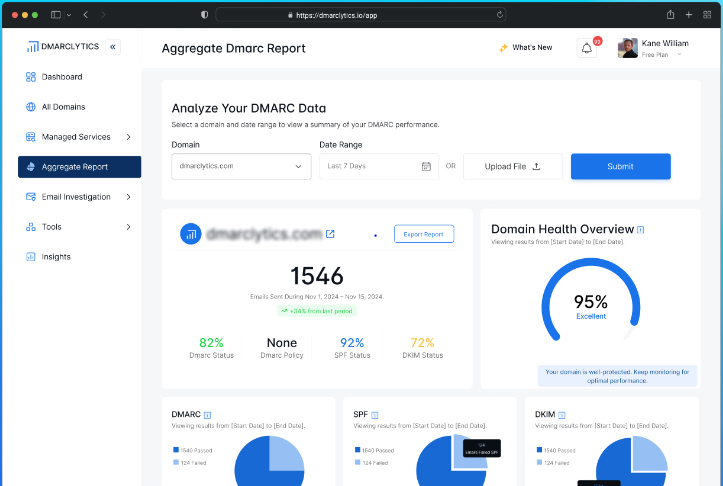
gsuite dmarc DMARC, SPF DKIM monitoring made simple Stop email spoofing, improve deliverability, and meet Google Yahoo requirements Free 14 day trial No credit card required

gsuite dmarc DMARC, SPF DKIM monitoring made simple Stop email spoofing, improve deliverability, and meet Google Yahoo requirements Free 14 day trial No credit card required