Turning Visions to Actuality: The Rise of Handcrafted Grade Hermes Birkin Bags Copies
In recent years, the sphere of luxury fashion has experienced a captivating shift. The legendary Hermes Birkin bag, representative of status and sophistication, has become easier to obtain through the rise of craftsman-level replicas. These carefully crafted replicas are not only capturing the visual essence of the original but are also attractive to a broader audience who desire the elegance of a Birkin without the heavy price tag.
High-quality replicas are spearheading this revolution by focusing on quality and craftsmanship, often competing with the authentic pieces. With brands and craftsmen committed to perfecting every detail, the allure of a luxury Hermes Birkin becomes accessible for many. As the market evolves, these replicas are gaining recognition, offering a glimpse into a fresh chapter where dreams of owning a high-end designer piece can be turned into reality through skillful artistry.
This Art of Craftsmanship in Copies
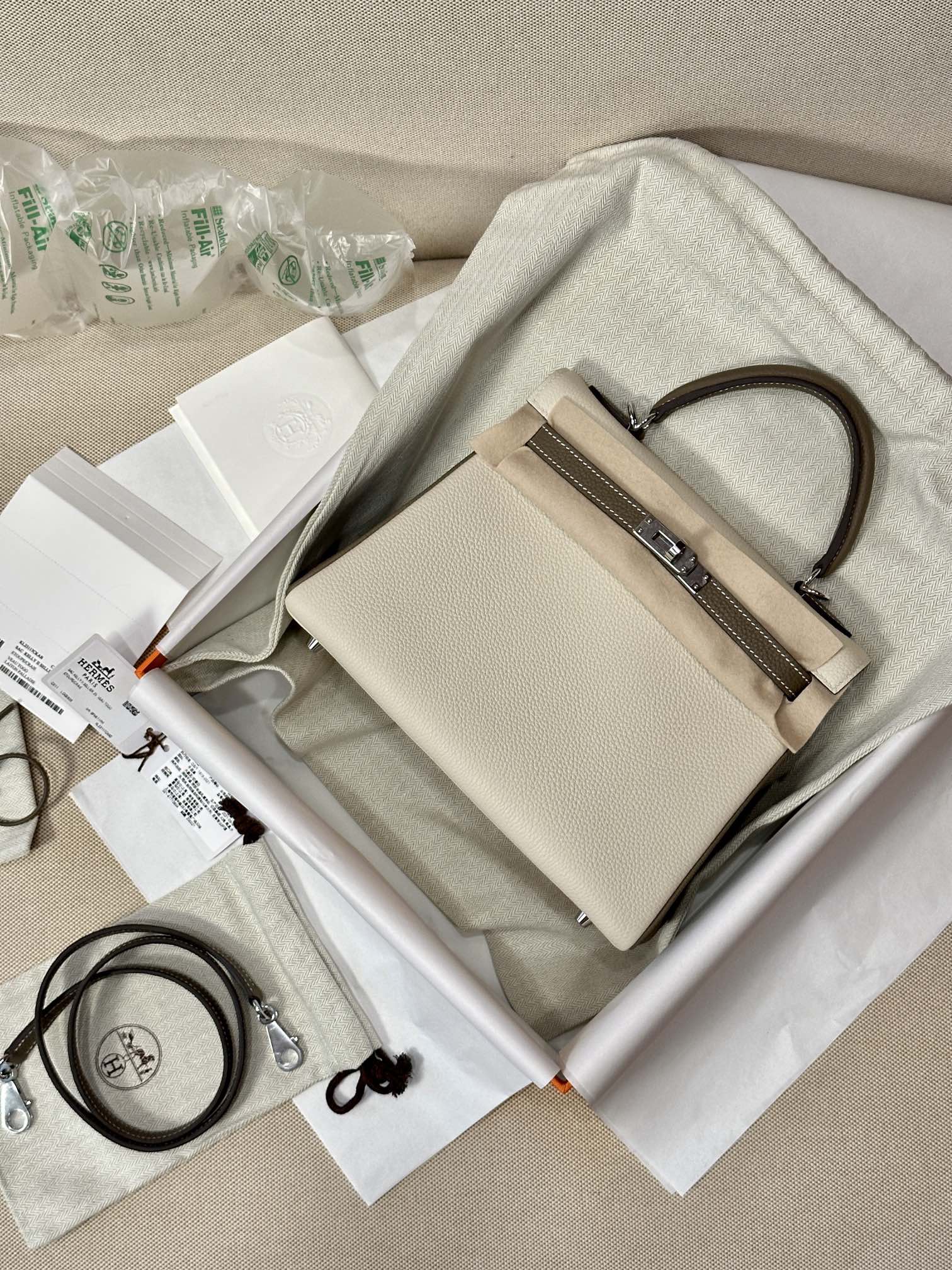
The craftsmanship involved in producing high-quality Hermes Birkin reproductions is nothing short of spectacular. Skilled artisans dedicate countless hours to perfecting each detail, from the picking of supplies to the crafting technique. The goal is to replicate the elegance and sophistication of the original Birkin bags while maintaining a degree of craftsmanship that appeals to sophisticated customers. This careful attention to detail has made these replicas a popular option among those seeking opulence without the excessive price tag.
Each copy is designed to mimic the signature features of the Hermes Birkin, including its shape, hardware, and material. Artisans go to great lengths to source premium leather and other materials that closely resemble those used in original bags. This commitment to excellence ensures that the reproductions are not just imitations but are made pieces in their own right. The skill reflects an grasp of luxury fashion and a passion for creating beautiful, useful accessories.
As the market for high-quality copies grows, so does the appreciation for the art involved. Many customers are now recognizing that these artisan copies can offer a like aesthetic and feeling to owning an genuine Birkin, often at a small percentage of the cost. This transformation in perception is shaping the way people view copies, leading to a increased acceptance of craft artistry as a legitimate aspect of the luxury goods segment.
Grasping the Industry Demand
The desire for premium handbags has experienced a marked rise in the last years, propelled by the appeal of uniqueness and status linked with brands like Hermes. The Birkin bag bag, in notable terms, has gained iconic status, making it a highly sought-after item among fashion enthusiasts and hoarders. This growing desire for luxury goods has led to an uptick in the market for high-quality replicas, as many shoppers seek ways to enjoy the fashion and standing of these handbags without the outrageous price tag.
As the movement continues, craftspeople have stepped in to create replica Hermes Birkins that replicate the artistry and look of the originals. These duplicates often use top-notch materials and methods that closely resemble the authentic versions. The rise of skilled craftspeople in this space has opened up a niche market where authenticity is not necessarily dictated by brand names but by craftsmanship and standard. As a result, consumers are more disposed to look into these choices, especially those who cherish the skill involved.
Furthermore, the online environment has greatly impacted the accessibility and awareness of these high-quality replicas. Online venues provide a marketplace where shoppers can discover superior replicas that fulfill their needs for elegance and elegance. Websites dedicated to showcasing these crafts have garnered a expanding clientele, showing that industry demand for excellently crafted replicas is not only sustainable but prospering. As shoppers become more educated about craftsmanship and worth, they are increasingly willing to evaluate substitutes to the traditional luxury market.
Quality vs. Authenticity: What Matters?
As regarding luxury handbags, the disparity between quality and authenticity frequently turns into a hot topic among enthusiasts. Authenticity is deeply tied to the brand name, history, and exclusivity that a real Hermes Birkin represents. Nevertheless, with the rise of artisan-quality replicas, the conversation transitions toward the craftsmanship and materials employed in the creation of these handbags. Quality can often stand alone as a critical factor for those who appreciate the aesthetics and functionality of a bag without the desire for brand validation.
Artisan grade replicas aim to deliver a level of craftsmanship that matches the original. They often utilize high-quality materials that accurately replicate the genuine article, providing a like tactile experience and visual appeal. For many consumers, the worth lies in the ability to possess a well-crafted handbag that meets its purpose while being affordable. This shift in perspective has allowed replicas to carve out a respectable niche in the luxury market, as buyers increasingly favor quality over the sole label.
Ultimately, the debate between quality and authenticity focuses on personal values and priorities. Some individuals might choose to spend in an authentic Hermes Birkin for the brand prestige and investment value, while others may find satisfaction in owning an artisan-grade replica that satisfies their desire for elegance at a more reasonable price point. The rise of these high-quality replicas reflects a broader phenomenon in consumer behavior, where the line between luxury and accessibility becomes increasingly blurred.
Shopper Opinions on Counterfeits
The rise in interest of high-quality Hermes Birkin replicas can be ascribed to various consumer views towards high-end fashion. Numerous individuals who appreciate upscale items often find the real Birkin bags prohibitively expensive. Replicas offer a way to experience the appeal and prestige associated with the brand without the astronomical cost. artisangrade com recognize the artistry that goes into these counterfeits, which carefully resemble the original in caliber and design.
For some, owning a replica allows them to engage with premium fashion scene without jeopardizing their financial security. These consumers express a feeling of satisfaction in being able to style themselves with a bag that seems and resembles high-end, enjoying the compliments and attention that come with it. The rise of internet forums focused on discussing experiences with counterfeits has also increased enthusiasm, as people share suggestions and referrals on the highest-quality choices available.
However, views on genuineness and value vary widely among consumers. While certain view counterfeits purely as fashionable substitutes, others think that having authentic luxury items is crucial to maintaining standing. This split highlights the complicated relationship current consumers have with premium goods, where the line between dream and reachable continues to fade.
Understanding Legal and Moral Concerns
The creation and distribution of copy handbags, particularly luxury items like the Hermes Birkin, raise significant juridical and ethical issues. Knock-offs is forbidden in many countries, and brands such as Hermès vigorously protect their intellectual property rights. This can lead to lawsuits against manufacturers and sellers of replicas, even if the goal is to produce artisan-grade alternatives. Recognizing the fine line between inspiration and copying is crucial for anyone entering the realm of replica luxury goods.
In ethical terms, the creation of replica handbags prompts a complicated debate about consumption and originality. Though some claim that artisan-grade replicas permit a wider audience to enjoy high-end styles without the exorbitant price tags, others argue that this diminishes the skill and uniqueness that companies like Hermes epitomize. The emergence of talented artisans crafting high-quality replicas can test beliefs of value and ownership in the apparel market, igniting conversations about what defines true luxury.
Additionally, consumers must think about their own principled stance on purchasing replica items. Back artisans who produce compelling replicas may look attractive, yet it also potentially harms validating practices that may hurt the high-end market and brand integrity. Consumers hold the ability to shape the direction of fashion through their decisions, as they navigate a landscape where the allure of craftsmanship meets the nuances of legality and ethical consumption.