How Kenya Safari Packages Can Transform Your 2026 Travel Experiences
Kenya remains the definitive home of the African safari, a land where the term itself was coined to describe a journey of discovery and connection with nature. For travelers looking ahead to 2026, the landscape of Kenya safari packages has evolved into a sophisticated array of options that balance raw adventure with unparalleled luxury and sustainable practices. Whether you are a solo adventurer seeking a digital detox or a family looking for a multi-generational bonding experience, the current market offers tailored itineraries that go far beyond a simple game drive. According to professional travel insights, the true currency of modern exploration is no longer just the destination, but the intentional investment of time into deep, unrepeatable experiences.
Understanding the Diversity of Kenya Safari Packages
When planning a trip to East Africa, the sheer variety of Kenya safari packages can be overwhelming. However, categorizing these options helps in selecting a journey that aligns with both your budget and your expectations for comfort. The most common packages are divided into budget, mid-range, and luxury tiers, each offering a distinct way to engage with the wild.
Budget Safari Packages: These are often road-based journeys using specialized safari vans or shared 4x4 vehicles. Accommodation typically involves public campsites or basic tented camps located just outside the national park boundaries. This is the ideal choice for younger travelers or those prioritizing the length of stay over high-end amenities.
Mid-Range Safari Packages: These packages strike a balance between cost and comfort. You can expect private 4x4 Land Cruisers, boutique tented camps with en-suite facilities, and lodges located within the parks. Many travelers prefer this tier as it offers a professional level of service without the five-star price tag.
Luxury Safari Packages: For those seeking exclusivity, luxury packages include fly-in options that eliminate long hours on the road. Guests stay in world-class lodges or private conservancy camps where the guest-to-land ratio is strictly controlled. These packages often feature private chefs, personalized guiding, and unique activities like night game drives or bush spa treatments.
For a technical definition of the term and its historical evolution, you can explore the Wikipedia entry for Safari, which highlights its origins as a Swahili word for journey.
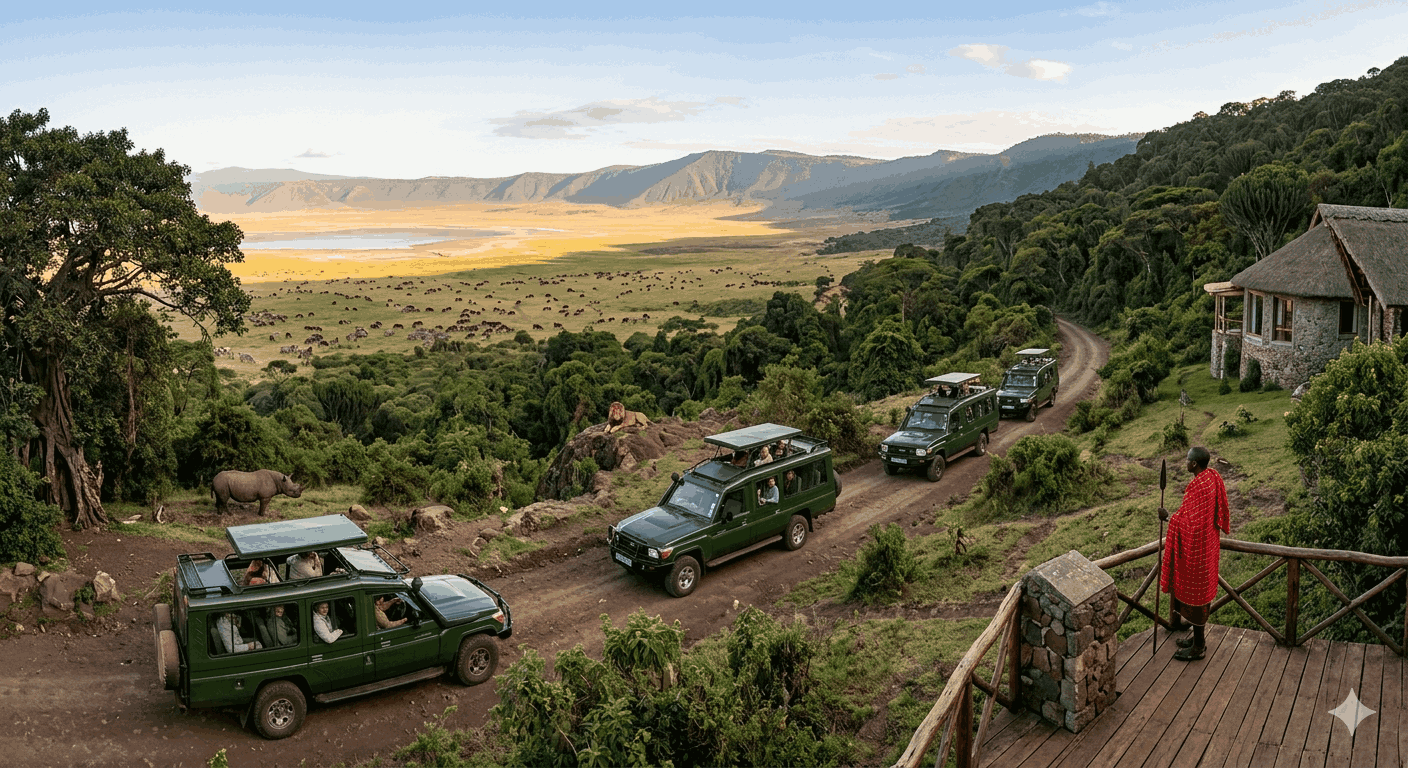
Top Destinations Featured in 2026 Itineraries
The geography of Kenya is as diverse as the wildlife it supports. Most Kenya safari packages focus on a “Southern Circuit” or a “Northern Circuit,” though custom itineraries can bridge the two.
The Maasai Mara National Reserve
No discussion of Kenya is complete without the Maasai Mara. It is the stage for the Great Wildebeest Migration, a natural spectacle that remains one of the most sought-after experiences in the world. Packages during the peak season from July to October are premium-priced, reflecting the demand to see millions of herbivores cross the Mara River.
Amboseli National Park
Famous for its large herds of elephants and the iconic backdrop of Mount Kilimanjaro, Amboseli is a photographer's dream. The park's ecosystem is centered around swamps fed by the mountain's underground runoff, creating a lush oasis in an otherwise arid landscape.
The Laikipia Plateau and Samburu
For repeat visitors or those looking to escape the crowds, the northern regions offer a rugged, semi-arid beauty. Laikipia is a pioneer in private conservation, where Kenya safari packages often include walking safaris and opportunities to see rare species like the Grevy's zebra and the reticulated giraffe.
Current research on travel trends published by Google News indicates that travelers in 2026 are increasingly opting for “slow travel,” spending more nights in a single location to reduce their carbon footprint and gain a deeper understanding of local ecology.
Planning for Costs and Seasonality in 2026
The cost of Kenya safari packages is influenced by three main factors: the time of year, the level of accommodation, and the inclusion of domestic flights. In 2026, daily costs for a budget safari range from $150 to $300, while luxury fly-in experiences can exceed $1,500 per person per day. It is important to note that many national parks have updated their fee structures. For instance, entrance fees for the Maasai Mara now vary between low and high seasons, sometimes doubling during the migration months.
The Seasonal Breakdown:
Peak Season (July – October): Best for the migration and predator sightings, but requires booking up to a year in advance.
Shoulder Season (January – March): Excellent weather and lower crowds, making it a great time for bird watching and newborn wildlife.
Green Season (April – June): The rainy period brings lush landscapes and the lowest prices. While some camps close, those that remain open offer significant discounts.
Professional analysis from Forbes suggests that the ultra-high-net-worth traveler is now prioritizing “impact travel,” where a portion of the package price goes directly to community-led conservation projects, ensuring that the luxury experienced by the guest translates into a tangible benefit for the local Maasai or Samburu communities.
Conclusion and Your Next Step
Choosing between various Kenya safari packages is the first step toward a life-changing adventure. The key is to decide whether you value the rugged authenticity of a road trip or the seamless convenience of a fly-in safari. With the rise of sustainable tourism and more personalized itineraries, 2026 is the perfect year to witness the majesty of the African wild in a way that is both responsible and deeply moving.