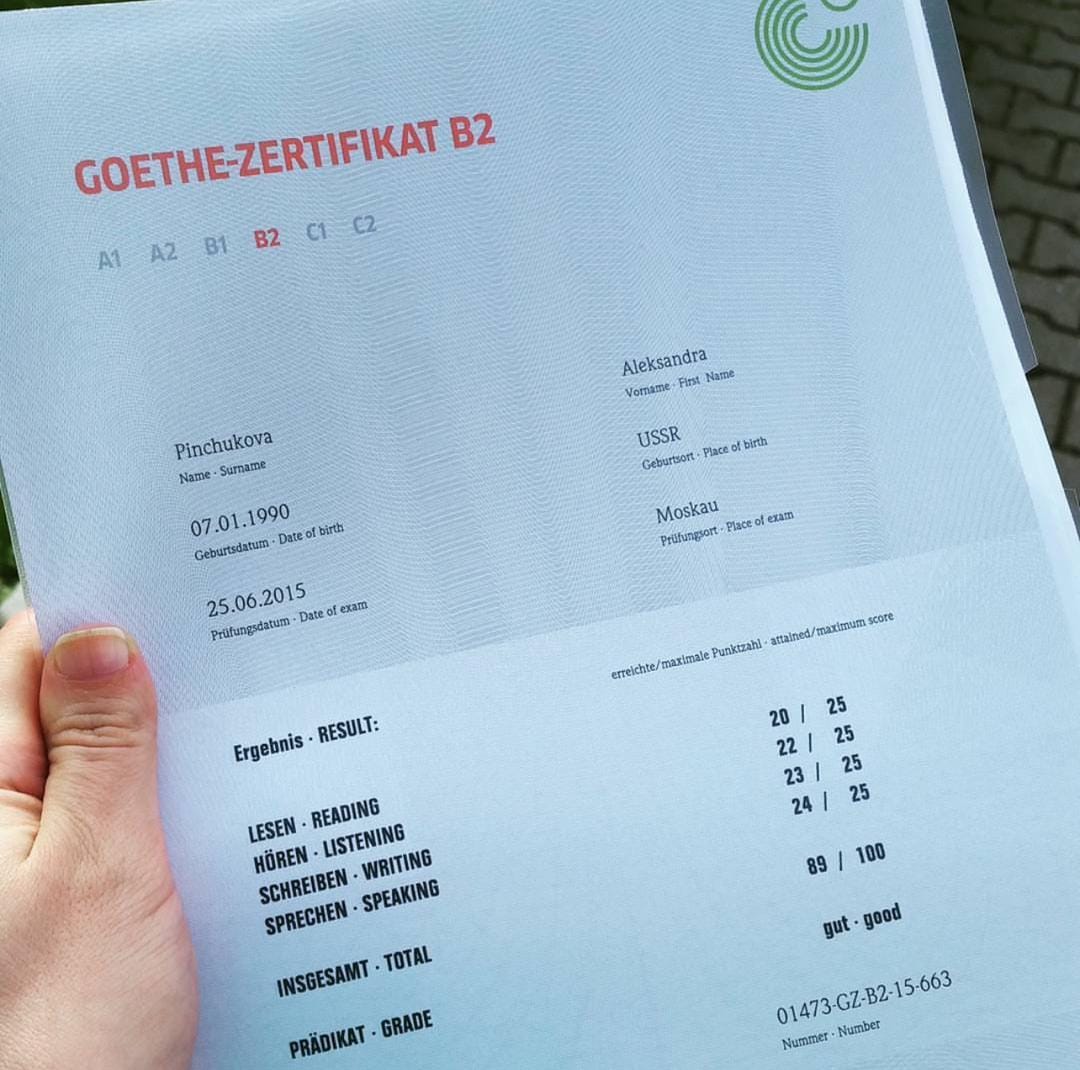
ÖSD Language's History Of ÖSD Language In 10 Milestones
Understanding the ÖSD Language Certificate: A Comprehensive Guide
When it concerns discovering German, mastering the language opens doors to various chances, from scholastic pursuits to expert advancements. Among the various qualifications available, the ÖSD (Österreichisches Sprachdiplom Deutsch) language certificate has acquired prominence as a trustworthy benchmark for non-native speakers. This article delves into the details of the ÖSD, discussing its structure, levels, importance, and regularly asked questions.
What is the ÖSD?
The ÖSD is an internationally recognized certificate that assesses efficiency in the German language. Its primary purpose is to assess the language abilities of non-native speakers across various contexts, consisting of education, work, and daily interactions. The ÖSD was established in Austria and is administered by a network of test centers worldwide, making it commonly available.
The Structure of the ÖSD
The ÖSD certificate is structured around the Common European Framework of Reference for Languages (CEFR), which classifies language efficiency into six levels: A1, A2, B1, B2, C1, and C2. The ÖSD provides different tests corresponding to these levels. Below is a table summarizing the different ÖSD exams offered:
CEFR Level
ÖSD Exam Name
Description
A1
ÖSD A1
Newbie level; basic communication in easy contexts.
A2
ÖSD A2
Elementary level; understanding and using everyday expressions.
B1
ÖSD B1
Intermediate level; handling situations that might emerge while taking a trip.
B2
ÖSD B2
Upper-intermediate level; efficient argumentation and discussion.
C1
ÖSD C1
Advanced level; understanding and producing intricate texts.
C2
ÖSD C2
Proficient level; mastering the language at a near-native speaker level.
Significance of the ÖSD Certificate
Getting an ÖSD certificate can be extremely advantageous for several factors:
- Academic Requirements: Many universities in German-speaking nations need proof of German proficiency, especially for courses taught in German.
- Employment Opportunities: The certificate can boost a resume, as it shows efficiency and dedication to language finding out to potential employers.
- Visa Applications: Some visa categories for Germany and Austria require language efficiency proof, making the ÖSD a valuable asset for candidates.
- Personal Growth: Apart from official requirements, accomplishing an ÖSD certificate can substantially increase self-confidence in language skills and offer a sense of achievement.
Exam Format
Each ÖSD exam shares a comparable format, including 4 parts: Listening, Reading, Writing, and Speaking. The duration and structure vary depending upon the level:
Level
Listening
Checking out
Composing
Speaking
Overall Duration
A1
20 minutes
30 minutes
20 minutes
10 minutes
80 minutes
A2
25 minutes
35 minutes
30 minutes
10 minutes
100 minutes
B1
Thirty minutes
40 minutes
40 minutes
15 minutes
125 minutes
B2
35 minutes
45 minutes
45 minutes
20 minutes
145 minutes
C1
40 minutes
50 minutes
60 minutes
20 minutes
170 minutes
C2
45 minutes
55 minutes
75 minutes
30 minutes
205 minutes
Grading System
Each part of the exam is assessed separately, with a total rating identifying whether a prospect has passed or stopped working. The grades are usually classified as follows:
- A: 90 – 100 points
- B: 80 – 89 points
- C: 70 – 79 points
- D: 60 – 69 points
- F: 0 – 59 points (stop working)
Preparing for the ÖSD Exam
Preparation is key to success in the ÖSD exams. Here are a couple of methods prospects can execute:
1. Study Materials
- Use books specifically designed for ÖSD preparation.
- Access online resources, such as practice exams and video lessons.
- Use language discovering apps to boost vocabulary and grammar abilities.
2. Practice
- Talk with native German speakers or fellow students.
- Participate in language exchange meetups or sign up with online forums focused on German language learning.
3. Mock Exams
- Take practice tests under timed conditions to familiarize yourself with the exam's structure.
- Review sample papers readily available on the ÖSD official website.
4. Courses
- Think about registering in language courses tailored to ÖSD preparation, which offer guidance from experienced trainers.
Regularly Asked Questions (FAQ)
1. How long is the ÖSD certificate legitimate?
The ÖSD certificate has no expiration date; however, language abilities should be regularly practiced to keep proficiency.
2. Is the ÖSD accepted worldwide?
While the ÖSD is mainly recognized in German-speaking countries (Germany, Austria, and Switzerland), numerous universities and employers around the world likewise accept it.
3. Can I take the exam online?
Presently, the ÖSD exams are mainly held in designated test centers. Online exams may be offered sometimes, so it's finest to check with local test centers.
4. What should I do if I stop working the exam?
Prospects can retake the exam after an appropriate preparation period. It is recommended to examine feedback from the previous effort to focus on weak locations.
5. How often can I take the exam?
There are no restrictions on the variety of efforts; candidates can retake the exam as often times as required.
In summary, the ÖSD language certificate not only works as a proof of German language efficiency however also stands as a substantial milestone in a student's journey toward mastering the language. With Prüfung B1 ÖSD , global acknowledgment, and thorough grading system, the ÖSD prepares prospects for success in different contexts. By understanding its format, preparing properly, and using readily available resources, striving candidates can confidently approach the exam and achieve their language goals.