Starting with Phantoms transforming into Gold: The Financial Dynamics of Underground Transactions
In recent years, the obscure domain of dark web markets has garnered increasing attention, fascinating both authorities and an inquisitive public alike. These clandestine platforms, buried within the layers of the dark web, provide an unparalleled marketplace for a variety of products and services, ranging from the forbidden to the arcane. As digital innovations continues to evolve, so too do the methods of exchange that flourish in these secretive corners of the internet.
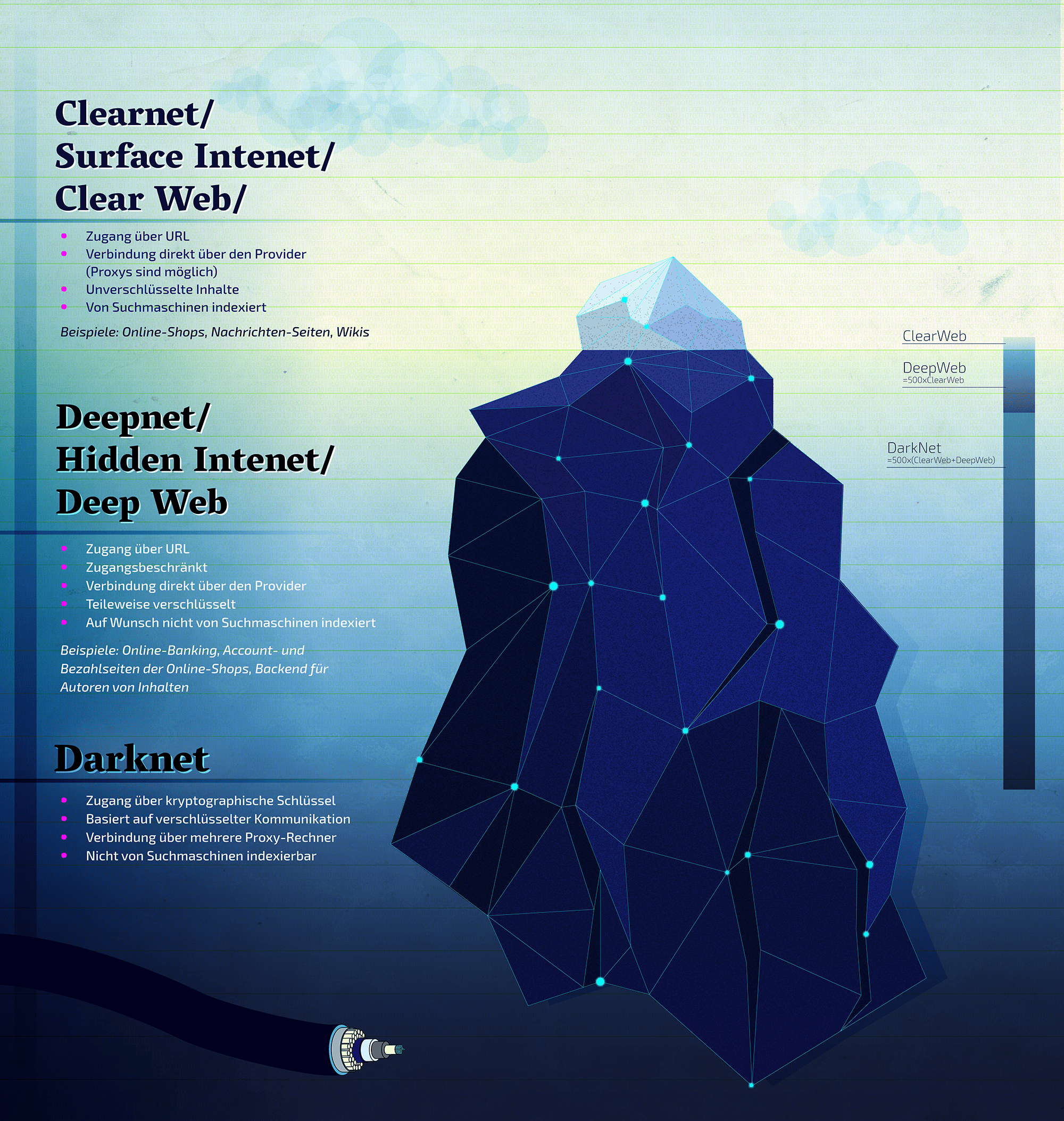
Understanding the economics behind the dark web economy unveils a complex web of motivations, risks, and payoffs. Users are pulled into this black market not only by the allure of hidden identity but also by the potential of acquiring goods that are often prohibited or heavily regulated in typical commerce. As we explore further this captivating landscape, we will investigate how these markets work, the factors influencing their growth, and the consequences they hold for both consumers and merchants moving through the murky waters of the dark web.
Comprehending the Hidden Web
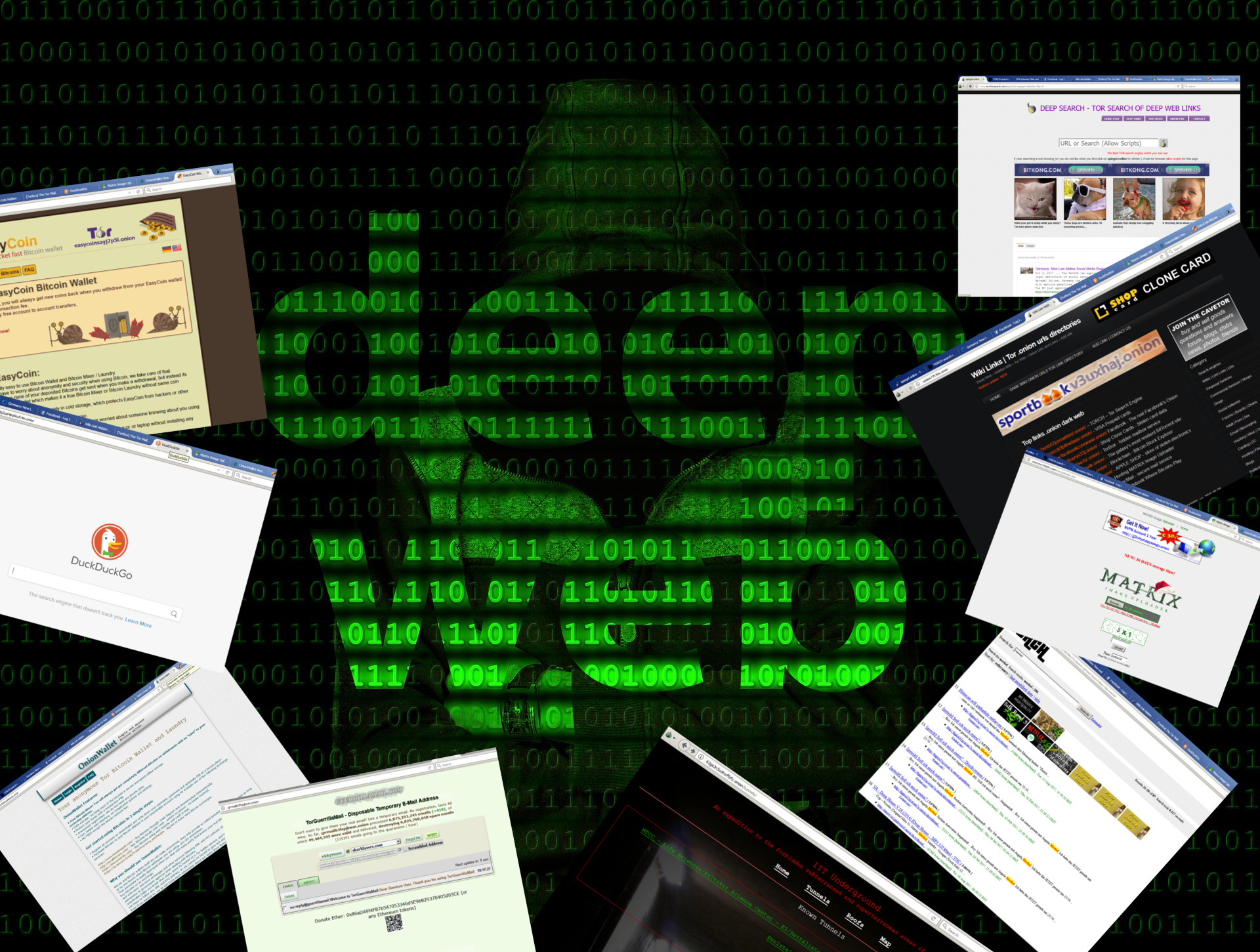
The underbelly of the internet is a segment of the internet that is not listed by conventional search engines. Navigating this obscured layer requires certain software, most commonly The Onion Router, which conceals user identities and places. While the dark web has valid uses, such as defending privacy for whistle blowers or activists in repressive regimes, it is often linked with illicit activities. This dual nature makes it a complex and intriguing space for both participants and researchers.
Darknet markets are virtual sites within the dark web where items and services, often illegal, are bought and sold anonymously. Transactions typically entail virtual currencies, which provide a level of privacy that traditional payment methods do not. These venues have gained infamy for enabling trade in controlled substances, firearms, hacked information, and other illegal items, attracting a diverse audience with different motivations and requirements. The presence of these markets emphasizes the ongoing tension between rights of speech and the regulation of illicit activities.
The interactions of the hidden web and its marketplaces are influenced by a continuous struggle challenge between authorities and operators of these venues. While countless dark web sites may be short-lived due to authorities crackdowns, emerging markets emerge to take their role. This endurance reflects an entire industry that prospers on desire for anonymity and illegal items, making the hidden web a fascinating subject for those looking to grasp modern trade outside of standard models.
The Mechanics of Dark Web Trading
Dark web trading operates through a complicated network of sites that facilitate the transaction of illegal goods and services. Users connect to these platforms using specific software such as Tor, which enables anonymity by sending connections through a network of volunteer-operated servers. This concealment attracts a diverse group of users, including sellers, customers, and even law enforcement officials. Within these marketplaces, transactions are often conducted using cryptocurrencies like Bitcoin, which adds to the concealment of users' identities and allows for peer-to-peer transactions bypassing traditional banking interference.
The structure of dark web markets typically features user reviews and ratings, which help build confidence within a community where buyers and sellers rarely meet in-person. Each user must create an account, and new vendors often start out by offering limited amounts of their products to establish reputation before scaling their operations. Payment disputes can arise; therefore, many marketplaces employ escrow services to hold payments until both parties confirm the successful receipt of goods. This system provides a layer of protection for buyers while ensuring that sellers get their payments.
Additionally, the life cycle of dark web markets can be brief due to continued law enforcement efforts and the ever-evolving tactics of users. Marketplaces frequently rebrand themselves or migrate to new domains to escape being shut down. This creates an environment of instability where traders must remain vigilant and adapt quickly to continue their operations. The temporary nature of these platforms enhances the confidentiality of transactions and presents ongoing challenges for those attempting to regulate or comprehend the dark web economy.
Threats and Rewards in Darknet Economies
Participating in underground markets presents a distinct set of risks that can discourage new traders and challenge even experienced traders. One of the most serious dangers is the juridical risk. Law enforcement agencies across the world are continuously working to access these markets and arrest individuals engaging in illegal conduct. The secrecy that the dark web provides is not absolute, and participants can risk encountering severe legal repercussions. Additionally, the risk for scams is considerable, as not all vendors can be trusted, and deceit can cause loss of funds or personal details.
Despite the inherent dangers, there are significant rewards for those who successfully traverse the underground effectively. darknet market turn to these economies for access to goods that are alternatively restricted or illegal in their areas. This can include various items from medications to digital currencies. The potential for gain is substantial; some individuals have reported notable profits by buying low and selling high on underground items, leveraging the unique supply and demand dynamics.
Moreover, the sense of community within particular underground environments can offer a form of networking opportunity that conventional markets lack. Traders often exchange knowledge, advice, and stories, which can improve their trading methods and create alliances of assistance. This camaraderie, combined with the profit opportunities, continues to attract new traders to underground spaces, even in light of the numerous challenges that are associated with such activities.