Why heavy upper eyelids and a low brow need separate assessment
Heavy-looking upper eyelids are easy to describe and harder to interpret. A fold of skin, the position of the eyebrow and the height of the eyelid edge can affect the same small area. People researching upper eyelid blepharoplasty at Kliniken should therefore expect a consultation that examines the whole eye and brow region, rather than a decision based on one photograph.
The useful starting point is the change you have noticed. Perhaps makeup collects beneath a skin fold, the eyes appear different in recent photographs, or the outer brow seems lower than before. These observations help explain your concern, but they do not establish which structure needs treatment. A careful assessment connects the visible change with the anatomy underneath it.
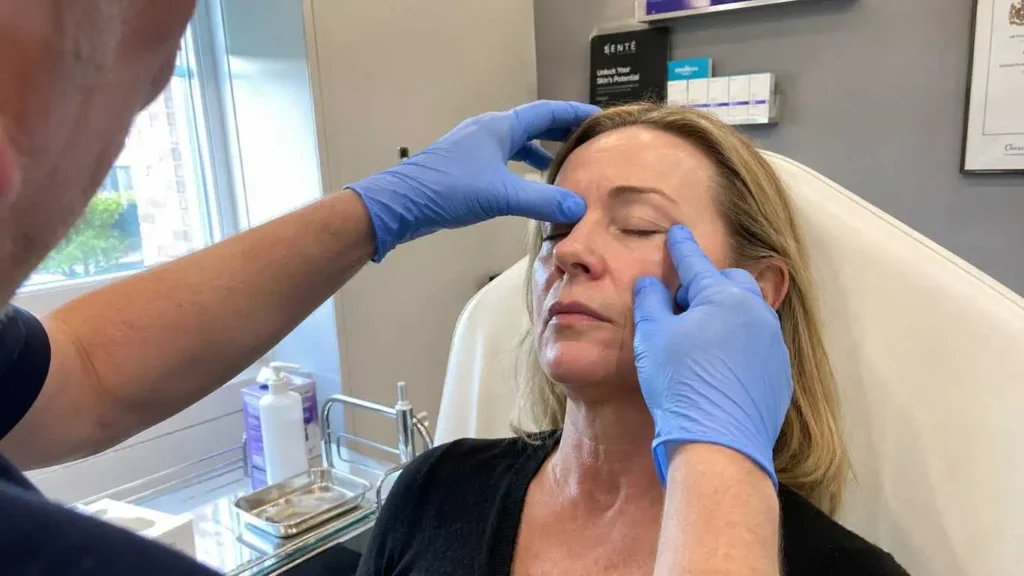
Skin folds are only one part of the picture
Blepharoplasty is surgery that removes excess eyelid tissue. The NHS describes its purpose and potential limitations in its eyelid surgery information. That definition is helpful because an eyelid operation should have a clear anatomical aim. It is not a general promise to remove every sign of tiredness around the eyes.
At an appointment, describe the exact feature you hope to change. “I dislike this fold over the outer corner” is more useful than asking to look younger. The first statement gives the surgeon something specific to assess. It also makes it easier to discuss whether an operation could address that feature and which aspects of your appearance would remain.
There is value in taking photographs from different years, provided they show your face naturally rather than through filters. Use them to explain what you have noticed, not as a template that surgery must reproduce. Lighting, facial expression and camera angle can change how much skin appears to sit over the eyelid.
The brow and eyelid should be considered together
A lower eyebrow can contribute to heaviness over the upper eyelid. The appropriate response depends on the individual examination. Researching a brow lift at Kliniken can help you understand why a surgeon may discuss brow position even when your original enquiry concerns eyelid skin.
That discussion does not mean two procedures are automatically needed. It should explain which structure is contributing to the concern and why a particular option has been suggested. Ask the surgeon to point out what they are assessing, describe the intended change and explain the trade-offs of treating one area or considering a different approach.
Kliniken's earlier guide to upper eyelid surgery provides additional context for the consultation. Read it alongside your own questions, rather than treating any published example as a prediction of your result.
If recommendations differ between consultations, compare their reasoning before comparing their prices. A recommendation is easier to assess when you understand the problem it is intended to solve. Ask what the surgeon believes would happen to the original concern if you chose the other option, or if you decided against surgery for now.
Eye comfort matters as much as appearance
An eyelid consultation should include relevant eye symptoms and medical history. Tell the clinician about dryness, irritation, previous eye surgery, contact lenses and any difficulty closing the eyes. Bring an accurate medication list and disclose previous cosmetic treatments around the forehead or eyes. Do not stop prescribed medicines on the basis of a general online article.
Cambridge University Hospitals explains that existing dry eyes can affect the discussion of risk in its blepharoplasty patient information. The practical lesson is to mention symptoms even when they do not seem cosmetic. A treatment plan should account for how the eyes function and feel.
Write these details down before the appointment if you are likely to forget them. A short account of when a symptom occurs can be useful: after computer work, during windy weather, or when wearing lenses, for example. The clinician decides what those observations mean and whether further assessment is needed.
Keep cosmetic goals and functional concerns clear in the discussion. Wanting a different appearance is a valid reason to seek information, but it should not be presented as a medical diagnosis. Equally, an actual change in vision deserves appropriate professional evaluation rather than assumptions about the cause.
Recovery should fit your real commitments
Before booking, ask for the proposed recovery plan in writing. Discuss follow-up appointments, transport, time away from work and whom to contact if you are worried after the operation. Make clear whether your job involves prolonged screen use, physical effort, driving or public-facing work so that the advice can be relevant to your circumstances.
The NHS notes that bruising, swelling and temporary eye irritation may occur after eyelid surgery, and that recovery varies. The important planning question is not simply “When can I go out?” Ask separately about returning to work, driving, exercise and contact lenses. Follow the operating team's individual instructions for each activity.
Possible complications also deserve an unhurried conversation. Ask about scarring, asymmetry, eye closure, dry eye and the less common serious risks relevant to the proposed procedure. A balanced consultation explains both the intended benefit and how problems would be recognised and managed. No surgeon can guarantee a particular appearance or a risk-free recovery.
A related explanation of brow lift planning may help organise questions if your assessment includes both areas. Keep the two recovery discussions separate until the surgeon explains the actual plan.
A useful recommendation explains its limits
Leave the consultation knowing what has been recommended, the reason for it, the alternatives and what the treatment is not expected to change. Request an itemised quotation covering the procedure, facilities, anaesthetic arrangements and follow-up. Take time to read the information before making a decision, especially if the proposed approach differs from what you originally expected.
The best preparation is a clear description of your concern and a willingness to hear the reasoning behind the assessment. Heavy upper eyelids and a low brow can look similar in a mirror while raising different treatment questions. Understanding that distinction helps you evaluate a recommendation with greater confidence.
To ask Kliniken about an individual consultation in Harrogate, visit Contact Us.