Thread Vein Removal in Harrogate: How Treatment Works and What to Ask First
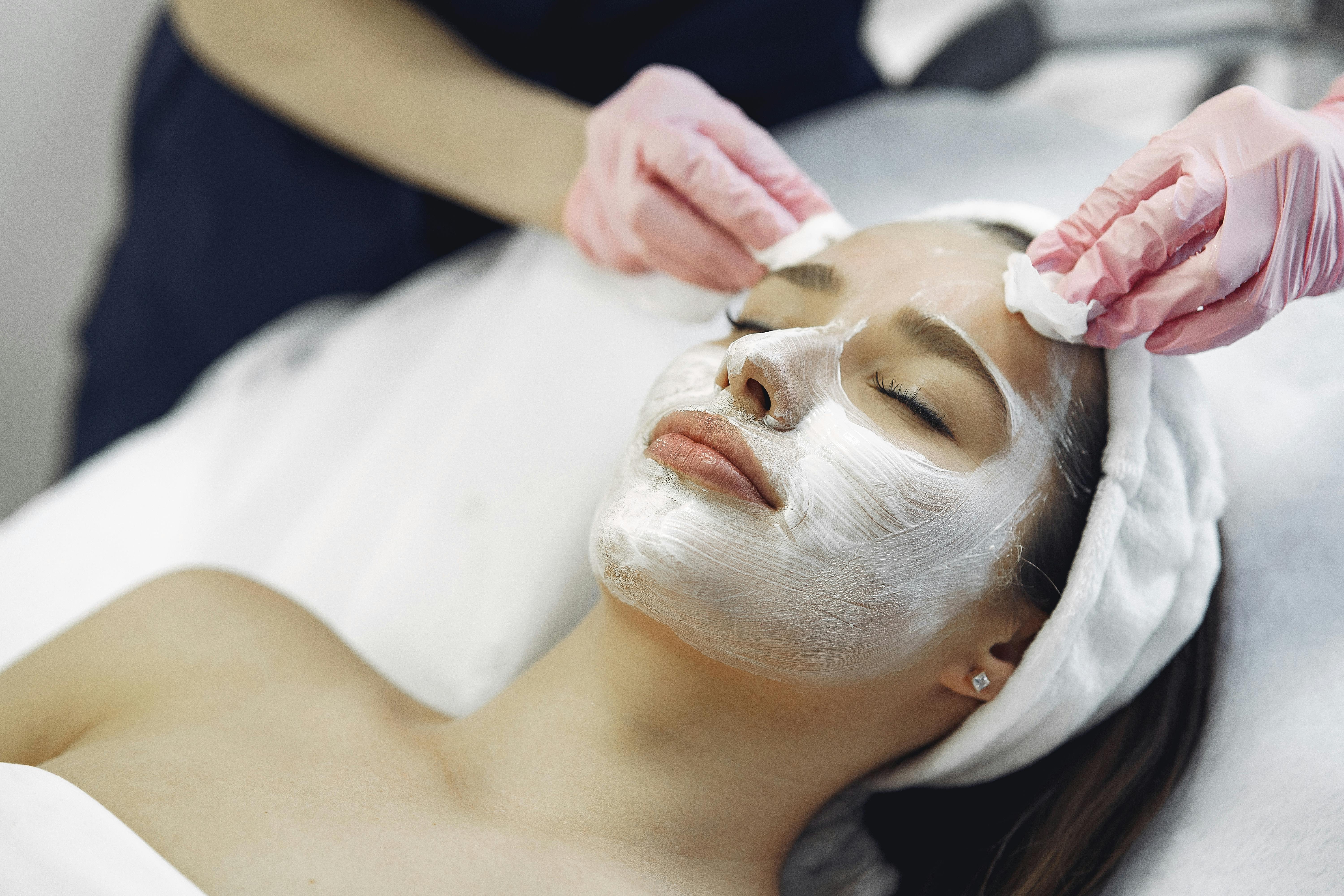
Small red or purple veins on the legs and face are among the most common reasons people book a skin consultation. They are rarely harmful, but they can be a source of self-consciousness, and many people spend years wondering whether treatment is worthwhile. If you are researching thread vein removal in Harrogate, Kliniken offers consultations where the options, the expected results and the aftercare are explained before any decision is made. This guide sets out what thread veins are, how treatment works in general terms, and what to ask at a first appointment.
What thread veins are and why they appear
Thread veins, sometimes called spider veins or telangiectasia, are tiny dilated blood vessels close to the surface of the skin. On the legs they often form fan-like or branching patterns, while on the face they tend to appear around the nose, cheeks and chin. They are usually painless, although some people notice a feeling of heaviness or aching in the legs, especially at the end of a long day.
Several factors make them more likely. Family history is one of the strongest, and hormonal changes during puberty, pregnancy or menopause can also play a part. Long periods of standing, sun exposure, skin injury and, in some cases, alcohol use can contribute. Because the causes are mixed, two people with similar-looking veins may need different advice, which is why an individual assessment matters more than any general rule.
It is also worth separating thread veins from larger problems. Bulging, twisted or painful varicose veins, skin discolouration around the ankles, swelling or sores that heal slowly can point to an underlying circulation problem that needs a medical opinion, not a cosmetic treatment. A responsible clinic will ask about these symptoms and refer you on if they are present.
How treatment usually works
The approach depends on the size, depth and location of the vessels. Fine facial veins are commonly treated with light-based or laser devices, which deliver energy that is absorbed by the blood inside the vessel and causes it to close and fade over the following weeks. Slightly larger leg veins are often treated by injecting a solution into the vessel, a technique known as sclerotherapy. Some patients receive a combination of methods across several visits.
Treatment is normally carried out in a clinic room without general anaesthetic. Sessions are usually short, and most people can return to normal activities straight away, although the treated area may look red, bruised or slightly swollen at first. Most people need more than one session, spaced a few weeks apart, because veins close gradually and some respond more slowly than others.
Results vary. Many people see a clear improvement, but it is not possible to promise that every vessel will disappear, and new veins can appear over time if the underlying tendency remains. A clinician who is honest about these limits and shows you realistic before-and-after examples is a better guide than one who promises a perfect result.
Preparing for your consultation
Before the appointment, think about what bothers you most and what you would like to achieve. Note any medical conditions, medicines and previous treatments, and mention if you are pregnant, breastfeeding or planning a pregnancy, because that can affect the timing and choice of treatment. Avoid sunbathing and tanning products beforehand, as tanned skin can limit which devices are suitable.
At the consultation, ask who will carry out the treatment and what their training is, which methods are suitable for your veins and why, how many sessions are likely, and what the full cost will be. Ask what to expect in the days afterwards, what warning signs should prompt a call to the clinic, and how follow-up is handled. A clear written plan helps you compare options calmly, and a good clinic will never pressure you to book on the day.
It can also help to understand how the same clinic approaches other light and laser treatments. These notes on CO2 laser cost in Harrogate explain how pricing and session numbers are usually worked out, and this overview of CO2 laser resurfacing in Harrogate shows how recovery and aftercare are discussed at consultation.
Aftercare and long-term skin habits
After treatment, follow the aftercare instructions closely. For laser and light treatments, that usually means avoiding strong sun, hot baths, saunas and vigorous exercise for a short period and using a high-factor sunscreen on the area. After injection treatment on the legs, compression stockings are often advised for a time, along with regular walking to support circulation.
Daily habits matter as well. Moving regularly, avoiding long periods of standing still, keeping a healthy weight and protecting the skin from the sun can all reduce the chance of new veins appearing. None of these steps is a guarantee, but together they support the result of treatment and the general health of your skin.
People often ask whether thread vein treatment is linked to other skin concerns. It is a separate issue, but a skin consultation is a good moment to raise any other worries, from pigmentation to marks left by past injuries. For example, anyone who is considering laser scar removal can discuss the sequence of treatments at the same visit, which helps a clinician plan the order sensibly and avoid treating areas too close together.
For a wider look at how skin concerns are matched with the right treatment, this guide to acne scarring treatment options is a useful companion, because the thinking behind choosing a method is similar.
Cost is another sensible topic to raise early. Fees depend on the area being treated, the method used and the number of sessions, so a single headline price rarely tells the whole story. Ask whether the consultation fee is deducted if you go ahead, whether review appointments are included, and how any top-up sessions would be charged. Keep a written copy of the plan and the quotation, and take a few days to think before deciding. A clinic that is comfortable with that pause is usually one that is confident in its own advice, and the time gives you room to compare options without feeling hurried or pressured.
Choosing treatment is a personal decision, and there is no rush. Take time to read, compare clinics and think about your goals. If you would like to talk through your options for thread veins or any other skin concern, you can contact us and the Kliniken team will arrange a consultation and explain the next steps clearly.