Future of Internet TV Transforming Digital Entertainment Experience
Introduction
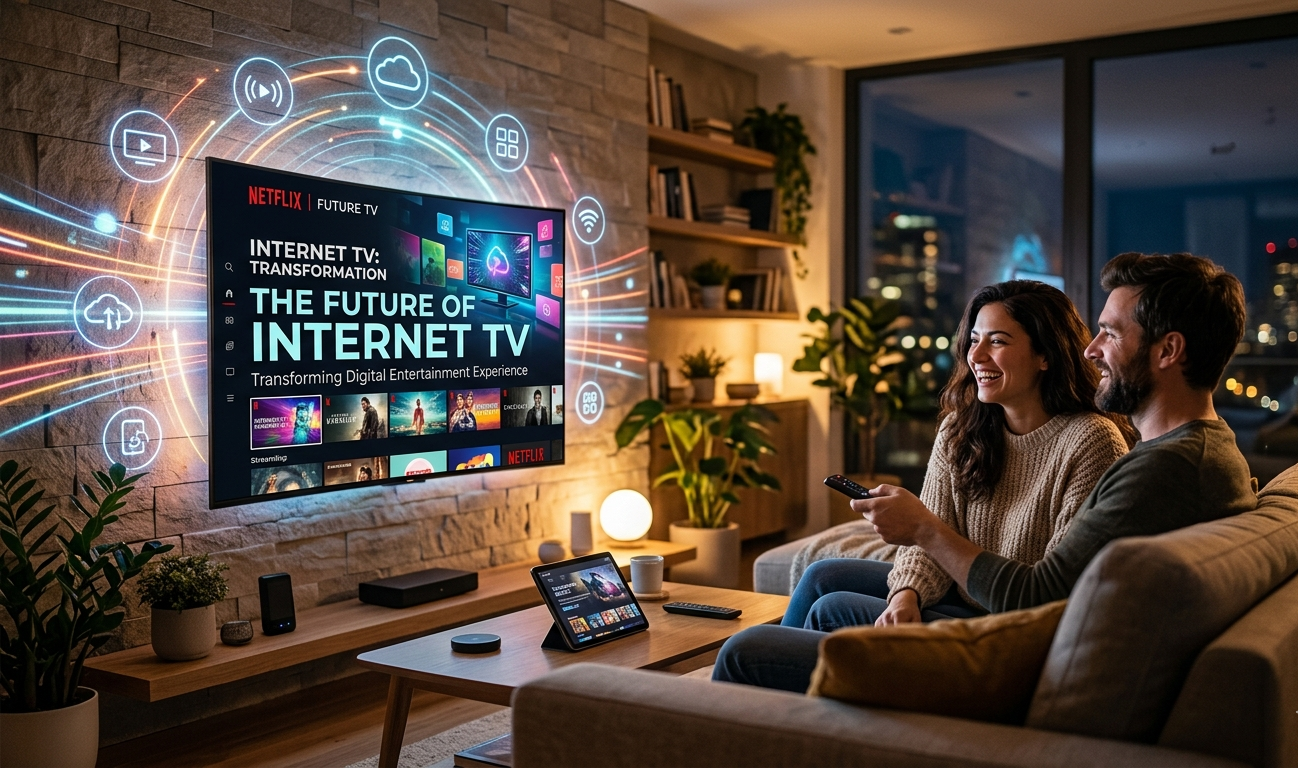
Television has evolved dramatically over the past two decades as digital technologies reshape how audiences consume entertainment. Traditional broadcast models that once dominated the media landscape are now being replaced by streaming platforms, on-demand content libraries, and personalized viewing experiences. As internet connectivity becomes faster and more reliable across the world, the future of internet TV is emerging as a central force in the entertainment industry.
Consumers today expect flexibility in how and when they watch their favorite programs. Instead of relying on scheduled programming, viewers prefer content that can be accessed instantly across smartphones, smart TVs, tablets, and laptops. This shift has pushed media companies and technology providers to develop innovative streaming platforms that redefine television experiences. The future of internet TV represents a new era of entertainment where content delivery, viewer engagement, and digital innovation converge.
The transformation of television is not only changing how content is delivered but also how it is produced, distributed, and monetized. As technology continues to evolve, the future of internet TV will shape the next generation of digital entertainment ecosystems.
Understanding the Future of Internet TV in the Streaming Era
The rise of streaming services has significantly influenced the future of internet TV. Instead of relying on cable or satellite connections, audiences now use internet-based platforms to watch movies, television series, documentaries, and live events. These platforms allow viewers to access vast libraries of content without the limitations of traditional broadcasting schedules.
Internet TV platforms operate on cloud-based infrastructures that enable seamless content delivery across multiple devices. This flexibility allows viewers to start watching content on one device and continue on another without interruption. As a result, the future of internet TV is centered on convenience, accessibility, and user control.
Content providers are also expanding their digital distribution strategies to reach global audiences. Streaming platforms allow media companies to deliver localized content while maintaining global reach. This global accessibility is one of the key reasons the future of internet TV continues to attract significant investment and innovation within the entertainment industry.
Personalization and Viewer Engagement in Internet TV
Personalization is one of the defining characteristics of the future of internet TV. Modern streaming platforms use advanced algorithms and data analytics to understand viewer preferences and recommend relevant content. These systems analyze viewing history, search patterns, and user behavior to create personalized content suggestions.
This level of personalization enhances viewer engagement and helps audiences discover new content that aligns with their interests. Rather than browsing through large content libraries, users receive curated recommendations tailored to their viewing habits. This intelligent approach demonstrates how the future of internet TV focuses on delivering a more customized entertainment experience.
Interactive features are also becoming more common within digital television platforms. Viewers can participate in polls, select alternate storylines, or access behind-the-scenes content directly from their devices. These features strengthen audience engagement and transform passive viewing into an interactive digital experience.
The integration of social media and online communities further enhances engagement in the future of internet TV. Audiences can discuss episodes, share recommendations, and participate in live conversations about their favorite shows. This social connectivity adds another dimension to the modern television experience.
Technology Innovations Powering the Future of Internet TV
Technological innovation is a major driver behind the future of internet TV. High-speed internet connectivity, cloud computing, and advanced video compression technologies allow streaming platforms to deliver high-quality content efficiently.
Cloud-based infrastructures enable streaming providers to manage vast content libraries and deliver media to millions of viewers simultaneously. These platforms can scale rapidly to handle peak demand during popular events or major content releases. As cloud technologies evolve, they will continue to support the expansion of the future of internet TV.
Artificial intelligence is also playing an important role in improving streaming services. AI-powered systems optimize video streaming quality by adjusting resolution and bandwidth usage based on network conditions. This ensures that viewers receive smooth playback even on slower internet connections. These advancements highlight how technology supports the growth of the future of internet TV.
Another innovation shaping digital entertainment is immersive viewing technology. High-resolution displays, surround sound systems, and virtual reality environments are expanding how audiences experience content. These technologies will continue to enhance the capabilities of the future of internet TV.
Content Creation and Distribution in the Future of Internet TV
The future of internet TV is also transforming how content is produced and distributed. Streaming platforms have opened new opportunities for creators, filmmakers, and independent studios to reach global audiences without relying solely on traditional broadcasting networks.
Digital distribution allows producers to release content directly on streaming platforms, making it accessible to viewers around the world. This approach encourages diverse storytelling and supports creative experimentation in television programming.
Streaming platforms are also investing heavily in original content production. Exclusive series, films, and documentaries attract subscribers and differentiate platforms in an increasingly competitive market. As a result, the future of internet TV is becoming closely linked to innovative storytelling and unique content experiences.
Global collaboration is another trend influencing content production. Media companies are partnering with international creators to produce multilingual content that appeals to diverse audiences. This global approach strengthens the growth and influence of the future of internet TV.
Monetization Strategies in the Internet TV Ecosystem
As digital television platforms continue to expand, new monetization models are shaping the future of internet TV. Subscription-based streaming services remain a popular model, allowing viewers to access large content libraries for a monthly fee.
Advertising-supported streaming platforms are also gaining popularity. These services provide free or lower-cost access to content while generating revenue through targeted advertising. Advanced data analytics enables advertisers to deliver personalized advertisements based on viewer preferences and behavior.
Another emerging strategy involves hybrid models that combine subscription plans and advertising-supported content. These models offer flexibility for consumers while creating multiple revenue streams for streaming providers. Such innovations illustrate how the future of internet TV continues to evolve as companies explore new ways to sustain digital entertainment ecosystems.
Content licensing and partnerships also contribute to revenue generation. Streaming platforms collaborate with production studios, sports organizations, and entertainment companies to distribute exclusive programming. These partnerships help strengthen the value proposition of the future of internet TV.
The Expanding Role of Internet TV in the Digital Economy
The impact of the future of internet TV extends beyond entertainment. Streaming technologies are influencing industries such as advertising, telecommunications, and digital media production. As internet television platforms expand, they create new economic opportunities for content creators, technology providers, and media organizations.
High-speed networks such as 5G will further accelerate the growth of internet-based television. Faster connectivity enables smoother streaming experiences and supports high-definition video delivery across mobile devices. This technological advancement will play a significant role in shaping the future of internet TV.
Consumer behavior will continue to evolve alongside these technological developments. Audiences increasingly expect on-demand content, personalized recommendations, and seamless viewing across devices. Media companies that invest in innovative digital platforms will be better positioned to meet these expectations.
Ultimately, the future of internet TV represents a major transformation in the global entertainment landscape. By combining advanced technologies, personalized content delivery, and flexible viewing options, internet television platforms are redefining how audiences engage with media in the digital age.