The Overbearing Fog That Follows You: Silent Hill 2
A specific moment in Silent Hill 2 that sticks with me to this day is when James Sunderland, who is the main character in the game and is quite literally suffering, aims to step inside the foggy town. The place has almost no people and feels deserted. Out of the blue, his radio, which is fastened to his belt, began emitting this sound. It’s not even music or words, but just a typical radio static noise. The sound is extremely unpleasant and ought to make someone uncomfortable. It’s almost mindless how something so average like static has the ability to cause so much fear when it comes to Silent Hill 2, but this game is crafted exceptionally well. Every crackle, head of static, bolt of lightning crossing made my heart thrum. As I hefted my weapon and strived to capture the slightest hint of motion, my body was frozen in place, pounding.

This right here is what makes Silent Hill 2 special: it does not simply frighten you from what is present; it terrorizes you with what might be lurking. The game’s sound design does not hold back as well. That static becomes a Pavlovian stimulus—the moment you hear it, you can feel your body tensing up. This is only one of the many ways the game makes sure that you can never be fully at ease, no matter how many hours you spend in it.
The Dance of Darkness and Discovery
Apart from the radio’s haunting symphony, there’s the physical act of navigating Silent Hill itself. The streets that are choked by fog feel like a maze, and the pace you use to navigate through it is methodical and deliberate. You slowly move your body forward, the flashlight cutting through the darkness. Each step feels heavier than the one before. Being armed would be helpful, but it never feels like enough. Each interaction with the residents that are grotesque in nature, with their jerky, dehumanized movements and bloodstained designs, feels like an ordeal of sorts. Combat is dreadful, and while this may frustrate certain players, it is perfect for the tension of the game. You are not a hero in this game. You are just a man having a bat, desperately trying to swing it at the terrifying realities you are surrounded by.
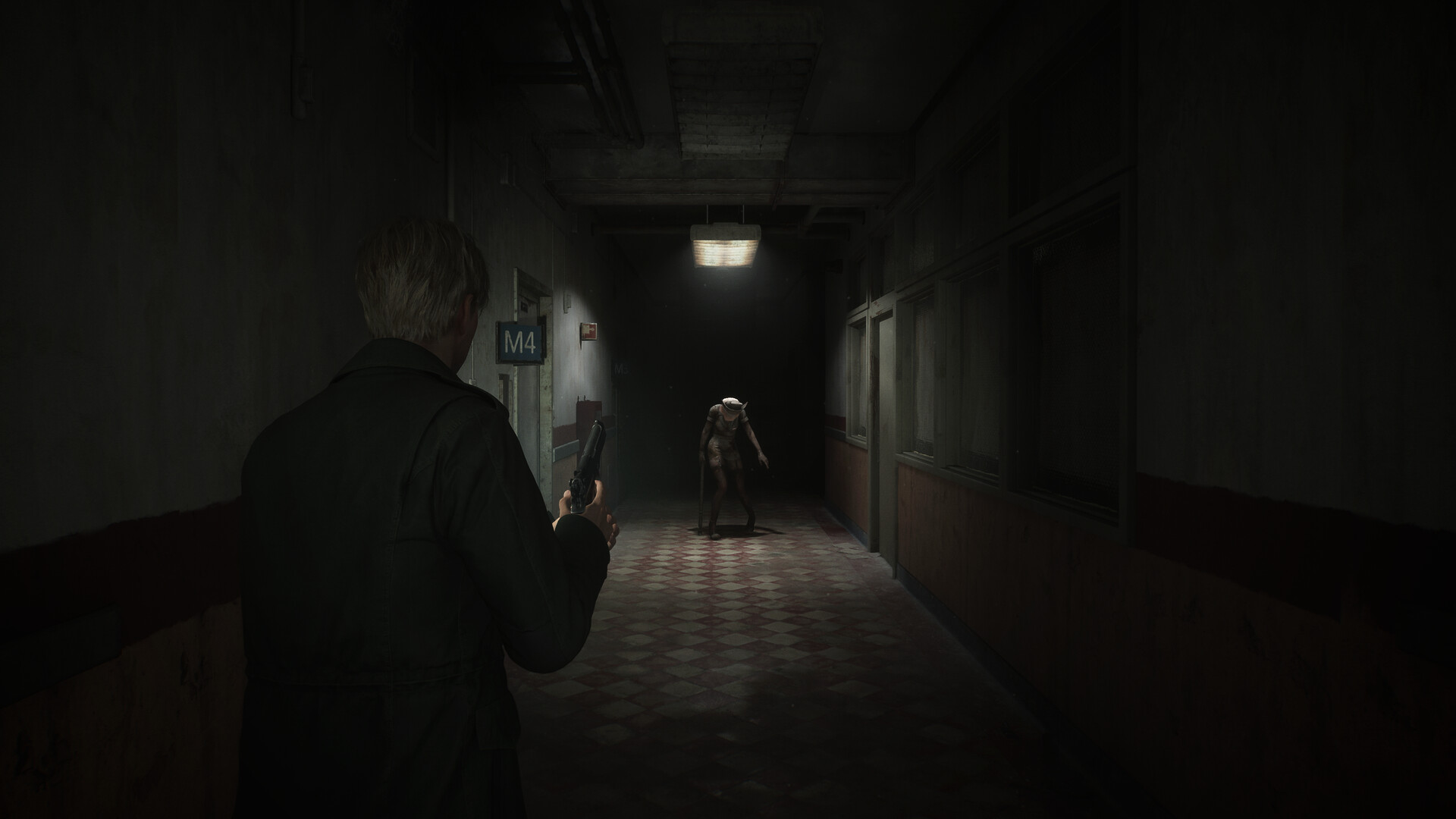
Silent Hill 2 wants you to fight for survival, but it also wants you to think for yourself. The puzzles are incredibly complex, with intertwining clues and logic that is unnerving yet perfect for this world that moved past those who buy cheap PS4 games. Solving one does more than unlock a door or progress the story; it provides you an opportunity to let your guard down. A rare feeling of victory in a game that everything in it makes you feel like it’s trying to drown you. But that respite is also momentary. You open a door hoping for safety, only to be met with another beast. The game loves to play with you like a puppet, ensuring you never have a sense of stability.
The Camera’s Cruel Gaze
Now, it’s time to elaborate on a controversial aspect of the early 2000s survival horror genre – the fixed camera angles. These fractures in the 4th wall were perhaps necessary given the limitations of technology at the time, but few admire them. However, Silent Hill 2’s sophisticated use of them rises above the rest. The angles always seem to capture James in the most discomforting ways. At times, the camera captures him as though it is sneaking around corners or down hallways. In other instances, it leads the player into the unknown, obscuring what is straight ahead.
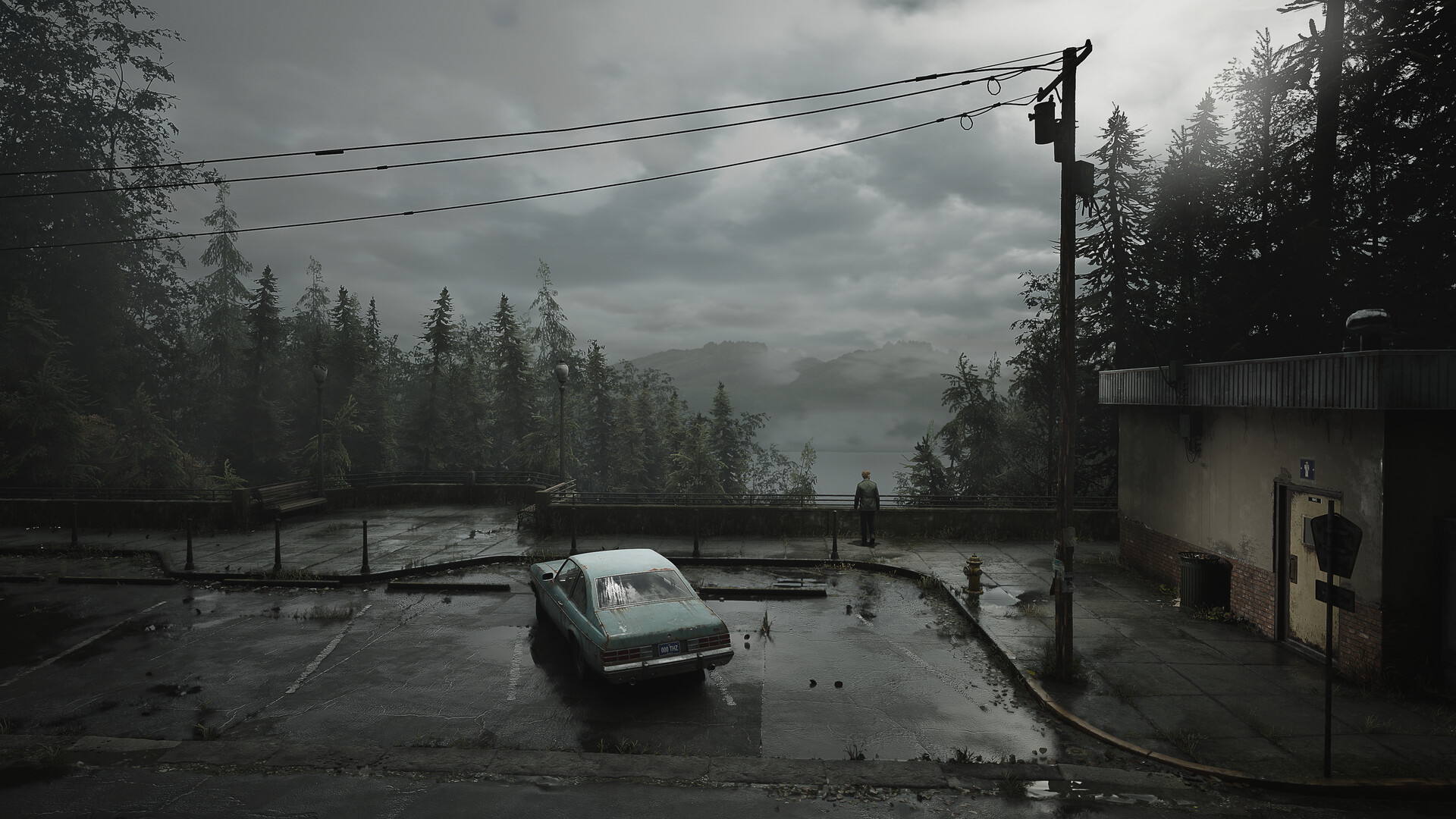
There is one moment that particularly stands out. I entered a dark room with the intention of exploring it when the camera adjusted behind a piece of furniture. While James was well-positioned, a large portion of the room wasn’t visible, which intrigued me. I could sense some kind of presence with me due to the static, but I was still not able to completely pinpoint what it was. Walking required stepping deeper into the unknown, and there was always the chance that something would rush at me. In retrospect, it may not have been that great of an event, but it is a perfect example of the brilliance of the fixed camera system: it strips you of power while simultaneously serving as a challenge to the player.