The Definitive Guide to Authentic K-BBQ at Galbi-House Berlin
The secret tension in Korean barbecue
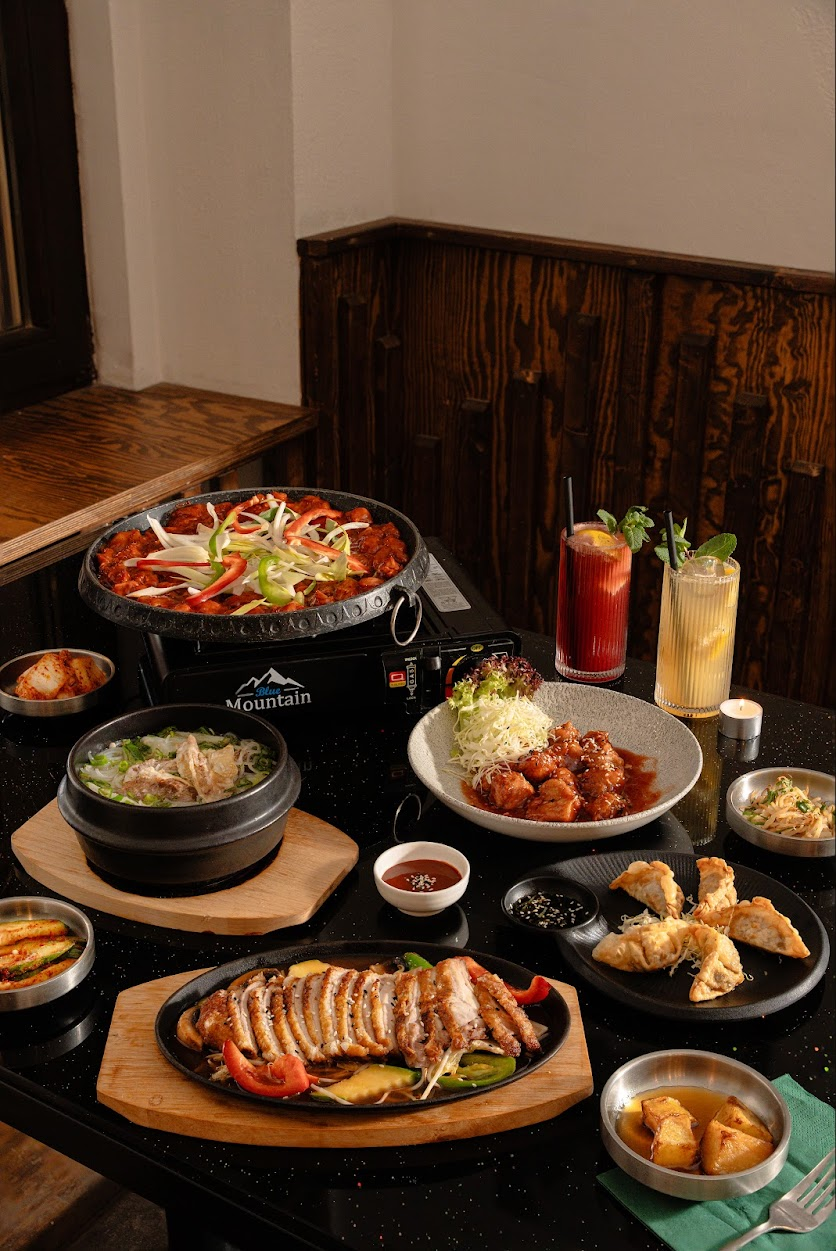
Many first-time visitors to a Korean grill house assume that the experience is purely about the meat. They focus on the cut, the marinade, and the heat of the coals. While these elements are essential, they often overlook a deeper dynamic that separates a memorable meal from a forgettable one. At Galbi-House, the true art lies in balancing the primal sizzle of K-BBQ with the gentle harmony of banchan, the small side dishes that frame every bite.
The friction between fire and calm
Imagine the scene at a table in Prenzlauer Berg. A stainless steel grill glows cherry red as strips of marinated beef curl and char. The air is thick with smoke and anticipation. This is the aggressive, noisy side of the meal. Now look at the array of porcelain bowls surrounding the grill. There is the cool crunch of kimchi, the subtle sweetness of pickled radish, and the creamy, nutty depth of seasoned spinach. This is the calming, reflective side. Most tables never truly connect these two forces.
They eat the meat first, then treat the banchan as an afterthought. The result is a meal that feels one-dimensional, where the richness of the beef overwhelms the palate without a contrasting note to reset it. The guest leaves full but unfulfilled, wondering why the experience lacked the depth they had read about.
The resolution through balance
The remedy is simple but transformative. Rather than separating the elements, weave them together in every bite. Take a piece of smoking hot galbi, dip it into the ssamjang paste, and place it on a crisp lettuce leaf. Top it with a slice of garlic, a dab of gochujang, and a small mound of the cool radish salad. Wrap it tightly and eat it in one motion. The heat of the meat collides with the chill of the side dish. The savory fat meets the sour tang of fermentation. This is not just eating; it is orchestration.
At https://galbihouse-berlin.de/, this philosophy is built into every preparation, from the homemade marinades to the daily rotation of five to seven banchan. The tension between the aggressive grill and the soft, prepared vegetables is the central narrative of the meal. When diners embrace both sides equally, the ordinary act of grilling becomes a conversation between fire and garden, smoke and salt. The sizzle becomes a prelude, and the small bowls become the chorus. This is the truth of Korean table culture, realized fresh and daily in Berlin.