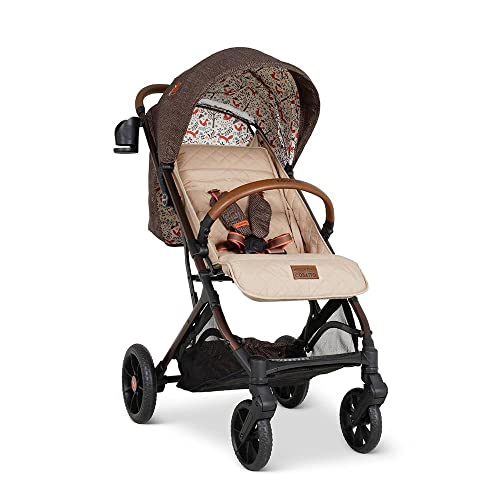
Pram To Stroller: 10 Things I'd Like To Have Learned In The Past
Transitioning from Pram to Stroller: A Comprehensive Guide
As parents embark on the jubilant journey of raising their kids, one of the essential options they face is how to carry their babies comfortably and safely. Initially, lots of households choose a pram or a bassinet stroller, which uses a comfortable, flat surface area for newborns. However, as babies grow and their mobility increases, the requirement for a more flexible and useful solution arises. This brings us to the topic of transitioning from a pram to a stroller. In this guide, we will explore the distinctions between prams and strollers, elements to consider during this shift, tips for making the switch, and respond to some frequently asked concerns.
Comprehending the Basics: Prams vs. Strollers
Before diving into the details of transitioning from prams to strollers, it is important to understand the essential distinctions between these 2 types of baby transport.
Function
Pram
Stroller
Appropriate Age
Newborn to ~ 6 months
6 months and beyond
Design
Flat lying surface for babies
Upright seat with a harness
Mobility
Usually much heavier, bulkier
Lighter, often foldable
Positioning
Repaired, frequently non-adjustable
Reclining alternatives offered
Maneuverability
Less nimble, can be troublesome in tight areas
More active, much easier to browse
Pram: The Newborn Cozy Nest
A pram is particularly developed for newborns, permitting them to lie flat while they sleep. It usually features a soft mattress and is designed to protect infants from harsh environmental aspects. While prams provide a comfortable environment for youngsters, their bulkiness can make them cumbersome, particularly when navigating congested locations.
Stroller: The Growing Companion
On the other hand, strollers are designed for older infants and toddlers. They feature a more upright seating position, making it simpler for children to observe the world around them. Strollers can be found in various styles, from lightweight to jogger types, providing flexibility for different way of lives. This shift deals with a baby's growing interest and need for social interaction.
Factors to Consider for a Smooth Transition
When moving from a pram to a stroller, several factors can affect the choice. Below are some key factors to consider:
Age and Developmental Milestones
- Guarantee that your baby can support their head individually, normally between 4 to 6 months of age.
- Try to find signs of preparedness, such as the ability to sit up or reveal interest in their surroundings.
Comfort
- Inspect the weight and size of the stroller to guarantee it matches your way of life.
- Search for strollers with adjustable seating and cushioning for included convenience.
Use Scenarios
- Think about how and where you will be using the stroller. Do you plan to utilize it for daily strolls, travel, or shopping?
- If you are an active moms and dad, a running stroller may be a preferred choice.
Security Features
- Prioritize strollers with a five-point harness, stability, and a strong frame.
- Look for strollers that have undergone safety screening and certifications.
Storage and Portability
- Evaluate how easy it is to fold and store the stroller.
- Guarantee it fits comfortably in your vehicle if you prepare to carry it.
Tips for Making the Transition
Transitioning from a pram to a stroller can be a smooth procedure with the following suggestions:
1. Steady Introduction
Start by taking brief trips in the stroller. This enables the kid to get used to the brand-new experience without overwhelming them.
2. Integrate Familiarity
Bring along a familiar blanket or toy from the pram to provide convenience and peace of mind for your baby in the stroller.
3. Change to the Environment
Enable your baby to experience various environments from the stroller, such as parks or shopping mall, to make the shift more pleasurable.
4. Observe Reactions
Pay attention to your child's responses during the transition. If they appear unpleasant, make modifications to the seating or provide extra cushioning.
5. Engage with Your Child
Utilize this time to bond with your kid by talking, singing, or explaining fascinating sights while walking.
Advantages of Strollers Over Prams
While prams serve their purpose for newborns, strollers offer several benefits as kids grow:
- Versatility: Many strollers come with functions like removable seats, safety seat compatibility, and adjustable handlebars.
- Lightweight Options: Travel-friendly strollers are created for portability, making them suitable for household outings.
- Storage Space: Most strollers provide under-seat storage baskets for carrying basics, adding convenience during trips.
- Adaptability: Strollers are available in numerous setups suitable for various ages, from baby seats to toddler seats.
Regularly Asked Questions
Q1: When is the right time to shift from a pram to a stroller?
The ideal time to shift generally occurs in between 4 to 6 months, depending upon your baby's capability to support their head and stay up individually.
Q2: Are all strollers safe for infants?
Not all strollers are designed for infants. Constantly inspect the maker's guidelines and make sure that the stroller includes a totally reclining seat for younger babies.
Q3: How can I ensure my baby is comfortable in a stroller?
Search for strollers with padded seats, adjustable recline positions, and add-on accessories like infant head support or additional cushioning.
Q4: Can I use a stroller for running?
Yes, but ensure you pick a stroller particularly designed for running as they have actually features like enhanced suspension and larger wheels for stability.
Q5: What should I do if my baby resists the stroller?
If your baby appears uncomfortable or resistant, take small actions by making the experience fun and acquainting them with it gradually.
The shift from pram to stroller marks an amazing milestone in a kid's development. With mindful factor to consider of the aspects laid out above and an understanding of the benefits strollers provide, parents can make a thoughtful and informed decision. Whether browsing pushchairsandprams or delighting in leisurely afternoons at the park, the right stroller can boost both the kid's convenience and the moms and dad's experience. Accept this new phase, and enjoy the experience ahead!