Mafia: The Old Country – Back to the Family Business
Mafia 3, released in 2016, presented an engaging story, but its move to a more open-world, district-based gameplay didn’t appeal to fans of the first two games, who preferred their more focused storylines. Noticing this, developer Hangar 13 decided to return the series to its origins – both in gameplay and setting – offering a shorter, more straightforward adventure. Mafia: The Old Country follows Enzo, a laborer who has spent his life working in a sulfur mine in Sicily. After a tragic accident and a near-fatal fight, Enzo is taken in by the Torrisi family and assigned tasks as an errand boy. It’s easy to predict that the game then tracks Enzo’s ascent within this powerful family, featuring plenty of romance, surprise attacks, and betrayal along the way. If you want to buy cheap games full of drama and unexpected twists, this one fits the bill perfectly.
Charms and Flexible Approaches to Combat
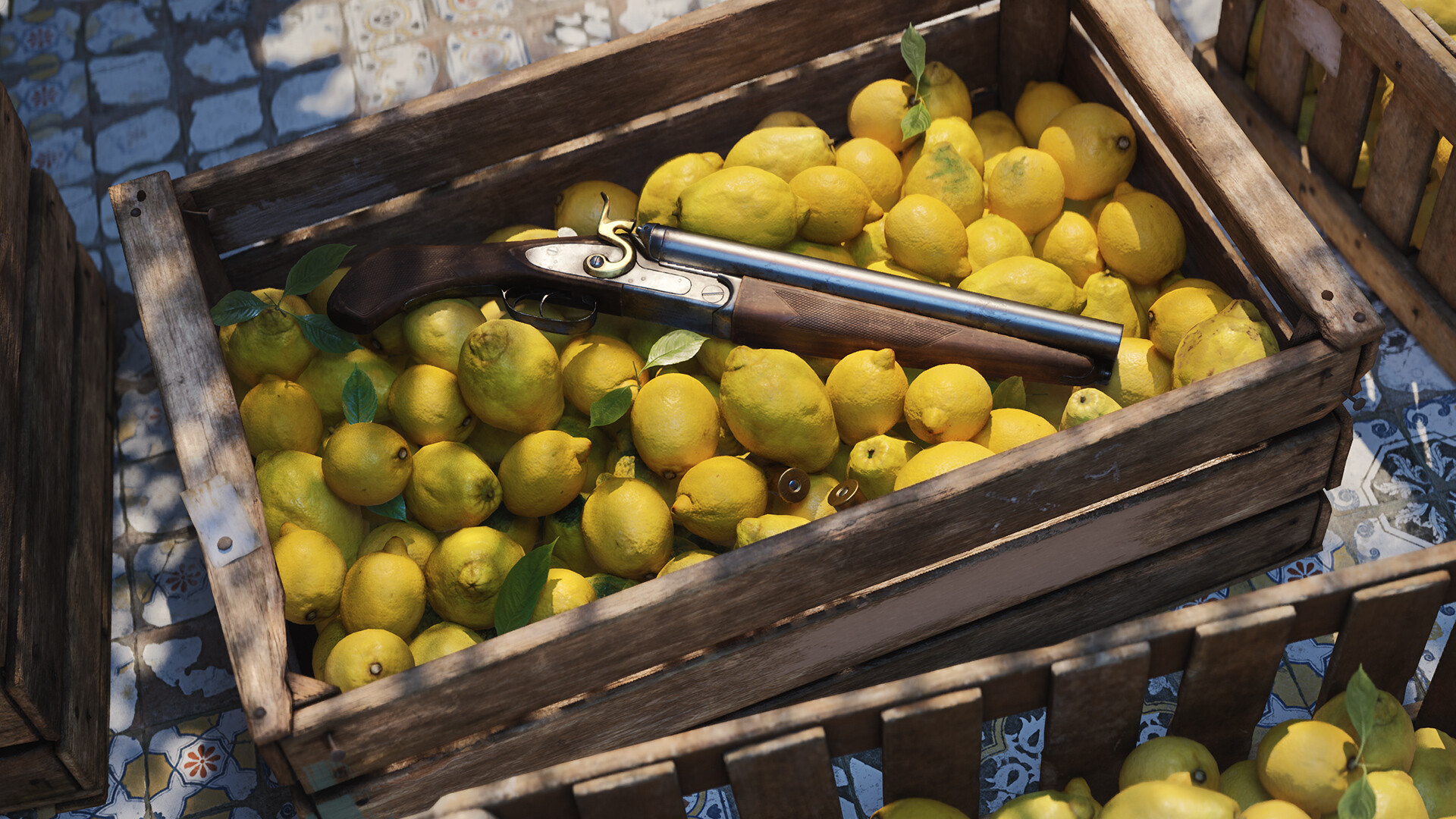
Hangar 13 has emphasized many times during development that The Old Country is not an open-world game. To clarify, it does have a fairly large map covering a small part of Sicily, but most of the time you’ll only see it while traveling between locations by riding or driving. The game even lets you skip these trips, which makes the world feel even less necessary. If you want to buy PS5 cheap games that focus more on story and action than open-world exploration, this might be the one for you. However, you shouldn’t skip them, because – even if it sounds like a common cliché in game reviews – the environment is one of the strongest elements in The Old Country. Hangar 13 has done an excellent job crafting a beautiful representation of early 1900s Sicily, from the dirt roads and thick vineyards to Mount Etna looming ominously in the distance.
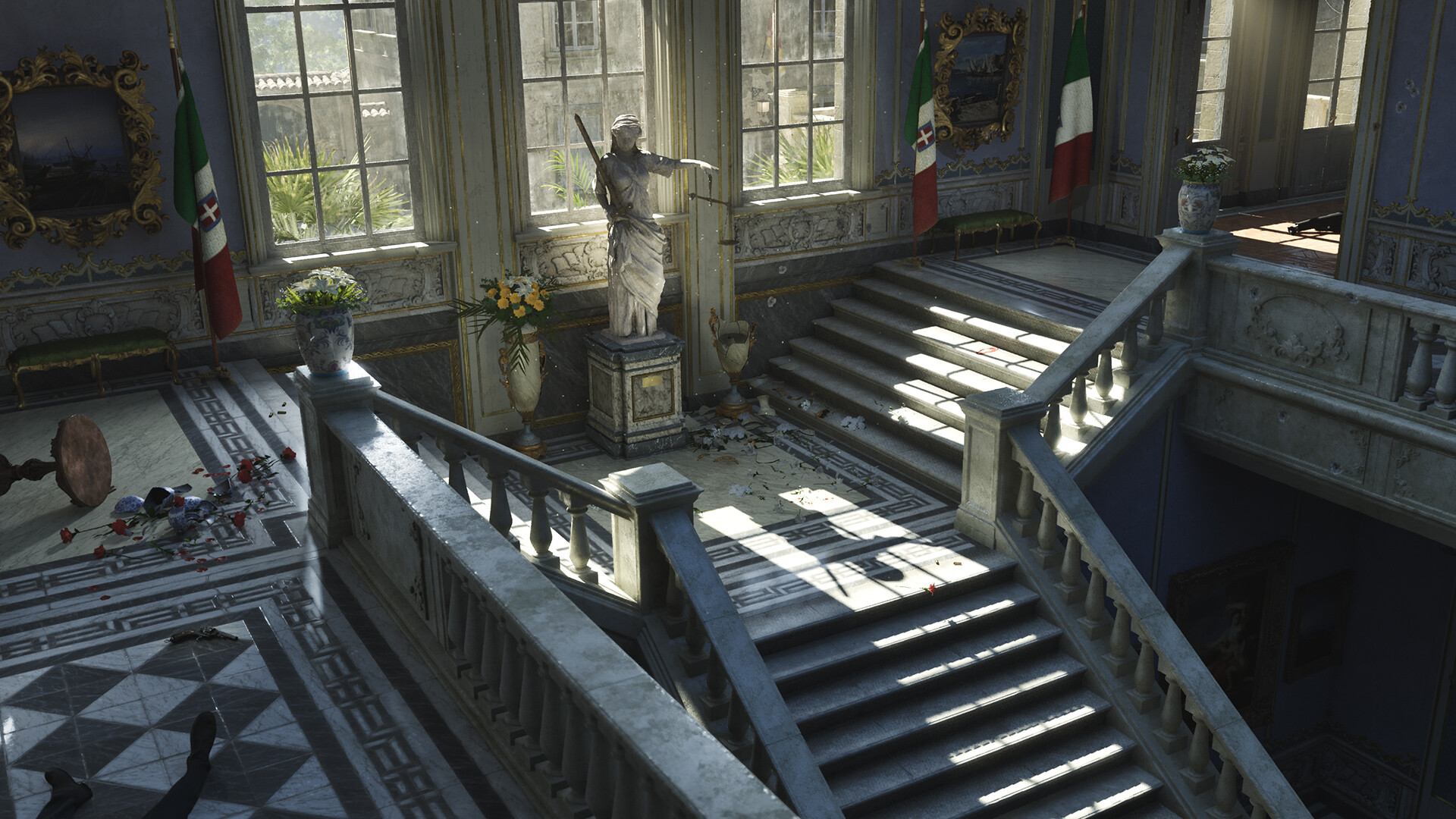
This careful attention to detail also applies to other areas in the game, like the impressive Torrisi house and the vibrant streets of San Celeste. You’ll want to explore every corner of these places, and the game rewards you with various collectible documents, hidden statues, and charms.
The charms can be worn on your necklace to grant extra abilities, such as faster reloading or the chance to dodge gunshots. As usual, some are more useful than others – once I unlocked faster aiming, I stuck with it – but they add a bit of variety to a game that usually offers limited opportunities for different playstyles.
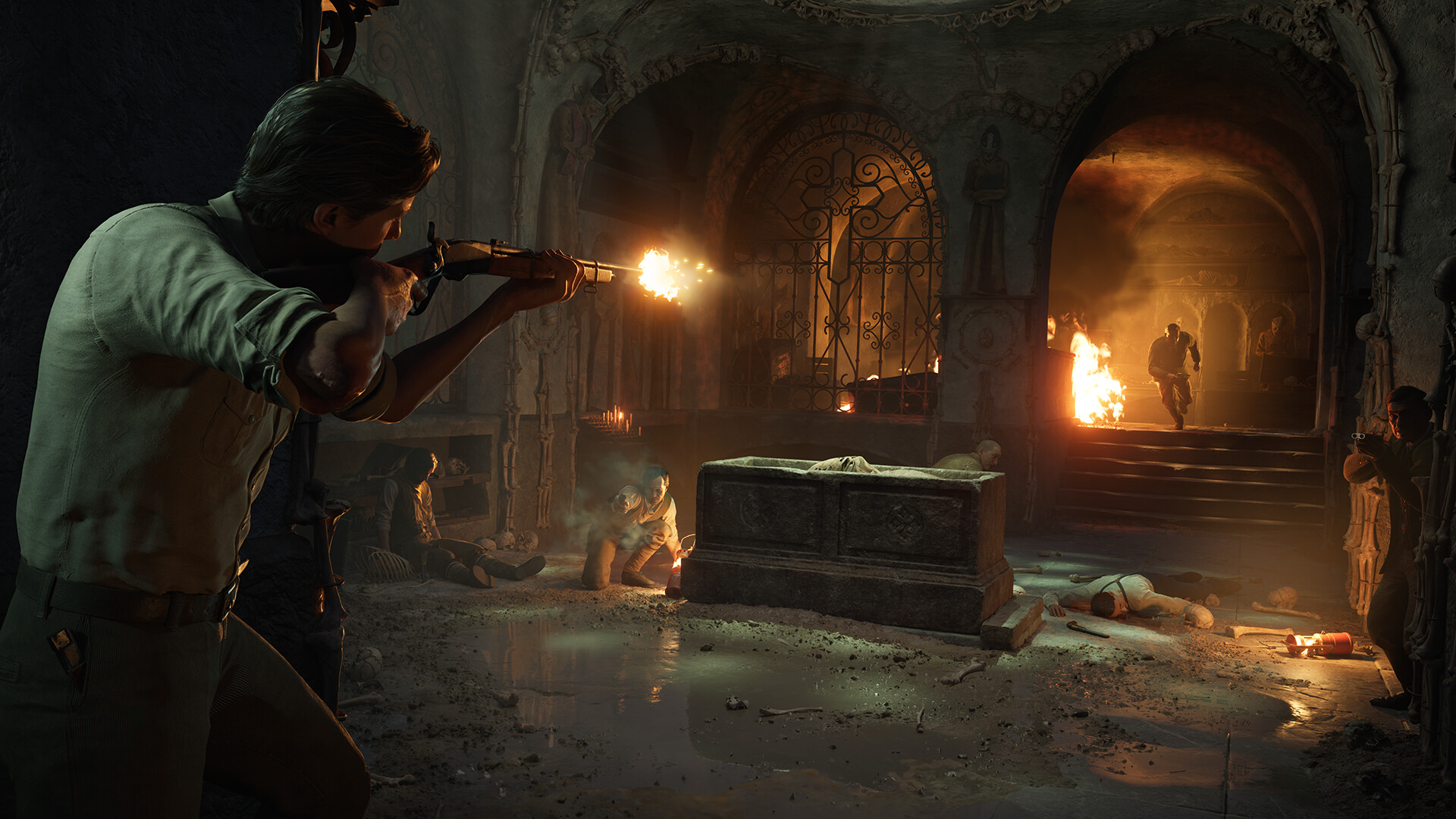
You can’t be part of the Mafia without getting your hands dirty, and for the most part The Old Country follows the familiar formula found in other action-adventure games. You can try to move stealthily through each area, taking out guards without being detected, or – whether by choice or after being spotted – go in guns blazing, turning the game into a cover shooter.
Nothing here is groundbreaking, but that doesn’t mean it isn’t enjoyable. The gunplay is solid, and taking out enemies with headshots from a distance feels just as satisfying as in any game. Sometimes there’s no need to reinvent the wheel when what’s already working is good enough.
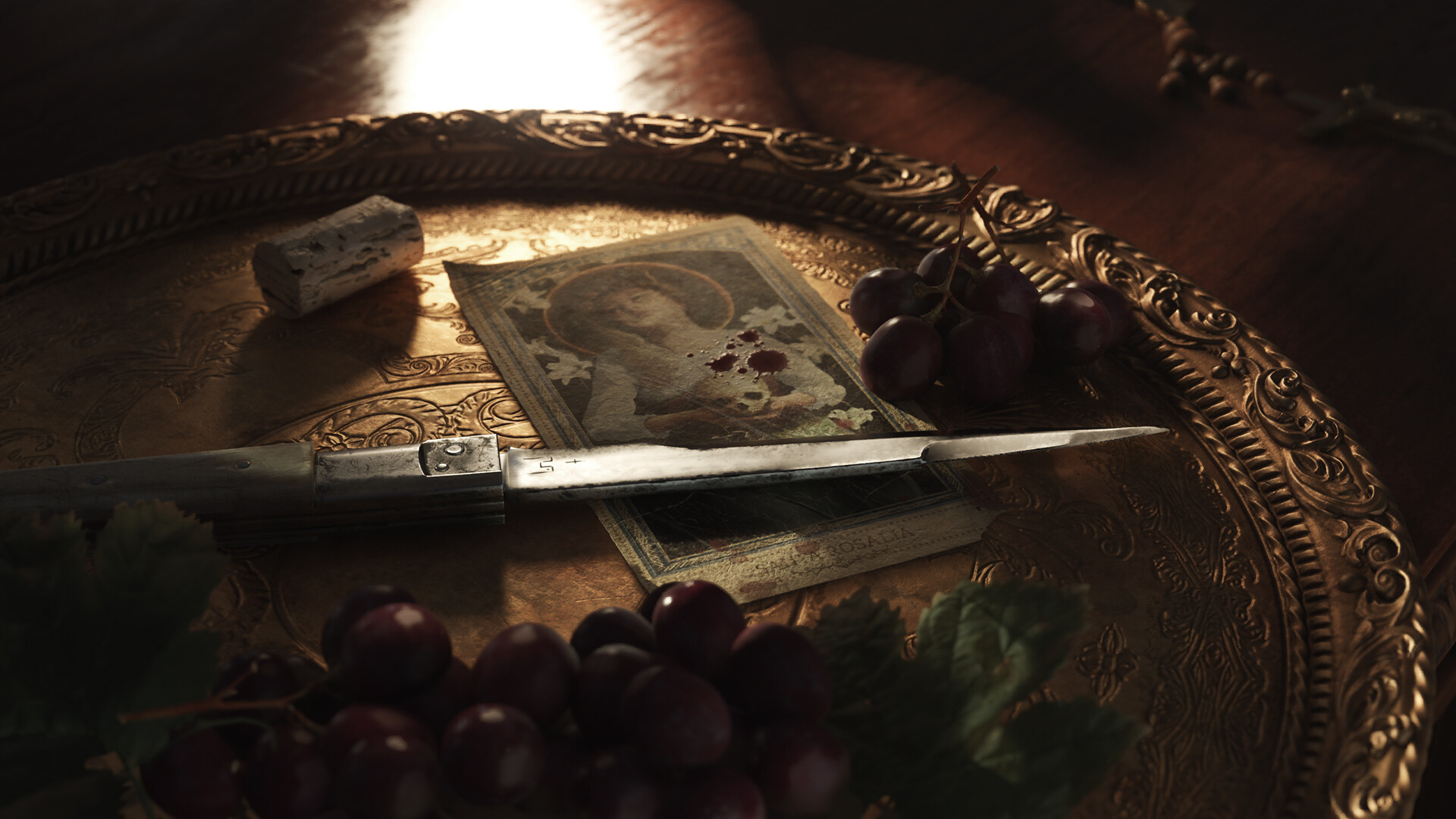
That said, not everything hits the mark. Every major showdown ends in a knife fight, and these are the game’s weak point. The concept is you can parry light attacks with one button and dodge heavy attacks with another.
In practice, though, it quickly becomes clear that instead of staying alert and reacting quickly to each strike, it’s just as effective to dodge everything and then slash.
I respect the effort to mix things up and make fights with important enemies more meaningful, but when the shooting is so enjoyable, the knife fights feel like the skits on a rap album – fun at first, but soon you want the game to stick to what it does best.
A Familiar but Well-Told Mafia Tale
Because of its linear design, The Old Country was always going to succeed or fail based on its story, and thankfully it’s an enjoyable tale, albeit a fairly safe one. The cast is outstanding throughout, greatly aided by the impressive character models that can convey the most subtle expressions.
Each cutscene is a technical feat, to the point where you might forgive the game dropping to 30fps whenever one starts. Many close-ups of characters extract every detail from the facial performances, making it a real pleasure to watch.
Enzo’s story is engaging as well. It’s certainly not the most original – anyone who has seen even a few mafia movies will spot the clichés along the way and predict the main twist before the character does – but like the gameplay, the takeaway is that a plot doesn’t have to be groundbreaking if it’s told well, and I was still very invested in what happened to him and those around him.
I played part of the game with my wife beside me on the couch, and when I told her later that I had finished it, she insisted I tell her everything that happened, something that rarely occurs with other games I review. It may be a story eager to use every trope in the book, but sometimes the most familiar path offers the most comfortable journey.
A Beautifully Realized Sicily That Deserves More Freedom
When the credits rolled after about 13 hours, I felt satisfied with what Mafia: The Old Country delivered. Its story kept me engaged without overstaying its welcome, its gunplay was a lot of fun, and Hangar 13’s remarkable attention to graphical detail did justice to both the stunning cast and the breathtaking beauty of Sicily.
However, it’s the latter that feels like the biggest missed opportunity. I understand that fans wanted the series to move away from the open-world style of the third game and return to something more linear, so in a way, by criticizing it for being too linear, I risk faulting it for not being what it never aimed to be.
Still, Hangar 13’s portrayal of Sicily is so rich and picturesque that it feels like a crime – not as serious as the Torrisi boys’ deeds, but a crime nonetheless – that such a detailed and beautiful setting is underused here.
An Underwhelming Free Roam in a Gorgeous World
There is an ‘Explore’ option – hidden in the game’s chapter replay screen and something I wouldn’t have discovered without the developer’s tip – which thankfully lets you roam the map freely, collecting most of the remaining collectibles scattered around.
While this allows you to take in the sights at a slower pace and appreciate the scenery in greater detail, it also makes it even more disappointing that there isn’t much else to do, as you walk down empty roads and through streets full of people who don’t interact with you. Purists aside – I’d gladly take on a hit for an open-world sequel that populates the countryside and surrounding areas with NPCs and side quests.
The level of detail in San Celeste alone is so impressive – one mission even hints at what could have been with an Assassin’s Creed-style rooftop chase – that it’s almost funny how one of the few times you visit the area is to take part in a high-speed race zooming through it.
That said, it speaks volumes about the game’s quality that my biggest complaint is wanting more of it. It’s been clear from the start that this was meant to be a shorter, more straightforward experience, so in terms of what Hangar 13 aimed to achieve, they’ve definitely succeeded.
A Compact, Old-School Adventure Worth the Price
Overall, Mafia: The Old Country is a solid little adventure which, with its Explore mode adding some replay value beyond the 20 hours.
As long as you go in knowing you’re getting something ‘old’ both in name and nature – an adventure that calls back to the PS2/3 era where you just played through the story, saw the credits, and moved on without any live service features or microtransactions – and don’t expect much post-game beyond hunting down collectibles, it comes highly recommended.