Stay Prepared for Patient Care with the Right Trauma Shears ===========================================================
Trauma shears rank among the most commonly used instruments in emergency medical services training. They feature prominently in activities ranging from basic assessment drills to comprehensive trauma simulations. Their function goes beyond merely removing clothing; they facilitate rapid patient exposure and precise access to injury sites in emergency situations.
In skills laboratories, EMS students frequently use trauma shears during practice of patient assessments and airway management procedures. Inconsistent cutting performance or discomfort in handling can disrupt the training process and divert attention from correct technique execution. High-quality shears contribute to sustained efficiency, enabling sessions to proceed smoothly as planned.
When EMS students prepare their clinical kits, the selection of trauma shears represents a meaningful practical choice rather than a mere requirement. Opting for shears that meet the rigors of training promotes more fluid practice, enhanced workflow development, and greater preparedness as academic instruction progresses toward actual patient care.
Why Trauma Shears Matter in EMS Training
Trauma shears are indispensable tools in emergency medical services training, used extensively in drills ranging from basic patient assessments to complex trauma simulations involving devices like the lifepak simulator. Their primary function enables rapid and safe exposure of injuries, allowing students to practice time-critical interventions without risking patient harm.
The blunt, angled tip design permits safe insertion under clothing, while the robust blades handle tough materials like leather and seatbelts efficiently. Reliable performance during repeated use reinforces proper technique and builds confidence in executing controlled, precise movements.
Options like the 7.5-inch titanium-coated trauma shears from MedTechKits offer enhanced durability and corrosion resistance, making them ideal for intensive training environments. In contrast, their stainless steel counterparts provide a cost-effective yet functional alternative suitable for routine practice and budget-conscious students.
Poor-quality shears can snag or cause discomfort, disrupting training flow and distracting from skill development. Investing in dependable shears ensures smoother practice sessions and better prepares EMS students for the demands of field readiness.
Precision Gear for Confident Training: MedTechKits
Finding high-quality tools is essential for EMS students preparing for both classroom and field scenarios, and MedTechKits serves as a trusted emt supply store that provides reliable equipment tailored to training needs. By offering specialized instruments like trauma shears, MedTechKits ensures students have access to durable, performance-focused tools that enhance learning and practical readiness.
Trauma shears are a fundamental component of any EMS clinical kit, enabling rapid patient assessment and safe exposure of injuries during drills and EMS practice. Selecting the right pair contributes not only to smoother training sessions but also to the development of critical skills that translate directly into field efficiency.
With options ranging from budget-friendly stainless steel to premium titanium-coated models, MedTechKits balances accessibility and quality, helping students build confidence while honing essential emergency medical skills. Their focus on reliable tools reinforces the connection between classroom proficiency and preparedness for real-life emergencies.
MedTechKits Stainless Steel Trauma Shears
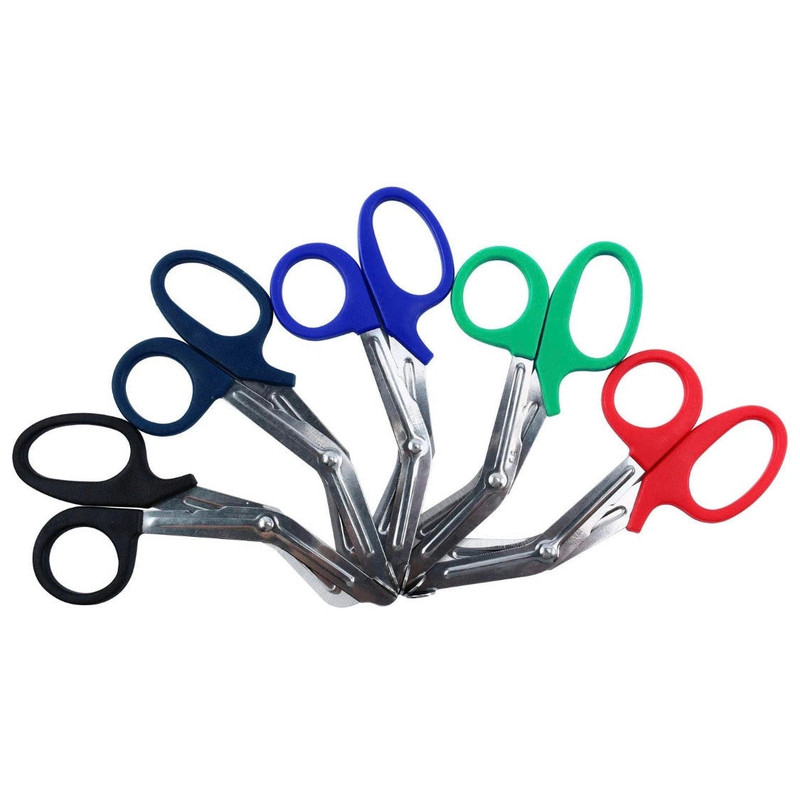
The 7.5-inch stainless steel trauma shears available through MedTechkits provide an economical yet reliable option crafted with high-quality stainless steel blades for everyday EMS needs. This construction ensures solid performance at a budget-friendly price, making them accessible for students building their initial clinical kits. The standard 7.5-inch length meets common requirements for EMT and paramedic training programs.
Patient safety is emphasized through the inclusion of rounded tips on the straight blades, allowing safe insertion under clothing without risk of injury. These blades deliver effective cutting for routine materials such as garments and bandages in training scenarios. The design supports straightforward, dependable use during assessments and drills.
Ergonomic comfort is achieved with a non-slip curved handle that provides a secure grip, even in gloved hands or challenging conditions. This feature helps minimize fatigue during repeated practice sessions or extended use. Overall, these shears offer practical functionality and ease of handling for aspiring EMS professionals.
The MedTechKits Titanium-Coated Trauma Shears
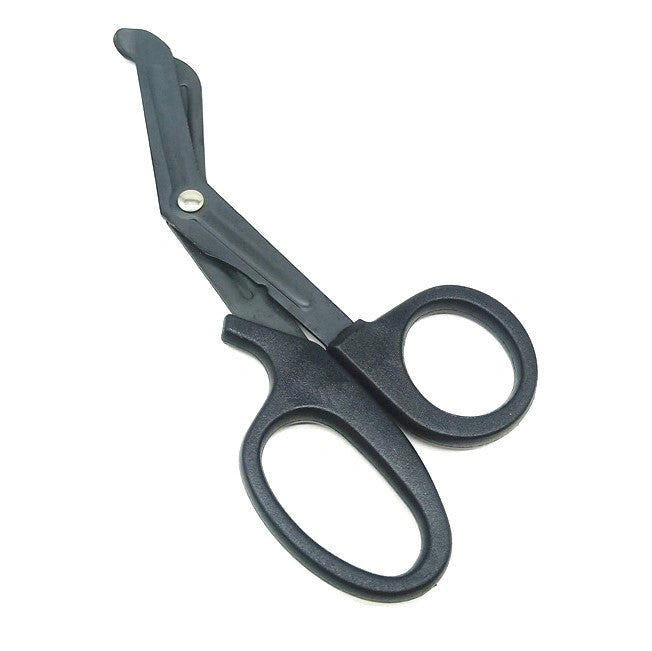
The 7.5-inch titanium-coated emt shears from MedTechKits feature premium titanium-coated stainless steel blades that provide exceptional durability and longevity. This coating enhances resistance to wear and corrosion, making them ideal for repeated use in demanding EMS training and clinical environments. The overall 7.5-inch length aligns perfectly with standard requirements for EMT and paramedic programs.
Designed with patient safety in mind, these shears include straight blades with rounded tips to prevent injury during rapid exposure procedures. The blades maintain sharp, efficient cutting performance on tough materials like clothing and bandages. This safety-focused design ensures precise control even in high-pressure scenarios.
Comfort and usability are prioritized through a non-slip curved handle that offers a secure grip, even when wearing gloves or in wet conditions. The ergonomic shape reduces hand fatigue during extended skills labs or prolonged field use. These features combine to deliver confident, precise handling for EMS students and professionals alike.
Comparing Trauma Shear Options for EMS Students
Trauma shears come in a range of materials and finishes, each offering advantages depending on training demands and personal preference.
The titanium coated trauma shears from MedTechKits are designed for students seeking added durability during frequent use. The titanium coating helps resist corrosion and wear from repeated cleaning and handling. Their standard size aligns with common EMT and paramedic program requirements, while the rounded safety tip supports safe patient exposure during training.
The stainless steel trauma shears provide a more economical alternative while maintaining essential functionality. These shears are well suited for entry-level kits, backup gear, or early-stage training. They effectively handle routine tasks such as cutting clothing and bandages.
Choosing between these options often depends on how intensively the shears will be used and whether long-term durability or affordability is the primary concern.
Key Factors to Consider When Choosing Trauma Shears
Grip comfort is an important consideration, especially during extended lab sessions and repeated drills. A secure, non-slip handle improves control, particularly when gloves are worn.
Blade material and coating influence performance over time. Coated blades tend to maintain smoother cutting action with frequent use, while plain stainless steel blades may dull sooner under heavier workloads.
Size consistency also matters. Standard 7.5″ shears fit most EMS kits and uniform pockets, making them a practical choice for students seeking compatibility across training and clinical environments.
Integrating Trauma Shears into Your EMS Clinical Kit
When building an EMS clinical kit and considering what tools do EMTs use in EMS scenarios, trauma shears frequently serve as one of the initial tools deployed during patient contact. Maintaining easy access facilitates swift actions and enhances overall scene management. This readiness ensures EMS providers can respond promptly without unnecessary delays.
Students benefit from routinely pairing trauma shears with other essential assessment instruments, such as stethoscopes and penlights. Rehearsing sequential procedures like vital signs checks and packaging reinforces realistic workflows and procedural fluency. Such integrated practice cultivates greater confidence and procedural accuracy over time.
Consistent use of the same reliable shears transforms deliberate actions into instinctive responses, particularly vital in emergency situations demanding speed and precision. Ultimately, thoughtful integration of quality shears supports seamless transitions from classroom drills to effective field performance.
Care and Maintenance Tips for Trauma Shears
Proper care of trauma shears is essential to maintain their sharpness and ensure they remain hygienic for repeated use in training and clinical settings. After each use, especially in simulations involving contaminants, clean the shears thoroughly to remove debris and residues. This routine helps extend the lifespan of both stainless steel and titanium-coated models from MedTechKits.
Begin cleaning by wiping the blades and handles with warm soapy water or an alcohol-based solution to eliminate blood or other materials. For deeper disinfection, use a medical-grade disinfectant wipe or soak in a suitable solution, followed by rinsing with clean water. Thoroughly dry the shears with a soft cloth to prevent rust, particularly on stainless steel variants.
Occasionally apply a drop of lubricating oil to the pivot point for smooth operation and further protection against wear. Store the shears in a dry, clean pouch or holster to avoid damage and keep them ready for immediate use.
Conclusion: Building Readiness with Quality Trauma Shears
Trauma shears are an essential tool that plays a vital role in every stage of training and patient care. Quality shears allow students to practice rapid exposure and precise techniques without interruptions from dull blades or unreliable performance. This uninterrupted focus helps build the confidence and muscle memory essential for handling real emergencies effectively.
MedTechKits provides two excellent options designed specifically for EMS students: the titanium-coated shears, which deliver superior durability and corrosion resistance for intensive, long-term use, and the stainless steel model, offering dependable functionality at an accessible price point.
By prioritizing quality and compatibility, students equip themselves not just with a cutting tool, but with the assurance needed to perform at their best when seconds matter most. Choose wisely today to build the confidence and competence that will serve you and your patients throughout your career.
Frequently Asked Questions
Q1. How do I choose the right trauma shears for my EMS kit?
When selecting trauma shears, prioritize factors like blade sharpness retention, ergonomic grip design, and overall build quality to match your specific needs. For occasional training, affordable stainless steel models work well, whereas frequent users benefit from premium titanium-bonded versions that endure heavy daily demands.
Q2. What is the difference between stainless steel and titanium-coated trauma shears?
Stainless steel trauma shears offer solid performance at a lower price point, making them a practical entry-level choice for most users. Titanium-coated variants provide superior resistance to corrosion and edge dulling, extending lifespan significantly in harsh-condition scenarios.
Q3. Can trauma shears cut through tough materials like leather or seatbelts?
Premium trauma shears feature serrated, angled blades specifically engineered to slice through dense materials such as denim and vehicle seatbelts with minimal effort. This capability ensures quick, safe patient access during time-critical extrications or simulated rescue drills.
Q4. How do trauma shears improve workflow in EMS training?
Quality trauma shears enable swift, precise clothing removal without snags or excessive force, allowing trainees to maintain focus on critical skills like airway management and hemorrhage control. Streamlined cutting translates directly to faster scenario completion and greater overall procedural confidence.
Q5. Are trauma shears reusable during training and clinical use?
Absolutely. Durable trauma shears are built for repeated use across countless simulations and actual patient encounters when properly cleaned and stored. Regular maintenance, including autoclaving where compatible, preserves cutting performance and hygiene for long-term professional reliability.
Training Support Materials